If you work out and you see few gains, or if your evenings feel slow, it is time to put protein first at dinner.
Making protein the main part of your meal can build more energy, speed up your recovery, and help muscle growth. It takes little time and does not leave you hungry.
Below you find clear, science-based advice and many dinner ideas with protein you can try tonight.
Why a “protein first” approach works

Put protein first at dinner not to cut calories but to feed your body the parts it needs to work and fix itself.
Key benefits of protein-centric dinners
-
Supports lean muscle and repair
Your muscles need the building blocks from protein to mend and grow after a workout or long day on your feet. A meal with 20–40 g of good protein can boost muscle repair when you have it through the day (source: International Society of Sports Nutrition). -
Reduces evening hunger
Protein fills you more than other food types. A dinner rich in protein helps you feel full longer and cuts down on late-night visits to the pantry. -
Keeps blood sugar and energy stable
When you build your plate with protein, and then add balanced carbs and fats, you slow digestion. The result is a steadier energy level and more peaceful sleep. -
Aids fat loss and saves muscle
If you want to lose fat while keeping lean body mass, you must eat enough protein. A protein-first dinner lets you have fewer calories without a constant hunger.
How much protein should dinner have?
The right amount changes with your body size, activity, and goals. Try these tips:
• Active adults and lifters: about 0.7–1.0 g of protein per pound of body weight each day
• Per meal: aim for 25–40 g of protein
• For very active or bigger people: 35–50 g at dinner works well
A simple idea:
Aim for a palm-and-a-half to two palms of protein at dinner (like chicken, fish, tofu, or Greek yogurt), if that fits your hand size and hunger.
If you do not know, start with 30 g of protein at dinner and then adjust by how it feels.
Building a protein first plate: simple framework
Use this plan to make easy and protein-rich dinners:
-
Pick your main protein (25–40 g)
- Animal: chicken, turkey, lean beef, pork tenderloin, eggs, fish, Greek yogurt, cottage cheese
- Plant: tofu, tempeh, edamame, seitan, beans, or legume pasta
- Combo: mix beans with rice or hummus with whole-wheat pita so you get all the amino acids
-
Add vegetables (1–3 cups)
- Eat raw, roast, or steam them
- Try to have at least two colors on your plate
-
Add smart carbs (0.5–1 cup cooked) as you wish
- Use whole grains, potatoes, beans, or fruit
- Choose more if you move a lot; choose less if you want less fat
-
End with healthy fats (1–2 thumb-sized amounts)
- Options are olive oil, avocado, nuts, seeds, tahini, pesto, or cheese
By thinking of protein first when you plan dinner, your meal fits your goals, not just the easiest carb to find.
High-protein quick wins: 10–20 minute dinners
If time is short, these protein-first dinners come together quickly on busy nights.
1. 15-minute Greek yogurt bowl
• Protein: 1.5–2 cups plain Greek yogurt (30–40 g protein)
• Mix in with:
- Sliced berries or a banana
- 1–2 tbsp of nut butter or a handful of nuts
- 1–2 tbsp of chia or hemp seeds
- Optional: a little honey
This bowl works well. No cooking is needed. You get protein plus balanced carbs and fats. It suits days when you feel tired but still need a meal that helps muscles.
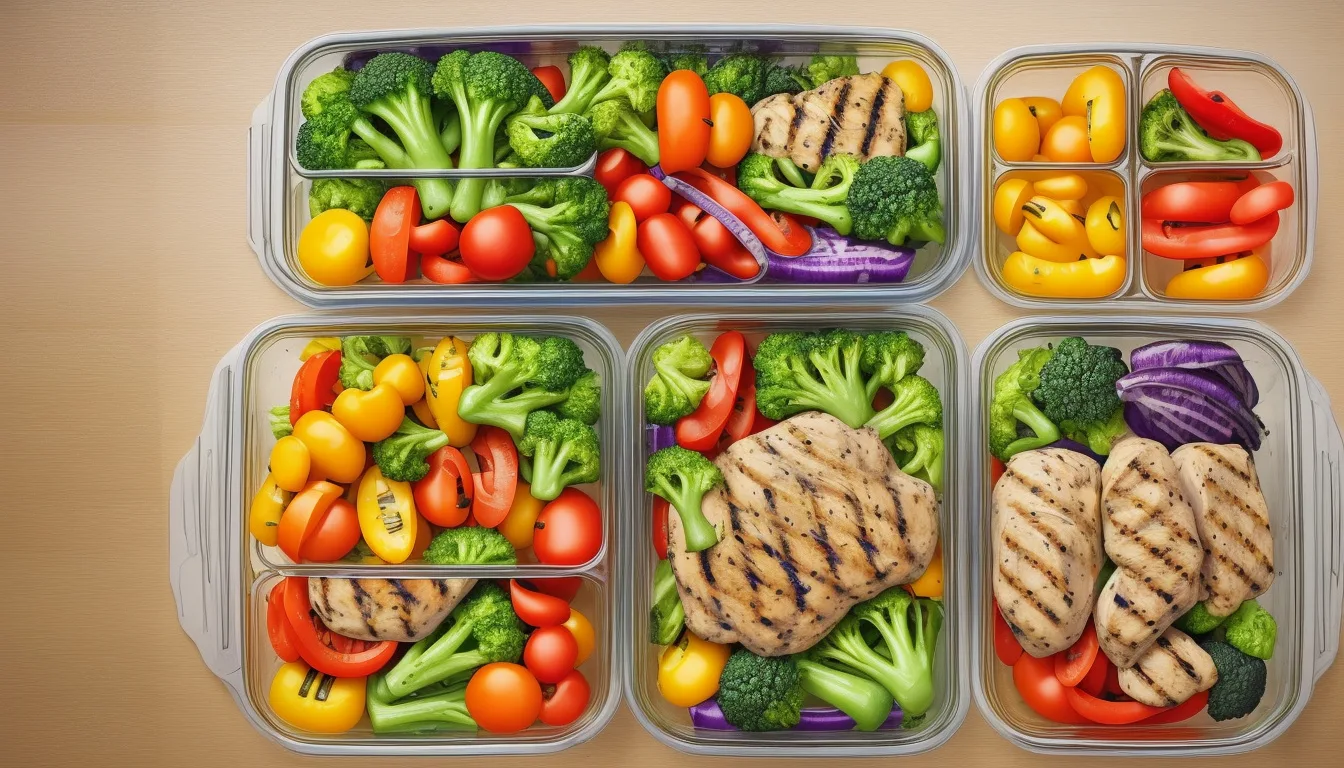
2. Sheet pan chicken and veggies
• Protein: 6–8 oz chicken breast or thighs per person
• Veggies: broccoli, bell peppers, onions, carrots, Brussels sprouts
• Use olive oil, garlic, salt, pepper, paprika, or Italian herbs for spice
Method:
- Heat your oven to 400°F (200°C).
- Toss chicken and cut veggies with oil and spice.
- Roast for 18–22 minutes, turning halfway, until the chicken is done.
Tip: Cook extra protein so you have lunch for the next day.
3. One-pan high-protein stir-fry
• Protein: 6–8 oz chicken, shrimp, tofu, or tempeh
• Veggies: a frozen stir-fry mix or any peppers, snap peas, carrots, broccoli
• Sauce: mix low-salt soy sauce/tamari with garlic, ginger, a bit of honey, and rice vinegar
Steps:
- Fry your protein with a little oil until done.
- Add veggies and stir-fry for 4–6 minutes.
- Pour in sauce and cook for 1–2 more minutes.
Serve with:
- Cauliflower rice if you want fewer carbs, or
- Brown rice/whole-wheat noodles if you need more energy after a workout.
Protein first dinners for muscle building
When you train in the afternoon or evening and need muscle, these dinners offer both protein and extra calories.
4. Steak, potatoes, and greens—body composition edition
• Protein: 6–8 oz lean steak (sirloin, flank, or filet)
• Carbs: 1 medium baked or roasted potato (white or sweet)
• Veggies: a large salad or sautéed greens
Tips:
- Grill or fry the steak with little oil.
- Top the potato with Greek yogurt instead of sour cream for extra protein.
- Add an olive oil dressing to your salad for good fats.
Approximate protein: 40–50 g from the steak, depending on size.
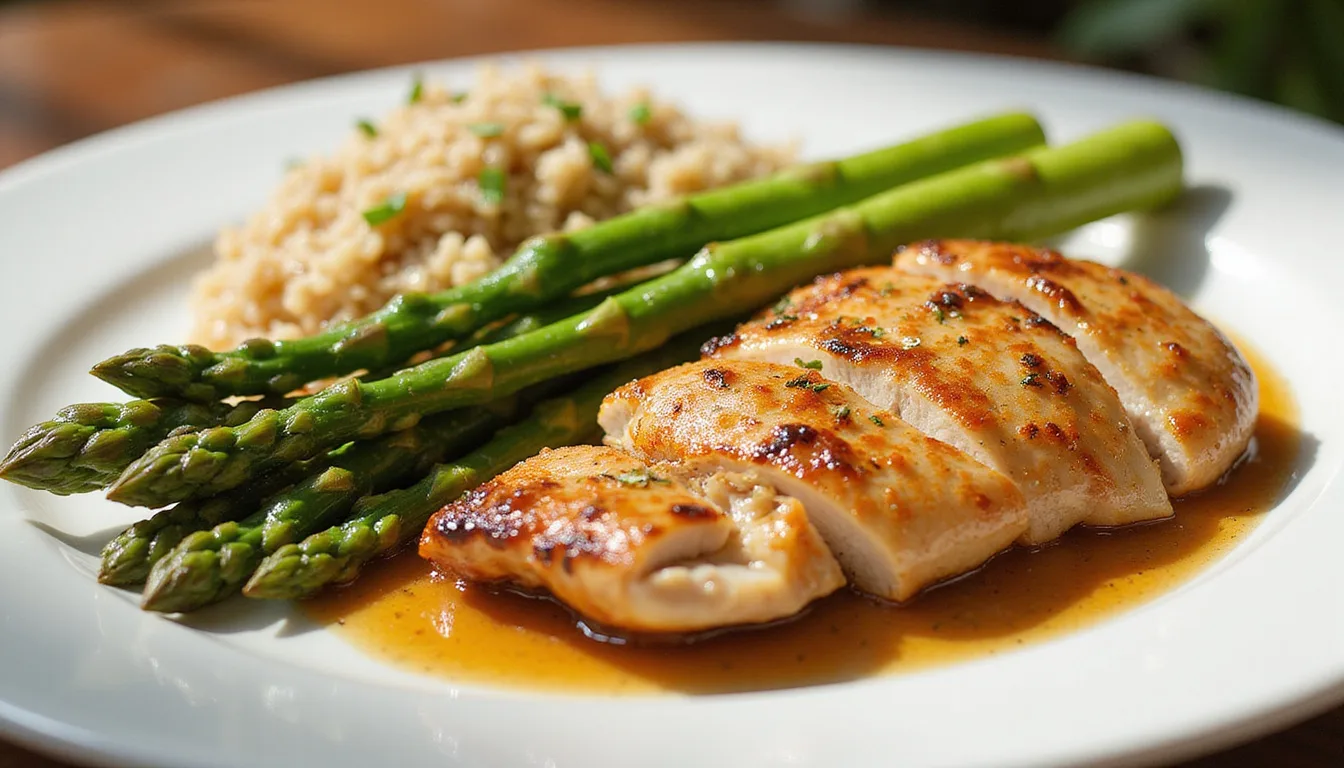
5. Salmon power plate
• Protein: 6–7 oz salmon fillet (about 35–40 g protein plus omega-3 fats)
• Sides:
- 1 cup of quinoa or wild rice
- Roasted asparagus or green beans
- A squeeze of lemon, some herbs, and a drizzle of olive oil
This plate gives you protein, omega-3 fats, and slow carbs. Such a mix helps muscle repair and keeps hormones in balance.
6. Extra-protein pasta bowl
• Protein:
- Use 3–4 oz ground turkey or chicken OR
- Use Italian-style tofu crumbles
- Also choose pasta made from chickpeas or lentils for more protein
How to build it:
- Brown your protein with onion and garlic in a pan.
- Stir in a low-sugar tomato sauce.
- Mix with the cooked legume-based pasta.
- Top with Parmesan and fresh basil.
This bowl can give 30–45 g of protein per serving. It is a smart switch from a regular carb-heavy dinner.
Lean and light protein first dinners for fat loss
For those who want to trim down without losing muscle or going to sleep hungry, choose lean proteins and fill your plate with veggies.
7. A high-protein salad that fills you up
• Protein options (choose one or mix):
- 5–6 oz grilled chicken or turkey
- 5–6 oz shrimp
- 1 cup cooked lentils with 2 tbsp feta
• Salad: mixed greens, cucumber, cherry tomatoes, peppers, red onion
• Fats: ¼ avocado and 1–2 tbsp of olive oil vinaigrette
Tip: Add a small serving of whole grains (½ cup of farro, quinoa, or barley) if you exercise a lot or still feel hungry.
8. Egg white and veggie scramble with whole eggs
• Protein: combine 2 whole eggs with 4–6 egg whites (30+ g protein)
• Veggies: spinach, mushrooms, onions, tomatoes, peppers
• Sides: serve with one slice of whole-grain toast or roasted sweet potato cubes
This breakfast-for-dinner idea is fast and versatile. Egg whites add protein without extra fat, and whole eggs bring flavor and nutrients.
9. Baked cod with Mediterranean veggies
• Protein: 6–7 oz cod or another white fish (about 35–40 g protein)
• Veggies: zucchini, cherry tomatoes, red onion, olives
• Season with lemon, oregano, garlic, and a light drizzle of olive oil
Roast at 400°F (200°C) for about 12–15 minutes until the fish flakes easily. It is low in calories but high in protein and taste.
Plant-based protein first dinner ideas
You can keep a protein-first plan on a vegetarian or vegan diet. You just need to plan with care.
10. Tofu or tempeh Buddha bowl
• Protein: 6–8 oz firm tofu or tempeh (30–40 g protein)
• Base: brown rice, quinoa, or farro
• Veggies: roasted broccoli, carrots, kale or cabbage, edamame
• Sauce: choose a tahini-lemon mix, a peanut sauce, or a soy-ginger dressing
Tip: Press the tofu before cooking. Let it sit in soy sauce, garlic, and a bit of maple syrup for better flavor and texture.
11. Lentil and bean chili
• Protein: combine lentils and beans
- 1 cup cooked lentils and 1 cup mixed beans give near 30 g protein
• Add tomatoes, onions, peppers, corn, and chili spices
• Top with avocado, plant-based yogurt, or fresh cilantro if you wish
Cook a big pot once for several high-protein dinners.
12. High-protein vegan pasta
• Protein: use pasta made from lentils or chickpeas
• Add ½–1 cup of crumbled tempeh or textured vegetable protein (TVP)
• Sauce: choose a tomato base or a cashew cream with nutritional yeast
• Mix in spinach, mushrooms, peas, or artichokes
Combine the pasta and plant protein to get at least 25–35 g of protein per bowl.
One-pan and slow cooker protein first dinners
These recipes suit meal prep or are ideal for busy days.
13. Slow cooker shredded chicken
• Protein: 2–3 lbs of chicken breasts or thighs
• Liquids and taste: use salsa, taco seasoning, onion, garlic, and lime juice
Steps:
- Place all items in the slow cooker.
- Cook on low for 6–8 hours or on high for 3–4 hours.
- Pull the chicken apart with two forks.
Use this chicken all week:
- For tacos with high-fiber tortillas,
- Over a salad for a protein boost, or
- With rice and beans in a quick bowl.
14. Turkey or chicken meatball bake
• Protein: lean ground turkey or chicken
• Mix with an egg, breadcrumbs or oats, chopped onion, garlic, and herbs
• Bake the meatballs on a pan and add:
- Roasted veggies on the side, or
- Simmer them in tomato sauce and serve over spaghetti squash or whole-wheat pasta
These meatballs can be portioned and frozen to speed up future meals.
15. One-pan sausage and veggie roast
• Protein: choose chicken or turkey sausage (seek low sodium and less processed types)
• Veggies: use potatoes, Brussels sprouts, onions, and peppers
• Toss with olive oil, garlic, and herbs; roast at 400°F (200°C) for 25–30 minutes
This mix of protein and fiber-rich veggies fills you up without needing a sweet treat to end the meal.
Simple ways to add more protein at dinner
If your dinners lean toward carbs, try these small changes to shift to protein first without a big change in routine.
Quick upgrades to try today
• Add one extra serving of protein
- Increase chicken, fish, or tofu from 4 oz to 6 oz
- Add an extra ½ cup of beans or lentils in soups and stews
• Swap low-protein carbs for higher-protein types
- Use chickpea, lentil, or edamame pasta instead of regular pasta
- Choose quinoa or a mix of quinoa and lentils instead of white rice
- Replace plain tortillas with whole-wheat wraps that have more protein
• Use dairy well
- Swap sour cream for Greek yogurt
- Enjoy cottage cheese with fruit or tomatoes
- Top potatoes or chili with Greek yogurt and a sprinkle of cheese
• Double up on protein sources
- Try tofu and edamame in stir-fries
- Mix chicken with black beans in tacos
- Combine egg with cottage cheese in an omelet
With these small shifts, you will naturally adopt a protein-first plan without feeling like you are on a strict diet.
Timing tips: Should dinner be your biggest protein meal?
It works best to spread protein throughout the day—at breakfast, lunch, and dinner. Yet, if your morning and afternoon meals are rushed, a protein-first dinner can still give big benefits.
Think about these points:
• If you train late in the day: make dinner your largest protein meal to help muscle repair after exercise.
• If you sleep poorly or wake up hungry: a dinner rich in protein along with some fiber and good fat can keep you full and steady at night.
• If you often do not fill up during the day: use dinner as a time to add more protein while you also aim for a balanced spread across your meals.
Sample 7-day protein first dinner plan
Use this plan for ideas and adjust portions for your needs:
- Monday: Grilled chicken, roasted sweet potatoes, and broccoli
- Tuesday: Salmon, quinoa, and asparagus
- Wednesday: Tofu stir-fry with mixed veggies over brown rice
- Thursday: Turkey meatballs in tomato sauce over spaghetti squash
- Friday: Lean steak, a baked potato, and a large salad
- Saturday: Lentil and black bean chili with avocado and Greek yogurt
- Sunday: Slow cooker shredded chicken tacos with beans and a crunchy slaw
FAQ: Protein First Dinners and Your Goals
1. What does a protein-rich dinner look like day-to-day?
A protein-rich dinner has a clear center: 25–40 g of protein.
• Think of 5–6 oz of chicken, turkey, fish, or tofu as a base.
• Add 1–3 cups of vegetables.
• Add some whole grains or starchy carbs if you need more energy.
If you can see a clear protein source on your plate, you are on track.
2. Do high-protein meals at night affect sleep or kidneys?
For most healthy people, meals with high protein in the evening are safe. Studies show that active people can eat more protein without harming the kidneys when there is no pre-existing kidney disease (source: National Kidney Foundation).
Some even sleep better with a protein-first dinner because it keeps blood sugar steady and quells late-night hunger. If you have kidney issues, speak with your doctor about the right amount for you.
3. What are some quick lean protein dinner ideas if I am short on time?
If time is short, try these lean protein ideas:
• Rotisserie chicken (remove the skin) with a bagged salad and microwaved frozen veggies
• Canned tuna or salmon mixed with Greek yogurt on whole-grain toast and a side salad
• Scrambled eggs or egg whites with spinach and mushrooms and a piece of fruit
• Frozen shrimp stir-fried with a bag of mixed vegetables and quick-cook rice
Each of these can sit on your table in 10–15 minutes and still follow a protein-first plan.
Put protein first tonight—and feel the difference
Moving your evening meals to a protein-first focus is a small change with a big return: more energy, a steadier appetite, quicker recovery, and a stronger, leaner body over time.
You do not need complex recipes or strict plans. Start by choosing a good protein for tonight’s dinner, add a range of colorful vegetables and smart carbs, and stick with it. Each day you do this, you build the body you want—a fitter, more energetic, and balanced version of yourself.
If you wish, share what you usually eat for dinner and your goals. I can help you design a week of protein-first dinners that match your life.
[center]Always consult with your doctor prior to making drastic diet changes.[/center]
[center]As an Amazon Affiliate, Savvy Keto makes a small commision (at no extra cost to you) on any purchases you make thru affiliated links you click on.[/center]