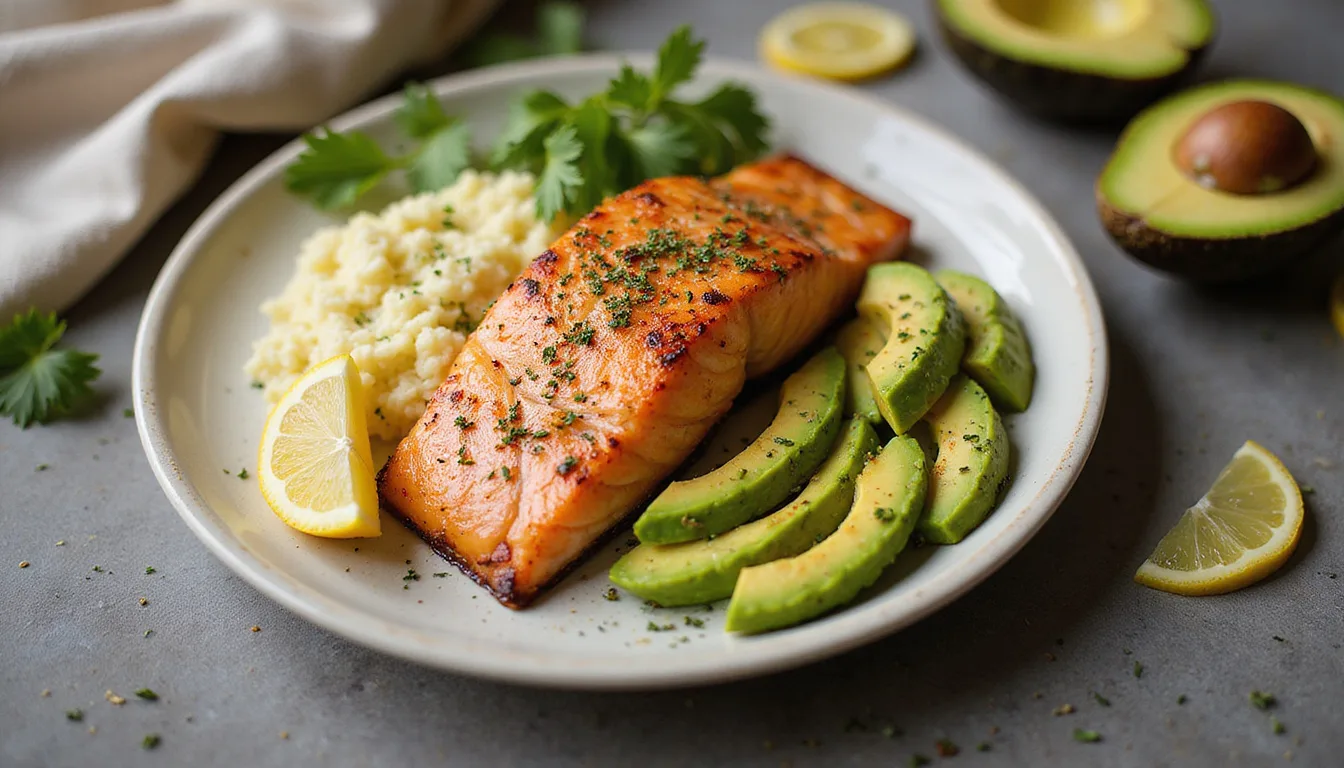

If you love fat burning and appetite control on keto but miss eating carbs—or if you feel stuck—cyclical keto might work for you. This method mixes in planned high‐carb days. It helps your body with training, hormone balance, and muscle building while you keep to fat burning most days.
This guide shows what cyclical keto means, how it works, who it suits, and how to follow it safely and well.

─────────────────────────────
What Is Cyclical Keto?
Cyclical keto (also known as cyclical ketogenic diet or CKD) is an eating plan where you:
• Eat a strict low-carb, high-fat, moderate-protein diet for several days in a row
• Then add one or more planned high-carb refeed days
• Finally, return to strict keto
Many people follow a pattern like this:
• 5–6 days: strict keto (usually less than 20–50 g net carbs per day)
• 1–2 days: high-carb, lower-fat refeed days
This plan lets you get the benefits of burning fat while refilling muscle energy stores, supporting thyroid and reproductive hormones, and boosting training results.
─────────────────────────────
How Cyclical Keto Differs from Strict Keto and Carb Cycling
It is easy to mix these methods. Here is an explanation of the differences.
Standard Ketogenic Diet
• Carbs: Stay very low every day
• Fats: Remain high
• Protein: Remains moderate
• Goal: Stay in ketosis all the time
Many do well with this, but active people sometimes see:
• Lower training performance
• Hormone changes (especially with very low calories)
• A stall in fat loss
Carb Cycling
• Alternates among high, moderate, and low-carb days
• Does not aim for ketosis
• Often pairs with strength training for cutting or bulking cycles
In carb cycling, you may not appear in ketosis because carb intake is not kept very low.
Cyclical Keto
• Uses a keto approach with planned high-carb refeeds
• Keeps you in ketosis most days but lets you leave it on carb days
• Uses carbs to support training and hormone balance, not on a daily basis
Think of cyclical keto as strict keto with a built-in carb boost.
─────────────────────────────
Why Use Cyclical Keto? Science-Backed Benefits
Although long-term research on cyclical keto is limited, studies on ketogenic diets, refeed days, and sports nutrition do show clear help.
1. Training Performance
Keto helps your body burn fat, but high-intensity work still needs muscle energy (glycogen). Low glycogen can lower:
• Sprint speed
• Strength and power
• Ability to do many repetitions in the gym
With planned high-carb days, cyclical keto can:
• Refill muscle energy for heavy lifting, HIIT, or sports
• Boost your energy and the feeling of strength during exercise
• Keep your training quality high over time
2. Hormonal Support
A long match of very low carbs—especially with big calorie cuts—can change:
• Thyroid hormones (like T3)
• Leptin (the signal for energy sufficiency)
• Reproductive hormones, especially in women
Planned high-carb days seem to:
• Temporarily lift leptin and thyroid function
• Cut diet boredom and mental strain
• Help maintain a steady fat-loss phase
More research is still needed, but the supply of carbs clearly affects hormone signals.
3. Breaking Plateaus and Diet Fatigue
When progress stalls on strict keto, the cause is often:
• Overall energy balance and not just carbs
• Diet fatigue (sometimes called keto burnout)
Cyclical keto can:
• Provide planned flexibility instead of unsupervised cheat days
• Help you stay on track over time
• Allow social meals and higher-carb foods while keeping progress steady
4. Supporting Muscle Gain or Body Recomposition
Many athletes and lifters choose cyclical keto because high-carb days can:
• Fuel tough training sessions
• Help muscle recovery and growth
• Give muscles a fuller look, as glycogen brings water into muscle cells
You still spend most days in ketosis for fat loss, but avoid long stretches with very low carbs during heavy training.
─────────────────────────────
Who Is Cyclical Keto Best For?
Cyclical keto is not required for all keto fans. Many do well on strict keto. However, cyclical keto may suit you if you:
• Lift heavy (4+ days a week)
• Play high-intensity sports (like CrossFit, sprinting, or martial arts)
• Are well-adapted to keto but notice a plateau
• Are lean and want to lose the last 5–10 pounds
• Experience low energy or low drive on strict keto
• Seek more variety without leaving keto behind
It may not suit you if you:
• Haven’t first grown used to strict keto
• Rely on therapeutic ketosis (for example, for some epilepsy treatments)
• Tend to lose control when eating higher-carb foods or binge after a sugar hit
─────────────────────────────
How Cyclical Keto Works in Practice
Here is a step-by-step guide to set up cyclical keto effectively.
Step 1: Build a Strong Keto Base
Before adding high-carb days, you should:
• Stay in ketosis most days (check by using ketone tests or by noticing steady energy and less hunger)
• Keep 5–6 weeks of strict keto
• Hold steady with your usual macros and eating times
A typical keto day looks like:
• Carbs: 20–50 g net carbs
• Protein: About 0.8–1.0 g per pound of lean body mass (or 0.6–0.8 g per lb of total weight for many)
• Fat: Adjusted to your hunger and goal (more for maintenance, less for weight loss)
Step 2: Choose Your Weekly Pattern
Some common splits are:
-
5/2 Split
• 5 days of strict keto
• 2 days of higher-carb intake -
6/1 Split
• 6 days of strict keto
• 1 high-carb day -
Performance Based
• High-carb days only on your hardest training days or when you feel performance drop
Many start with the 6/1 split: one high-carb day per week with six keto days.
Step 3: Set Your Carb Refeed Days
On high-carb days, you aim to:
• Refill muscle energy
• Support hormone function
• Still avoid too much processed food or overeating
A typical high-carb day might include:
• Carbs: About 100–250+ g (this depends on body size, gender, leanness, and training volume)
• Protein: Same as on keto days
• Fat: Lower than usual, since too much fat with carbs adds extra calories
Active and lean individuals often do better with the higher carb amount.
For example, a moderately active person on a 6/1 split might plan:
• Keto days:
– ~30 g net carbs
– ~130 g protein
– ~120 g fat
• High-carb day:
– ~180 g carbs
– ~130 g protein
– ~50–70 g fat
You will likely drop out of ketosis on your carb day. Return to strict keto and you will be back in ketosis within 24–72 hours.
Step 4: Choose the Right Carb Foods
For the best results, pick carb foods that:
• Refill muscle energy quickly
• Do not cause extreme drops in blood sugar
• Bring vitamins, minerals, and fiber
Good choices include:
• White or sweet potatoes
• Rice (white or jasmine for easy digestion)
• Oats (if you can tolerate them)
• Quinoa or other gluten-free grains
• Fruits (bananas, berries, apples, pineapple)
• Legumes (if they suit your plan)
Keep an eye on:
• Refined sugars
• Foods with trans fats
• Ultra-processed baked snacks
A treat here and there is fine if it does not lead to overeating. Most of your carbs should come from whole foods.
─────────────────────────────
Sample 7-Day Cyclical Keto Plan
Below is an example of one week on cyclical keto (6 keto days and 1 refeed day). Adjust portions and amounts as needed.

Days 1–6: Strict Keto
Breakfast
• 3 eggs cooked in butter or ghee
• 2 slices of bacon or sausage
• Half an avocado
Lunch
• Grilled chicken thigh
• Leafy greens with olive oil and vinegar
• A handful of olives or nuts
Snack (optional)
• Cheese slices or full-fat unsweetened Greek yogurt
• Or a small serving of macadamia nuts
Dinner
• Salmon or steak
• Roasted low-carb vegetables (like broccoli, zucchini, or asparagus) cooked in olive or coconut oil
Carb intake remains low (20–30 g net carbs), protein is moderate, and fat is high.
Day 7: Carb Refeed Day (Timed with a Hard Training Session)
Pre-Workout Breakfast
• ½–1 cup cooked oats with berries and a scoop of whey or collagen
• 1–2 whole eggs on the side
Post-Workout Meal
• Grilled chicken or lean beef
• 1–2 cups cooked white rice or potatoes
• A green vegetable (like green beans or salad)
Snack
• A piece of fruit (banana, apple, or orange)
• Low-fat Greek yogurt
Dinner
• Baked cod or chicken breast
• A sweet potato or roasted potatoes
• Mixed vegetables
Keep the fat content lower on this day while protein stays similar and carb amounts rise.
─────────────────────────────
Common Mistakes to Avoid on Cyclical Keto
Even a good plan can go wrong if you are not careful. Watch out for these pitfalls:
-
Treating high-carb days like cheat days
• Overeating pizza, sweets, or alcohol can undo your progress.
• Stick to a planned, measured high-carb day. -
Skipping the strict keto base
• If you do not practice strict keto long enough, high-carb days can keep you from using fat as fuel.
• Build at least 4–6 weeks of strict keto first. -
Overestimating your carb needs
• Many do not need 400–500 g of carbs unless very lean and very active.
• Start with 100–150 g, then see how you feel. -
Not cutting fat on high-carb days
• Too much fat plus too many carbs can add extra calories and lead to fat gain.
• Keep fat moderate on these days. -
Ignoring your body’s signals
• If high-carb days cause strong cravings, overeating, or mood changes, adjust the frequency or size of refeed days.
• Try fewer or smaller high-carb days, or stick with strict keto if needed.
─────────────────────────────
How to Know If Cyclical Keto Is Working
Watch these signs:
• Performance
– Are your lifts, sprints, or workouts staying strong or improving?
• Body Composition
– Are your measurements, body fat, or progress photos showing change?
• Energy and Mood
– Do you feel less tired and more ready to train?
• Hormonal Signals
– For women: Are cycles more regular with fewer low-energy signs?
– For men: Do you maintain good drive and a steady mood?
If needed, adjust:
• Carb amounts and how often they come
• Timing of high-carb days (for example, on heavy training days)
• Total calories
Find a routine that gives you clear gains and fits your style.
─────────────────────────────
Safety and Special Considerations
For People with Medical Conditions
If you have:
• Diabetes or insulin resistance
• Risk factors for heart disease
• A history of eating challenges
• Thyroid or hormonal concerns
Talk with a healthcare professional before starting cyclical keto, especially when using high-carb days.
Electrolytes and Hydration
Changing from ketosis to non-ketosis affects:
• Water levels
• Electrolytes such as sodium, potassium, and magnesium
You might help by:
• Salting food to your taste on keto days
• Including vegetables rich in potassium
• Taking a magnesium supplement if needed
• Drinking plenty of water, especially on high-carb days and during training
Considerations for Women
Some women may feel more sensitive to:
• Long periods of very low carbs
• Large calorie cuts
Cyclical keto may fit if you:
• Start with milder high-carb days (around 80–150 g carbs)
• Watch your cycle, mood, and overall energy
• Ensure you get enough calories overall and not only focus on carbs
─────────────────────────────
FAQ: Cyclical Keto and Smart Carb Refeeds
1. Is cyclical keto better than a strict ketogenic diet for fat loss?
None of these methods fits everyone. Cyclical keto can suit some people by:
• Helping them work hard and keep muscle
• Providing a plan that feels flexible over time
Strict keto may work best if you:
• Need to lose a significant amount of weight
• Are less active
• Prefer a simple plan with the same macros every day
Choose the method that fits your lifestyle while keeping your calories aligned with your goals.
2. Can I build muscle on a cyclical ketogenic diet?
Yes. Many lifters use cyclical keto for muscle gain by:
• Staying in ketosis most days to keep lean
• Using high-carb days on hard training for extra energy and recovery
• Keeping protein at a steady level and calories at maintenance or a slight surplus on workout days
Make sure you:
• Progress in your lifts
• Time high-carb days near your workouts
• Avoid being too low in calories all the time
3. How often should I have a high-carb day on cyclical keto?
The frequency depends on:
• Your training and intensity
• Your body fat levels
• How you respond to carbs
General guidelines suggest:
• Very active or lean individuals: 1–2 high-carb days each week (such as the 6/1 or 5/2 split)
• Moderately active individuals: One high-carb day every 7–10 days
• Less active individuals: Use smaller or fewer high-carb days—or stick with strict keto
Watch your performance, hunger, and body changes to adjust the plan.
─────────────────────────────
Take Action: Try Cyclical Keto with Care, Not on a Whim
If you find that strict keto no longer pushes your progress, if your training feels weak, or if you need more variety, cyclical keto gives you a set plan to bring in more carbs.
Start by:
- Following strict keto for 4–6 weeks to become fully fat-adapted
- Adding one planned high-carb day per week around your toughest training session
- Choosing mainly whole-food carbs and keeping fat lower on these days
- Tracking your energy, training, and body changes for 4–8 weeks before you adjust
Use cyclical keto as a tool with clear steps. With planned high-carb days and careful tracking, you can improve your body shape, support your hormones, and enjoy both the steady state of keto and the boost from extra carbs.
Plan your first 6-week cyclical keto schedule today—set your keto base, pick your high-carb day, and start with clear, direct steps.
[center]Always consult with your doctor prior to making drastic diet changes.[/center]
[center]As an Amazon Affiliate, Savvy Keto makes a small commision (at no extra cost to you) on any purchases you make thru affiliated links you click on.[/center]