Insulinogenic Foods in Your Diet Secretly Sabotaging Weight Loss
When you eat healthy yet the scale does not change, some foods may work against you. Some foods push your pancreas to release much insulin. This action can stop fat loss, even when you watch your calories. It helps to know how these foods work and how to control them for easier, lasting weight loss.
What Are Insulinogenic Foods?
Insulinogenic foods make your pancreas work hard after you eat them. Most think of carbohydrates when they hear insulin. Protein and some fats can also make your body release insulin.

In short:
• Insulinogenic foods push a high insulin release.
• High insulin makes tapping stored fat hard.
Insulin is needed for life. When your insulin stays high often, your body stays in storage mode instead of burning fat.
Why Insulin Matters So Much for Weight Loss
To see how such foods may sabotage weight loss, see what insulin does:
• It helps move sugar into cells, like muscles and the liver.
• It moves extra energy into storage as fat.
• It keeps your body from breaking down stored fat.
When insulin is high:
- Your body burns the sugar from food first.
- Fat cells hold on tight, making fat hard to use.
- Low blood sugar later makes you feel tired and hungry.
If you eat many meals and snacks, your body rarely gets a long break from high insulin. This makes it hard to switch to burning fat, even if you eat less overall.
How Insulinogenic Foods Secretly Sabotage Weight Loss
Many foods on a diet plan raise insulin more than you think. They work quietly, like this:
1. They Keep You in Storage Mode All Day
When you lose fat well, you see this pattern:
• A short rise in insulin when you eat.
• A long drop in insulin between meals.
Insulinogenic foods, eaten too often, cut short the low-insulin time. This keeps your body from using stored fat. This is common with snacks like fruit juice, granola bars, or “light” yogurt.
2. They Can Increase Hunger and Cravings
Big insulin rises make your blood sugar swing:
• Your blood sugar goes up fast.
• The insulin rise brings it down a lot.
• Your blood sugar falls hard later.
• You feel tired and want more quick carbs.
This is not about willpower but the way your body works with insulin and sugar.
3. They Mask Progress Despite a Calorie Deficit
Two people can eat the same calories when their food types differ:
• Person A eats mostly low-insulin foods and few snacks.
• Person B eats many insulin-raising foods all day.
Person B may lose fat slowly and feel hungrier. While calories count, your body shows a different response when insulin is high.
Common Insulinogenic Foods People Misjudge as “Safe”
Not every insulinogenic food is bad. If weight loss stalls, it is good to know where these foods hide.
Refined Carbohydrates and Sugars
These are the most clear insulin drivers:
• White bread, bagels, and pasta
• Breakfast cereals, even “whole grain” ones that change fast.
• Pastries, cookies, cakes, and donuts
• Soda, sweet tea, sports drinks, and energy drinks
• Candy and chocolate bars with extra sugar
They digest fast and spike your blood sugar, which means a high insulin spike.
“Healthy” High-Carb Foods
These fit in a good diet but still make insulin rise:
• Oatmeal and many breakfast cereals
• Whole grain bread and wraps
• Brown rice and quinoa
• Potatoes, sweet potatoes, and starchy vegetables
• Lots of fruit, especially juices and dried fruit
These foods are safe in small amounts. How much you eat and what you eat with can hide their effect on weight loss.
Low-Fat and “Diet” Products
Low-fat or diet foods can have more effect than full-fat versions. They swap fat with sugars or refined starches:
• Flavored low-fat yogurt
• Salad dressings that use sugar or corn syrup
• Reduced-fat peanut butter with extra sugar
• Snack packs like crackers, cookies, or pretzels
• Low-fat frozen dinners with much pasta or rice
Even when you cut fat and calories, the insulin effect can remain high.
Certain Protein-Rich Foods
Protein helps you build muscles. Yet some protein foods still drive insulin higher, especially with carbs:
• Flavored protein shakes with sugar
• Protein bars with syrups or extra sugars
• Lean meats with high-carb sauces or sides, like teriyaki chicken with white rice
• Fat-free dairy such as milk or yogurt when eaten in large amounts
Protein usually gives a small insulin rise. Mix it with sugars or starches, and the effect grows.
Distinguishing Insulinogenic Foods from Simply “High-Carb” Foods
It is easy to think that carbs always raise insulin. The fact is more mixed.
Things that shape a food’s insulin effect:
• How fast the food raises blood sugar.
• The portion size.
• Fiber, fat, or protein, which slow digestion.
• Food processing, as more processed foods usually raise insulin faster.
A whole apple, with fiber and water, makes insulin rise less than apple juice. Steel-cut oats work slower than instant sweetened oats.
You do not have to cut these foods out. Just see the form (whole versus processed) and the mix with other nutrients.
How to Tell if Insulinogenic Foods Are a Problem for You
Each body handles insulin in its own way. Some signals that these foods may slow your weight loss are:
• You feel very hungry one to three hours after meals, especially those high in carbs.
• You have low energy in mid-afternoon and reach for caffeine or sugar.
• You gain weight easily around the waist.
• Lab tests show high fasting insulin, blood sugar, or A1c.
• You exercise and watch calories, but fat loss does not happen.
If you see these signs, think about not just calories but also how meal type works with insulin.
Strategies to Reduce the Impact of Insulinogenic Foods
You do not need an extreme low-carb plan. Be deliberate about what, when, and how you eat.
1. Include Protein and Fiber at Each Meal
Protein and fiber calm blood sugar rises and keep you full:
• Aim for 20–35g of protein at each meal. Options include chicken, fish, eggs, Greek yogurt, or tofu.
• Add fiber-rich vegetables like broccoli, greens, peppers, or cauliflower.
• Use legumes such as lentils or chickpeas, and pick whole foods over refined carbs.
This pattern cuts the insulin rise of the carbs you include.
2. Swap Processed Carbs for Whole Foods
Instead of cutting carbs, choose foods that give a lower insulin load:
• Use whole-grain or sprouted bread in small amounts instead of white bread.
• Pick steel-cut oats with some berries and nuts.
• Choose whole fruits instead of juices or dried versions.
• Enjoy boiled or roasted potatoes with the skin, not fries or chips, and keep the amount small.
3. Cut Down on Snacking and Focus on Meals
Each time you eat, insulin rises. Frequent snacking, even on foods that seem safe, can keep levels high.
• Stick to two to four satisfying meals instead of many small eating events.
• If you snack, choose nuts, cheese, hard-boiled eggs, or raw veggies with hummus.
• Allow three to five hours between meals with no calories when you can.
4. Use Fat in a Measured Way
Fats cause a small insulin rise. Adding a moderate amount of healthy fat with protein and fiber slows digestion and steadies blood sugar:
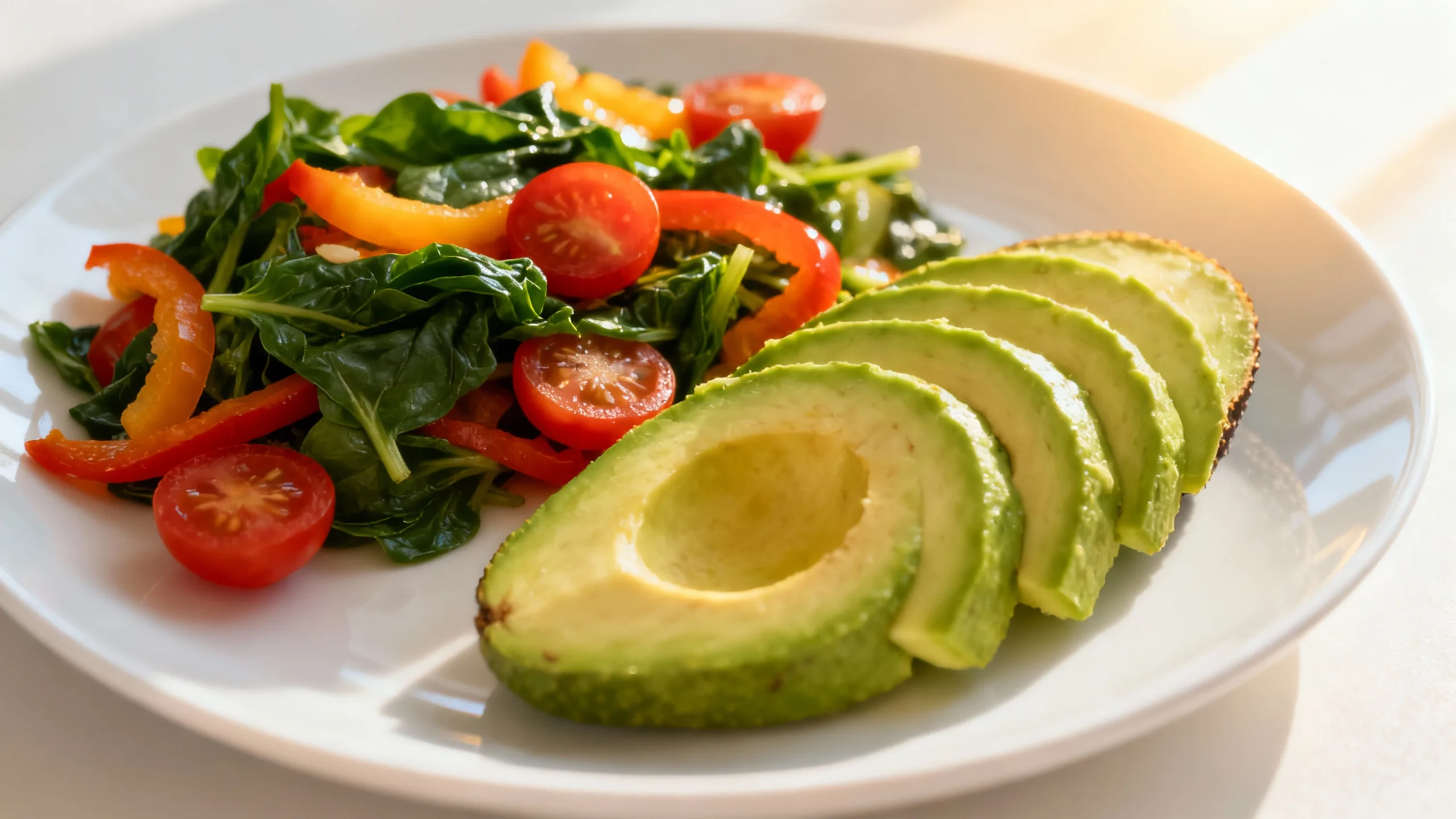
• Use small portions of avocado, olive oil, nuts, or seeds.
• Do not mix high fat with high sugar or refined carbs, like in donuts or pastries.
5. Pick the Right Time for Insulinogenic Foods
Most people manage carbs best at a certain time:
• Eating them earlier in the day works well for many.
• They can work well around workouts, especially weight training, when muscles use sugar best.
If you want more foods that raise insulin, try having rice, pasta, or potatoes at lunch or after exercise. Keep dinner lower in starchy carbs and higher in protein, vegetables, and healthy fats.
Sample Day: Lowering Insulinogenic Load Without Going Extreme
Here is one way to plan your day while still eating some of these foods.
Breakfast (high protein, some carbs)
• Unsweetened Greek yogurt
• A small mix of berries
• A light sprinkle of chia seeds and a few walnuts
Lunch (protein with fibrous carbs)
• Grilled chicken or tofu
• A large salad with greens, cucumbers, tomatoes, and peppers
• A drizzle of olive oil with vinegar
• A small side of quinoa or beans
Snack (low insulin impact)
• Celery sticks with natural peanut butter
• Or a small handful of almonds
Dinner (lower carb, more protein and vegetables)
• Baked salmon or tempeh
• Roasted broccoli and cauliflower
• A side salad with olive oil and lemon
This plan is not a no-carb plan. It is a better way of eating that cuts down on insulin spikes while still giving you food.
Balancing Insulinogenic Foods with Your Lifestyle
There is more than one way to balance these foods. Some plans include:
• A moderate-carb, higher-protein style that keeps some insulin-raising foods but controls parts and timing.
• A lower-carb plan that limits these foods for those with insulin challenges (only with professional advice).
• A Mediterranean style that uses whole foods, olive oil, fish, legumes, and moderate whole grains to keep blood sugar effects small.
Many studies support the idea of cutting down on refined carbohydrates and added sugars. This approach helps your body work better and may help with weight control.
The best plan is the one you can keep over time. It should help your lab numbers and make you feel good without relying on strict willpower.
FAQ: Insulinogenic Foods and Weight Loss
1. Are all insulinogenic foods bad for weight loss?
No. Many healthy foods like fruits, beans, and whole grains raise insulin. They still work well for weight loss when you keep portions small, mix them with protein, fiber, and healthy fats, and avoid eating them too often.
2. What are some low-insulin impact foods I can eat freely?
Foods that usually have little effect on insulin include:
• Non-starchy vegetables: leafy greens, broccoli, zucchini, cauliflower, and cucumbers
• Proteins: eggs, meat, poultry, fish, tofu, or tempeh
• Fats: olive oil, avocado, nuts, or seeds
• Some full-fat dairy like cheese or plain Greek yogurt (if you can eat them)
These foods help keep insulin steady and make you feel full.
3. How can I cut back on insulinogenic foods without removing carbs completely?
You can:
• Swap refined carbs for whole foods (for example, fruit instead of juice or oats instead of sweetened cereal).
• Eat most of your carbs with meals rather than as separate snacks.
• Put more protein and vegetables on your plate and keep starchy carbs to a small amount.
• Time your highest carb foods around exercise and pick lower-carb options at other meals.
Take Control of Insulinogenic Foods and Unlock Easier Fat Loss
If losing fat feels hard, look at the role of insulin-raising foods. By cutting back on highly processed carbs and constant snacking, and by adding protein and fiber at meals, you help your body use stored fat rather than keep it.
You do not have to be perfect. With steady, smart choices, you can help your body use its energy better. Start by finding the foods that raise insulin the most in your diet—sugary drinks, refined snacks, and many so-called “diet” foods—and switch one or two for lower insulin alternatives this week. Then, build a plan that works with your body.
If you want help, share a typical day of eating. I can then help you find the highest insulin-impact foods and adjust your meals so they work with your body, not against it.
[center]Always consult with your doctor prior to making drastic diet changes.[/center]
[center]As an Amazon Affiliate, Savvy Keto makes a small commision (at no extra cost to you) on any purchases you make thru affiliated links you click on.[/center]