Starchy Vegetables: Smart Swaps That Boost Energy and Keep You Full
Starchy vegetables get a bad name in nutrition. Many people group all starchy vegetables as “bad carb” or “fattening” and then avoid them. When you choose wisely and eat the right amounts, they turn into filling, energy-boosting foods.
This guide shows how starchy veggies work in your body, which ones supply long-lasting energy, and smart swaps that keep you full longer—without any sense of loss.
What Are Starchy Vegetables, Exactly?

Vegetables join two groups:
- Non-starchy vegetables: leafy greens, broccoli, zucchini, peppers, cucumbers, etc. These hold very low calories and carbs.
- Starchy vegetables: hold more carbohydrates and calories, and also some vitamins, minerals, and fiber.
Common starchy vegetables include:
- Potatoes (white, red, gold, purple)
- Sweet potatoes and yams
- Corn
- Green peas
- Winter squash (butternut, acorn, kabocha, pumpkin)
- Plantains
- Parsnips
Their higher carbs make them affect blood sugar and insulin more than non-starchy vegetables. They act much like whole grains. They fuel the body, add fiber, and give micronutrients.
Why Starchy Vegetables Matter for Energy and Satiety
Carbohydrates fuel the body with quick energy. Starchy vegetables bring:
- Glucose for fuel – a must for the brain and nerves.
- Fiber – slows down digestion, stops quick blood sugar changes.
- Resistant starch – in some cases feeds good gut bugs and aids the body.
- Potassium, vitamin C, B vitamins, and antioxidants – help nerve work, energy use, and repair.
Whole-food starchy vegetables work better than refined carbs (like white bread or pastries). They give steady energy and keep you full longer without a sudden drop.
Starchy vs. Non-Starchy Vegetables: How to Balance Your Plate
You can use both. A good plate mixes them:
- ½ plate non-starchy vegetables (leafy greens, broccoli, peppers, etc.)
- ¼ plate starchy vegetables or whole grains
- ¼ plate protein (fish, chicken, tofu, beans, eggs, etc.)
- A thumb-sized bit of healthy fats (olive oil, avocado, nuts, seeds, etc.)
This mix keeps calories in check, helps with blood sugar, and uses starchy vegetables in the right amount.
The Glycemic Impact: Not All Starchy Vegetables Are Equal
The glycemic index (GI) shows how fast a carb food raises blood sugar. The glycemic load (GL) checks the portion size too.
Higher-GI starchy vegetables can spike blood sugar if they come alone:
- Russet potatoes (baked or mashed without skin)
- Overcooked potatoes and fries
- Instant mashed potatoes
- Cornflakes or refined-corn items
Lower or moderate GI/GL choices include:
- Sweet potatoes (when boiled or roasted)
- New potatoes or waxy potatoes with skin
- Butternut and acorn squash
- Lentils and beans (often used like vegetables)
- Peas
The GI of starchy vegetables falls when you:
- Add protein (fish, chicken, beans, tofu)
- Add fat (olive oil, avocado, nuts)
- Use fiber (veggie skins, salads, whole grains)
- Cool and reheat some starches (like potatoes made in a salad)
Smart Starchy Vegetable Swaps for Lasting Energy
Try these swaps to keep taste and add fiber, nutrients, and lasting fill.
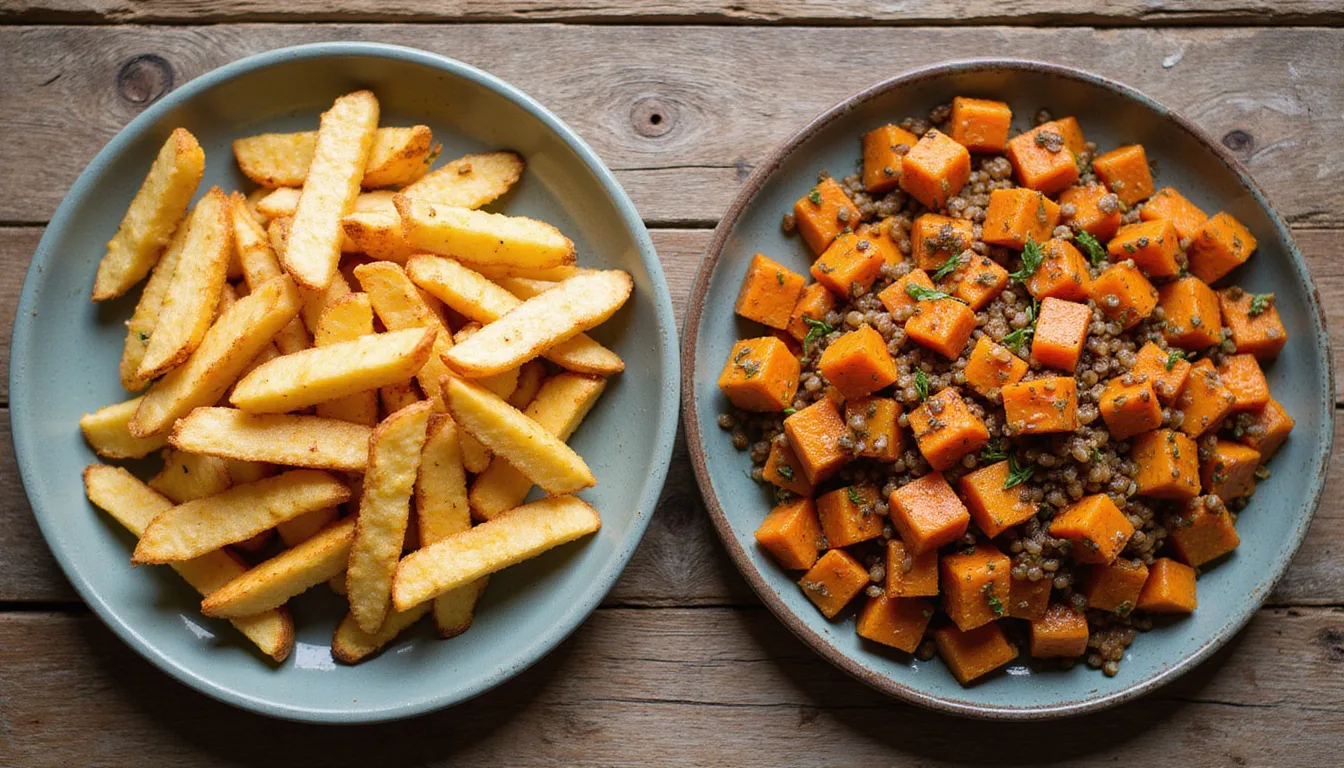
1. Swap Regular Fries for Roasted Potato Wedges with Skin
- Instead of: Deep-fried French fries
- Try: Oven-roasted potato wedges with skin, tossed in olive oil, salt, and spices
Key Points:
- The skin gives extra fiber and minerals like potassium.
- Baking lowers extra fats.
- A side of protein (like grilled chicken or a veggie burger) slows digestion and fills you up.
2. Swap White Mashed Potatoes for Half-Cauliflower, Half-Potato Mash
- Instead of: Mashed potatoes made from only peeled white potatoes and heavy cream
- Try: A mix of potatoes (with some skin) and steamed cauliflower, mashed with olive oil or a little butter
Benefits:
- Fewer carbs and calories in each scoop.
- More fiber and micronutrients from cauliflower.
- The mix still feels like a comfort food with a creamy texture.
3. Swap Plain Rice for Starchy Veggie “Grain” Bowls
- Instead of: A large bowl of white rice as the main starch
- Try: Mix or replace part of the rice with:
- Roasted sweet potato cubes
- Steamed or roasted butternut squash
- Green peas or corn kernels
This swap adds fiber, vitamins A and C, and potassium. It also gives a thicker texture that fills you.

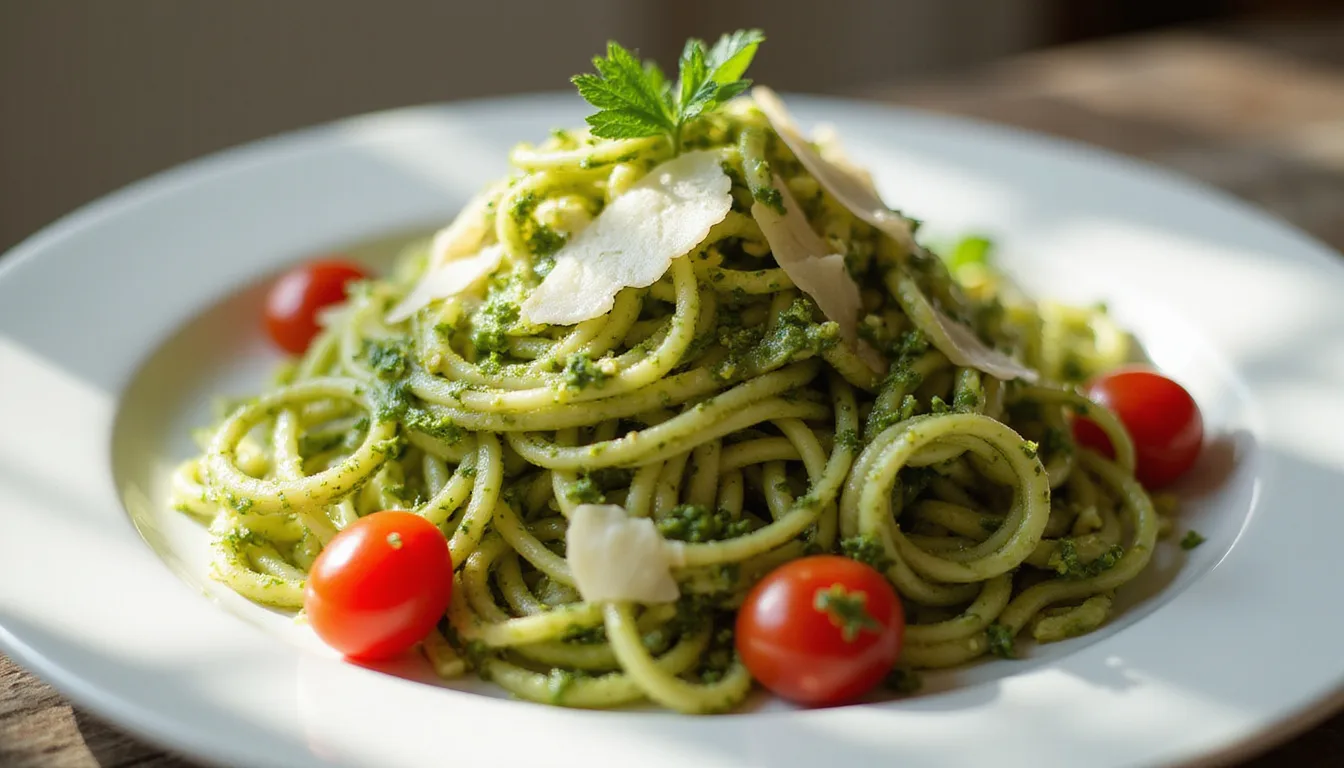
4. Swap Refined Pasta for Squash-Based Bowls (Plus Some Pasta)
- Instead of: A big bowl of refined white pasta
- Try: A bowl with spaghetti squash or spiralized butternut squash as the base, and a small portion of pasta mixed in
This change:
- Lowers refined carbs while keeping a pasta feel.
- Adds fiber and antioxidants from squash.
- Fits well with tomato sauce and protein like meatballs or lentils.
5. Swap Sugary Desserts for Naturally Sweet Starchy Vegetables
- Instead of: Cookies or cake for a quick energy fix
- Try: A baked sweet potato topped with:
- A spoon of Greek yogurt with cinnamon
- Some chopped nuts
- A small drizzle of maple syrup if desired
You get natural sweetness with fiber, micronutrients, protein, and healthy fats for a firmer energy lift.
The Best Starchy Vegetables for Energy and Fullness
Some starchy vegetables work best for long energy and to fill you up:
Sweet Potatoes
- Hold fiber, especially with skin.
- Carry beta-carotene (vitamin A), vitamin C, and potassium.
- Bring a lower GI than many white potatoes when boiled or roasted.
- Mix with protein (e.g. black beans, grilled salmon, eggs).
Potatoes with Skin (Especially Waxy or New Potatoes)
- Form more resistant starch when cooked and then cooled (like a potato salad with olive oil).
- The skin adds fiber and minerals.
- Boiling, steaming, or roasting works best over frying.
- How you cook them and what you eat with matters more than the potato on its own.
Winter Squash: Butternut, Acorn, Kabocha
- Taste naturally sweet and can stand in for grains.
- Bring complex carbs and fiber for slow energy.
- Provide vitamin A, vitamin C, and antioxidants.
Green Peas
- Technically belong with beans, yet used as a vegetable.
- Give a mix of protein and fiber to fill you.
- Work well in grain bowls, salads, and soups.
Corn (On the Cob or Kernels)
- Supply carbs for energy plus fiber, B vitamins, and antioxidants like lutein.
- Grilled or steamed corn on the cob with some protein fills you well.
Portion Size: How Much Starchy Veg Is Enough?
A typical serving for most adults is:
- About ½ to 1 cup cooked, or
- Near the size of your cupped hand
How many servings you take depends on:
- Your activity
- Total calorie needs
- Health aims (like blood sugar control, weight loss, or gain)
For steady energy and fullness, many feel best with:
- 1–2 servings of starchy vegetables or whole grains per meal, paired with protein, non-starchy veggies, and healthy fats.
Active people may eat more; if you watch blood sugar or weight, you may choose the smaller serving and add fiber and protein.
Timing Your Starchy Vegetables for Peak Energy
When you eat starchy vegetables can make a difference:
-
Morning or midday:
Starchy vegetables at breakfast or lunch give steady energy for work, school, or training. -
Before exercise (60–90 minutes earlier):
A small amount of starchy vegetables with protein—like half a baked potato with cottage cheese or sweet potato with eggs—helps power your workout. -
After exercise (within 2 hours):
Eating starchy vegetables helps restore muscle energy, especially when paired with protein. Think baked sweet potato with chicken, or a bowl of peas, quinoa, and tofu. -
Evening meals:
Use starchy vegetables at dinner, but keep portions moderate. Pair with non-starchy veggies and protein to avoid feeling heavy.
How to Pair Starchy Vegetables for Maximum Fullness
Pairing wisely brings the best results:
-
With protein:
It slows digestion, stops rapid blood sugar jumps, and fills you up.
For example: Potatoes with fish, peas with eggs, squash with lentils. -
With healthy fats:
It adds a pleasant feel and helps with the uptake of vitamins that need fat.
For example: Olive oil on roasted squash, butter on potatoes, avocado with corn. -
With fiber-rich non-starchy veggies:
It increases the meal volume without extra calories.
For example: A large salad with roasted sweet potato; a stir-fry with broccoli and a side of peas.
A simple rule is:
Starchy veg + Protein + Healthy fat + Non-starchy veg = Long-lasting energy and fullness
Practical Meal Ideas Featuring Starchy Vegetables
Try these ideas to build balanced meals:
-
Breakfast: Sweet Potato & Egg Skillet
- Sauté cubed sweet potatoes and onions in olive oil.
- Add spinach and top with one or two eggs.
- Sprinkle salt, pepper, and a little cheese if you like.
-
Lunch: Potato & Salmon Power Bowl
- Base: Roast baby potatoes with skin.
- Mix in: Greens, cherry tomatoes, and cucumbers.
- Top with cooked, flaked salmon.
- Drizzle with olive oil, lemon juice, and herbs.
-
Dinner: Butternut Squash Lentil Curry
- Simmer lentils with cubed butternut squash, tomatoes, coconut milk, and curry spices.
- Serve with a small scoop of brown rice or more roasted squash.
-
Snack: Pea & Feta Stuffed Avocado
- Mash cooked peas with feta, a squeeze of lemon, and herbs.
- Fill the avocado halves with the mix for a fiber and protein boost.
-
Side Dish: Corn and Black Bean Salad
- Mix corn kernels, black beans, diced peppers, red onion, cilantro, lime juice, and olive oil.
- Serve with grilled chicken or tofu.
One Simple Framework: “Swap, Shrink, and Support”
Use this three-step plan with starchy vegetables:
-
Swap refined carbs for starchy vegetables.
- For example: Replace part of your white pasta with roasted butternut squash cubes.
-
Shrink the portion if you tend to overeat.
- For example: Use a moderate scoop of mashed potatoes and fill the rest of your plate with non-starchy vegetables.
-
Support the meal with protein, fat, and fiber.
- For example: Add grilled chicken and a large salad, and use olive oil or nuts for fat.
Quick Reference: Smart Starchy Veg Strategies
- Pick whole, lightly processed starchy vegetables when you can.
- Use boiling, steaming, baking, or roasting; skip deep-frying.
- Keep the skin on potatoes and some squash for extra fiber.
- Combine with protein, other veggies, and healthy fats for better blood sugar control.
- Try cooking, cooling, and then reheating potatoes or rice to raise resistant starch levels.
- Use starchy vegetables to replace refined carbs but do not cut out other vegetables.
FAQ: Starchy Vegetables and Your Diet
-
Are starchy vegetables bad for weight loss?
Starchy vegetables can help with weight loss when used correctly. They fill you more than many refined carbs because of their fiber and nutrients. Watch your portions and mix them with protein and non-starchy veggies. Eating too much—especially fried versions or ones with heavy sauces—can work against your goals. -
What are the healthiest starchy vegetables to eat daily?
Healthy picks include sweet potatoes, new potatoes with skin, winter squash (butternut, acorn, kabocha), and green peas. They bring fiber, vitamins (especially A and C), minerals like potassium, and antioxidants. Rotating these choices keeps your meals varied. -
How can I eat starchy vegetables without spiking my blood sugar?
Try these steps:
• Pair with protein (such as fish, chicken, tofu, or beans) and a bit of fat (like olive oil, nuts, or avocado).
• Include plenty of non-starchy vegetables to add fiber and volume.
• Prefer boiling, steaming, or roasting over frying.
• Consider cooking and then cooling potatoes or rice to boost resistant starch, which softens blood sugar changes.
Turn Starchy Vegetables into Your Allies
Use starchy vegetables with clear intent instead of fear. Swap them in for refined carbs, keep portions in check, and mix in protein, fiber, and healthy fats. This change gives you steady energy, smoother blood sugar, and a feeling of fullness that lasts.
Begin with one meal today. Choose one simple smart swap—maybe roasted sweet potatoes instead of fries, or a half-potato, half-cauliflower mash at dinner. Then add more over time. Small, steady changes can shift your energy, hunger, and overall health.
Ready to try it? Pick two starchy vegetables you like, plan them into your next three meals using the “Swap, Shrink, and Support” plan, and feel the true boost in energy and fullness.
[center]Always consult with your doctor prior to making drastic diet changes.[/center]
[center]As an Amazon Affiliate, Savvy Keto makes a small commision (at no extra cost to you) on any purchases you make thru affiliated links you click on.[/center]