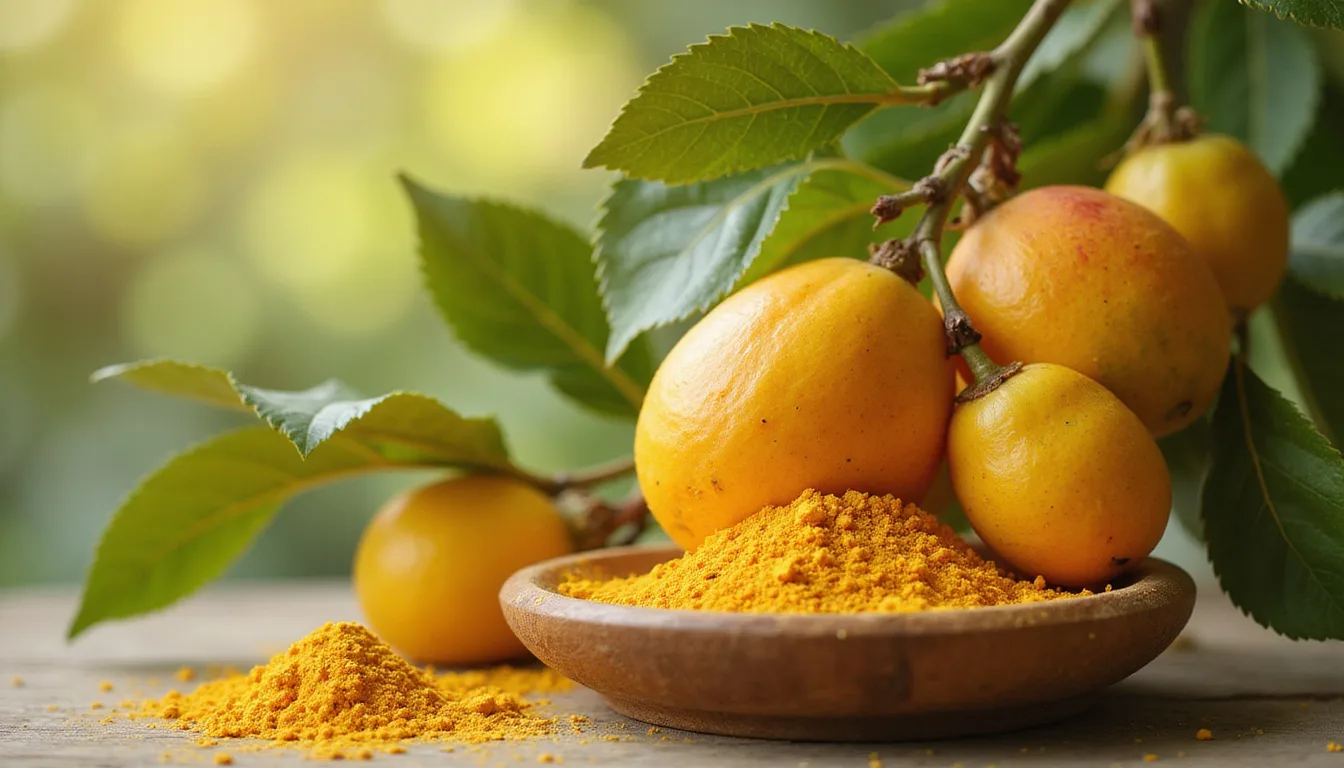
Monk fruit becomes a popular natural sugar substitute. Its small, green melon carries a strong sweet taste but no calories. It does not raise blood sugar. It fits many diets and lifestyles. This guide shows monk fruit’s benefits, safety, and ways to use it at home.
What is monk fruit?
Monk fruit grows in southern China and northern Thailand. It has been used in Chinese medicine for many years. People use it to ease sore throats and coughs.

The strong sweetness comes from plant compounds known as mogrosides. These compounds come from the dried fruit. They are between 150 and 250 times sweeter than table sugar. They add almost no calories or digestible carbs.
Most products on shelves are not pure extract. These products mix:
• Monk fruit extract (for sweetness)
• A bulking agent such as erythritol, allulose, or dextrose (to add volume and mimic sugar’s texture)
This mix makes it important to read labels. Different blends change how the sweetener works in recipes and may not suit every diet.
How monk fruit sweetens without sugar or calories
Sugar has glucose and fructose that your body uses as energy. Monk fruit works in a different way:
- Mogrosides are not simple sugar.
- They pass through your digestive system mostly unchanged.
- Gut bacteria break them into small parts, which you then excrete.
- They do not add much glucose into your blood.
This process means monk fruit gives sweetness without a rise in blood sugar or insulin. It also adds hardly any calories. People with diabetes, those who watch their weight, or anyone reducing sugar may choose monk fruit.
The U.S. Food and Drug Administration (FDA) has listed monk fruit extract as Generally Recognized as Safe (GRAS) for use as a sweetener (source: FDA).
Health benefits of monk fruit
Monk fruit is used as a sugar substitute, yet research shows a few health perks. These benefits come from the properties of mogrosides.
1. Zero sugar with little impact on blood glucose
Monk fruit sweetener lacks real sugar. This means:
• It does not cause a spike in blood glucose.
• Mogrosides have only a small effect on blood sugar and insulin.
• Blends with erythritol or allulose also keep blood sugar low.
This quality helps:
• People with type 2 diabetes or prediabetes (with medical advice)
• Those on low‑carb or ketogenic diets
• Anyone who wants to avoid blood sugar swings
Even for those with diabetes, it is wise to check other ingredients in the product.
2. Helps with weight control by cutting added sugar
Monk fruit can lower calorie intake from added sugars. Using it in drinks and desserts may:
• Cut daily calories
• Ease strong sugar cravings
• Help you keep or lose weight when combined with a healthy lifestyle
Monk fruit does not burn fat; it only adds sweetness without extra calories. Weight control still depends on overall diet, exercise, sleep, and stress management.
3. Offers antioxidant potential
Mogrosides do more than sweeten. Early studies show they might:
• Help neutralize free radicals
• Lower markers of inflammation
• Protect some tissues
These results are promising. Human studies remain few. Think of these benefits as a bonus in a diet rich in vegetables, fruit, nuts, and seeds.
4. Is gentle on teeth compared to sugar
Table sugar feeds bacteria that harm your teeth. Sugar creates an acidic mouth environment that can lead to:
• Cavities
• Loss of enamel
• Gum issues
Replacing sugary foods with monk fruit choices may help protect your teeth. This is useful for both children and adults who are prone to cavities if they maintain proper oral hygiene.
5. May be better tolerated than some sweeteners
Some sweeteners cause gas, bloating, or stomach upset. Pure monk fruit extract:
• Is not known to cause digestive trouble when used in food amounts
• Is generally acceptable for both children and adults
Remember that many monk fruit products mix in erythritol or other agents. These additives can sometimes upset digestion if you are sensitive. Look for pure extracts or blends with allulose if you are concerned.
Is monk fruit safe? What we know so far
Monk fruit has a long history of use. Modern research supports its safety when used in food amounts.
Regulatory status and safety assessments
• The FDA has made monk fruit extract GRAS for use as a sweetener.
• Safety tests show no evidence of toxicity or cancer risk when used at normal levels.
• There is no proven harm during pregnancy, though research is limited. People who are pregnant or breastfeeding should get advice from their health provider.
Common concerns and misconceptions
• Does monk fruit cause cancer?
Studies do not support this.
• Does monk fruit affect hormones?
No solid evidence shows monk fruit interferes with hormones at food levels.
• Can children use monk fruit?
In moderation and as part of a balanced diet, monk fruit sweetened foods can be acceptable for children as a replacement for sugary snacks and drinks.
It is best to pay attention to how your body reacts and choose products with simple, clear ingredient lists.
Monk fruit compared to other sweeteners
When you choose a sweetener, you weigh taste, health, digestion, and recipe use. Here is how monk fruit compares with other options.
Monk fruit vs. sugar
• Calories & carbs: Monk fruit has almost no calories; sugar adds about 4 calories per gram.
• Blood sugar impact: Monk fruit has little effect; sugar causes spikes.
• Teeth: Monk fruit does not feed harmful bacteria; sugar does.
• Taste: Monk fruit is very sweet and may carry a slight fruity or herbal note; sugar has a classic, neutral taste.
Monk fruit vs. stevia
Both stevia and monk fruit come from plants and are very sweet. They differ in some ways:
• Taste:
– Monk fruit is often seen as clean and sweet, with a light fruity note.
– Stevia can sometimes have a bitter or licorice-like taste in high amounts.
• Blends: Both sweeteners are often mixed with fillers.
• Baking: Both work for baking, though some prefer monk fruit blends for flavor.
Some people mix both in recipes to balance sweetness and avoid any bitter aftertaste.

Monk fruit vs. erythritol and other sugar alcohols
• Digestive effects: Pure monk fruit extract is gentle. Sugar alcohols, like xylitol, sorbitol, or maltitol, may cause gas or diarrhea in larger amounts. Erythritol is usually easier on the stomach but may still affect some people.
• Blood sugar: Both monk fruit and erythritol have few effects on blood sugar.
• Use in recipes: Erythritol adds bulk and texture similar to sugar. That is why many monk fruit products mix them.
If you have IBS or sensitivity to sugar alcohols, choose monk fruit products without these additives.
How to choose a good monk fruit sweetener
Not all monk fruit products are the same. Check these points before buying:
-
Ingredients list
• Look for monk fruit extract as one of the first items.
• Watch for fillers: erythritol, allulose, inulin, dextrose, or maltodextrin.
• If you want to avoid sugar alcohols, choose blends with allulose or those with minimal extra ingredients. -
Sweetness level
• Blends labeled as “1:1 sugar replacement” measure like sugar.
• Pure monk fruit extracts are 150–250 times sweeter than sugar and need a special scoop. -
Form
• Granulated: Good for baking, coffee, or recipes needing sugar by volume.
• Powdered: Good for frostings, smoothies, or dusting desserts.
• Liquid drops: Good for drinks, oatmeal, or measured use. -
Added flavors or extras
• Some products mix in vanilla or natural flavors to change taste.
• Choose products with simple formulas if you want minimal processing.
How to use monk fruit in everyday life
Monk fruit is easy to use. Here are some everyday ideas.
1. Sweeten hot and cold drinks
Monk fruit mixes well into many drinks:
• Coffee and lattes
• Hot tea and herbal drinks
• Iced tea and cold brew
• Homemade lemonade or flavored water
• Smoothies and protein shakes
Use a small amount. Taste and then add more if needed. Many people find monk fruit sweeter than sugar, so you may need less.
2. Swap sugar in baking and desserts
Using monk fruit in baking needs a little practice. Try these tips:
• Use a 1:1 monk fruit blend that is meant for baking.
• Start by replacing 25–50% of the sugar. Use more only when you learn how it works.
• Expect a lighter color and different texture in baked goods.
• If your baked goods seem dry, add applesauce, yogurt, or a bit more fat.
3. Use in sauces, dressings, and marinades
Monk fruit mixes in small amounts like sugar. Try it in:
• Tomato sauces to cut acidity
• Stir-fry sauces
• Salad dressings like a lighter honey-mustard
• Marinades for meat, tofu, or fish
Mogrosides stay stable when heated, so monk fruit can be used in cooked dishes.
4. Add to breakfast foods
Replace sugary toppings with monk fruit:
• Sprinkle granulated monk fruit on oatmeal or chia pudding
• Stir into plain yogurt instead of buying sweetened yogurt
• Use in homemade granola or nut clusters
You can slowly adjust your taste to enjoy less-sweet foods.
5. Create lower-sugar treats for kids
Monk fruit helps lower sugar while still tasting sweet. Try these ideas:
• Make homemade popsicles with fruit, water (or milk), and monk fruit
• Bake muffins or banana bread with less sugar
• Mix monk fruit with unsweetened cocoa and milk for a light hot chocolate
Pair these treats with healthy grains, nuts, seeds, or fruits.
Practical tips for cooking and baking with monk fruit
Keep these simple rules in mind for good results:
-
Start small and adjust
Monitored amounts are best. Begin with 25–50% of the sugar the recipe calls for and add more if needed. -
Choose the right blend
• Use a baking blend or one labeled “1:1 sugar replacement” for recipes.
• For drinks, use liquid drops or fine powders. -
Consider texture and moisture
In many recipes, sugar adds both texture and moisture. If your dish seems dry or crumbly, try adding:
• An extra egg
• A spoonful of yogurt or oil
• A small mix of sugar and monk fruit if your diet allows it -
Watch for aftertaste
Different brands taste different. If one does not suit you, try another that uses a different filler, like allulose instead of erythritol.
Simple ways to get started with monk fruit today
Here are several easy swaps:
• Morning coffee: Use ½ teaspoon of a monk fruit blend. Adjust over a week until it tastes right.
• Iced tea: Brew unsweetened tea and mix in monk fruit granules or drops instead of using a sugar syrup.
• Yogurt bowl: Use plain yogurt with berries, nuts, and a small amount of monk fruit instead of buying sweetened yogurt.
• Quick dessert: Mix unsweetened cocoa, a splash of milk or plant milk, and monk fruit into Greek yogurt for a fast chocolate mousse-like snack.
Start with drinks and simple snacks before moving to more complex recipes.
FAQ about monk fruit and its use
Is monk fruit sweetener good for diabetics?
Monk fruit sweetener is seen as a good option for those with diabetes. It does not cause a large rise in blood sugar or insulin. Note that some monk fruit products include fillers like dextrose or maltodextrin, which can impact blood sugar. Check labels for total carbs and added sugars. Monitor your response and talk with your doctor.
Does monk fruit sweetener have side effects?
Most people use monk fruit without any issues. Side effects are rare when it is used in food amounts. Any issues are usually due to added ingredients like sugar alcohols. These may cause gas, bloating, or loose stools when used in large amounts. Choose products without these additives if you are sensitive.
Can I use monk fruit instead of sugar in all recipes?
You can use monk fruit in many recipes, but the results may change. Monk fruit does not caramelize or brown like sugar. It also adds little bulk and moisture when not mixed with other agents. For best results:
• Use a monk fruit baking blend.
• Replace 25–50% of the sugar at first.
• Adjust liquids and fats as needed to reach the desired texture.
Make monk fruit a smart part of your low‑sugar lifestyle
Cutting back on sugar does not mean you must give up sweetness. Monk fruit gives you intense sweetness, very few calories, and a low effect on blood sugar. Its natural source and safe profile can work well in your daily routine.
If you want to manage blood sugar, lose weight, improve your family’s health, or simply cut back on excess sugar, choose monk fruit. Pick products with clear ingredient lists and try small swaps in drinks, snacks, or simple recipes. Adjust sweetness slowly until you retrain your palate.
It is a good time to check what sweeteners you have at home. Find a monk fruit product that fits your needs. Try one recipe this week. Your body, energy, and smile may thank you.
[center]Always consult with your doctor prior to making drastic diet changes.[/center]
[center]As an Amazon Affiliate, Savvy Keto makes a small commision (at no extra cost to you) on any purchases you make thru affiliated links you click on.[/center]