Carb Blockers: Do They Really Help You Lose Belly Fat?
Carb blockers are popular. People use them to cut down on weight. The aim is to shrink belly fat. The pills let you eat bread, pasta, and sweets with fewer worries. But how do they work? Can they lower belly fat? Or is the claim just hype?
This article shows the science behind carb blockers. It explains what they do and do not do. It also shows how to use them as part of a bigger plan to lose fat.
What Are Carb Blockers?

Carb blockers are also known as starch blockers. They are pills meant to reduce how many carbs your body breaks down and takes in. Most pills focus on stopping complex carbs in foods like:
• Bread
• Pasta
• Potatoes
• Rice
• Baked goods
They come mostly from white kidney bean extract. This extract holds compounds that stop the enzyme alpha-amylase. Alpha-amylase breaks complex carbohydrates into sugars you absorb.
There is another group of products that affect blood sugar and insulin. These include:
• Berberine
• Alpha-lipoic acid (ALA)
• Chromium
• Some prescription drugs like acarbose and metformin
When many people talk about carb blockers for belly fat, they mean the white kidney bean extract type.
How Carb Blockers Work in Your Body
To see how carb blockers work, we must look at what happens when you eat carbs.
What Normally Happens When You Eat Carbs
- You eat foods that are full of starch.
- Amylase enzymes in your saliva and pancreas break starch into sugars like maltose and glucose.
- These sugars flow into your blood.
- Your blood sugar goes up and your body sends insulin to help move the sugar into cells.
- Extra calories from carbs can turn into fat, often around your belly.
What Happens When You Take Carb Blockers
Carb blockers change step 2 in the process:
• They stop some alpha-amylase enzymes.
• Some starch never breaks down into sugar.
• These undigested carbs pass into the colon. They are either:
– Used by gut bacteria (which can cause gas) or
– Left out in your stool.
In short, you get fewer calories from carbs. Over time, this can help you use up more calories than you take in.
Can Carb Blockers Target Belly Fat Specifically?
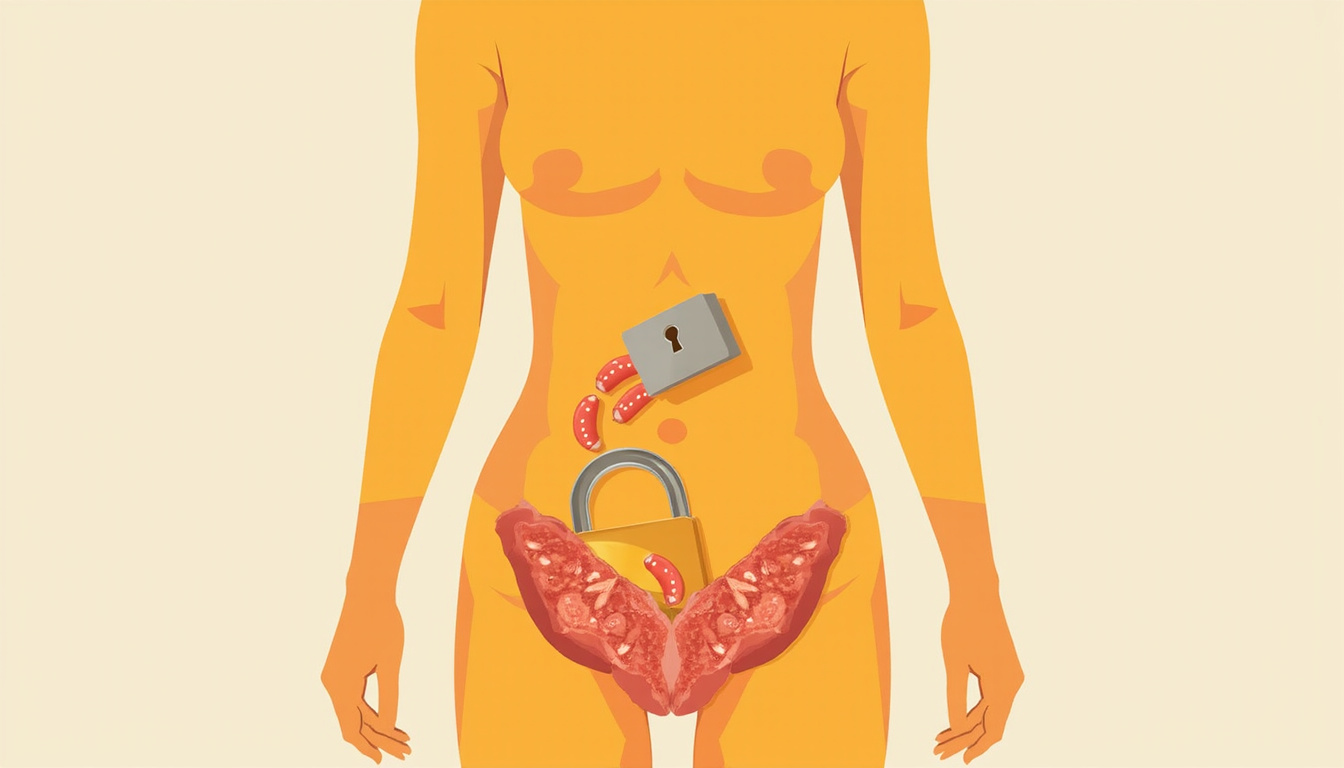
No pill can target belly fat alone. Spot reduction (losing fat from one area like the belly with a pill or certain exercise) is a myth.
Carb blockers can do a few things:
• They do not burn belly fat directly.
• They may reduce the number of calories you absorb from carbs.
• Over time, if you use fewer calories, you might lose fat all over, including your belly.
Fat storage and loss depend on hormones, genes, sleep, and stress. Carb blockers might help a little when combined with a good fat-loss plan.
What the Research Says About Carb Blockers and Weight Loss
Research on carb blockers is mixed. Most studies show only small effects. Here are key points from clinical research.
Effects on Carbohydrate Absorption
Studies on white kidney bean extract show that it can:
• Cut down how many complex carbs you break down.
• Lower the rise in blood sugar after eating starchy foods.
Some small tests saw up to 60–70% drop in alpha-amylase activity in ideal cases. In everyday use, the effect is usually smaller. It depends on dose, time, and the size of your meal.
Effects on Weight and Body Composition
Some short- and medium-term studies notice that carb blocker users:
• Lost a few more pounds than those on a placebo over several weeks.
• Had small reductions in waist size.
However:
• The extra fat loss is often small (around 1–5 pounds over weeks to months).
• Many studies come from supplement makers.
• Study groups are small and last for only a short time.
The overall view is that white kidney bean carb blockers can help with mild weight loss when used with a sound diet and lifestyle. They are not a magic solution (source: National Institutes of Health).
Do Carb Blockers Work Better for High-Carb Diets?
Carb blockers work only if you eat many complex carbs. If your diet is low in carbs, such as a keto or very low-carb plan, the pill has little to block.
They work best for people who:
• Eat moderate to high amounts of carbs.
• Often have starchy foods like bread, rice, pasta, or potatoes.
• Find it hard to cut carbs.
Keep in mind:
• Carb blockers do not stop all carb absorption.
• They only block part of the carbs you eat.
• If you eat a lot of carbs, you might get more gas and bloating.
Potential Benefits of Carb Blockers
When you use carb blockers with a good plan, they give some benefits.
1. Slight Calorie Reduction Without Big Changes
By stopping some carbs from being taken in, you may:
• Lower the calories from your meal without changing your food.
• Help steady fat loss when used with other methods.
Watch out: Some people may eat more later without noticing the effect.
2. Smoother Blood Sugar Levels
For some, carb blockers help:
• Keep blood sugar levels lower after a meal.
• Reduce the insulin surge that follows eating many carbs.
This may help with energy and appetite control. It is not a treatment for diabetes. Always talk to a healthcare provider if you have concerns.
3. Flexibility on Carb-Heavy Meals
For those who:
• Follow a plan that controls calories, and
• Sometimes enjoy a carb-rich meal (like pizza or pasta),
Carb blockers can give some peace of mind. They may reduce some of the carb impact when you eat a large meal. This only works if you keep your portions in check.
Limitations and Downsides of Carb Blockers
Carb blockers come with limits and risks.
1. They Do Not Stop All Carbs
• They work on complex starches but not simple sugars.
• Sugars from sweets, juices, and soda pass through.
• The enzyme block is partial; some carbs still get absorbed.
You can still gain weight if you eat too many calories.
2. Digestive Side Effects
When you do not break down all carbs, they reach your colon and are used by bacteria. This may cause:
• Gas
• Bloating
• Stomach cramps
• Loose stools or mild diarrhea
These effects show more if you:
• Take high doses.
• Eat very large, carb-heavy meals.
• Already have a sensitive gut.
3. A False Sense of Security
There is a risk in how people feel:
• Some may think the pill makes them immune to overeating.
• This feeling can lead to eating too much.
• Relying on a pill can distract you from building lasting habits.
4. Limited Results
Even in ideal cases, the extra fat loss from carb blockers is small. Expecting big changes from one pill is likely to cause disappointment.
How to Use Carb Blockers Safely and Effectively
If you wish to try carb blockers in your fat-loss plan, keep these tips in mind.
Choosing a Carb Blocker Supplement
Look for:
• White kidney bean extract (Phaseolus vulgaris) as the main active ingredient.
• A clear extract with detailed dosing.
• Third-party testing or quality marks if available.
• A label that lists real amounts instead of hiding them.
Typical Dosing and Timing
While doses vary, many labels suggest:
• Taking the pill before or when you start a carb meal, often 5–15 minutes before.
• Splitting the doses between your highest-carb meals.
Follow the product’s instructions closely. Do not take more than stated.
Who Should Use Caution or Avoid These Pills
Talk to a doctor before using carb blockers if:
• You have diabetes, prediabetes, or use drugs that lower blood sugar.
• You suffer from serious digestion problems like IBS or IBD.
• You are pregnant or breastfeeding.
• You use other medications that might react with the supplement.
Strategies That Actually Reduce Belly Fat (With or Without Carb Blockers)
Carb blockers are a small tool. Belly fat is best reduced by strong, healthy habits.
1. Keep a Steady, Moderate Calorie Deficit
To lose fat, you must always expend more energy than you take in. You do not need a very large calorie gap. Aim for:
• About 300–500 calories less per day than your maintenance level.
2. Increase Protein Intake
Eating more protein helps you:
• Save or build lean muscle, which helps burn more energy.
• Feel fuller, so you eat less.
Try to eat about 0.7–1.0 grams of protein per pound of your goal weight. Adjust this based on your needs.
3. Choose Fiber-Rich, Lower-GI Carbs
For better belly health:
• Eat more vegetables, fruits, legumes, and whole grains.
• Cut down on highly processed carbs and sweet drinks.
This choice helps control blood sugar and hunger without a pill at every meal.
4. Lift Weights and Stay Active
Strength training is strong support for belly fat loss because:
• It keeps or builds muscle while you lose fat.
• More muscle helps burn more energy even at rest.
Combine:
• Strength training 2–4 times per week.
• Daily movement like walking, light exercise, or taking stairs.
5. Manage Stress and Sleep Well
High stress and poor sleep push the body to store more belly fat. They do this by:
• Raising cortisol levels during stress.
• Causing extra hunger when you do not sleep enough.
Better sleep and ways to handle stress (like meditation or deep breathing) support belly fat loss.
How Carb Blockers Fit Into a Realistic Belly Fat Strategy
Here is a balanced view of carb blockers:
• They are optional.
• They may give a small extra push when you have a good diet and exercise plan.
• They work only when you eat a fair amount of complex carbs.
• They do not fix unhealthy eating or low activity.
A practical plan is this:
- Put 90–95% of effort into good food, calorie control, protein, movement, rest, and stress care.
- Use carb blockers sometimes with meals that include many carbs, while watching your portions.
- Check how you feel in your gut, your energy, and your progress. Stop if side effects are too strong.
FAQ: Carb Blockers and Belly Fat
1. Do carb blockers really work for weight loss?
Carb blockers work to a limited degree. They cut down on the digestion and absorption of some complex carbs. Some studies show a slight extra weight loss when used with a calorie-controlled diet and exercise. They are not magic pills that cause big changes alone.
2. Are carb-blocking supplements safe long term?
For most healthy adults, carb-blocking pills made from white kidney bean extract seem safe when used as directed and in the short term. There is less data on long-term use, and some may face gas, bloating, or loose stools. If you have diabetes, gut issues, or take other medications, talk with a healthcare provider.
3. Will carb blockers help reduce belly fat faster than diet and exercise?
No. A good diet and exercise work far better than carb blockers. At best, carb blockers may give a small boost by lowering the calorie load from some meals. Without healthy food and movement, they will not overcome a high-calorie or inactive lifestyle.
The Bottom Line—and Your Next Step
Carb blockers can help a bit if you follow a strong overall plan to lose fat. They mainly:
• Block part of the digestion of complex carbs.
• May slightly reduce calorie intake and smooth out blood sugar rises.
• Produce only small results on their own.
If you want to shrink your waistline, the best path is still:
• Following a balanced nutrition plan.
• Doing regular strength training and having more movement every day.
• Getting enough sleep and keeping stress low.
If you set up these solid steps and still wish to try carb blockers as an extra tool, do so with care and clear expectations.
If you need help to build a lasting plan for reducing belly fat—and to see where carb blockers might fit in—start by listing your current eating habits, how active you are, and your goals. This can help you set up a plan you can use this week.
[center]Always consult with your doctor prior to making drastic diet changes.[/center]
[center]As an Amazon Affiliate, Savvy Keto makes a small commision (at no extra cost to you) on any purchases you make thru affiliated links you click on.[/center]