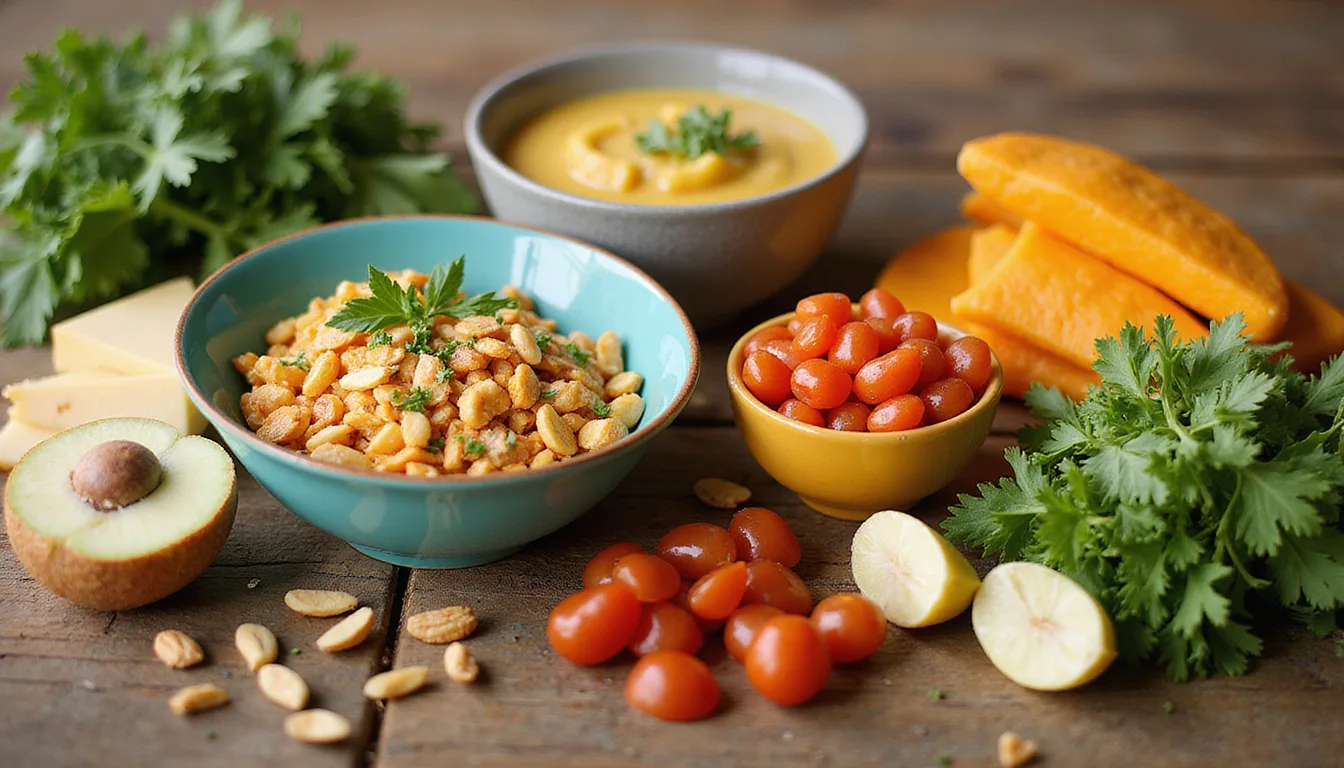
For years, erythritol stands as a “healthy” or “guilt‑free” sugar substitute.
It appears in keto treats, sugar‑free gum, snacks for people with diabetes, and energy drinks marketed as healthy.
Labels highlight its low calorie count, low glycemic index, and natural feel.
New data now makes the idea that erythritol is harmless start to waver.
This article explains what erythritol is, shows recent research, points out what we still must learn, and helps you decide if it fits your diet.
What Exactly Is Erythritol?

Before you look at the risks and debates, it helps to know what erythritol means and how your body handles it.
A quick definition
Erythritol is a sugar alcohol.
It belongs with xylitol, sorbitol, and maltitol.
Its chemical look is part sugar and part alcohol; note it does not make you sick or relaxed.
You often see erythritol in:
- “Keto” or low‑carb desserts
- Sugar‑free chocolates, candies, and gums
- Flavored waters and sports drinks
- Protein bars and snacks labeled healthy
- Some tabletop sweetener mixtures with stevia or monk fruit
How erythritol is made
Erythritol occurs in small amounts in fruits and fermented foods.
Yet what you find in your protein bar comes from industry.
- The process starts with corn or wheat starch.
- The starch gets fermented with yeast or other microbes.
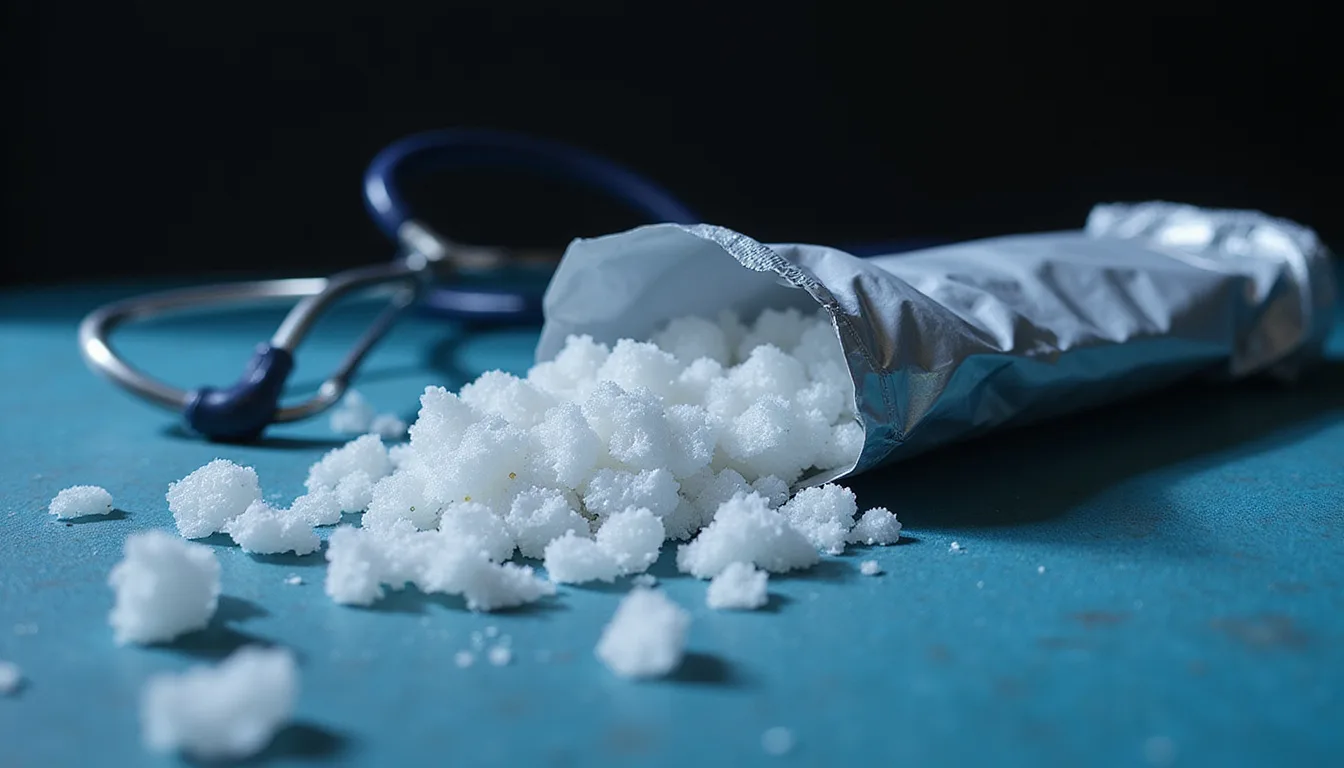
- The result is purified and crystallized into a white powder.
This means that while many call it “natural,” you in fact eat a concentrated, refined sweetener instead of a tiny amount found in fruit.
How your body processes it
Erythritol behaves differently from other sugar alcohols:
• About 90% gets absorbed in your small intestine.
• Your body does not change it into energy, so it adds almost no calories.
• Most leaves your body unchanged in urine in about 24 hours.
• A small bit (around 10%) reaches the colon, where gut bacteria may break it down.
This unusual route made many believe erythritol was safe for so long.
It also makes us ask: if your body does not use or break it down, what does it do while it moves in your blood?
Why Erythritol Became a “Health Halo” Sweetener
Here we see traits that helped doctors and others trust erythritol.
1. Virtually zero calories
It gives about 0.2 calories per gram instead of 4 calories per gram as with sugar.
For people who need lower calories but still want sweetness, this draws attention.
2. Minimal impact on blood sugar and insulin
Multiple studies show that erythritol barely affects:
• Blood sugar
• Insulin levels
• Long‑term blood sugar control (HbA1c)
Because of this, many suggest it to people with prediabetes or type 2 diabetes as a “safe” sugar substitute.
3. Tooth‑friendly
Like other sugar alcohols, erythritol does not feed bacteria that harm teeth.
Some research shows it may even reduce dental plaque when compared with sucrose and xylitol (source: NIH/NLM).
4. Fewer digestive issues (for most people)
Unlike sorbitol or maltitol, erythritol usually causes less bloating and fewer loose stools since your body absorbs most of it before it reaches the colon.
This has given it the air of being the gentlest sugar alcohol.
These points made erythritol seem like a perfect sugar replacement—especially in processed products that call themselves healthy.
Yet, the story has more sides.
The Controversial Link: Erythritol and Heart Risk
A 2023 study created a stir by linking erythritol with heart events.
What the study found
Researchers with the Cleveland Clinic tracked more than 4,000 people at high risk for heart issues.
They measured various blood compounds and recorded who went on to have:
• Heart attacks
• Strokes
• Deaths from heart-related causes
They saw that high blood erythritol came with a higher chance of these events.
In lab and animal work, erythritol made platelets stick together and helped blood clots grow.
This mix—more erythritol in blood and more heart events, along with evidence of increased clotting—led many to worry.
Important nuances
Many points deserve mention:
• The study observed people, so it shows a link and not direct cause and effect.
• Participants already had high risk due to obesity, diabetes, or heart disease.
• The research did not clearly separate erythritol you eat from what your body makes on its own.
• Regulatory agencies have not yet changed what they say about erythritol due to one study.
The study also showed that drinking an erythritol beverage keeps blood levels high for hours—levels that match those seen with more clotting activity.
In short, there is a possible way erythritol may raise clot risk.
This finding has caught the attention of many scientists.
What this might mean for you
If you have:
• Extra weight
• Diabetes or metabolic concerns
• A heart condition, or a history of clots
then having large or frequent amounts of erythritol might not be as harmless as once thought.
The evidence is not final, but the link is strong enough to suggest being cautious.
Gut Health, Bloating, and Individual Sensitivity
Even if heart issues do not worry you, erythritol might upset your gut.
Why sugar alcohols cause gut issues
Sugar alcohols are not absorbed well and are often fermented by gut bacteria.
This process can result in:
• Gas
• Bloating
• Cramping
• Loose stools or diarrhea
Since erythritol is mostly absorbed, it usually causes fewer problems than other sugar alcohols.
However, that does not mean it will cause no discomfort.
Erythritol and IBS / sensitive digestion
People with:
• Irritable bowel syndrome (IBS)
• Small intestinal bacterial overgrowth (SIBO)
• General gut sensitivity
might notice symptoms even with moderate doses.
Common signs include:
• A bubbly or uneasy stomach
• Increased gas
• Stools that smell strong
• Urgent trips to the bathroom after eating sugar‑free products
If you experience these issues, your body tells you it does not like erythritol, regardless of keto-friendly labels.
The Metabolic “Catch”: Endogenous Erythritol
There is one detail that is not widely discussed: your body can make erythritol from glucose.
Studies show that people with poor metabolic health (like insulin resistance, obesity, or fatty liver) tend to have higher natural levels of erythritol in their blood.
This internal production may itself have a connection with metabolic risks.
If you already have higher erythritol levels produced by your body because of metabolic problems, then eating large amounts from food may push these levels even higher.
This stacking could add to the possible risks linked with erythritol in the blood.
This finding does not prove harm but it does lead us to ask:
Is it wise for those with metabolic challenges to add more to a pathway that already works overtime?
Erythritol vs. Other Sweeteners: Is It Really the “Best” Option?
It can be hard to compare sweeteners directly, but here we offer a quick look.
Table sugar (sucrose)
• Pros: Natural, well-studied, and straightforward in metabolism.
• Cons: Raises blood sugar and insulin, often adds to weight gain, fatty liver, dental decay, and metabolic issues.
High‑fructose corn syrup (HFCS)
• Similar issues arise as with sucrose, with some evidence about a stronger effect on the liver and appetite.
Other sugar alcohols (xylitol, sorbitol, maltitol)
• Pros: Less effect on blood sugar than sucrose, and safer for teeth.
• Cons: They may lead to more gut upset (like bloating and diarrhea); calories vary and sometimes add up.
Non‑nutritive sweeteners (aspartame, sucralose, saccharin)
• Pros: They carry very low or no calories.
• Cons: Some studies suggest they may affect gut bacteria, appetite, and glucose responses.
“Natural” high‑intensity sweeteners (stevia, monk fruit)
• Pros: They come from plants, have few calories, and barely affect blood sugar.
• Cons: Their taste can sometimes stray from what you expect, and they are often mixed with erythritol to add bulk.
Erythritol’s place
People point out these benefits:
• It holds low calories.
• It impacts blood sugar little.
• It is tooth‑friendly.
• It usually causes fewer gut issues than other sugar alcohols.
On the flip side, there are some warnings:
• Some studies link higher blood levels with heart risks in vulnerable groups.
• It might trigger gut discomfort in sensitive people.
• It shows up in many processed foods that you may eat too much of.
So, does erythritol beat sugar?
In some cases, yes.
But the real question is not just, “Is erythritol safe?”
It is, “What role does erythritol play in your overall diet and health?”
The Hidden Problem: Health Halo and Overconsumption
One subtle risk with erythritol is more about mindset than its chemistry.
When you see labels such as:
• Sugar‑free
• Keto-approved
• Diabetic-friendly
• Zero guilt
it is easy to:
• Eat larger portions
• Enjoy snacks more often
• Feel that you choose a healthy path even when the food is highly processed
This shows how a “better than sugar” ingredient can work against your health by leading you to eat too many tasty, low‑nutrient foods.
If your daily routine includes:
• Sugar‑free coffee syrup in the morning
• Diet soda at lunch
• Keto snack bars and candies in the afternoon
• A “low‑carb” dessert in the evening
even if each item lacks sugar, the total amount of sweetness remains high.
This persistent taste for strong sweetness may dull your pleasure from whole foods.
How Much Erythritol Is Too Much?
Agencies like the FDA and EFSA see erythritol as generally safe when eaten in common amounts.
There is no fixed upper limit, but you can use practical tips to guide you.
Factors that increase concern
You might choose to be cautious if you:
• Have a history of heart issues, strokes, or clots
• Live with diabetes, metabolic syndrome, or obesity
• Suffer from severe gut problems
• Are pregnant or breastfeeding (since data is few)
• Notice regular symptoms on eating foods with erythritol
Practical intake tips
-
Read labels well
Erythritol may appear by name or mixed with stevia, monk fruit, and natural flavors. -
Be aware of cumulative intake
It is easy to miss how much you eat when you have several sugar‑free foods daily. -
Check your own signs
Avoid erythritol for 2–4 weeks.
Watch your digestion, cravings, and energy.
Then, bring it back in small doses and check again.
Smarter Ways to Cut Sugar Without Relying on Erythritol
If you want to avoid erythritol or reduce its use, try these steady steps to cut down on sugar.
1. Adjust your urge for sweetness
Slowly use less:
• Sugar in your coffee or tea
• Sweeteners in your yogurt or oatmeal
• Frequency of desserts
In a few weeks, your taste buds can get used to less sweetness.
2. Use whole food sweeteners with care
Even though these still contain sugar, they come with more nutrients:
• Whole fruits (fresh, frozen, or dried without extra sugar)
• Mashed bananas or applesauce in baking
• Dates or date paste (in small measures)
They bring fiber, vitamins, and helpful plant nutrients.
3. Pick simple, less processed treats
When you choose a non‑nutritive sweetener, go for:
• Pure stevia or monk fruit liquid (without extra fillers)
• Homemade recipes where you decide the quantity
This way, you avoid overly processed choices.
4. Focus on protein, fiber, and healthy fats
Eating:
• Lean proteins (eggs, fish, poultry, tofu, beans)
• High‑fiber vegetables and whole grains
• Healthy fats (olive oil, avocado, nuts)
may help to stabilize blood sugar and reduce cravings for both sugar and products with erythritol.
FAQ: Erythritol, Safety, and Better Choices
Is erythritol safe to consume every day?
Regulators say erythritol is safe when eaten in normal amounts.
Recent findings link higher blood erythritol with more heart risk in people who already face metabolic challenges.
If you have such issues, using erythritol sparingly instead of in large daily doses is wise.
Is erythritol worse for you compared with other sugar alcohols?
Erythritol is easier on your gut than xylitol or sorbitol and barely changes blood sugar.
The new worry is the possible link to clotting and heart events seen in a few studies.
This does not automatically make it a bad choice, but it urges care.
Is erythritol Keto and diabetic‑friendly?
Yes, because it has very low calories and little direct effect on blood sugar and insulin.
However, many people with diabetes or metabolic syndrome were the ones linked to higher erythritol levels and heart events in studies.
So while it may control blood sugar, using it in small amounts with a nutrient-rich diet is a better idea.
The Bottom Line: Don’t Let “Sugar‑Free” Short‑Circuit Your Health
Erythritol is neither poison nor a miracle ingredient.
It is a tool with a specific use:
• It helps reduce sugar and calories when used in small doses.
• It may cause problems when used often and in large amounts, especially by those with heart or metabolic issues.
• It may mislead you when it shows up in processed foods that are easy to overeat.
If labels and ads make you think that anything with erythritol is automatically good, you might need a reset.
The best choices for your blood sugar, heart, and long-term health come from:
• Cutting back on highly processed foods
• Eating more whole, nutrient-rich meals
• Gradually getting used to less intense sweetness
If you use erythritol every day or worry about your heart, metabolism, or gut, check your pantry and fridge.
Find foods with erythritol and try to replace a few each week with items that are less processed.
When you are not sure, talk with a trusted healthcare professional or a dietitian who goes beyond the usual ad talk.
Your heart and metabolism deserve that extra care.
[center]Always consult with your doctor prior to making drastic diet changes.[/center]
[center]As an Amazon Affiliate, Savvy Keto makes a small commision (at no extra cost to you) on any purchases you make thru affiliated links you click on.[/center]