
Postpartum Keto: Safe Ways to Lose Baby Weight and Gain Energy
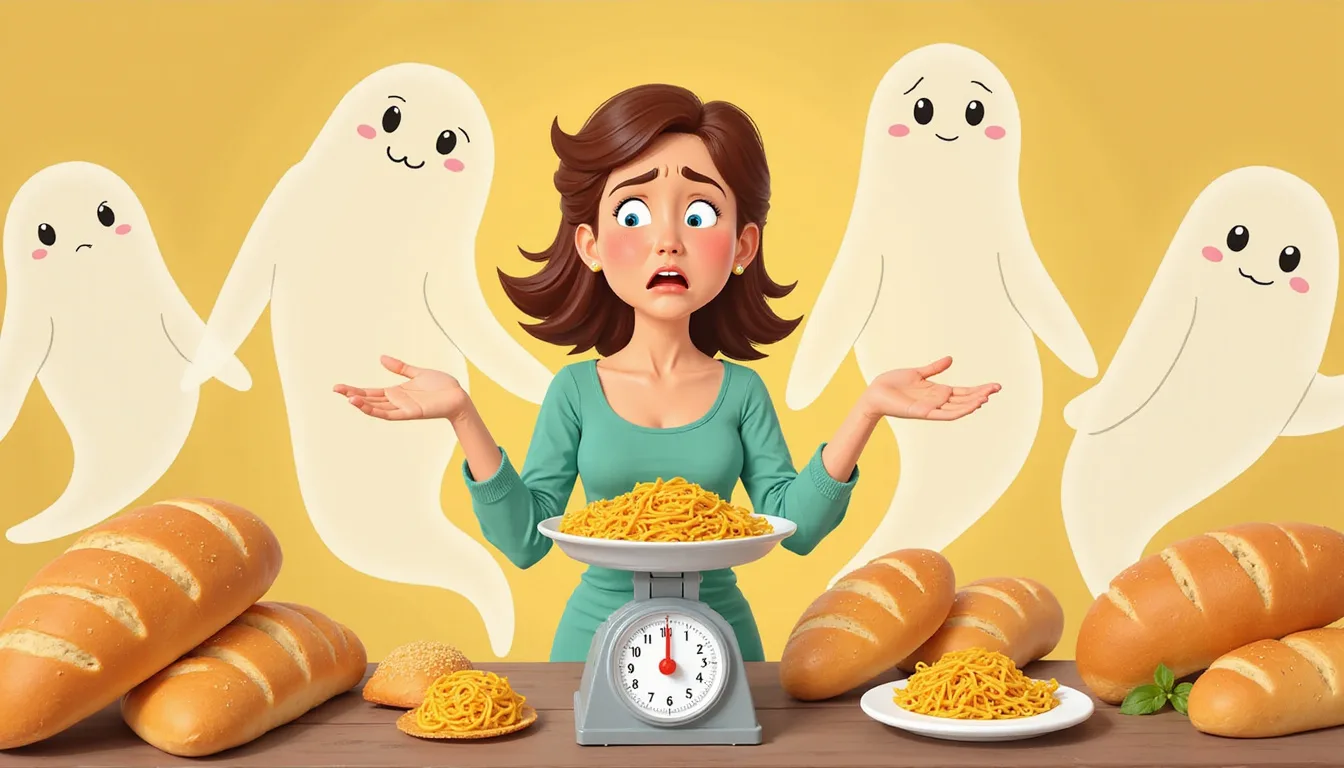
Life with a new baby is hard—your body, mind, and feelings feel the strain. New mothers want more energy and a slow loss of pregnancy weight. That is why postpartum keto is a popular idea. The keto diet may boost energy and burn fat. Your body is also shifting now. Your hormones change, sleep is brief, and if you nurse, your food needs are high.
This guide shows how to try postpartum keto safely. It covers who may do it, how to change keto for nursing, what foods to use, and which errors to skip.
Knowing Your Postpartum Body

Learn about your body in the first year after birth before you choose postpartum keto or any diet plan.
Hormones Change Fast
After birth, estrogen and progesterone fall. Prolactin (for milk) and oxytocin (for bonding) rise. This change links to your mood, sleep, hunger, and water retention. A very low calorie or carb plan may make mood swings, worry, and tiredness worse.
Your Body Heals After Stress
Pregnancy and birth push your body hard. In the months after birth, your body works on:
- Fixing muscles, the pelvic floor, and the belly
- Replacing lost nutrients such as iron, folate, B vitamins, and omega-3 fats
- Mending from a vaginal birth, C-section, or birth issues
Healing may take 6–12 months. A new diet must help your healing.
Breastfeeding Raises Your Needs
If you nurse your baby:
- You need about 330–400 more calories per day in the first 6 months
- Some guides say to eat a minimum of 210 g of carbs daily to produce milk
- Your body gives milk first over its own needs
A strict keto plan may not work well unless you change it.
What Is Keto—and What Is “Postpartum Keto”?
The Basics of Keto
A classic keto plan is:
- Very low in carbs (around 20–50 g net carbs each day)
- Moderate in protein (about 0.6–0.9 g per pound of lean body weight)
- High in fat (about 65–75% of total calories)
This plan makes your body use fat for fuel instead of sugar. People note less hunger, steadier blood sugar, clear thoughts, and fat loss. Most research comes from adults who are not postpartum or nursing.
How Postpartum Keto Must Change
Postpartum keto should not look like a fast weight-loss keto. Instead, try one that:
- Cuts carbs a little, not almost all at once
- Puts high nutrient foods and healing first
- Skips large calorie cuts
- Stays open to changes as sleep, mood, and milk supply change
Many new mothers call this a “keto-ish” or “low-carb, whole-food postpartum plan” instead of full keto.
Is Postpartum Keto Safe?
There is no one answer. Safety depends on your own needs.
Who May Do It
A modified keto plan may suit women who:
- Do not nurse or have finished nursing
- Had high blood sugar during pregnancy and need care with food
- Liked lower-carb eating before pregnancy
- Are 3–6 months past birth, with calm moods and fair sleep
Who Must Be Careful or Skip It
Postpartum keto may be a problem or need close care if you:
- Nurse a young baby (especially under 3 months)
- Have a history of an eating problem
- Feel very depressed or anxious after birth
- Have thyroid concerns (like Hashimoto’s or postpartum thyroid)
- Are underweight or have trouble keeping weight
- Have medical issues that need steady carb intake
Talk with your doctor or a registered dietitian before big changes—especially if you nurse or take medicine for blood sugar or pressure.
When to Start Postpartum Keto (Timing Matters)
How long after birth you switch diets matters for safety.
The First 6 Weeks: Focus on Healing
- Work on healing, sleep, and a steady mind.
- Eat a mix of whole foods: protein, complex carbs, good fats, fruits, and vegetables.
- Avoid weight loss plans or strong diet experiments.
At this time, postpartum keto is not a good choice.
6 Weeks to 3 Months: Try Small Changes Only
If your doctor agrees and you want fewer carbs:
- Stop sugary items and refined carbs like soda, candy, and white bread.
- Swap these for whole-food carbs: oats, quinoa, beans, sweet potatoes, and fruit.
- Aim for steady blood sugar and energy, not full ketosis.
3–12 Months: When a Structured Postpartum Keto Can Work
If you feel strong, have healed, and:
- You have stopped nursing or your milk is steady
- Your mood feels steady
- You get some good sleep
Then you may try:
- A moderate low-carb plan (50–100 g net carbs daily) if you nurse
- A classic keto plan (20–50 g net carbs daily) if you do not nurse
Watch how you feel with energy, mood, periods, milk, and hunger.
Changing Keto for Breastfeeding Mothers
If you want a postpartum keto style while nursing, you must ease the rules.
Aim for Low-Carb, Not Very Low-Carb
Many nursing mothers do best with:
- Around 70–150 g of carbs each day, based on your activity and milk amount
It is best to get carbs from:
- Vegetables like sweet potatoes, squash, carrots, and beets
- Whole grains like oats, quinoa, and brown rice
- Beans, lentils, and chickpeas
- Fruit like berries, apples, or bananas in small amounts
You might not reach ketosis with this plan. Your focus must stay on milk and health.
Keep Enough Calories
Not eating enough is a big risk. To support milk and energy:
- Do not cut more than 300–500 calories from what your body needs
- Many nursing mothers need 2,000–2,500 or more calories daily
If your weight stays steady, it means your body is giving priority to your baby and healing.
Watch for Low Milk Signs
If you change carbs and see:
- Your baby does not gain enough weight
- Fewer wet diapers or brief feeds occur
- Your baby seems fussy or unsatisfied
Then add more carbs and calories right away. Contact a milk expert if needed.
Building a Nutrient-Rich Postpartum Keto Plate
Your food quality matters more than perfect numbers. Every meal should have:
-
High-quality protein (20–35 g)
- Eggs, fish, chicken, beef, Greek yogurt, cottage cheese, tofu, or tempeh
-
Healthy fats
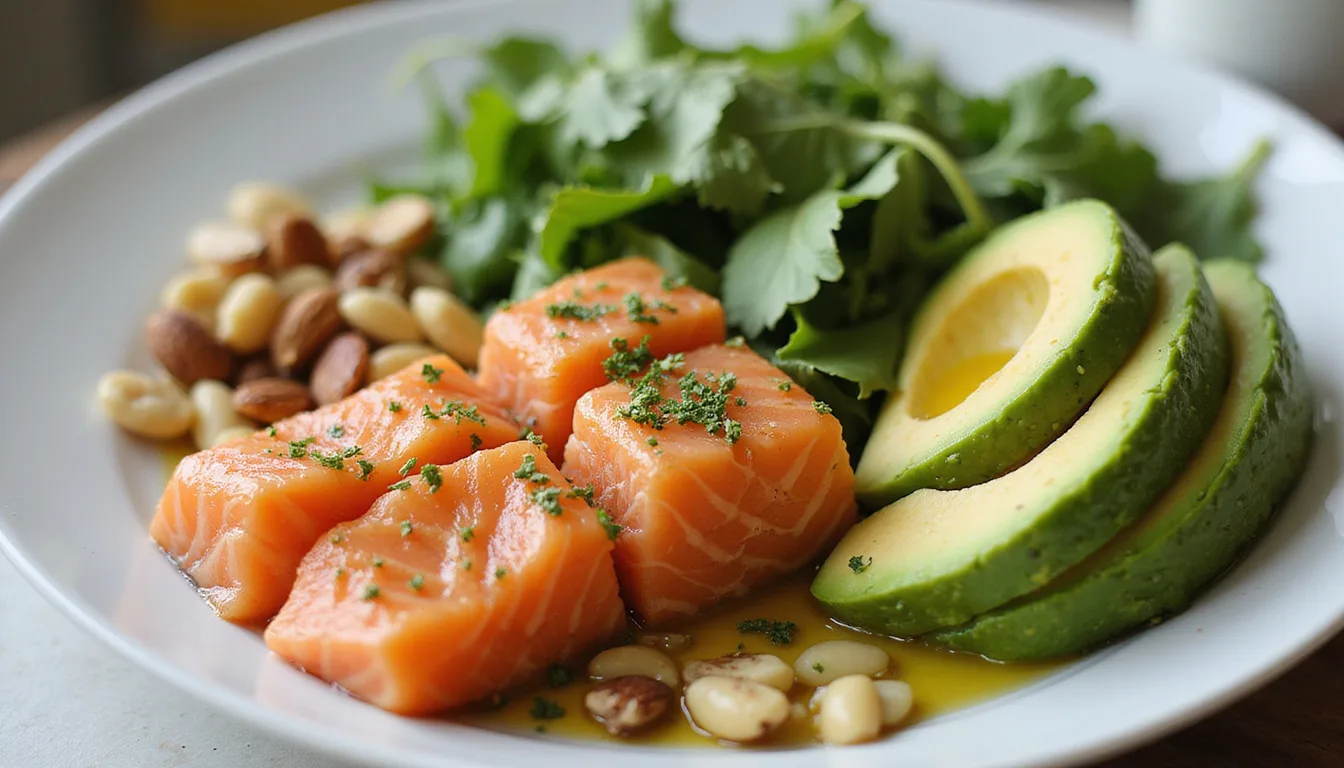
- Avocado, olive oil, nuts, seeds, fatty fish, or grass-fed butter
-
Low-carb vegetables (1–3 cups)
- Leafy greens, broccoli, cauliflower, zucchini, peppers, or green beans
-
Smart carbs (if using a moderate low-carb plan)
- A serving of fruit or a starchy vegetable, especially when you are active
Sample Day: Moderate Postpartum Keto (For Nursing)
About 70–100 g of carbs and 1,900–2,200 kcal a day (adjust portions as needed).
-
Breakfast
- 2–3 scrambled eggs with spinach and feta cooked in olive oil
- 1 small baked sweet potato with a little butter
- ½ cup berries
-
Snack
- Full-fat Greek yogurt with 1 tablespoon chia seeds and a few walnuts
-
Lunch
- A large salad with grilled chicken, greens, cucumbers, tomatoes, olives, and avocado
- A squeeze of lemon and a drizzle of olive oil
- ½–1 cup cooked quinoa
-
Snack
- Carrot sticks and bell pepper slices with hummus
-
Dinner
- Baked salmon with herb butter
- Roasted Brussels sprouts and cauliflower with olive oil
- ½ cup roasted butternut squash
-
Optional snack (especially when nursing)
- Apple slices with almond butter
This plan is lower in sugar and processed carbs. It gives many nutrients and fits well after birth.
Losing Baby Weight Safely with Postpartum Keto
Weight loss after birth should be slow and soft. Here is one way to work on weight loss.
1. Set Realistic Goals
- Many women keep 5–10 pounds after birth without harm.
- A goal of losing 0.5–1 pound per week is fair, and only after the first 6–8 weeks (or later if nursing).
- It may take 9–12 months or more to get to your pre-pregnancy weight. Your body might change in shape after birth.
2. Watch Patterns, Not Just the Scale
Pay attention to:
- How your energy and mood feel
- Tastes for food and hunger moments
- Your sleep, as good as you can get
- Your cycle (when it returns); very strict diets may disturb it
Look at the scale and clothes as guides, not as reasons to feel bad.
3. Mix Food with Light Movement
Combine food care with gentle motion for weight loss and balanced hormones.
- Start with walking, pelvic floor work, and gentle stretching
- Move to bodyweight exercises like squats, bridges, and low planks when you are ready
- Add light strength work 2–3 times per week to keep muscle
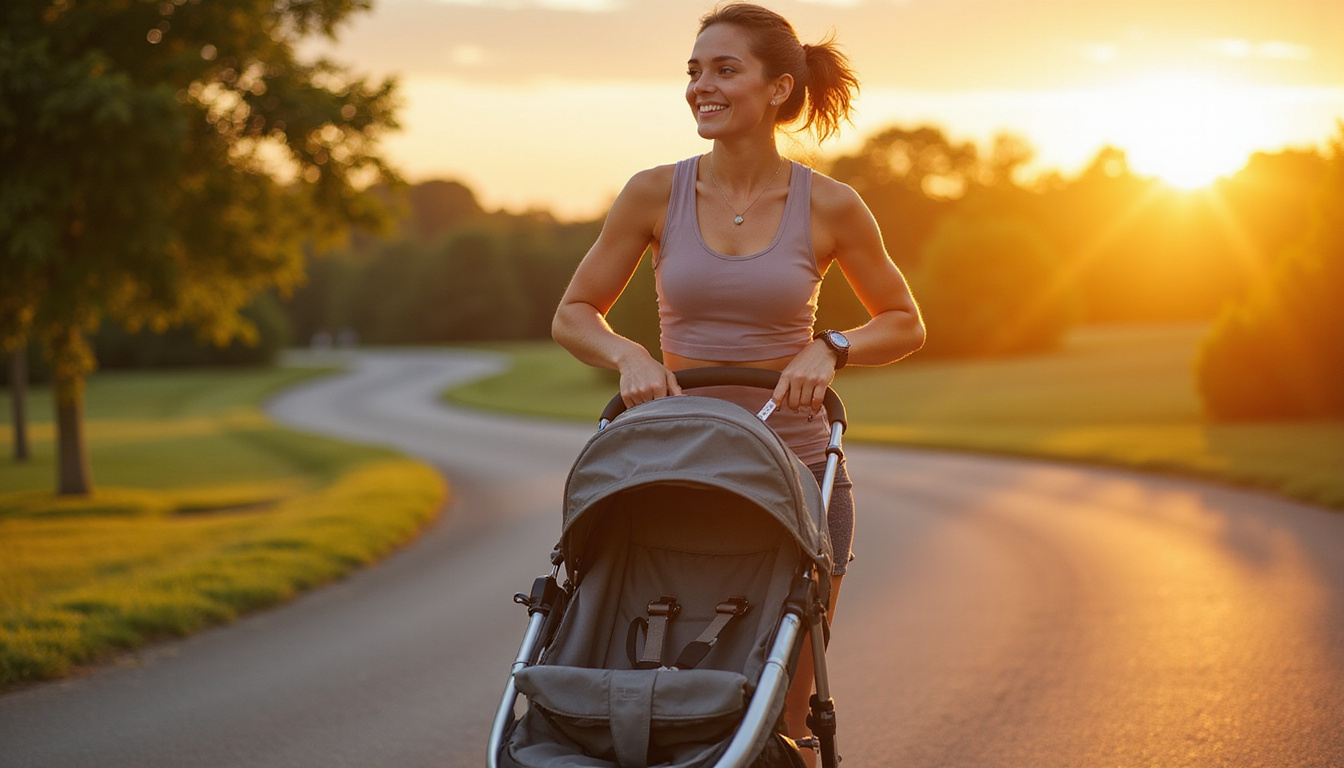
A little exercise each day works better than heavy workouts sometimes.
Gaining Energy with Postpartum Keto
Many women try postpartum keto to boost energy, not only to lose weight. A low-carb or moderate keto plan can:
- Keep blood sugar steady and avoid crashes
- Cut back on a need for too much caffeine and sweets
- Help you think clearly, even when sleep is hard to find
Tips for Better Energy
- Do not eat too few calories. Not eating enough can drain energy.
- Drink enough water and get minerals like salt, potassium, and magnesium.
- Eat enough protein (about 1.6–2.2 g per kg of body weight) to keep muscles and mood strong.
- Protect any chance to sleep. Nap when you can, ask for help, and save rest.
If you feel very dizzy, weak, foggy, or grumpy, your plan may need a change.
Common Mistakes to Skip with Postpartum Keto
Many problems come from going too hard too soon. Keep these tips in mind:
- Do not start a strict keto plan too early (before 3 months after birth).
- Avoid a sudden drop in carbs if you nurse a young baby.
- Do not ignore your calorie needs and underfeed.
- Skip diets that depend on specialized keto foods instead of real, nutrient-rich foods.
- Do not forget to include iron, omega-3 fats, and other key vitamins.
- Do not skip doctor visits if you had high blood sugar or blood pressure.
- Avoid using postpartum keto as a quick fix. A sudden plan may harm your mood and self-image.
A Step-by-Step Plan to Try Postpartum Keto Safely
If you want to try a gentle postpartum keto plan, work through these steps.
Phase 1 (Weeks 1–2): Clean Up Carbs
- Stop sugary drinks, candy, pastries, white bread, and most desserts.
- Use fruit, oats, potatoes, or rice in small amounts instead.
- Make sure you have protein with each meal and add vegetables when possible.
Phase 2 (Weeks 3–4): Change to Low-Carb
- Cut back on grain portions (smaller servings of rice, pasta, or bread).
- Keep 1–2 servings of fruit each day.
- Add more non-starchy vegetables and good fats so you feel full.
- Note how you feel—watch energy, mood, and milk supply (if nursing).
Phase 3 (Week 5+): Choose Your Carb Limit
-
If you nurse:
- Eat about 70–150 g of carbs daily, based on your comfort and milk supply.
- Do not force full ketosis; aim for a balanced plan.
-
If you do not nurse and feel fine:
- Try 40–60 g of carbs daily, then lower to 20–40 g if you wish.
- Increase fluids and minerals, and take time to adjust.
Change your plan each week based on your body’s signals.
Quick Checklist: Is Postpartum Keto Helping?
You may be in a good zone if, over time, you see that:
- Your energy stays steady or gets better
- You lose a little weight week by week (if weight loss is needed)
- Your mood feels steady without extra worry
- Your milk stays as strong as before when nursing
- Cravings for sweets lessen
You must change or stop the plan if you see:
- Ongoing tiredness, dizziness, or headaches
- A drop in milk supply
- A worsening mood, worry, or irritability
- An intense focus on food or harsh guilt over eating
- Changes in your cycle or too much hair loss after birth
Your well-being and your baby come first in every plan.
FAQ About Postpartum Keto and Low-Carb After Birth
-
Is keto safe while nursing after birth?
A keto plan can be changed for some nursing mothers. A strict very-low-carb keto is usually too harsh. A moderate low-carb plan (about 70–150 g carbs per day) with enough calories is safer for milk and health. Always check your milk supply and talk with your doctor before big changes. -
How soon after birth can I try a low-carb diet?
In the first 6 weeks, work on healing and eating enough with good nutrients. After 6 weeks—and especially after 3 months—you can slowly cut back on sugar and refined carbs. A true postpartum keto plan should wait until you have healed well and, if nursing, until your milk is steady. -
Can a low-carb plan improve energy and mood?
For some mothers, a low-carb plan keeps blood sugar steady, avoids energy drops, and cuts sugar cravings, which can help mood. If the plan is too strict or you do not eat enough, you might feel worse. Start slow and change the plan as you feel.
Move Forward with Care and a Plan
Postpartum keto is not a magic cure. It is a way to help some mothers manage energy and slowly lose baby weight when used wisely. Your body has grown and given birth. It needs good food, time, and respect—not punishment.
If you are curious about postpartum keto:
• Speak with your doctor or a diet expert, especially if you nurse or had birth issues.
• Begin with whole foods and a gentle cut in carbs, not an extreme change.
• Let your energy, mood, and milk supply guide your pace more than the scale does.
Working with a knowledgeable food expert can help you find a plan that fits your healing, hormones, and daily life. With proper care, you can rebuild strength, boost energy, and reach a healthy weight in a way that honors both you and your baby.
[center]Always consult with your doctor prior to making drastic diet changes.[/center]
[center]As an Amazon Affiliate, Savvy Keto makes a small commision (at no extra cost to you) on any purchases you make thru affiliated links you click on.[/center]