
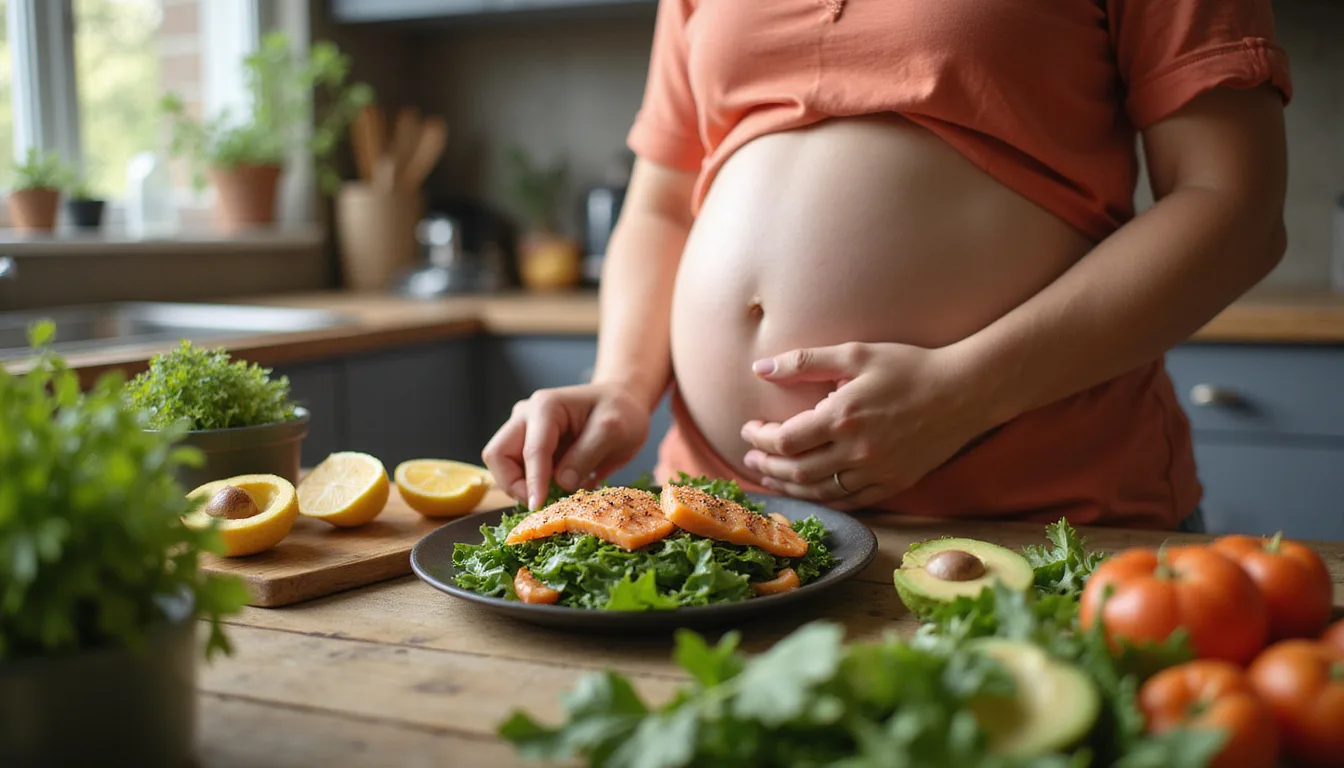
Low Carb Pregnancy: Safe Meal Plans, Nutrient Tips, and Warning Signs
Pregnancy holds two tasks: support your own health and grow your baby. A low carb plan can help you keep your blood sugar steady and control weight gain. At the same time, you must fuel your baby with the right carbs and vital nutrients. This guide shows safe low carb steps in pregnancy, sample meal plans, key nutrients, and signs that you may have too few carbs.
Is a Low Carb Pregnancy Safe?
Pregnancy stays safe when you eat enough healthy carbs. Many women use a low carb plan to handle issues like:

• Gestational diabetes
• Insulin resistance or prediabetes
• PCOS
• Fast or high weight gain
A strict low carb plan or keto diet (less than 50 g carbs per day) is not advised unless a specialist guides you. Studies on strict low carb plans in pregnancy still leave open questions. Experts worry that very low carbs may lead to:
• Too little glucose for the baby’s brain
• High ketone levels that could affect baby over time
• Not enough fiber and vitamins
Groups such as the American College of Obstetricians and Gynecologists say that pregnant women should get at least 175 grams of carbohydrates per day to support the baby’s growth and brain (source: ACOG/NIH guidelines).
For a low carb pregnancy, think:
“Lower refined carbs; keep blood sugar steady”
not
“Ultra-low carb with high ketones.”
How Many Carbs Do You Really Need?
Each woman finds her own right amount of carbs. Some feel best with around 175 g per day while others may do better with a bit less or more.
General ranges (with your provider’s go-ahead):
• Typical pregnancy: 175–230 g carbs per day
• Gestational diabetes or insulin resistance: Often 150–200 g carbs per day, evenly spread
• If you ate low carb before pregnancy: You may aim for 130–180 g per day, with your OB or prenatal dietitian’s advice
More than the number, key points are to:
- Use complex carbs: think vegetables, fruits, legumes, whole grains, and dairy.
- Cut back on big spikes in blood sugar: spread your carbs across meals and snacks.
- Pair your carbs with protein and fat: this slows digestion and keeps your blood sugar steady.
Safe Low Carb Pregnancy Meal Plan (Sample Day)
Below is one sample day that gives you around 150–180 g of carbs. This plan suits many women who need to watch their blood sugar. Adjust serving sizes for your own calorie needs and readings.
Breakfast (30–40 g carbs)
• 2 scrambled eggs cooked in olive oil
• 1 slice of whole grain or sprouted toast
• 1 small apple or half a banana
• 1 tablespoon of natural peanut or almond butter
This breakfast works because eggs and nut butter build a base that holds the fruit and toast in check.
Morning Snack (10–15 g carbs)
• ¾ cup plain Greek yogurt
• A small handful of berries
Lunch (35–45 g carbs)
• Grilled chicken on a salad that has:
– Mixed leafy greens
– Cherry tomatoes
– Cucumber slices
– Avocado pieces
– A drizzle of olive oil and lemon or light vinaigrette
• A side of ½–1 cup cooked quinoa or brown rice
Afternoon Snack (15–20 g carbs)
• 1 small pear or orange
• 10–12 almonds or walnuts
Dinner (40–50 g carbs)
• Baked salmon, chicken, or tofu
• 1 cup of roasted non-starchy vegetables (like broccoli, cauliflower, zucchini, or Brussels sprouts)
• ½–1 cup of roasted sweet potato or butternut squash
• A side salad with olive oil dressing
Evening Snack (10–20 g carbs)
• 1 small serving of whole grain crackers with cheese
or
• 1 small glass of milk with a tablespoon of nut butter
This plan keeps each set of carbs small, gives you fiber-rich food, and ties each carb with a dose of protein and healthy fat.
For gestational diabetes or strict blood sugar control, a dietitian can tailor this plan to your readings.
Best Low-Carb Foods for Pregnancy
A low carb pregnancy plan works best with nutrient-dense foods. Focus on whole, low-glycemic foods while you count your carbs.
Protein-Rich Foods
• Eggs
• Chicken or turkey
• Lean cuts of beef, pork, or lamb
• Fish (choose low-mercury types like salmon, sardines, trout, or cod)
• Greek yogurt and cottage cheese
• Lentils, chickpeas, or beans (they add both carb and protein)
• Tofu and tempeh
Non-Starchy Vegetables (Low Carb, High Nutrients)
• Leafy greens like spinach, kale, romaine, or arugula
• Broccoli, cauliflower, and Brussels sprouts
• Zucchini, eggplant, or bell peppers
• Green beans, asparagus, or cucumbers
• Mushrooms, onions, or tomatoes
Smart Carbs (Moderate Carbs, High Fiber)
• Sweet potatoes or butternut squash
• Oats, quinoa, brown rice, or barley
• Beans and lentils
• Whole wheat or sprouted bread (in moderate servings)
• Fruits such as berries, apples, pears, citrus, kiwi, or plums
Healthy Fats (Low/No Carb, High Satiety)
• Avocado
• Nuts and seeds like almonds, walnuts, chia, flax, or pumpkin seeds
• Nut butters
• Olive oil or avocado oil
• Fatty fish like salmon or sardines
Essential Nutrients to Watch on a Low Carb Pregnancy Diet
When you cut back on refined foods and grains, you must plan to get needed fiber and vitamins from other sources.
-
Folate (Folic Acid)
• Role: Helps the baby’s neural tube close properly and stops birth defects.
• Goal: At least 600 mcg DFE per day from both food and your prenatal vitamin.
• Sources: Leafy greens, legumes, asparagus, avocado, fortified products, and supplements. -
Iron
• Role: Supports extra blood in your body and builds up the baby’s iron stores.
• Goal: 27 mg per day.
• Sources: Lean red meat, chicken, fish, lentils, beans, spinach, and fortified cereals.
• Tip: Eat iron with citrus or bell peppers to help your body use it. -
Calcium
• Role: Builds the baby’s bones and teeth; keeps your bones safe too.
• Goal: 1,000 mg per day.
• Sources: Milk, yogurt, cheese, fortified plant milk, leafy greens, and calcium-set tofu. -
Vitamin D
• Role: Helps calcium work in your body and keeps your immune system strong.
• Goal: Often 600–1,000 IU per day (check with your provider).
• Sources: Fortified milk, fatty fish, egg yolks, or a supplement if needed. -
DHA & Omega-3 Fats
• Role: Build the baby’s brain and eyes.
• Goal: Many experts suggest 200–300 mg DHA per day.
• Sources: Salmon, sardines, other low-mercury fish, or algae supplements. -
Fiber
• Role: Keeps you regular, helps gut health, and steadies blood sugar.
• Goal: 25–30 g per day.
• Sources: Non-starchy vegetables, fruits with skin, beans, lentils, chia or flax seeds, oats, and whole grains.
If you swap bread only for meat and cheese, you risk missing fiber and other key nutrients. A people-first low carb plan fills your plate with vegetables, legumes, and whole foods from plants.
Low Carb Pregnancy and Gestational Diabetes
Women with gestational diabetes (GDM) often turn to low carb plans. When your body struggles with insulin in pregnancy, these plans can help.
How low carb eating helps:
• It cuts down big jumps in blood sugar after meals.
• It may lower the need for insulin or medicine sometimes.
• It can boost your energy and lower some risks.
A GDM plan may:
• Spread carb amounts over the day (about 30–45 g at meals and 15–20 g at snacks).
• Focus on fiber-rich, low-glycemic carbs.
• Match carb portions to your own blood sugar goals.
Work with your care team—OB or midwife, diabetes educator, and a registered dietitian—if you have GDM. They can help tailor your plan to your lab results and readings.
What to Avoid With a Low Carb Pregnancy
Some low carb paths do not work well for pregnancy. Watch out for these trends:
-
High-protein, very low carb plans (like keto-style)
• Carbs may drop below 50 g per day.
• This may raise ketone levels for many hours.
• It can be hard to get enough fiber and vitamins. -
Removing food groups without a plan
• Avoid blocking all fruit, all grains, or all dairy without a safe swap.
• This can cause gaps in fiber, calcium, and B vitamins. -
Relying on processed low carb products
• Low carb bars, shakes, and snacks often have sugar alcohols, extra additives, or low-quality fats.
• They cannot match whole fruits, vegetables, and real foods. -
Skipping meals to save carbs
• This may trigger low blood sugar, nausea, or headache.
• It can lead to overeating later and blood sugar swings.
Warning Signs Your Carbs May Be Too Low
Even when you eat enough calories, too few carbs can hurt you and your baby. Watch for these signs:
Physical Signs:
• Ongoing tiredness or weakness that no rest or food helps
• Headaches that come often
• Dizziness when you stand up
• Nausea that gets worse when you have not eaten
• Constipation even with plenty of water
• Breath that smells unusual (a fruity or sharp odor may signal high ketones)
Cognitive and Mood Signs:
• Trouble thinking clearly or brain fog
• Mood changes or feeling more irritable
• Problems sleeping or waking up very hungry
Blood Sugar and Ketone Concerns:
• High ketones in your urine (if your provider checks)
• Blood sugar that stays very low or swings greatly
If you see several of these signs, ask your healthcare provider. You might need to add more carbs, spread your eating times, or add a small snack with complex carbs and protein.
Practical Tips for Eating Low Carb While Pregnant
Balancing low carb eating with cravings, nausea, or tiredness calls for a smart plan. Try these tips:
-
Do not fear each carb. Choose complex, fiber-rich sources; cut back on added sugars and highly processed foods.
-
Plan your snacks. Mix protein and fat together—for example, cheese with whole grain crackers, nuts with fruit, or hummus with vegetables.
-
Use the “half plate veggie” idea. At lunch or dinner, fill half your plate with non-starchy vegetables, one quarter with protein, and one quarter with complex carbs such as whole grains, beans, or starchy vegetables.
-
Prepare extra food in advance. Have hard-boiled eggs, washed vegetables, cooked grains, and beans ready to eat.
-
Drink enough water. Staying hydrated helps your digestion and keeps constipation away.
-
Watch your weight while looking at your energy and lab tests. Use weight as one guide among many.
When to Work With a Professional
Ask for help if:
• You have gestational diabetes, prediabetes, or type 2 diabetes
• You had weight loss surgery or used a strict low carb or keto plan before
• You carry twins or more
• You follow a vegetarian or vegan plan and want to lower carbs
• You face challenges with eating disorders or strict food rules
A prenatal dietitian can help plan a low carb meal plan that meets your carb needs, supports your blood sugar, and fits your food habits.
FAQ: Low Carb Eating While Pregnant
-
Can you do a low carbohydrate pregnancy diet safely?
Yes. A low carbohydrate plan is safe when you cut back on refined sugars and still eat about 175 g of carbs (or the number your provider suggests). Avoid an extreme low carb or keto plan without proper guidance. Check your plan with your OB or midwife. -
What are healthy low carb pregnancy meal ideas?
Meals should have protein, non-starchy vegetables, and a moderate amount of complex carbs. For instance:
• Grilled salmon with roasted Brussels sprouts and a small baked sweet potato
• Turkey chili mixed with beans and vegetables served over a small portion of brown rice
• Tofu stir-fry with mixed vegetables and a small serving of quinoa or a blend of cauliflower rice -
Is a low carb diet safe during gestational diabetes pregnancy?
Many experts say a moderate-low carb diet works well for gestational diabetes. The plan often has balanced portions at each meal, focuses on high-fiber carbs, and pairs carbs with protein. Get advice from a diabetes educator or dietitian for your specific needs.
The Bottom Line: Keep Low Carb in Pregnancy Safe, Not Extreme
A low carb plan in pregnancy does not take away from essential fuel. It simply shifts your focus from refined sugars and white flour to whole vegetables, fruits, legumes, whole grains, and quality proteins. By keeping your carb portions safe, choosing whole foods, and watching your body’s signals, you support steady blood sugar, energy, and the healthy growth of your baby.
If you want a plan that fits your day and health needs, share your typical meals and any conditions like gestational diabetes or PCOS. Your healthcare provider can help fine-tune a plan that works best for you.
[center]Always consult with your doctor prior to making drastic diet changes.[/center]
[center]As an Amazon Affiliate, Savvy Keto makes a small commision (at no extra cost to you) on any purchases you make thru affiliated links you click on.[/center]