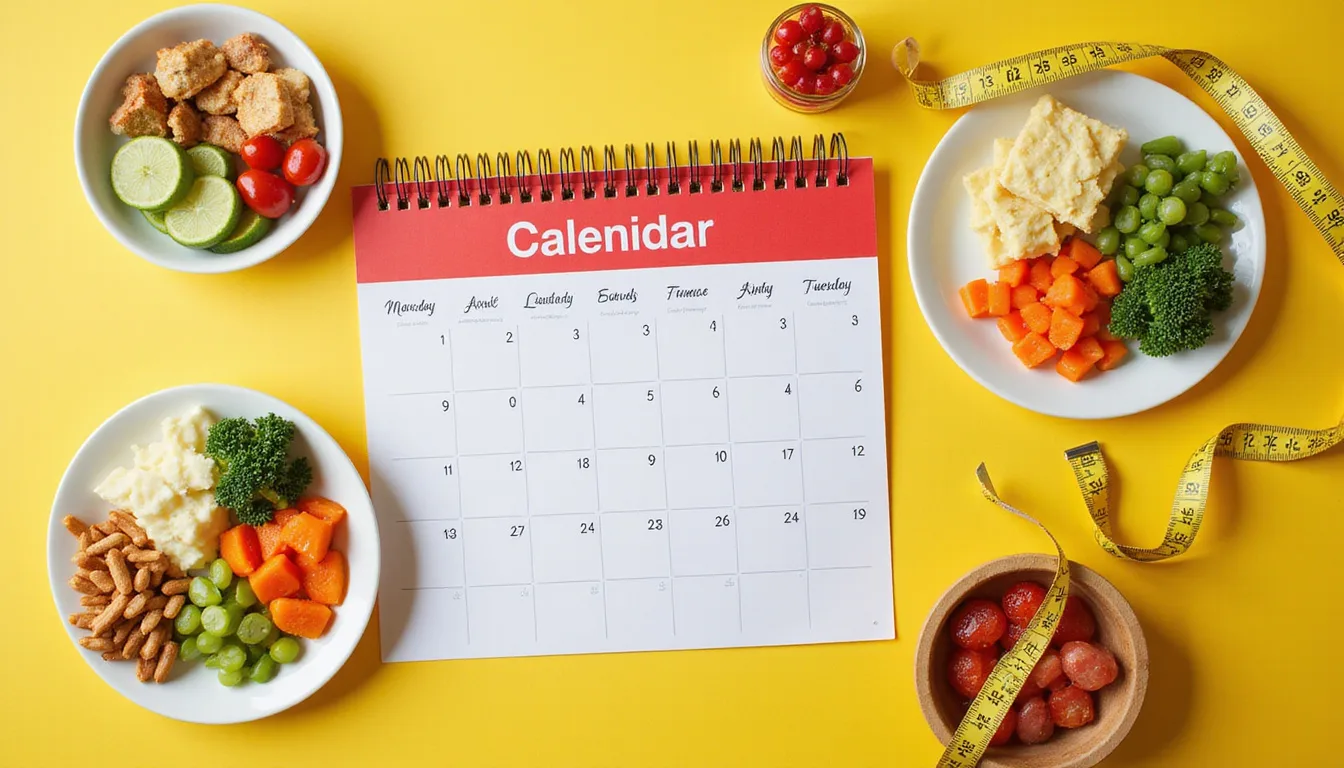

Losing fat does not force you to give up foods you love or fear carbohydrates. A moderate carb plan sits between low- and high-carb diets. It helps you lose fat, keeps your energy up, and lets you eat many different foods. If a strict low-carb diet made you feel tired, limited, or always hungry, a moderate carb plan may work better for you.
In this guide you learn what “moderate carb” means, how to build your meals, and see a 7-day meal plan that helps you lose fat without feeling deprived.
What Does “Moderate Carb” Actually Mean?

Carbohydrates fuel your brain and your workouts. The type and the amount of carbs matter more than carbs in themselves.
A moderate carb plan gives you about 30–45% of total calories from carbs. You choose high-fiber, less processed carbs and add enough protein and healthy fats so you feel full.
For instance, on an 1,800-calorie diet, 30–40% from carbs equals roughly 135–180 grams per day. This amount makes room for fruits, whole grains, legumes, and even the occasional treat when you stay active.
This plan sits between:
• Low-carb diets: Under 100 g/day or about 20–25% of calories.
• High-carb diets: Around 50–60% or more of calories.
A moderate carb plan gives steady energy, helps you lose fat without an afternoon crash, and lets you share meals with others. It also helps keep blood sugar balanced when you mix in fiber and protein.
Why a Moderate Carb Meal Plan Works for Fat Loss
A moderate carb plan can support fat loss by balancing quality food with fair portions.
-
Supports a Calorie Deficit Without Misery
• Eating high-fiber carbs (oats, beans, vegetables) fills you up.
• Enough protein keeps your muscles safe.
• Satisfying meals lower the chance of overeating. -
Keeps Energy and Performance High
Many on extreme low-carb diets face fatigue, low motivation, poor workouts, or brain fog.
A moderate carb plan helps you work hard, focus clearly, and bring enough energy to work, family, and play. -
Balances Blood Sugar
When your carbs come from whole foods with fiber and protein, blood sugar does not spike too high.
This leads to fewer cravings, longer full feelings after meals, and steadier energy.
You do not cut out carbs. You choose better sources.
How Many Carbs Should You Eat?
No single number fits every person. Follow these steps to structure a moderate carb plan:
Step 1: Estimate Calories for Fat Loss
Multiply your weight (in pounds) by a number between 11 and 13.
For example, a 160-lb person who is lightly active might use:
160 × 12 = 1,920 calories per day.
Step 2: Set Protein
Aim for 0.7–1.0 gram per pound.
For 160 lbs, 0.8 g/lb gives 128 g protein per day.
That amount equals 512 calories (128 × 4).
Step 3: Choose Carbs in the Moderate Range
Decide on 30–45% of your calories from carbs.
At 35% of 1,920 calories, you get 672 calories from carbs.
This equals 168 g carb per day.
Step 4: Fill in With Fats
Total calories: 1,920
Subtract protein calories (512) and carb calories (672), and you have 736 calories left.
This gives roughly 82 g fat per day (736 ÷ 9).
These numbers serve as guidelines. The plan below naturally falls into a similar moderate carb balance.
Core Principles of a Moderate Carb Meal Plan
Follow clear steps to make a moderate carb plan work in everyday life.
Choose Smart Carb Sources
• Eat vegetables like leafy greens and cauliflower.
• Pick fruits such as berries, apples, and bananas.
• Choose whole grains like oats, quinoa, or brown rice.
• Rely on legumes like lentils, chickpeas, and black beans.
• Enjoy starchy vegetables (sweet potatoes, squash) in moderation.
Cut Back on
• Sugary drinks
• Candy, pastries, cookies
• Very refined white breads and baked goods
• Snack foods high in sugar but low in fiber
Build Every Meal With Protein
Place lean foods front and center: chicken, turkey, fish, eggs, Greek yogurt, tofu, or legumes work well.
Add Healthy Fats
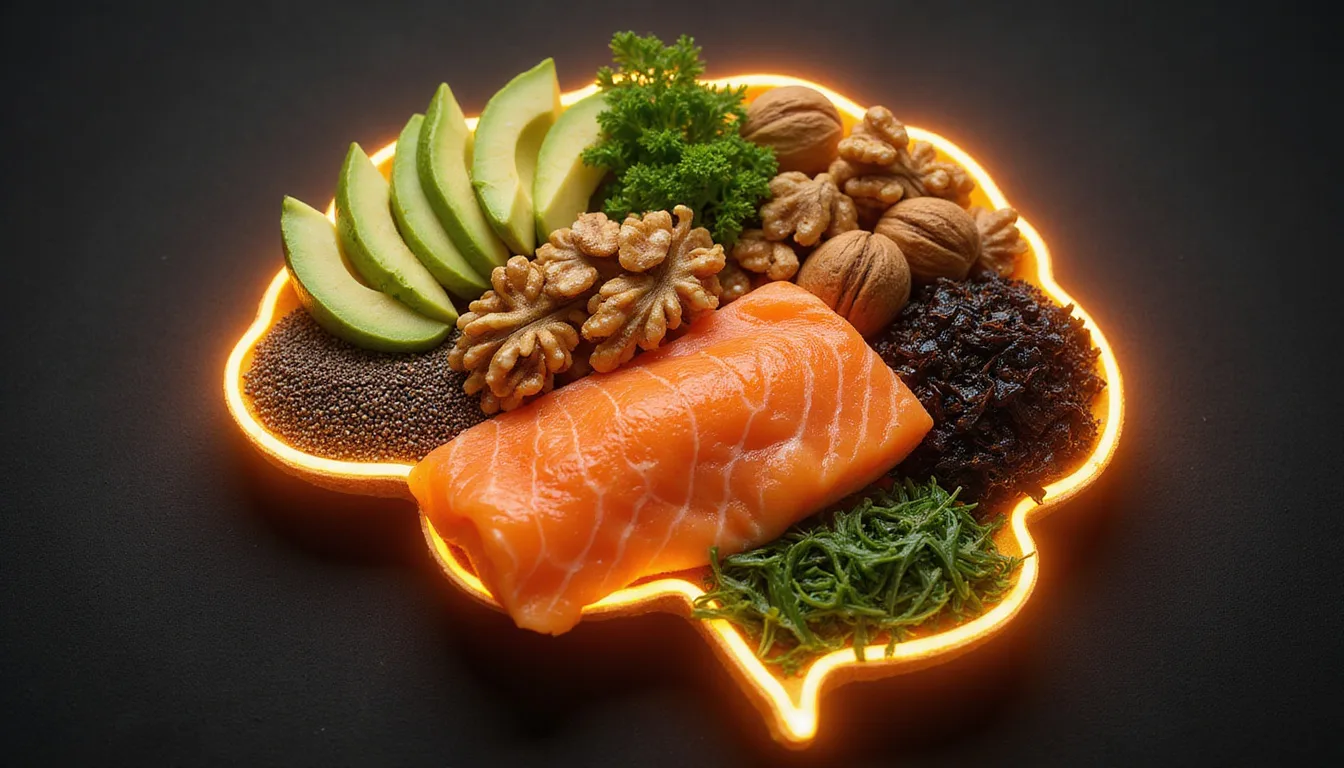
Avocado, nuts, seeds, olive oil, and fatty fish add taste and help your body absorb nutrients.
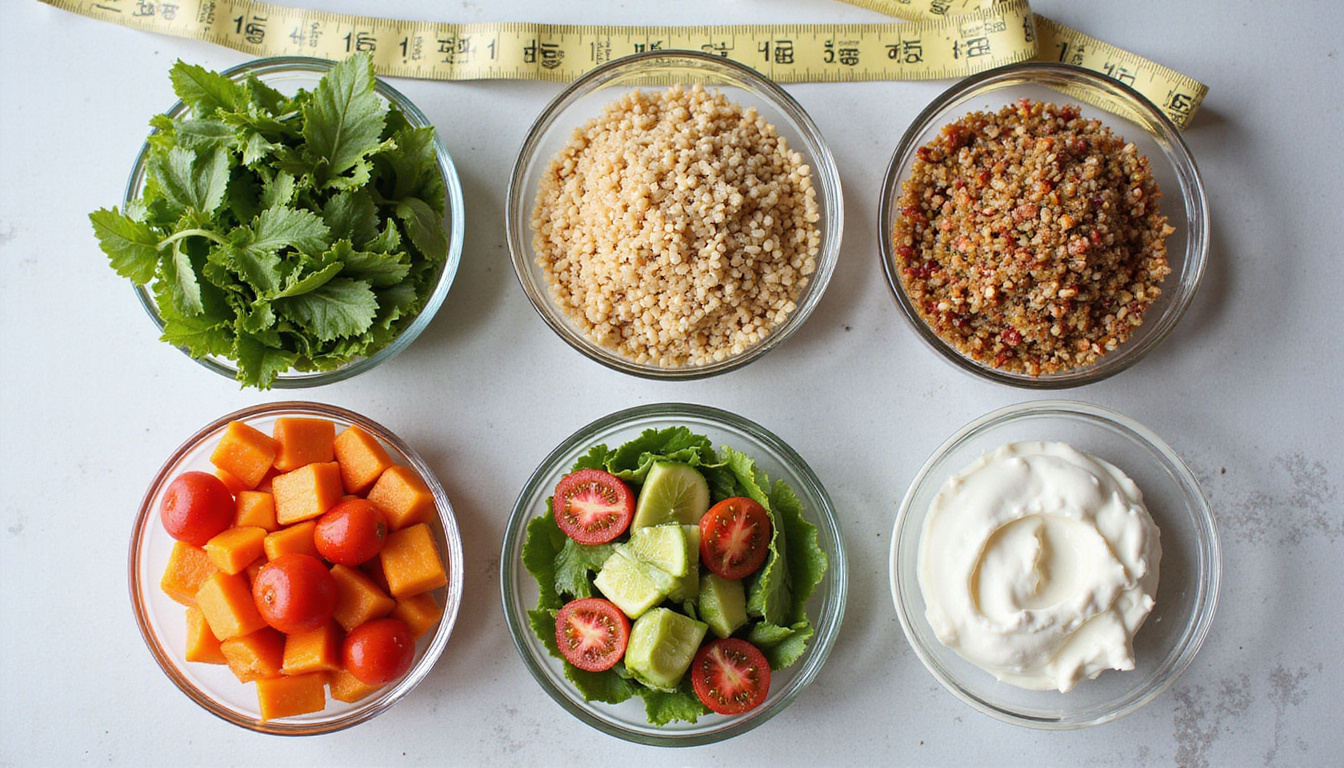
Use Portion Cues
• Protein: About 1–2 palm-sized portions per meal.
• Carbs: Around 1 cupped hand per meal (increase if you are active).
• Fats: About 1 thumb-sized portion per meal.
• Vegetables: At least 1–2 fist-sized portions at lunch and dinner.
7-Day Moderate Carb Meal Plan for Fat Loss
This sample menu aims for roughly 1,600–1,900 calories per day. Adjust portions to match your size, activity, and hunger.
Use this plan as a base. Swap out foods for similar choices you enjoy.
Day 1
• Breakfast: Greek Yogurt Berry Bowl
– 1 cup plain Greek yogurt
– ½ cup mixed berries
– 2 tbsp granola
– 1 tsp honey (optional)
• Snack:
– 1 medium apple
– 10–12 almonds
• Lunch: Chicken, Quinoa & Veggie Bowl
– 4 oz grilled chicken breast
– ½ cup cooked quinoa
– 1 cup mixed veggies (broccoli, bell pepper, carrots)
– 1 tbsp olive oil with a squeeze of lemon
• Snack:
– 1 string cheese or ½ cup cottage cheese
• Dinner: Salmon, Sweet Potato & Greens
– 4–5 oz baked salmon
– ½ medium baked sweet potato
– 2 cups mixed greens with 1 tbsp vinaigrette
Day 2
• Breakfast: Veggie Egg Scramble & Toast
– 2 whole eggs with 2 egg whites
– ½ cup mixed veggies (spinach, onion, peppers)
– 1 slice whole-grain toast
– ½ tbsp butter or an avocado spread
• Snack:
– 1 small banana
• Lunch: Turkey Wrap
– 1 large whole-wheat tortilla
– 3–4 oz sliced turkey breast
– Lettuce, tomato, and cucumber with a spread of mustard or hummus
– Side: 1 cup baby carrots
• Snack:
– ¾ cup Greek yogurt
• Dinner: Beef Stir-Fry
– 4 oz lean beef strips
– 1 cup mixed stir-fry veggies
– ½ cup cooked brown rice
– 1 tbsp soy sauce (or tamari) with 1 tsp sesame oil
Day 3
• Breakfast: Overnight Oats
– ½ cup rolled oats
– ½ cup unsweetened almond (or dairy) milk
– ½ cup berries or sliced fruit
– 1 tbsp chia seeds
– 1 tsp maple syrup (optional)
• Snack:
– 1 orange
• Lunch: Lentil & Veggie Soup with a Side Salad
– 1½ cups lentil soup (homemade or low-sodium)
– Side salad: 2 cups greens with assorted veggies, dressed with 1 tbsp olive oil and a bit of vinegar
• Snack:
– A small handful (about ¼ cup) mixed nuts
• Dinner: Chicken Fajita Plate
– 4 oz grilled chicken strips
– ½ cup black beans
– ½ cup sautéed peppers and onions
– ¼ avocado
– Salsa and a spoon of Greek yogurt in place of sour cream
– Optional: 1 small corn tortilla
Day 4
• Breakfast: Smoothie (Moderate Carb, High Protein)
Blend:
– 1 scoop protein powder
– ½ banana
– ½ cup frozen berries
– 1 tbsp peanut butter
– 1 cup unsweetened almond milk
– A small handful of spinach
• Snack:
– 1 rice cake with 1 tbsp almond butter
• Lunch: Tuna & Chickpea Salad
– 4 oz canned tuna (in water, drained)
– ½ cup chickpeas
– Chopped veggies (cucumber, bell pepper, tomato)
– 1 tbsp olive oil with a squeeze of lemon and a pinch of salt and pepper
– Served over 1–2 cups mixed greens
• Snack:
– 1 pear
• Dinner: Baked Chicken & Roasted Veggies
– 4–5 oz baked chicken (thigh or breast)
– 1 cup roasted Brussels sprouts with carrots
– ½ cup roasted potatoes or sweet potatoes
Day 5
• Breakfast: Cottage Cheese Bowl
– ¾–1 cup cottage cheese
– ½ cup pineapple or berries
– 1 tbsp ground flaxseed
• Snack:
– 1 hard-boiled egg
– 1 small fruit (like a kiwi or plum)
• Lunch: Shrimp & Brown Rice Bowl
– 4 oz sautéed shrimp
– ½ cup cooked brown rice
– 1 cup steamed broccoli
– 1 tbsp olive oil or your favorite light sauce
• Snack:
– 10–12 pistachios
– A small bundle of carrot or celery sticks
• Dinner: Turkey Meatballs & Whole-Wheat Pasta
– 4 oz turkey meatballs (homemade or lean store-bought)
– 1 cup cooked whole-wheat pasta
– ¾ cup low-sugar marinara sauce
– Side salad dressed lightly (about 1 tbsp dressing)
Day 6
• Breakfast: Protein Pancakes
Mix and cook:
– ½ cup oats (you can blend these into flour)
– 1 scoop protein powder
– 1 egg with a splash of milk
Cook into pancakes and top with ¼ cup berries and 1 tsp maple syrup.
• Snack:
– 1 small apple with 1 tbsp peanut butter
• Lunch: Chickpea & Veggie Grain Bowl
– ½ cup cooked farro or quinoa
– ½ cup chickpeas
– 1 cup roasted or raw veggies
– 1–2 tbsp tahini or yogurt-based dressing
• Snack:
– ¾ cup Greek yogurt or skyr
• Dinner: White Fish & Veggie Tray Bake
– 4–5 oz cod or tilapia
– 1 cup mixed veggies (zucchini, tomatoes, onions)
– ½ cup roasted baby potatoes
– Drizzle with olive oil and sprinkle some herbs and garlic
Day 7
• Breakfast: Avocado Toast with Eggs
– 1 slice whole-grain bread
– ¼–½ avocado, mashed
– 1–2 eggs (fried or poached)
– A light sprinkle of salt, pepper, and chili flakes
• Snack:
– 1 cup berries or grapes
• Lunch: Grilled Chicken Salad
– 4 oz grilled chicken
– 2–3 cups mixed greens
– ½ cup cherry tomatoes
– ¼ sliced cucumber
– 1–2 tbsp feta cheese (if you like)
– 1 tbsp olive-oil-based dressing
– Optional: ½ small whole-grain pita on the side
• Snack:
– A small handful of trail mix (nuts mixed with a few raisins)
• Dinner: Turkey Chili
– 1½ cups lean turkey chili with kidney beans, tomatoes, onions, and peppers
– Top with 1 tbsp shredded cheese and a spoon of Greek yogurt
Snack and Swap Ideas to Keep Things Flexible
Mix and match from these ideas if you need variety or quick options.
Quick Snacks
• Greek yogurt with a small handful of berries
• Apple slices with 1 tbsp nut butter
• A small banana with string cheese
• A rice cake topped with cottage cheese and sliced tomato
• Hummus with raw veggies
• ¼ cup nuts paired with a piece of fruit
Easy Carb Swaps
• Swap white rice for brown rice, wild rice, or quinoa
• Swap regular pasta for whole-wheat or legume-based pasta
• Swap sugary cereal for oats or muesli
• Swap flavored yogurt for plain Greek yogurt combined with fruit
• Swap white bread for whole-grain bread or high-fiber wraps
Tips for Sticking to a Moderate Carb Lifestyle
You want a way of eating that lasts. Follow these ideas:
- Plan most of your meals. Use the meal plan as your base and allow a few flexible choices each week.
- Keep to regular eating patterns. One higher-carb day will not ruin your weekly efforts.
- Stay active. A 20–30 minute walk each day helps your energy and mood.
- Drink enough water. Thirst may feel like hunger. Aim for about 2–3 liters per day.
- Adjust portions when needed. If fat loss slows after 2–3 weeks, trim a bit of your carb or fat portions. If you feel low or lose too quickly, add a little extra carb, especially near workouts.
FAQ: Moderate Carb Diets and Fat Loss
-
Is a moderate carbohydrate diet good for weight loss?
Yes. A moderate carbohydrate plan works when you create a calorie deficit and pick fiber-rich carb sources. Studies show that both low- and moderate-carb diets can work well. The best plan is one you can follow over time. -
How many carbs count as moderate per day?
For many adults, a moderate carb intake is about 30–45% of total calories. On an 1,800-calorie diet, that means roughly 135–200 grams of carbs per day. Choose carbs from vegetables, fruits, whole grains, and legumes instead of sugars and refined starches. -
Can you build muscle on a moderate carb meal plan?
Yes. A moderate carb plan gives enough fuel for your workouts and enough protein to repair muscle. If you eat enough total calories, follow protein targets (around 0.7–1.0 g per pound of body weight), and do strength training, you can build or maintain muscle.
Start Your Moderate Carb Journey Today
You do not need to cut out entire food groups or fear every meal to lose fat. A moderate carb plan lets you eat satisfying portions of foods you enjoy, keeps your energy high, and supports steady fat loss. Use the 7-day plan above as your starting guide. Mix in your favorite proteins, veggies, and whole-food sources and note how your body responds over the next few weeks.
Pick one small step today:
• Plan your next day using these meal ideas.
• Prepare one protein and one carb in bulk (such as chicken and brown rice).
• Swap one refined carb for a whole, high-fiber option.
Small, steady actions make a big difference. Start now and let this be the only restart you need.
[center]Always consult with your doctor prior to making drastic diet changes.[/center]
[center]As an Amazon Affiliate, Savvy Keto makes a small commision (at no extra cost to you) on any purchases you make thru affiliated links you click on.[/center]