
If you’ve tried dirty keto because it felt like a low-effort version of keto, you are not alone.
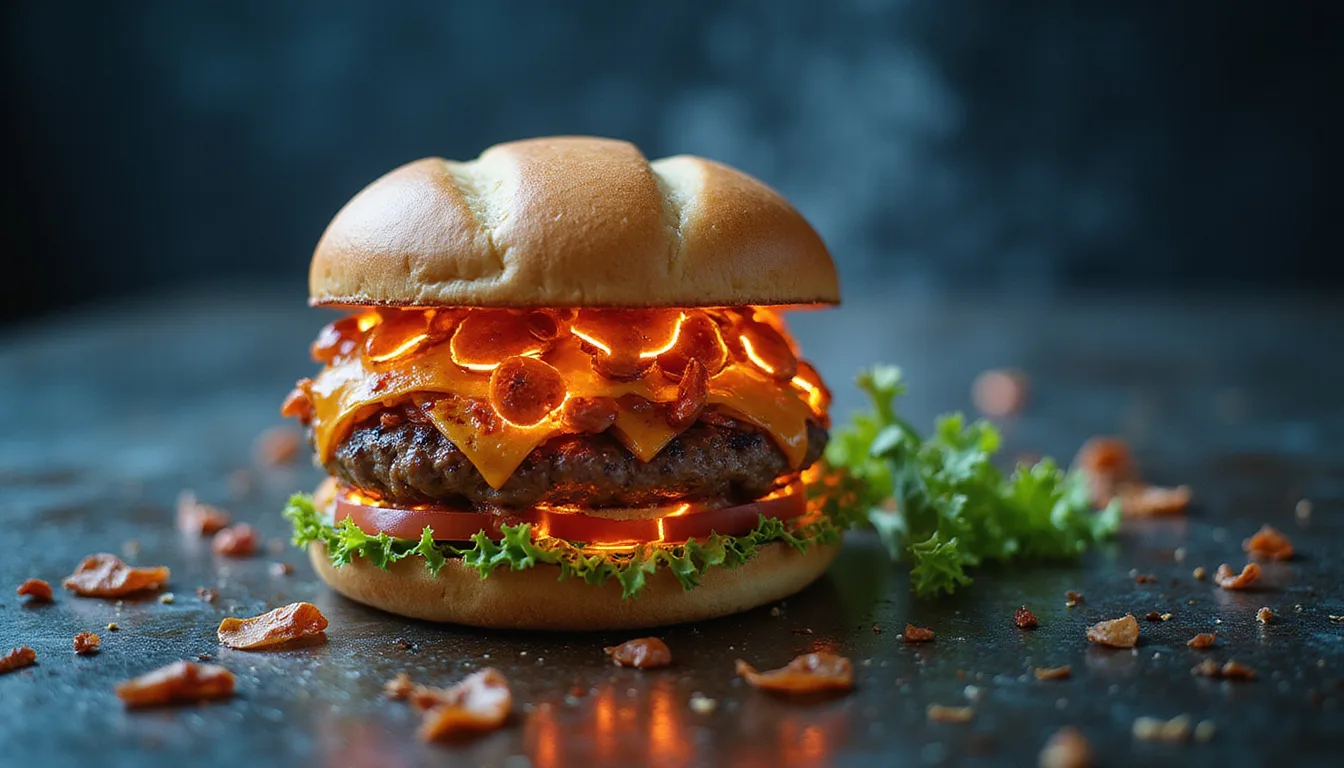
The idea of eating burgers without buns, fast-food sandwiches without bread, and enjoying bacon while losing weight is very appealing.
That lazy plan can slow fat loss, lower your energy, and even hurt your long-term health—often without you noticing that dirty keto is the reason.
This guide shows the most common dirty keto mistakes that hurt your progress, what they do to your body, and how to fix them without making every meal a project.
What Is Dirty Keto, Really?

Clean keto keeps these points in mind:
- High fat
- Moderate protein
- Very low carbs (usually under 20–50 g net carbs per day)
- Whole, nutrient-rich foods
Dirty keto uses the same macro ratios but does not mind the food source. If it is low in carbs and fits your numbers, it is allowed. This includes:
- Processed meats
- Fast food without buns
- Packaged snacks marked “keto”
- Drinks with artificial sweeteners
- Low-fiber, low-quality oils and fats
At first, you may drop into ketosis and lose water and fat. Over time, however, this all-allowed way can harm your progress in ways that macro numbers do not show.
Mistake #1: Thinking Macros Are All That Matter
The biggest trap in dirty keto is the belief that simply hitting your macros is enough.
Keto relies on macro ratios, but your body needs more than just carbs, fat, and protein.
When you ignore food quality, you lose vitamins, minerals, and other beneficial nutrients.
Your body can get more inflammation, lose gut balance, and find hunger hard to control.
You might stay in ketosis on paper, yet still feel flat, tired, or “off” while your progress slows.
Fix it: Keep your macros in check but choose better food sources. Try this swap:
- Processed meats → fresh poultry, fish, and lean cuts
- Keto snacks → nuts, seeds, olives, or a bit of cheese
- Industrial seed oils → olive oil, avocado oil, butter, or ghee
Macros get you into ketosis; the quality and small nutrients in food help your body work well.
Mistake #2: Relying on Processed Meats and Fast Food
A key mark of dirty keto is a heavy use of:
- Fast-food burgers without buns
- Bacon, sausage, and hot dogs
- Deli meats that include extra ingredients
- Frozen breaded “keto-friendly” foods
These foods are simple to reach for, but they bring problems:
-
High sodium and additives
Too much salt, with little potassium and magnesium, can worsen symptoms like headache and tiredness. It can raise blood pressure or cause water retention. -
Nitrates, nitrites, and preservatives
These are linked with higher risks of long-term disease when eaten often. -
Hidden sugars and fillers
Some sausages, bacon, and deli meats include sugar, starch, or maltodextrin. This can push you over your carb limit without you knowing.
Fix it: Use processed meats only sometimes. Goals to try:
- Get about 70–80% of your protein from whole, minimally processed foods.
- Check labels for hidden sugars or starches.
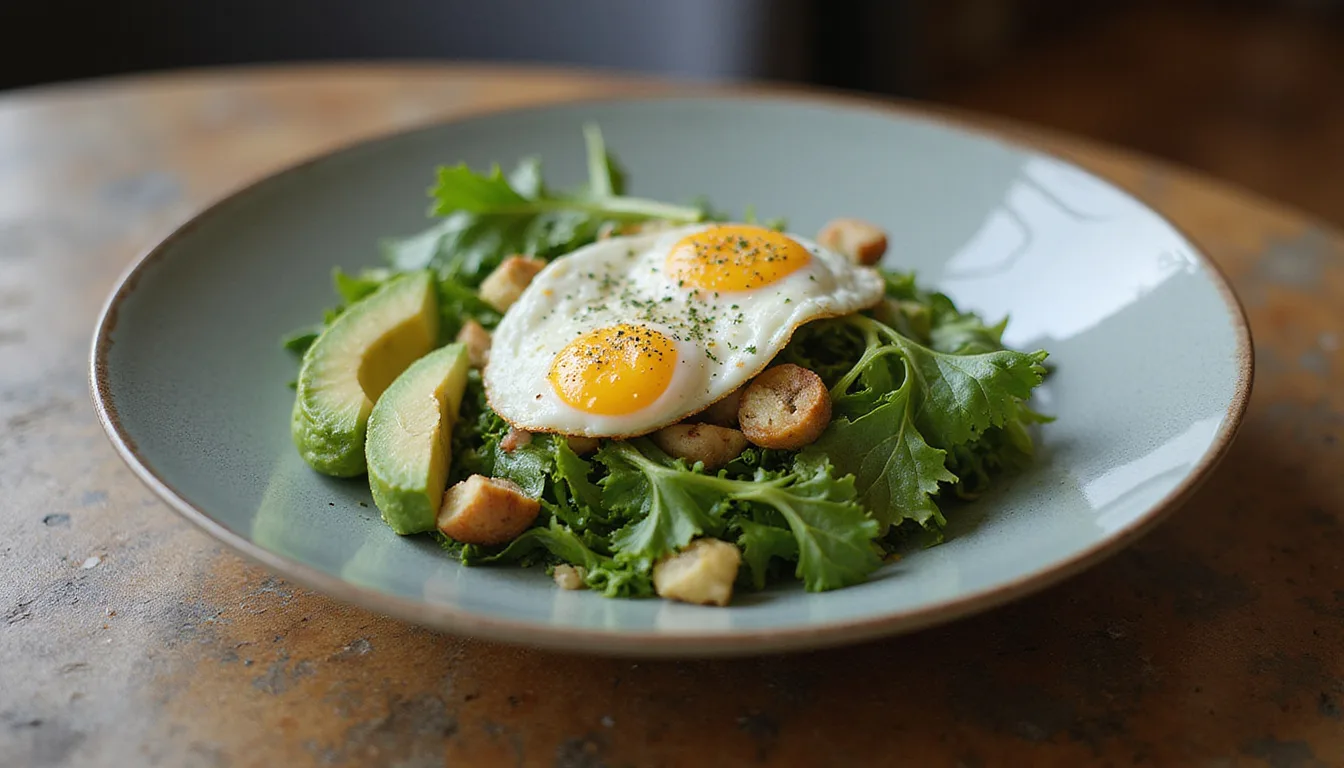
- Cook simple proteins at home (baked chicken thighs, hard-boiled eggs, or ground beef with spices work well).
Mistake #3: Using Too Many “Keto-Friendly” Packaged Snacks
It is easy to fall for any product marked “keto” or “low carb.”
These items often include:
- Sugar alcohols (like erythritol, maltitol, or sorbitol)
- Artificial sweeteners (such as sucralose or aspartame)
- Processed fibers (like inulin or soluble corn fiber)
- Some seed oils that may cause inflammation
These can lead to:
- Gas, bloating, or diarrhea from sugar alcohols and certain fibers
- A steady hunger that slows fat loss because constant snacking confuses the body
- A taste for sweetness that makes it hard to choose plain foods later
Fix it: Treat these snacks like dessert—only sometimes. Choose whole food snacks when you need them, for example:
- A small handful of nuts or seeds
- A piece of cheese with a few olives
- Celery or cucumber with guacamole
Mistake #4: Ignoring Fiber and Vegetables
Many on dirty keto avoid vegetables to save on carbs.
This means very low fiber. Low fiber can lead to:
- Constipation and bloating
- Poor gut health
- Higher bad cholesterol and triglycerides for some
- More body inflammation
Fiber slows digestion, helps control blood sugar, and makes you feel full.
Fix it: Use some of your carbs for non-starchy vegetables and low-sugar fruits. Good picks are:
- Leafy greens (spinach, romaine, kale, arugula)
- Broccoli, cauliflower, cabbage, or Brussels sprouts
- Low-carb choices like zucchini, mushrooms, asparagus, bell peppers, or cucumbers
- Small servings of berries such as raspberries, blackberries, or strawberries
You can stay below 20–30 g net carbs while still eating plenty of vegetables if you choose well.
Mistake #5: Adding Too Many Unhealthy Fats
Dirty keto often praises the idea of unlimited fats. This makes many add too many of:
- Deep-fried foods
- Cheap vegetable or seed oils (like canola, soybean, or corn oil)
- Margarine or spreads made from vegetable oil
- Trans fats found in processed foods
These fats are common in restaurant food and packaged meals. They can raise inflammation, affect cell function, and hurt your metabolism over time.
Fix it: Choose cleaner fat sources as much as you can:
- Best choices: extra virgin olive oil, avocado oil, coconut oil, butter, ghee, or tallow (in moderation), fatty fish, avocado, nuts, and seeds
- Try to cut back on deep-fried foods and items cooked with unknown oils
You do not need to be perfect, but swapping for better fats can really boost the quality of your approach.
Mistake #6: Neglecting Electrolytes and Hydration
Many on dirty keto face these signs:
- Headaches
- Tiredness and brain fog
- Dizziness
- Muscle cramps
- Heart palpitations
- Irritability
This is not just early keto symptoms. It can last weeks or months if minerals like sodium, potassium, and magnesium fall too low. If you eat mostly processed meats and few vegetables, this is more likely.
Fix it:
- Salt your food to taste. A pinch of salt in water may help if you feel lightheaded.
- Eat low-carb foods rich in potassium (like avocado, leafy greens, or mushrooms).
- Think about a magnesium supplement (common types are citrate, glycinate, or malate).
- Drink water throughout your day.
Better balance of these minerals can help you feel more alert and keep your workouts strong.
Mistake #7: Eating Too Much “Because It’s Keto”
Dirty keto can make you think that calories do not matter.
Even in ketosis, too many calories can keep you at the same weight, slow fat loss, or cause a slow return of weight.
Common ways to eat too much on dirty keto include:
- Eating a lot of cheese and nuts
- Frequent snacking on “zero carb” foods
- Drinking bulletproof-style coffees with extra butter or oil
- Grazing late at night because everything is labeled keto
Fix it: You do not need to count every calorie, but be aware of how much you eat:
- Try to have protein at each meal to help you feel full.
- Eat slowly and stop when you feel snug, not stuffed.
- Use fat to satisfy hunger without adding extra calories.
- If your progress stalls for weeks, watch your calories for a few days to see where the extras come from.
Mistake #8: Forgetting About Protein Quality
Dirty keto often uses:
- Fatty cuts of meat that lack quality
- Bacon or sausage as the main source of protein
- Cheese that is mostly fat
If your protein is low or comes mainly from processed foods, you may see slower fat loss, weaker hair, nails, and skin, poor workout recovery, and a lower metabolic rate over time.
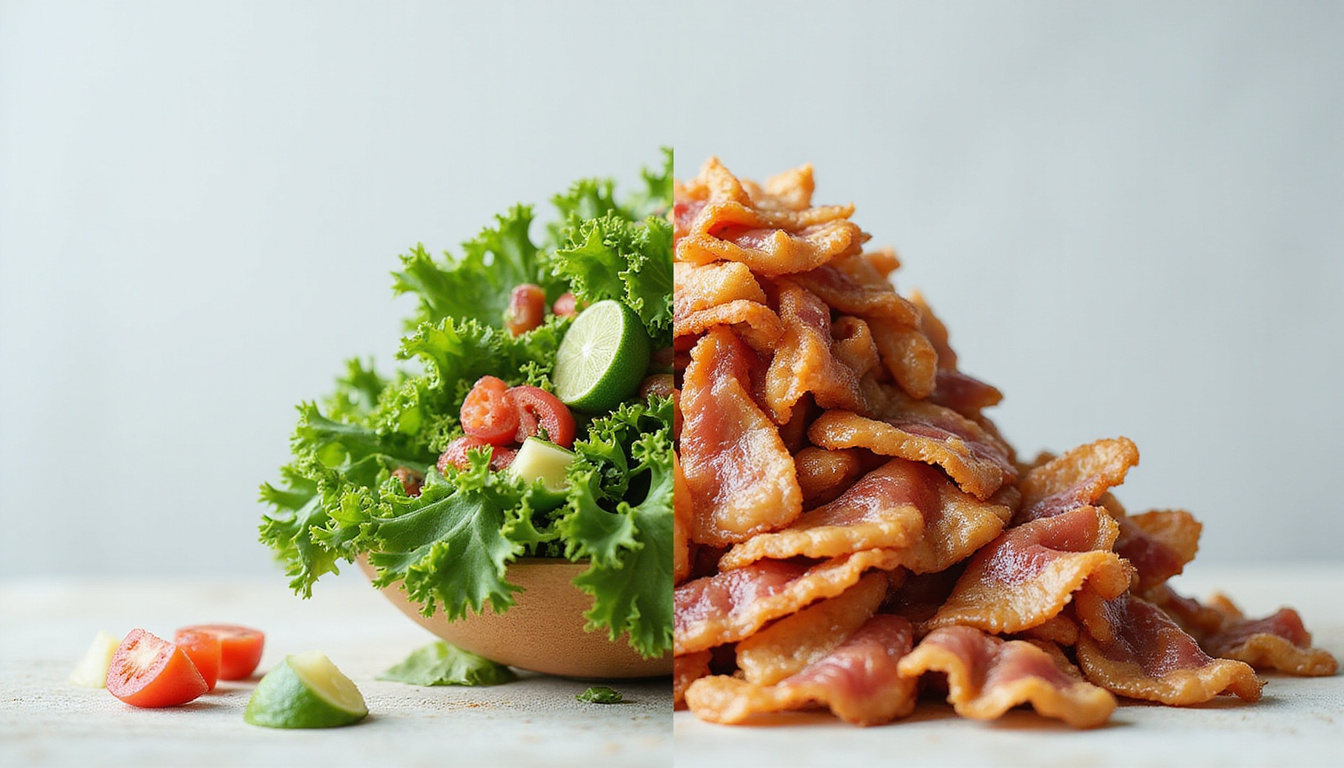
Fix it: Try to get about 0.6–1.0 grams of protein per pound of your target weight (or 1.4–2.2 g per kg). Focus on:
- Meat and poultry
- Fish and seafood
- Eggs
- Greek yogurt or cottage cheese (if you tolerate dairy and can stay within your carb limit)
- Clean protein powders when needed
Think of fat as the fuel and protein as the building block that your body needs.
Mistake #9: Letting Dirty Keto Become a Junk Food Diet
It is easy for dirty keto to become a day of:
- Fast-food burgers (no bun) every day
- Bacon and sausage in the morning every day
- Cheese on every meal
- Packaged bars and cookies for a treat
Even if you meet your macros and stay in ketosis, you end up with a low-carb junk food diet. Over time, this can hurt heart health, worsen blood fats, raise inflammation, and leave you short on key nutrients.
Fix it: Keep a simple check in your mind:
“If this food were not keto, would I call it healthy most days?”
If not, consider it a treat and not a main part of your meals. Try to include at least one whole food (meat, eggs, vegetables, nuts, etc.) in every meal.
Mistake #10: Ignoring Long-Term Sustainability
Dirty keto feels flexible and less strict. Yet, if your food choices mix mostly convenience and processed items, you will likely face problems:
- You may get bored with the same greasy meals.
- Your energy and mood might drop.
- You might start to question if keto works for you.
- You might return to high-carb junk food because you never learn simple, balanced habits.
A lasting approach does not need to be perfect clean keto. It should simply move from very dirty choices to smarter and cleaner ones most days.
How to “Clean Up” Dirty Keto Without Making Life Hard
You do not have to become a gourmet chef or spend hours on meal prep. Start with small changes that give most of the benefits without much extra work.
Simple Daily Upgrades
-
Build a simple plate:
- Protein (about the size of your palm or more)
- Low-carb vegetables (fill at least half your plate)
- A bit of fat (like olive oil, avocado, or butter) to taste
-
Keep easy staples nearby:
- A rotisserie chicken (check that it does not include sugar)
- Bagged salad mixes (choose dressings with low sugar)
- Frozen vegetables
- Eggs, canned tuna or salmon, or pre-cooked shrimp
-
Cut down on packaged treats:
- Choose one small window for a “keto treat” each day or week instead of nibbling all day.
-
Plan for real food when you eat out:
- Bunless burgers with extra lettuce and a side salad instead of fries
- Grilled meats or fish with non-starchy vegetables
- Ask for sauces and dressings on the side
One-Week “Clean-Up” Challenge
Try this quick challenge to set your course:
- Day 1–2: Add one serving of non-starchy vegetables to every meal.
- Day 3–4: Replace one serving of processed meat with a fresh protein.
- Day 5–6: Cut packaged keto snacks by half; use nuts, olives, or boiled eggs instead.
- Day 7: Check how you feel—look at your energy, digestion, cravings, and sleep. Then choose two changes to keep.
Small, steady changes do more for your progress than one week of perfect clean eating that burns out quickly.
Quick Checklist: Are You Doing Dirty Keto Wrong?
Use this list to see if you have issues with your dirty keto approach:
- [ ] Most of my protein comes from processed meats (bacon, sausage, deli meat).
- [ ] I eat many packaged “keto” snacks or sweets almost every day.
- [ ] I rarely include vegetables or worry that they will use too many carbs.
- [ ] I do not pay attention to the oils or fats in my food.
- [ ] I assume calories do not matter if carbs are low.
- [ ] I often feel tired, foggy, or have constipation or leg cramps.
- [ ] My weight loss has stalled for three to four weeks or more.
- [ ] Most of my meals when I eat out are fast food (even without the bun).
If you checked many of these, your approach to dirty keto may be slowing your progress. Try first to improve one or two areas instead of fixing everything at once.
FAQ About Dirty Keto and Common Pitfalls
1. Is dirty keto bad for you?
Dirty keto is not always “bad.” Yet, when you rely on processed meats, packaged snacks, and low-quality fats, you risk missing important nutrients, getting more inflammation, and stalling your progress. If most of your meals come from fast food and packaged items, you may not get the fiber, vitamins, and minerals your body needs.
2. Can you lose weight on dirty keto long term?
You might lose weight at first, especially when you switch from a high-carb diet. Over time, hidden calories, constant snacking, and poor food quality can slow your progress or even bring back weight. A version with more whole foods is usually more effective and easier to stick with.
3. How do I move from dirty keto to clean keto?
You do not need to change everything at once. Try these steps:
- Swap one processed meat serving per day for fresh meat, fish, or eggs
- Add two to three servings of low-carb vegetables each day
- Limit “keto treats” to a fixed number per week
- Choose healthier fats like olive oil, avocado, or butter instead of seed oils
These small steps help shift you away from the pitfalls of dirty keto while keeping your routine steady.
Turn Your Dirty Keto into a Strong, Lasting Strategy
You do not need to quit keto or become very strict to fix the problems of dirty keto. By upgrading your fats, adding more fiber and vegetables, choosing quality protein, and cutting back on too much processed food, you can:
- Break through stubborn plateaus
- Feel more awake and mentally clear
- Support your heart, gut, and hormones
- Keep a keto lifestyle that lasts
Start with one or two mistakes that match your current habits and choose a small change this week. Create a simple meal plan, keep a few real-food staples available, and save packaged “keto” food for days when you need quick options.
Your body—and your progress—will show the difference when you give it better food. Improve your dirty keto today and turn a quick fix into a long-lasting plan.
[center]Always consult with your doctor prior to making drastic diet changes.[/center]
[center]As an Amazon Affiliate, Savvy Keto makes a small commision (at no extra cost to you) on any purchases you make thru affiliated links you click on.[/center]