Introduction
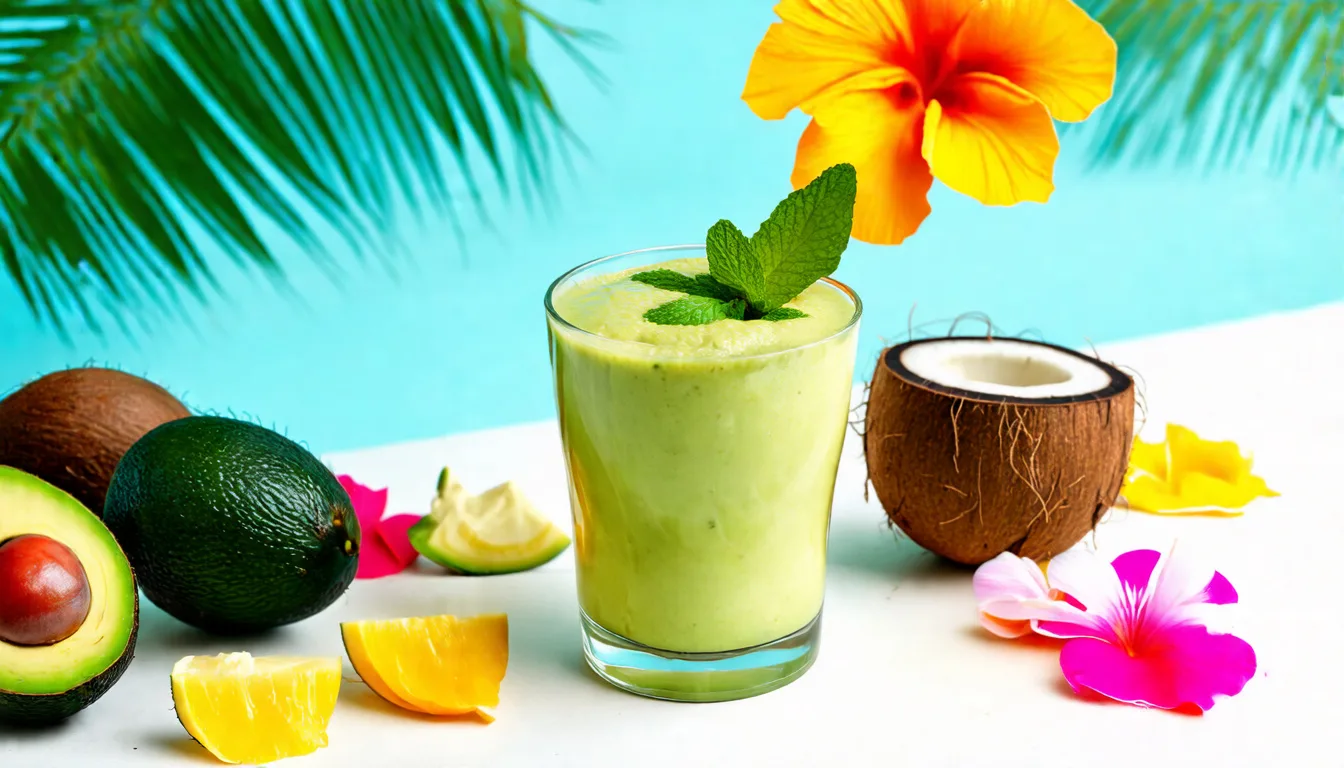
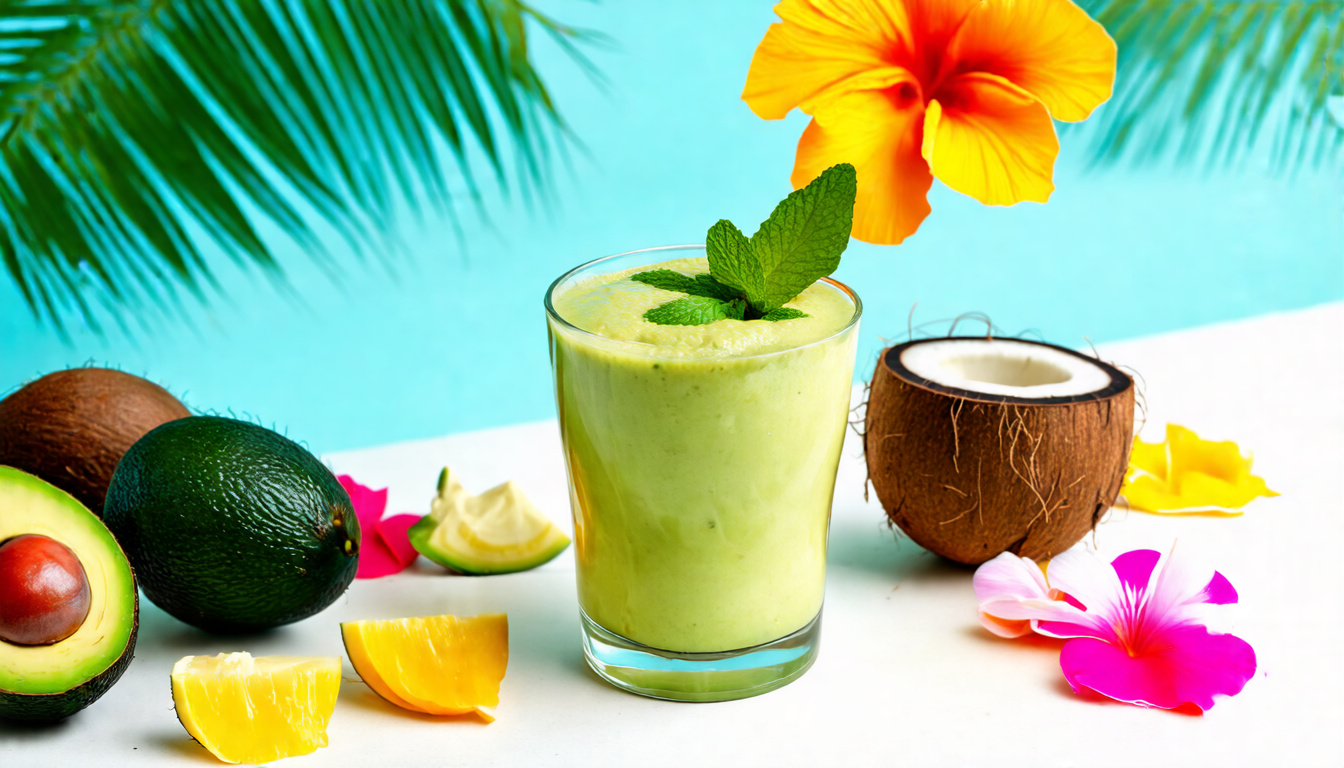
Craving a silky, tropical drink that’s nourishing and keto-friendly? This creamy avocado coconut smoothie combines the richness of avocado with the lush flavor of coconut milk to make a satisfying low-carb beverage. It’s an excellent choice for breakfast, a post-workout snack, or a quick on-the-go meal replacement. For readers searching for a refreshing avocado smoothie with coconut milk, this recipe balances flavor, healthy fats, and low net carbs.

Why this recipe works
- Avocado delivers creamy texture, fiber, and heart-healthy monounsaturated fats.
- Full-fat coconut milk (used in moderation) adds tropical flavor and concentrated fat for satiety.
- A keto-friendly sweetener (erythritol) keeps sweetness without raising net carbs; instructions include substitutions.
- The result is a smooth, indulgent drink that fits well into low-carb and ketogenic eating patterns.
Ingredients (makes 2 servings)
- 1 medium ripe avocado (about 150 g edible)
- 1/2 cup (120 ml) full-fat canned coconut milk (from the can)
- 1/2 cup (120 ml) unsweetened almond milk (or plain water for fewer calories)
- 1 tablespoon fresh lime juice
- 1 tablespoon erythritol (12 g) — optional; substitute liquid stevia or 1–2 teaspoons monk fruit sweetener to avoid sugar alcohols
- 4–6 ice cubes (adjust for consistency)
- Pinch of fine sea salt
- Optional add-ins: 1 teaspoon vanilla extract, 1 teaspoon MCT oil (for extra ketone support), a handful of baby spinach (adds micronutrients — small carb increase)
Instructions
- Halve the avocado, remove the pit, and scoop the flesh into a blender.
- Add coconut milk, almond milk (or water), lime juice, erythritol (or sweetener choice), ice cubes, and a pinch of salt. Add any optional ingredients.
- Blend on high until completely smooth and creamy, scraping down the sides as needed (about 30–60 seconds).
- Taste and adjust sweetness or lime. If too thick, add a splash more almond milk or water and blend briefly.
- Divide into two glasses and serve immediately.
Storage
- Best enjoyed fresh. If you must store, keep refrigerated in an airtight container for up to 24 hours (texture may thicken; stir or re-blend before serving). Avocado may brown slightly with time — add a squeeze of lime and stir to refresh.
Keto & Low-Carb Tips
- To keep net carbs low, use unsweetened products and keto sweeteners (erythritol, stevia, monk fruit).
- For higher fat and satiety, add 1 tsp MCT oil or 1 tbsp heavy cream (these increase calories but not carbs).
- If you prefer zero sugar alcohols, use stevia or monk fruit instead of erythritol — note that sugar alcohols are typically subtracted when calculating net carbs, but some people prefer to avoid them.
Nutritional Information (approximate)
Yield: 2 servings. Values are estimates and will vary by brand/ingredients. Calculations below reflect the ingredients listed (1 medium avocado, 1/2 cup canned full-fat coconut milk, 1/2 cup unsweetened almond milk, 1 tbsp erythritol, 1 tbsp lime juice). Sugar alcohols listed correspond to the erythritol amount.
Total per recipe (both servings combined) — approximate:
- Calories: 535 kcal
- Total carbohydrates: 33.3 g
- Dietary fiber: 10.1 g
- Sugars (natural): ~2.1 g
- Sugar alcohols (erythritol): 12 g
- Net carbs (total carbs − fiber − sugar alcohols): 11.3 g
Per serving (1 of 2) — approximate:
- Calories: ~268 kcal
- Total carbohydrates: ~16.7 g
- Dietary fiber: ~5.0 g
- Sugars (natural): ~1.1 g
- Sugar alcohols (erythritol): 6 g
- Net carbs (per serving): ~5.6 g
Notes on net carbs and sugar alcohols
- Many people on keto subtract erythritol fully when calculating net carbs because it has negligible impact on blood glucose; that’s how the net carb numbers above were calculated. If you prefer to count sugar alcohols partially or fully, adjust net carbs accordingly.
- If you replace erythritol with a non–sugar-alcohol sweetener (stevia or monk fruit), the per-serving net carbs become ~5.6 g (same) except sugar alcohol value would be 0 g — net carbs remain ~5.6 g because erythritol contributes no net carbs when subtracted; if you remove erythritol and the total carbs drop by 12 g, then net carbs would be lower (recalculate based on chosen sweetener).
Flavor variations
- Tropical lime boost: add 1 tbsp shredded unsweetened coconut and a squeeze of extra lime.
- Green boost: add a small handful of spinach (adds ~0.5–1 g carbs per serving).
- Cocoa mocha: add 1 tsp unsweetened cocoa powder and 1/4 tsp instant coffee for a chocolate-coffee twist (small carb impact).
- Protein smoothie: add an unflavored or low-carb vanilla collagen or whey isolate (check label for carbs).
Why this is a healthy choice
- High in healthy fats (monounsaturated from avocado, medium-chain triglycerides from coconut), which promote satiety and support low-carb/ketogenic goals.
- Provides fiber from avocado, which helps slow carb absorption and supports gut health.
- Low net carbs per serving make it appropriate for most low-carb diets, when ingredients are used as listed.
Conclusion
This avocado smoothie with coconut milk is a creamy, tropical-friendly option for health-conscious and low-carb eaters. It’s quick to make, versatile, and delivers satisfying fat and fiber with a low net-carb profile (about 5.6 g net carbs per serving using erythritol). Swap sweeteners or add MCT oil to align the recipe with your personal keto goals and flavor preferences.
If you’d like, I can:
- Recalculate nutrition using different coconut milk brands (carton vs. canned).
- Provide a single-serving version or a higher-protein adaptation.
- Offer printable recipe card or shopping list.