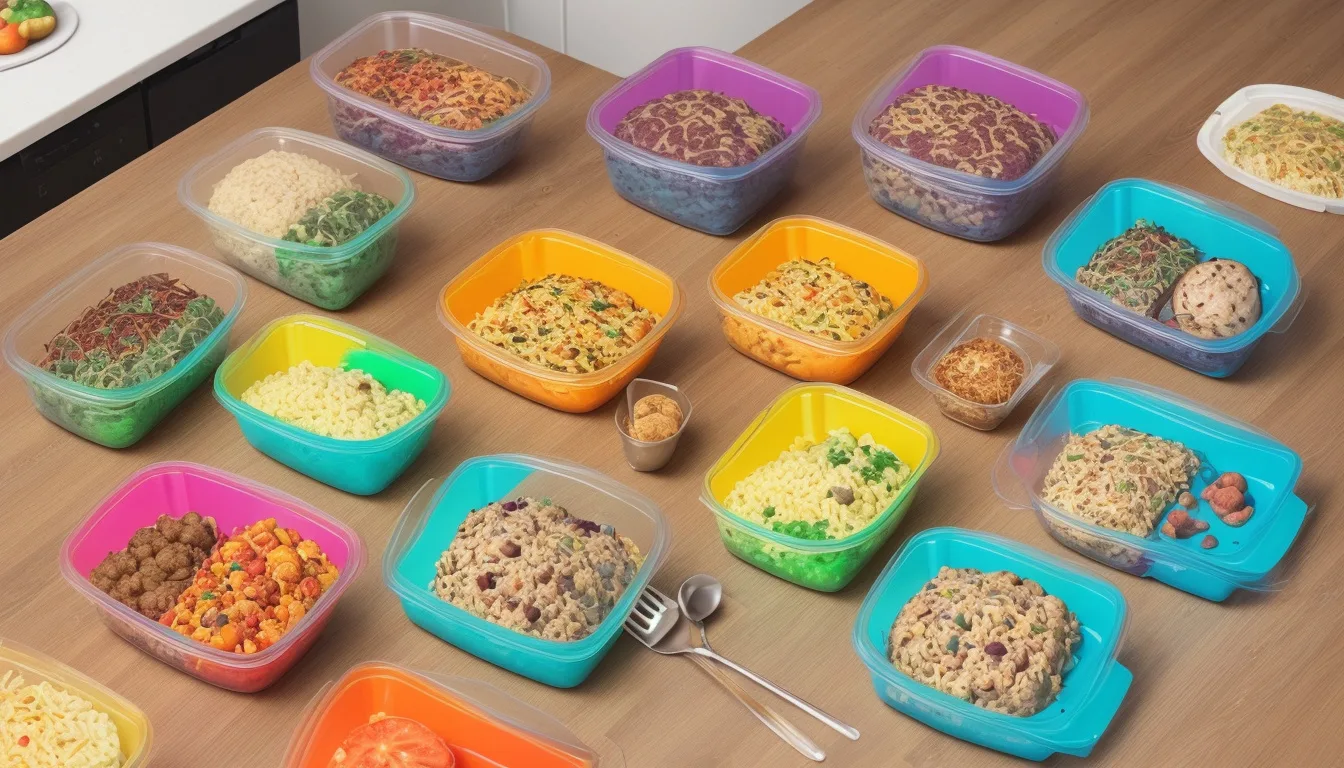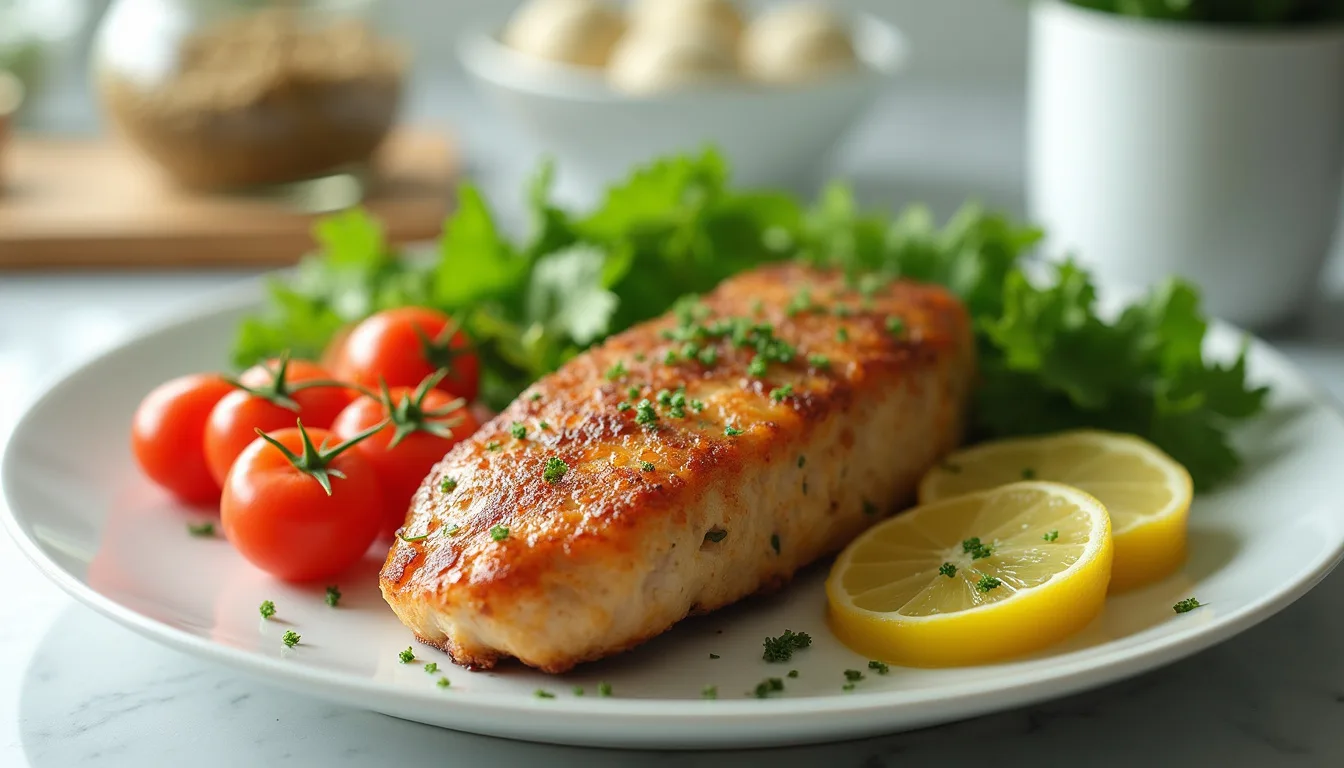
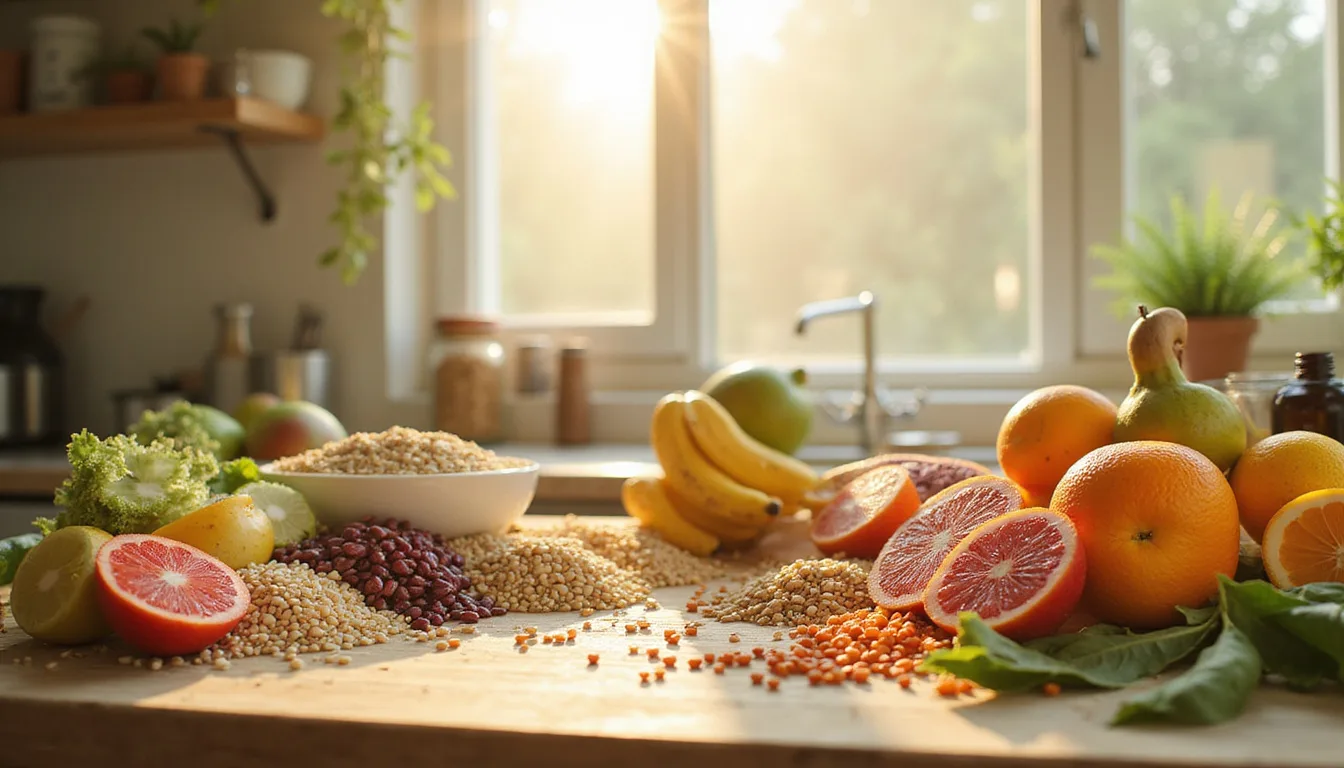
If you’ve crashed in the afternoon after a “healthy” lunch or felt hungry again soon, carb quality is part of the reason.
You eat carbs and they fuel your day. The kind and state of these carbs decide if you have steady energy or if your blood sugar jumps up and down.
This guide shows what experts watch when they check carb quality. It also gives you simple, practical ideas to get steady energy today.
Why Carb Quality Matters More Than Carb Quantity

Carbs run your body. They are the fuel your body likes best.
Not all carbs work in the same way.
High-quality carbs tend to
• sit with their fiber intact
• take longer to digest
• give steady energy
• help your stomach and mood
Low-quality carbs are often
• low in fiber and nutrients
• digested in a flash
• quick to raise and drop blood sugar
• linked with extra hunger and cravings
Two meals with the same number of carbs can work very differently, all because of how good the carb is.
The Basics: What “High Carb Quality” Means
Nutrition experts check four points to judge carb quality:
-
Fiber amount
More fiber makes the food digest slowly. It also keeps blood sugar steady and helps you feel full. -
How much the food is processed
Foods that stay close to their natural form keep their best parts. -
Nutrients inside
The vitamins, minerals, phytonutrients, and antioxidants stay with the carbs. -
Glycemic response
How fast a carb raises your blood sugar and what happens after.
High carb quality means using whole grains, fruits, vegetables, beans, lentils, and other foods that keep their fiber and nutrients intact.
Low carb quality means using refined grains like white bread or packaged snacks and many sugary drinks.
Hack #1: Make Fiber Your Main Carb Filter
If you need one simple tip, choose fiber first.
Fiber marks high-quality carbs.
Here is how fiber works:
• It slows digestion so sugar is released slowly.
• It softens blood sugar jumps and drops.
• It feeds good gut bugs.
• It makes you feel full so you do not snack too much.
Most adults need about 25–38 grams of fiber a day. Most people get less than needed.
Try these fiber swaps:
• White bread → Whole-grain or sprouted-grain bread
• Regular pasta → Pasta made from whole wheat, chickpeas, or lentils
• White rice → Brown rice, wild rice, or quinoa
• Sugary cereal → Steel-cut oats, muesli, or bran cereal
• Low-fiber crackers → Whole-grain crackers with 3 g fiber or more per serving
Aim for 3–5 grams of fiber each meal and 2–3 grams each snack.
Hack #2: Look for "Intact" Carbs, Not Just "Whole"
Many foods say “whole grains”, but that does not mean they are the best.
Experts look at how whole the grain stays.
Intact grains, like steel-cut oats and whole barley, keep a firm texture and digest slowly.
Ground grains, such as whole-wheat flour in bread, work better than refined ones but digest a bit quicker.
Refined grains, like white flour and white rice, lose most of their fiber and cause faster energy swings.
Whenever you can, choose intact grains. They give steadier energy and help keep you full.
Hack #3: Pair Carbs with Protein, Fat, and Fiber (The Stable Energy Formula)
The quality of a carb also depends on what you eat with it.
Use these three groups to keep your energy even:
• Add protein (eggs, Greek yogurt, beans, fish, poultry, tofu)
• Add healthy fat (avocado, nuts, seeds, olive oil)
• Keep fiber in the mix (vegetables, whole grains, legumes, fruit)
Ask yourself when you plan a meal:
“Do I have my protein, fat, and fiber in this?”
Here are some ideas:
• Toast: Use whole-grain toast, add peanut butter, sliced banana, and chia seeds
• Oatmeal: Use steel-cut oats, add Greek yogurt, berries, and walnuts
• Pasta: Choose chickpea or whole-wheat pasta, add olive oil, vegetables, and a protein like chicken or chickpeas
• Snack: Pair an apple with a small handful of almonds
This simple rule makes your meal fill your needs even if the carb is not top quality.
Hack #4: Choose "Slow Carbs" Over "Fast Carbs"
Slow carbs digest slowly. They feed your body over time. Fast carbs, on the other hand, travel fast in your blood.
Slow carbs include:
• Oats, quinoa, barley, brown rice, farro
• Lentils, black beans, chickpeas
• Sweet potatoes and new potatoes with skin, winter squash
• Apples, pears, berries, citrus
• Non-starchy vegetables such as broccoli, carrots, leafy greens, and peppers
Fast carbs include:
• Sugary drinks, juices, energy drinks
• White bread, pastries, and many cereals
• Candy, many granola bars, cookies
• Instant foods with added sugars or refined flours
You do not have to cut fast carbs completely. Instead, let most of your calories come from slow carbs and plan treats with care.
Hack #5: Read the Label Like a Pro
You can judge carb quality by looking at the nutrition label.
Look for these points:
-
Fiber
Aim for 3 g or more per serving in most grain foods.
A “good” source gives 3–4 g; an “excellent” one gives 5 g or more. -
Added sugars
Check the “Total Sugars” and note how many grams come from added sugars.
Try to keep added sugars as low as you can. -
Ingredients list
The first ingredient should say “whole” (like whole wheat or whole oats).
Avoid lists with too much sugar, corn syrup, maltodextrin, or refined flour. -
Carbs to fiber ratio
A good rule is a ratio of 10:1. This means 10 grams of carbs for every 1 gram of fiber.
For example, 20 g carbs and 3 g fiber give a ratio near 7:1, which is a good choice.
This way, you can pick better choices in the grocery store.
Hack #6: Tweak Carbs Based on Your Day
How much and what type of carbs you eat can change with your daily plans.
On busy days:
• You can handle more total carbs.
• It might help to add some quick carbs before or during exercise to get quick energy.
• Keep to high-fiber, whole foods outside of exercise time.
Before a workout you might choose:
• A banana with peanut butter
• Whole-grain toast with a touch of honey
• Yogurt with fruit
On less active days:
• Stick to slow, high-fiber carbs in smaller portions.
• Use non-starchy vegetables and legumes more.
• Watch sweets and refined grains, which may leave you feeling low on energy.
This match between your plan and the type of carb can keep you moving without feeling weighed down.
Hack #7: Time Your Carbs for Better Energy and Sleep
While you need not plan every bite, a few habits can help.
Front-load your day:
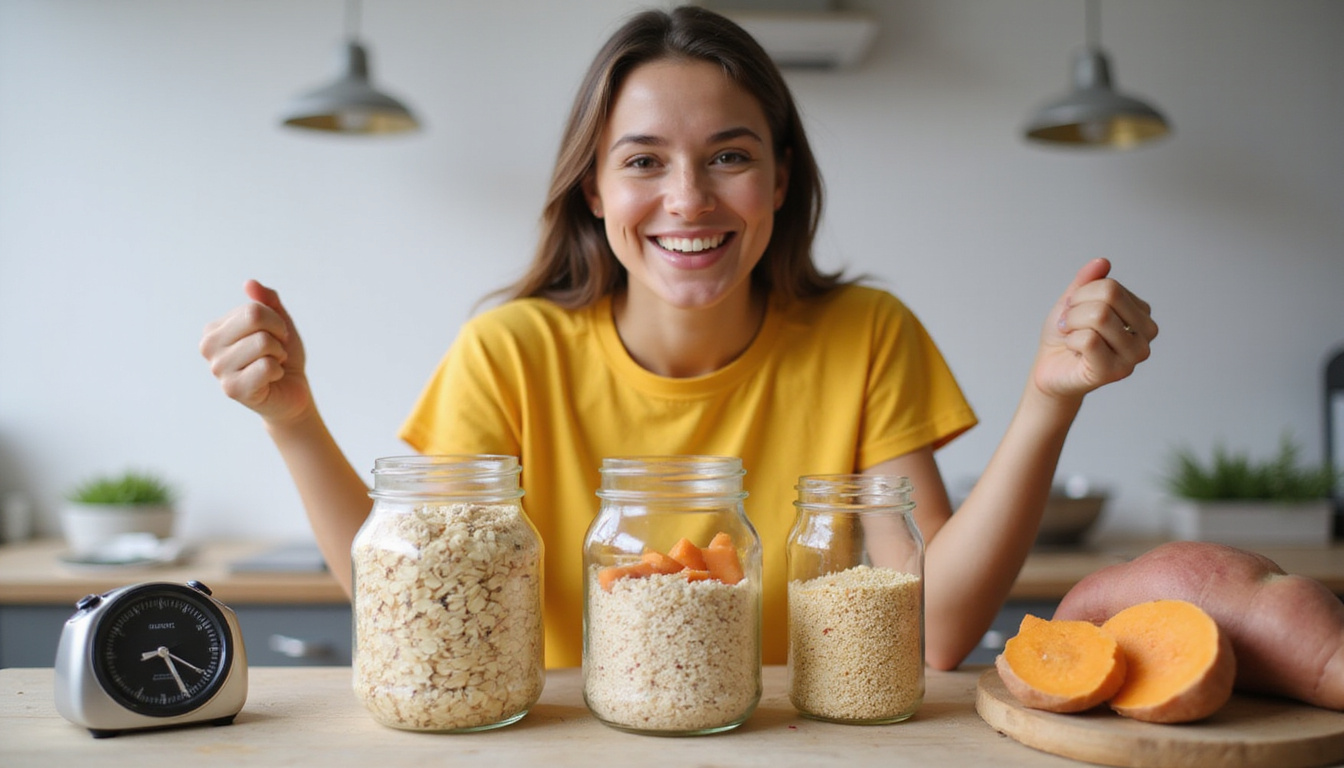
• Start with high-quality carbs at breakfast and lunch like oats, fruit, whole grains, or beans.
They help you focus and keep your mood steady when you are most active.
When you feel full early, you tend to avoid extra snacking.
At night:
• You can include carbs at dinner to help with rest, but keep portions right and use high-quality carbs.
For instance, pair salmon with roasted sweet potato and broccoli.
Meals that are very high in sugar or use refined carbs may disturb your sleep.
Using carb timing smartly may bring better fuel by day and a sound night’s sleep.
Hack #8: Upgrade Your Favorite Carb Foods (Without Losing Taste)
Changing carb quality does not mean leaving behind the foods you like.
Small changes in the same food group can help raise carb quality.
Replace:
-
Bread
Swap white or low-fiber “wheat” bread with whole-grain, sprouted-grain, or rye bread that has at least 3 g fiber per slice. -
Rice and side dishes
Change white or instant rice for brown rice, wild rice, quinoa, or a mix of white and brown to help you adjust. -
Breakfast items
Instead of sugary cereal, try oats with berries and nuts, Greek yogurt with fruit and seeds, or an omelet with vegetables and whole-grain toast. -
Snacks
Swap chips, candy, and low-fiber crackers for fruit with nuts, hummus with carrots or whole-grain crackers, air-popped popcorn, or edamame. -
Desserts
Change large servings of processed sweets to a small portion of a fruit-based treat like baked apples, dark chocolate with berries, or frozen bananas made into “nice” cream.
These small swaps can boost the carb quality while keeping your meals enjoyable.
Hack #9: Use Colorful Plants to Boost Your Meal
Adding more colorful vegetables can raise the carb quality.
They are low in calories but high in fiber, vitamins, and minerals.
They also slow the digestion of other carbs on the plate, helping you feel full.
For example:
• In taco night, add extra peppers, onions, lettuce, and salsa.
• In pasta, mix half the dish with vegetables like zucchini, spinach, mushrooms, or tomatoes.
• In a grain bowl, fill half the bowl with vegetables, one-quarter with grain, and one-quarter with protein.
This way, each bite is richer and moves you toward steady energy.
Hack #10: Practice Careful Carb Awareness Instead of Carb Fear
Carbs have many stories told about them. Some swing from very few carbs to too many. Neither extreme helps your energy nor builds a calm view of food.
Try careful carb awareness:
• Watch how different carb types make you feel 1–3 hours after a meal.
• Notice which meals leave you sharp and which leave you dull.
• Use these signs to adjust your meals without strict rules.
After eating, ask yourself:
• How is my energy?
• Do I feel full or am I reaching for more food soon?
• Is my focus good and is my mood stable?
Over time you see that meals with high-quality carbs, enough protein, a bit of healthy fat, and good fiber give you steady energy for your day.
Sample Day of High Carb Quality Eating for Steady Energy
Below is one example of how a day might look:
Breakfast
• Steel-cut oats cooked with milk or a fortified plant drink
• Top with blueberries, chia seeds, and a spoonful of almond butter
Mid-Morning Snack
• An apple paired with a small handful of walnuts
Lunch
• A bowl with quinoa, black beans, mixed greens, and roasted veggies like sweet potato, peppers, and onions
• Add a drizzle of olive oil, a squeeze of lime, and a sprinkle of pumpkin seeds
Afternoon Snack
• Carrot sticks with hummus or Greek yogurt with a few raspberries
Dinner
• Baked salmon or tofu
• Roasted Brussels sprouts and carrots
• A small side of brown rice or roasted potatoes with skin
Evening Treat (Optional)
• A square of dark chocolate with some strawberries
With each meal, your carbs come with protein, fat, and fiber. This mix works well for steady energy.
FAQ: Carb Quality and Steady Energy
-
What are examples of high-quality carbs for energy?
High-quality carbs include intact whole grains (oats, quinoa, barley, brown rice, farro), beans and lentils (like black beans and chickpeas), starchy vegetables (sweet potatoes, squash, potatoes with skin), whole fruits (berries, apples, pears, oranges), and non-starchy vegetables (leafy greens, broccoli, peppers, carrots). These foods offer fiber and support a steady increase in blood sugar. -
How can I improve carb quality without giving up bread and pasta?
You can keep your favorite foods and raise their quality by choosing 100% whole-grain or sprouted breads that deliver 3 g or more fiber per slice. Choose whole-wheat, chickpea, or lentil pasta instead of refined pasta. Try switching gradually by mixing refined and whole options, and add extra vegetables and a good protein to boost the meal overall. -
Does carb quality matter for weight loss as well as energy?
Yes. While the number of calories plays a part in weight loss, the quality of your carbs affects how full you feel. Foods with more fiber and intact structure help reduce hunger and prevent quick spikes in blood sugar that lead to cravings.
Make Carb Quality Your Everyday Energy Strategy
You do not need a complex plan to stop the energy roller coaster. Focus on high-quality carbs that come with fiber, choose intact grains, prefer slow carbs, and mix your meals with protein, fat, and fiber.
Start with one small change at breakfast, add an extra vegetable at lunch, or swap one snack for a high-fiber option. Over a few weeks, you may notice fewer energy dips, sharper focus, and more stable hunger.
Pick one tip from this guide and try it at your next meal. Keep making these small improvements. Your energy, mood, and overall health will show the benefits of each change.
[center]Always consult with your doctor prior to making drastic diet changes.[/center]
[center]As an Amazon Affiliate, Savvy Keto makes a small commision (at no extra cost to you) on any purchases you make thru affiliated links you click on.[/center]