
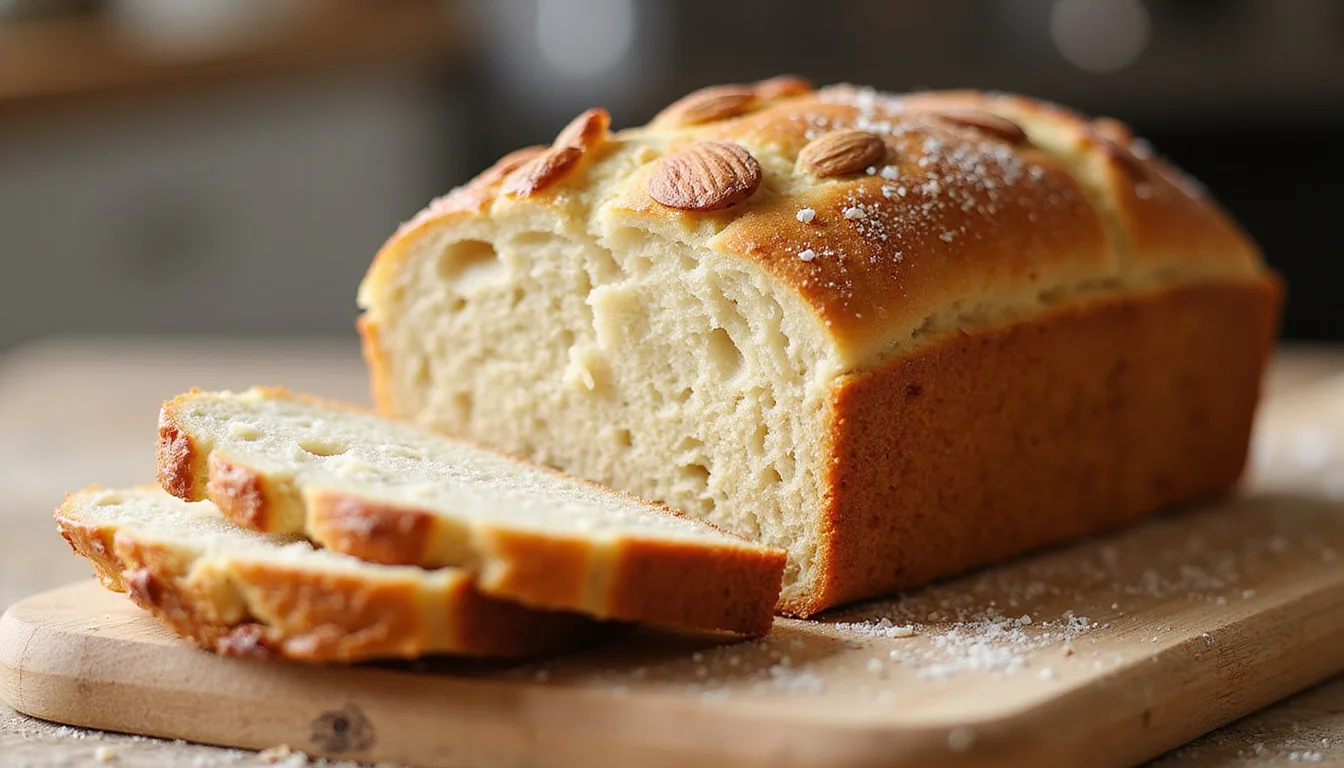
If you try low-carb bread with almond flour and your loaf ends up crumbly or soggy in the middle, you are not alone.
When you mix almonds into a flour form for gluten-free and low-carb bread, it acts in a different way than wheat.
Once you learn how almond flour works and uncover key tips, you can bake moist, reliable low-carb bread each time.
Below is a complete guide to using almond flour for bread: what it is, how it works, core tips, a steady base formula, and simple fixes so you can adjust any recipe with care.
Why Almond Flour Is So Different From Wheat Flour

Before you build almond flour bread skills, it helps to know your ingredient.
What almond flour actually is
Almond flour comes from blanched almonds (skins gone) that are ground very fine into a soft, pale powder. It is:
- Naturally gluten-free
- Rich in fat and protein
- Low in carbohydrates
- Full of vitamin E, magnesium, and fiber (source: Harvard T.H. Chan School of Public Health)
That high fat and protein mix is what makes almond flour breads very satisfying—if you handle it correctly.
How almond flour behaves in bread dough
Compared with wheat flour, almond flour:
-
Has no gluten
Gluten forms a network that traps air, gives stretch, and makes chewy, airy bread. When you use almond flour, you must build the structure with other ingredients. -
Is heavier and denser
Ground almonds weigh more than ground wheat kernels. That extra weight can squash your loaf if the mix is not balanced. -
Absorbs liquid in its own way
Almond flour does not soak up liquid as wheat flour does. Your batter can feel loose or thick because it stays wet. -
Browns and burns faster
The natural oils and sugars in almond flour make the crust brown quickly. You must watch both the time and the heat closely.
Accept these differences and you will find a new path for low-carb bread baking.
Core Tips for Moist, Reliable Almond Flour Bread
Here are the guiding points that change your baking when you use almond flour.
1. Use the right almond flour (not almond meal)
For bread, use finely ground blanched almond flour. Do not use almond meal. Almond meal is rougher and may include skin pieces; it makes breads:
- Gritty
- Heavy
- Prone to crumbling
Check the label: it should say “blanched almond flour” and look pale and powdery, not speckled.
2. Measure almond flour by weight, not cups
Because almond flour can be light or packed, cups do not give the same measure every time.
Use a kitchen scale for true reading.
Most brands give about 96–112 g per cup. Still, use grams when possible.
This accurate measure is the base for consistent, moist loaves.
3. Accept that almond flour dough is more like a thick batter
If you are used to kneading stretchy dough, almond flour bread will feel odd. There is no gluten to work the dough into shape.
Most good almond flour loaves have:
- A thick batter or a scoopable mix, not a kneaded dough
- A quick-bread style method (mix, pour, bake)
- A gentle stirring step if you add yeast for flavor and lift
Trying to knead almond flour can lead to overmixing and a dense, oily bread.
4. Build structure with eggs and binders
Since almond flour lacks gluten, you need other ingredients to create structure.
Common supports include:
- Eggs – They bring protein, lift, and moisture. Most almond flour breads include more eggs than wheat breads.
- Psyllium husk powder – It forms a network like gluten and keeps in moisture; ideal for low-carb loaves.
- Ground flaxseed or chia – They soak up liquid and form a gel that holds the bread together.
- Xanthan gum (a little bit) – It adds stretch and stops crumbling.
Mixing a few of these items is often the secret to bread that cuts like wheat bread but holds its shape.
5. Balance fat and moisture carefully
Almond flour already has a good dose of natural fat. Extra oil or butter can cause:
- A greasy feel
- Sinking centers
- A gummy inside
In most almond flour breads, use less extra oil than in wheat-based quick breads. Allow the natural nut fat to work and pay close attention to:
- Eggs for moisture and structure
- Liquids (water, milk, or non-dairy milk) in small amounts
- Yogurt or sour cream for tenderness and steady moisture
6. Use enough rising agents
Because almond flour is heavy and lacks gluten, you need a bit more rising power.
- For quick breads: Use baking powder and add a pinch of baking soda if there is an acidic mix (like yogurt or vinegar).
- For yeast breads: Yeast adds flavor and some lift, but eggs or psyllium still carry the main structure. Do not expect a giant, airy loaf like wheat bread.
Too much baking powder can form large air pockets that then fall. Even mixing is the goal.
7. Bake a bit longer at a slightly lower heat
Almond flour bread tends to:
- Brown on the outside very quickly
- Stay wet in the middle if baked too fast
To make up for this:
- Heat the oven to about 325–350°F (160–175°C).
- Bake for longer than you might think—often 45–70 minutes, based on the loaf size.
- If the top browns too fast, cover it with foil in the last part of baking.
The best check is a thermometer. Aim for 200–205°F (93–96°C) inside a well-baked loaf.
8. Let it cool completely before cutting
Many skip this step and then find the loaf ruined.
Almond flour bread sets up as it cools. Cutting it too soon can look underbaked or gummy, even when it is done.
- Let it cool in the pan for 10–15 minutes.
- Then place it on a rack and wait 1–2 hours before slicing.
- Use a serrated knife and a gentle sawing motion so you do not squish the bread.
A Flexible Base Formula for Almond Flour Low-Carb Bread
Rather than memorize many recipes, it is wise to know a base formula that you can adjust.
Below is a quick-bread style almond flour loaf (no kneading or long rising time needed). It is low-carb, gluten-free, and made to be:
- Moist yet sliceable
- Neutral enough for both savory and lightly sweet uses
- Easy to mix with herbs, cheese, or seeds
Approximate ingredient ratio (by weight)
For an 8×4 or 9×5 inch loaf pan:
- Almond flour: 200–220 g
- Eggs: 4–5 large (200–250 g out of shell)
- Fat (oil or butter): 30–50 g
- Liquid (water, milk, or non-dairy milk): 60–100 g
- Binder (psyllium, flax, or a mix): 10–20 g total
- Rising agent (baking powder): 10–12 g
- Salt: 4–6 g
Stay close to these ranges to get a strong and forgiving loaf.
Example method (step-by-step)
-
Prep the pan & oven
- Preheat the oven to 340°F (170°C).
- Line your loaf pan with parchment and lightly coat it with grease.
-
Mix dry ingredients
- Almond flour
- Binder (psyllium, ground flax, or a mix)
- Baking powder
- Salt
- Optional extras: dried herbs, garlic powder, onion powder
Stir well to break any clumps.
-
Beat wet ingredients
- Eggs
- Liquid (water, milk, or non-dairy milk)
- Melted butter or oil (cool it slightly first)
- Optional: a teaspoon of vinegar if using baking soda
Beat until the mix is smooth and a bit frothy.
-
Combine gently
- Pour the wet mix into the dry ingredients.
- Stir until you see no dry parts. The batter will be thick and easy to scoop.
- If you use seeds, nuts, or cheese, fold them in now.
-
Transfer and smooth
- Spoon the batter into the pan.
- Smooth the top with a spatula; a damp spatula can work well.
- If you like, sprinkle seeds on the top.
-
Bake and check
- Bake for 45–60 minutes, based on your oven and pan.
- Check the bread at about 40 minutes. If the top browns too much while the middle stays soft, cover the top with foil.
- Insert a toothpick or small skewer; it should come out mostly clear with a few moist crumbs. A thermometer reading of 200–205°F (93–96°C) means it is done.
-
Cool properly
- Let the loaf cool in the pan for 10–15 minutes.
- Then move it to a cooling rack and let it cool fully before you cut it.
Start here and later adjust the ingredients to suit the texture you like.
Fine-Tuning Texture: Moist, But Not Gummy
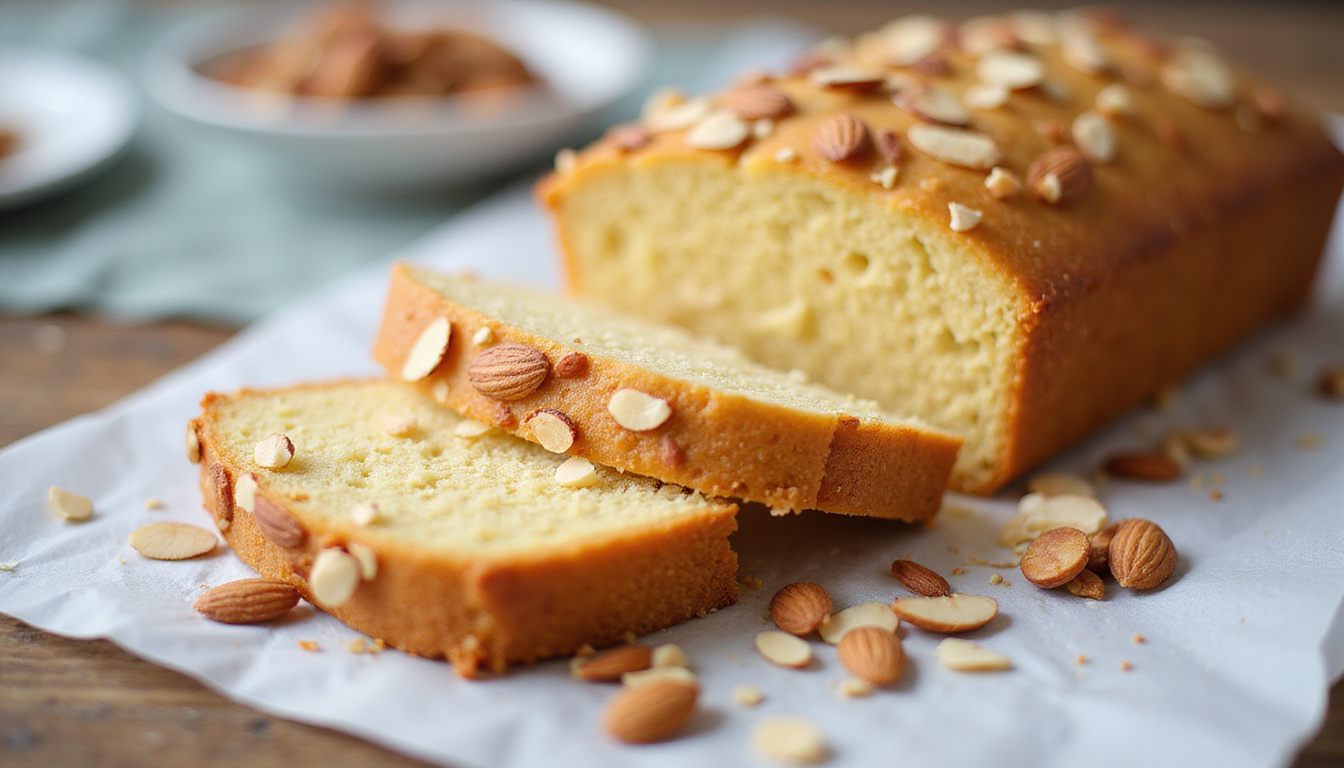
Moist, tender almond flour bread finds a balance. It is not dry and crumbly, nor is it soggy or heavy.
If your almond flour bread feels dry or crumbly
Try one or more of these fixes:
- Increase binders slightly
Add 1–2 extra teaspoons of psyllium or ground flax. - Add an extra egg or an egg white
More protein helps the bread hold moisture. - Add extra liquid or a bit of yogurt
Use 2–4 more tablespoons of liquid or a few spoonfuls of yogurt/sour cream. - Shorten the baking time a little
Check 5–10 minutes earlier while still using a thermometer. - Use a finer grind of almond flour
A coarse grind can make the bread dry and weak.
If your almond flour bread seems dense or gummy
The cause may be too much liquid or not enough baking time. Try this:
- Use 2–4 fewer tablespoons of liquid
This is especially true if you have added mix-ins like zucchini. - Use slightly less extra fat
Almond flour already brings fat into the recipe; extra oil or butter can weigh it down. - Bake a bit longer at a lower heat
Lower the temperature by 10–15°F (5–10°C) and add 10–15 minutes of baking time. - Check that your rising agent is fresh
Old baking powder or yeast does not raise the bread well.
Flavor Upgrades for Almond Flour Low-Carb Breads
Once your basic loaf works, you can add new tastes without hurting the structure.
Savory variations
- Herb & garlic
Mix in 1–2 teaspoons dried Italian herbs or a mix of herbs and ½–1 teaspoon garlic powder. - Cheddar & chive
Stir in ½–¾ cup grated sharp cheddar and 2–3 tablespoons chopped chives or green onions. - Seeded bread
Blend in 2–4 tablespoons of sunflower seeds, pumpkin seeds, and sesame seeds; you may also sprinkle some on top.
Slightly sweet, low-carb variations
If you choose to add a sweet touch, use low-carb sweeteners. Keep moisture balanced.
- Cinnamon “toast” loaf
Stir in 1–2 teaspoons cinnamon and a low-carb sweetener to taste. - Lemon poppy seed
Add lemon zest with a little lemon juice (with a pinch of baking soda) and 1–2 tablespoons poppy seeds. - Nutty “granola” bread
Fold in a small amount of chopped walnuts or pecans and unsweetened shredded coconut.
Keep mix-ins light so that they do not overpower the bread.
Storage, Freezing, and Reheating Tips
Your almond flour bread stays fresh when stored with care, making low-carb eating easy.
Short-term storage
- Let the loaf cool completely first (this stops extra moisture from forming).
- Put it in an airtight container or wrap it in parchment inside a bag.
- Keep it at room temperature for 2–3 days or in the fridge for up to a week.
Because almond flour has high fat, refrigeration slows down spoilage.
Freezing
- Slice the cooled loaf.
- Lay the slices with parchment between them or freeze in a single layer, then place into a freezer bag.
- Freeze for up to 2–3 months.
- When ready to eat, toast or heat the slices or let them thaw in the fridge overnight.
Reheating and serving
Almond flour bread tastes its best when:
- You lightly toast it in a toaster or on a pan
- You warm it in a low oven (about 300°F / 150°C) for 8–10 minutes
This method brings back the soft crumb and the warm, fresh smell.
One-Glance Checklist: Almond Flour Bread Success
Use this quick list when you bake:
- Use blanched, finely ground almond flour instead of almond meal.
- Weigh your almond flour for best accuracy.
- Expect a thick batter, not a kneadable dough.
- Add structure builders: eggs, psyllium, flax, or a tiny bit of xanthan gum.
- Do not add too much extra fat—almond flour is already rich.
- Use fresh rising agents and enough of them.
- Bake at a moderate heat for long enough, and check with a thermometer.
- Let the loaf cool completely before you slice it.
- Store it well and use a serrated knife when cutting.
FAQ: Baking with Almond Flour for Low-Carb Bread
1. Can I substitute almond flour 1:1 for regular flour in bread recipes?
Usually, no. Almond flour and wheat flour act very differently:
• Almond flour has no gluten and is much higher in fat and protein.
• A direct 1:1 swap can lead to bread that is dense, oily, or crumbly.
Instead, choose recipes made especially for almond flour or use a base formula like the one above.
2. How do I make almond flour bread less dense?
To get a lighter almond flour bread:
• Use fresh baking powder and the right amount.
• Include binders like psyllium husk powder or ground flaxseed to help structure.
• Avoid extra oil or butter; use the natural almond fat instead.
• Do not overload the mix with heavy items like too many nuts or cheese.
• Let the bread bake fully so that the inside sets well.
3. Is almond flour bread really low-carb and keto-friendly?
Yes. Most breads made mainly from almond flour, eggs, and low-carb binders have far fewer carbohydrates than wheat bread.
Check each recipe’s details—especially the sweeteners or add-ins—but a typical almond flour bread provides much fewer net carbs per slice than traditional bread.
Moist, reliable low-carb bread is within reach when you know how almond flour behaves and support it with the right eggs, binders, and baking method. Treat almond flour as its own ingredient with its own rules and you will soon produce consistent, sliceable loaves that satisfy your bread cravings without extra carbs.
If you are ready to try these almond flour tips, choose one base recipe, follow its steps once, and then use the tuning hints above to make it personal. Save this guide for your next baking session and try herbs, seeds, or cheeses. Your next loaf can start a steady low-carb bread routine—one that you will look forward to baking and eating.
[center]Always consult with your doctor prior to making drastic diet changes.[/center]
[center]As an Amazon Affiliate, Savvy Keto makes a small commision (at no extra cost to you) on any purchases you make thru affiliated links you click on.[/center]