Carb Control Tricks to Burn Fat and Crush Sugar Cravings
You may say you will “eat fewer carbs” only to end up with chips at 9 p.m. You are not alone. The issue is not the carb itself but the way you manage it. When you control carb intake smartly, your body burns fat, keeps energy even, and stops heavy sugar urges—all without a strict diet of chicken and lettuce.
This guide shows simple, science-backed ideas that you can use every day.
Why Carb Control Matters (Without Demonizing Carbs)

Carbs supply energy. Your body and mind need them. They help with:
• Quick energy
• Hormone work
• Thyroid tasks
• Exercise strength
Modern life makes it tough. Ultra-processed food, big portions, constant snacking, and sweet drinks make you eat more carbs than you burn. This extra intake causes:
• Fast changes in blood sugar
• High insulin that slows fat burn
• Strong hunger and sugar urges
• Energy dips and clouded thought
Smart carb control means choosing which carbs to eat, how much, and when. It does not mean you must cut them out.
Step 1: Know Your Carbs – Choose the Right Kind
Before you change your routine, know your carb types.
Refined vs. Complex Carbs
Refined carbs include:
• White bread, pastries, cookies
• Sugary cereals
• Soda, juice, sweet coffee drinks
• Candy, desserts
• Many packaged snacks
These break down fast, spike blood sugar, and spark cravings.
Complex carbs are rich in fiber:
• Oats, quinoa, brown rice, barley
• Beans, lentils, chickpeas
• Sweet potatoes, potatoes (with skin)
• Most fruits and vegetables
These break down slowly, fill you up, and keep blood sugar steady.
Rule: Choose fiber-rich, less processed carbs. See refined carbs only for treats, not as daily food.
Step 2: Build Your Plate for Fat Loss and Fewer Cravings
How you build your meal helps control carb intake. A well-built plate stops rapid blood sugar rises and fills you for hours.
The “Carb Control Plate” Method
For fat loss and steady energy, try this at many meals:
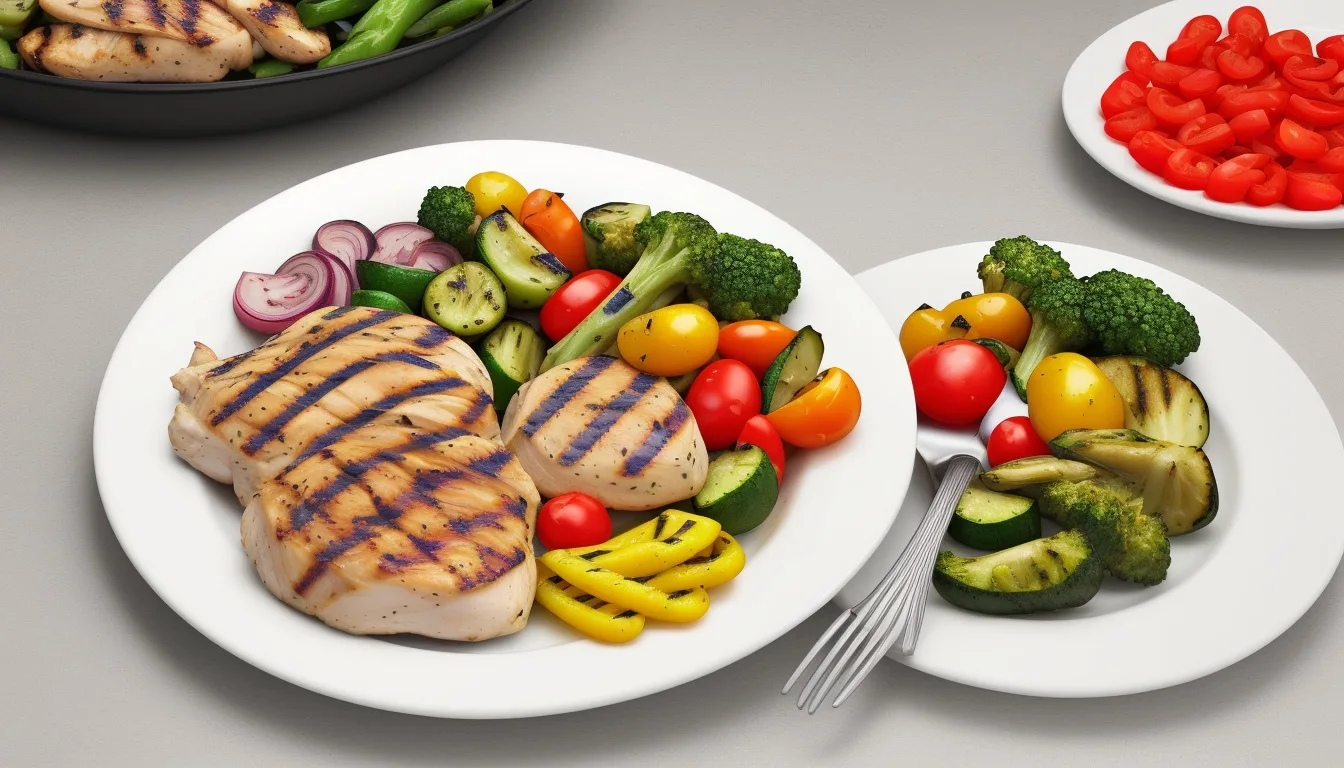
• ½ plate non-starchy vegetables
◦ Examples: leafy greens, broccoli, peppers, cucumbers, zucchini, cauliflower, green beans
◦ They give volume with few calories and many nutrients
• ¼ plate lean protein
◦ Examples: chicken, turkey, fish, eggs, Greek yogurt, tofu, tempeh, lean beef
◦ They fill you, support muscles, and ease cravings
• ¼ plate smart carbs
◦ Examples: quinoa, brown rice, whole-grain pasta, beans, lentils, sweet potatoes, fruit
◦ They provide lasting energy, fiber, and steady blood sugar
• 1–2 thumb-size pieces of healthy fat
◦ Examples: olive oil, avocado, nuts, seeds, nut butters
◦ They slow digestion and keep hunger away
This layout gives you carb control without counting every gram. You do not ban carbs. You hold them in a plan that helps fat loss and satiety.
Step 3: Time Your Carbs Wisely
When you eat carbs can matter as much as how much you eat.
Eat More Carbs When Your Body Needs Them Most
Your body uses carbs best when you are active or have just been active. Insulin works well:
• In the early day for many
• Before and after exercise
Tips:
• Put a larger portion of carbs at breakfast or lunch instead of a heavy carb dinner.
• If you exercise, have most starchy carbs (rice, pasta, potatoes, oats) within about three hours before or after your workout.
• At dinner, focus on protein, non-starchy veggies, and healthy fats—with a smaller share of carbs if you plan to rest afterward.
This is not about skipping night carbs. It is about giving your body its needed energy when it is ready to burn it.
Step 4: Use Protein as a Secret Carb Controller
If you change just one thing, add more protein. Protein works well to ease hunger and lessen sugar urges.
How Protein Helps Stop Sugar Urges
Protein:
• Triggers signals that tell you are full
• Lowers ghrelin, the hormone that makes you hungry
• Keeps blood sugar steady
• Protects muscle as you lose fat
Diets high in protein often yield better weight control and lower cravings.
Steps:
• Have 20–30 g of protein at each main meal.
• Try 10–20 g of protein at snacks if needed.
• Build your meal around protein first, then add veggies, followed by carbs and fats.
For example, instead of saying, “I will eat pasta for dinner,” say, “I eat salmon for dinner,” then add a side of pasta and some vegetables.
Step 5: Get More Fiber and Volume – Fill Up Without Too Many Carbs
Fiber is a type of carb you want to increase, especially for fat loss and control.
How Fiber Helps
• It slows down digestion and sugar uptake
• It boosts gut health
• It makes you feel full with fewer calories
• It softens the blood sugar rise from high-carb foods
Aim for:
• 25+ grams per day for women
• 30–38+ grams per day for men (guidelines may vary)
Simple ways to add fiber:
• Start your day with oats, chia pudding, or a high-fiber cereal.
• Add beans or lentils to salads, soups, or bowls.
• Snack on fruit with nuts rather than plain fruit or extra carbs.
• Make half your lunch and dinner plates vegetables.
More fiber means less hunger and milder sugar urges.
Step 6: Smart Swaps to Lower Carbs Without Feeling Left Out
You do not have to cut carbs everywhere. A few careful swaps can lower the carb load while keeping meals satisfying.
Simple Carb Control Swaps
• Swap white bread with sprouted or whole-grain bread.
• Swap sugary yogurt with plain Greek yogurt, berries, and a touch of honey.
• Swap juice or soda with sparkling water mixed with lemon or lime, or with a splash of pure fruit juice.
• Swap a huge bowl of pasta with half pasta and extra zucchini or vegetables.
• Swap chips with air-popped popcorn, roasted chickpeas, or a mix of nuts and carrot sticks.
• Swap large wraps with lettuce wraps or smaller whole-grain tortillas.
These small swaps ease you into better carb control without making you feel deprived.

Step 7: Choose the Order of Eating to Calm Blood Sugar and Cravings
The order in which you eat can change how your body handles carbs.
Follow This Eating Order When You Can:
- Start with non-starchy vegetables
- Then eat protein and fat
- End with starches and sweeter carbs
Studies show that eating veggies and protein before high-carb foods can lower blood sugar rises and insulin levels. Many feel fewer cravings later when they use this order.
For example, at a restaurant, you might eat a salad and chicken first. Then, you have the bread, pasta, or potatoes.
This simple trick helps you control carbs without taking anything off your plate.
Step 8: Focus on Nighttime Control for Sugar Cravings
Evening is when many feel weak in carb control. Fatigue and low willpower meet a stocked snack shelf.
Set Up Your Day Well
Night cravings often come from what you ate earlier:
• Skipping breakfast or lunch
• Meals low in protein
• Big hits of sugary or white-flour foods during the day
To cut night binges:
• Do not skip meals. Eating too little earlier almost makes you overeat at night.
• Make sure two or three earlier meals have 20–30 g of protein.
• Choose fiber-rich carbs at lunch so you stay full longer.
For the night:
• Plan an evening snack instead of grazing all night:
- Greek yogurt with berries
- Cottage cheese with a few grapes
- Apple slices with a spoon of peanut butter
• Enjoy herbal tea (peppermint, cinnamon, or chamomile) after dinner as a signal that eating is over.
• Keep favorite sugary snacks hidden or out of the house for a while while you build new habits.
Use your plan to lower cravings rather than rely on willpower alone.
Step 9: Check on Water, Sleep, and Stress – The Hidden Factors
Even with the best carb plan, hard sugar urges can come from lacking water, sleep, or calm moments.
Water
Lack of water can feel like hunger and weariness.
• Aim for 6–10 cups (1.5–2.5 L) of fluids each day.
• Keep water close at hand.
• Drink water before you grab a sweet snack—wait 10–15 minutes and see if you still feel hungry.
Sleep
Not enough sleep affects hunger signals:
• Ghrelin, a hormone that adds hunger, goes up.
• Leptin, a hormone that tells you are full, goes down.
This makes you want more carbs and sugar.
• Try for 7–9 hours of sleep each night.
• Keep a regular sleep and wake routine, even on weekends.
• Skip heavy, high-sugar snacks late at night which can keep you awake.
Stress
When stress builds, your body seeks quick energy from sugary or starchy food.
• Find ways to reduce stress that do not involve food. A short walk, slow breathing, a warm shower, writing your thoughts, or a brief workout can help.
• Notice what makes you want to eat under stress and plan another way to react.
Step 10: What About Low-Carb or Keto for Fat Loss?
Some people mix carb control with very low-carb or keto diets. These can work for some but are not the only way.
Good Points on Lower-Carb Diets
• Quick weight loss at the start (some water lost along with fat).
• Many feel less hungry.
• They can help control blood sugar if you have insulin issues.
Challenges with Very Low-Carb or Keto
• They can be hard to keep up with socially and for long.
• They may cause fatigue, slow digestion, and other minor issues at first.
• They are not always right for active people or those with certain health needs.
For most, a moderate way of controlling carbs—with a focus on whole, high-fiber foods and proper portions—is easier to live with than a very strict plan.
If you try lowering carbs, change them slowly. Keep protein and healthy fats high, and fill your plate with non-starchy vegetables to feel satisfied.
A Simple 1-Day Sample Carb Control Menu
Think of this as a source of ideas, not a strict plan.
Breakfast
• 2–3 eggs or egg whites with spinach and tomatoes
• 1 slice whole-grain toast or ½ cup oats
• Black coffee, tea, or coffee with a small splash of milk
Snack (if needed)
• Plain Greek yogurt with some berries and a sprinkle of cinnamon
Lunch
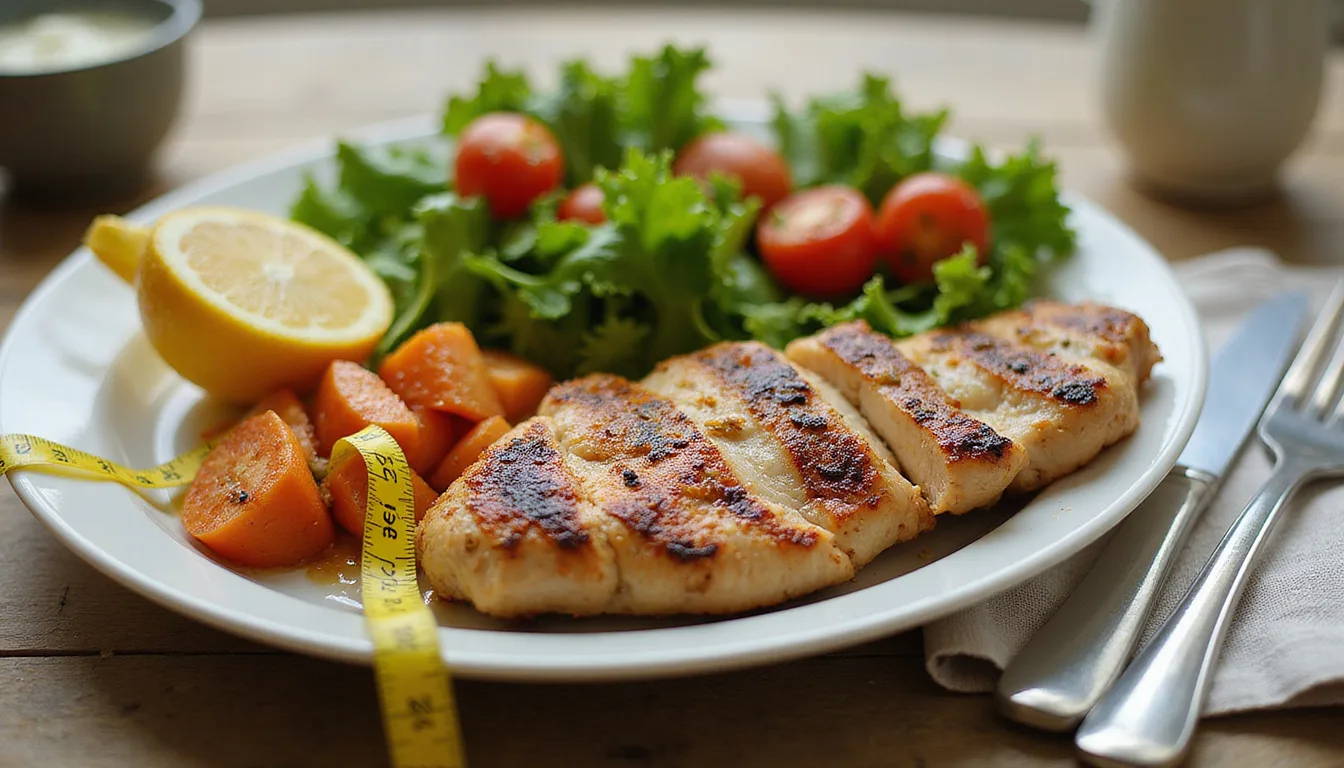
• A grilled chicken or tofu salad with mixed greens, cucumbers, peppers, and chickpeas
• A drizzle of olive oil and vinegar dressing
• Option: a small side of quinoa or a piece of fruit
Pre- or Post-Workout Snack
• A banana with 1 tablespoon of peanut butter
or
• A protein shake with ½ cup berries
Dinner
• Baked salmon or turkey
• Roasted broccoli and a side salad
• A small portion of sweet potato or brown rice
Evening Option (if cravings strike)
• Cottage cheese with a dusting of cinnamon
or
• A cup of herbal tea and 1 square of dark chocolate (70%+ cocoa)
This menu mixes protein, fiber, and timed carbs for good control.
Quick Carb Control Checklist
Use this guide each day:
- Add protein (20–30 g) to every meal.
- Make half your plate non-starchy veggies at lunch and dinner.
- Choose whole, high-fiber carbs most times.
- Eat most starches early in the day or near exercise.
- Start meals with veggies and protein, then add carbs.
- Get 7–9 hours of sleep, drink enough water, and stay calm.
- Keep trigger foods out of sight as you form new habits.
You may not follow every point perfectly, but the more you do, the easier carb control becomes.
FAQ: Carb Control, Cravings, and Fat Loss
Q1: What is carb control dieting?
Carb control means handling the type, amount, and timing of your carbs to help burn fat, keep energy steady, and cut sugar urges. It focuses on:
• Picking whole, high-fiber carbs over refined ones
• Mixing carbs with protein, fiber, and healthy fat
• Timing your carb intake around your activity
It is more flexible than strict low-carb or keto plans. No food group is completely cut out.
Q2: How many carbs should I eat per day for weight loss and fewer sugar urges?
There is no one number for everyone. Many healthy adults find that 30–50% of calories from carbs works well.
• Those who work out a lot may need more.
• People with insulin concerns may do better with fewer carbs.
Try to improve the quality of carbs and control portions instead of counting every gram. Adjust as you feel changes in energy and hunger.
Q3: Can I still enjoy bread, pasta, and sweets while controlling carbs?
Yes. Carb control is not about elimination. You can have:
• Small portions of whole-grain bread
• Pasta mixed with protein and vegetables, in moderation
• Occasional sweets, best enjoyed right after a meal
Focus on balance in what you eat and how often.
Take Charge of Your Carbs, Not the Other Way Around
You do not have to fight hunger and cravings to burn fat. With smart carb control—by putting protein first, using high-fiber carb choices, building balanced plates, and timing meals well—you can burn fat, feel full, and cut sugar urges without extreme changes.
If you are ready for change:
• Try out two or three of these ideas today.
• Stick with them for the next two weeks to notice changes.
• Watch how your energy, hunger, and cravings change.
Small, steady shifts work better than all-or-nothing plans. Start with your next meal and make your carbs work for you.
[center]Always consult with your doctor prior to making drastic diet changes.[/center]
[center]As an Amazon Affiliate, Savvy Keto makes a small commision (at no extra cost to you) on any purchases you make thru affiliated links you click on.[/center]