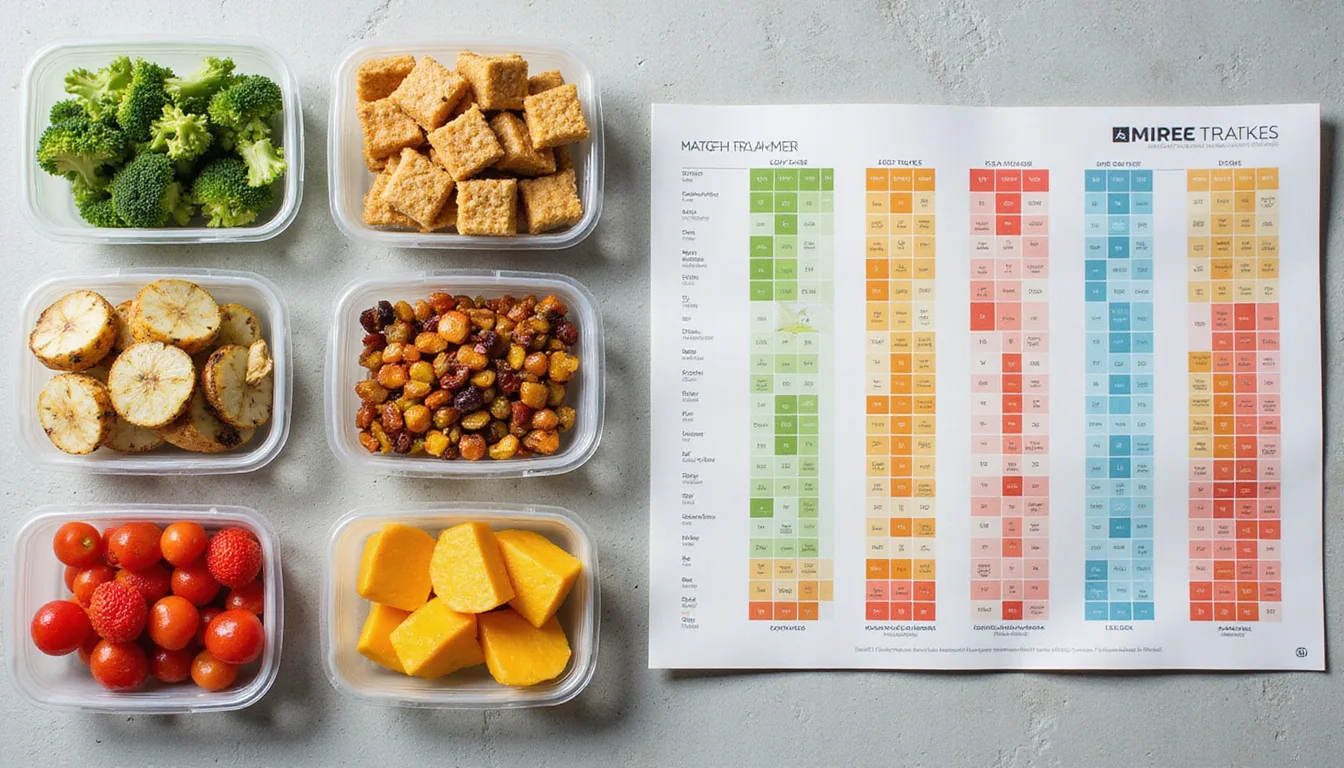

Building carb awareness does not demonize bread, pasta, or dessert. It shows how carbohydrates affect your body, mood, and hunger. You can enjoy these foods while keeping cravings and crashes in check. You do not need a keto or low-carb plan to regain control. You need a smarter way to relate to carbs.
This guide explains how carbs work, why cravings appear, and shares real strategies to cut carb cravings. You will still eat carbs—just in a flexible, lasting way.
What “Carb Awareness” Means

Carb awareness is the skill to see:
• Which carbs you eat
• How many carbs you eat
• When you eat them
• How they change your hunger, energy, and mood
It is not a fixed diet or a strict rulebook. It is like learning a new language about carbs.
In practice, carb awareness means you can:
• Tell whole-food carbs apart from refined ones that spike blood sugar
• Notice simple patterns (for example: skipping protein at breakfast may lead to sugar cravings later)
• Make choices with care instead of acting on a whim
When you notice these signals instead of following strict rules, you cut cravings without feeling deprived.
Understanding Carbs: The Essentials
You do not need a science degree. A little science helps you manage cravings.
Types of Carbohydrates
-
Simple carbs
• Found in table sugar, candy, soda, many baked goods, and fruit juice.
• They digest fast and may send blood sugar on a quick rise and drop. -
Complex carbs
• Found in whole grains, beans, lentils, starchy vegetables (like potatoes and squash), oats, and quinoa.
• They digest slowly, bring fiber too, and keep energy more stable. -
Fiber (a type of carb)
• Found in vegetables, fruits, whole grains, beans, nuts, and seeds.
• It does not give energy like other carbs but slows digestion. Fiber helps keep you full and steadies blood sugar.
Carb awareness helps you see the difference between fast-burning, refined carbs and slow-burning, fiber-rich ones.
Why Carbs Can Feel Addictive
If you feel out of control when eating bread, chips, or cookies, you usually have a physical reason and not a weakness of will.
1. Blood Sugar Rises and Falls
When you eat many refined carbs like white bread or sugary drinks:
• Blood sugar climbs fast
• Insulin moves sugar into cells
• Blood sugar then drops too low
• Fatigue and more carb cravings come along
This cycle makes your body seek another quick burst of energy soon.
2. Reward Paths in the Brain
Carbs, mixed with fat in foods like donuts, pizza, or fries, light up reward areas in your brain. This reaction makes you want more.
3. Under-eating and Eating Too Little
When you skip meals, choose little protein or fat, or cut carbs too much:
• Your body sends strong hunger signals
• Cravings grow stronger
Cutting too much today can lead to more eating tomorrow.
You Do Not Need Keto to Tame Cravings
Keto cuts carbs sharply, which may lower cravings for some. Yet, it is not the best or most lasting plan for everyone.
A carb awareness way is different:
• You keep carbs in your meals
• You change the types, timing, and mixes of carbs
• You quiet cravings by steadying blood sugar and listening to hunger
Think of it as optimizing carbs instead of cutting them out.
Step 1: See Your Carb Patterns Without Obsession
Start by watching what you eat. For 3–7 days, note:
• What kinds of carbs are in your food
– Whole foods like fruits, oats, beans, or potatoes
– Ultra-processed treats like cookies, chips, pastries, or sugary cereal
• When cravings hit
– In the late afternoon? After dinner? Late at night?
• What else is happening
– Did you skip meals? Eat little protein? Feel stressed, bored, or tired?
Keep a short note in your phone or on paper with:
• The time
• What you ate
• How you felt after (energized, sleepy, satisfied, or still hungry)
These notes show clear patterns. You can then adjust your habits with care.
Step 2: Build Meals That Calm Your Cravings
What you eat now impacts how you feel later.
Try the “PFF + Color + Carb” Plan
At most meals, mix these together:
• Protein
• Fat
• Fiber
• Colorful vegetables or fruits
• A well-chosen portion of carbs
For example, you might have:
• Grilled chicken (protein)
• Olive oil dressing (fat)
• Quinoa (carb with some protein)
• Roasted vegetables (fiber and color)
This mix slows digestion and steadies blood sugar. It can keep cravings at a distance.
Breakfast Is Key
Many start with mostly carbs like cereal, toast, juice, or muffins. This can send blood sugar high and then low, causing early cravings.
Try a new breakfast with:
• 20–30 g of protein
• Some healthy fat
• Slow-digesting carbs and fiber
For instance, choose one of these:
• Greek yogurt with berries, nuts, and a bit of oats
• Eggs with avocado, sautéed veggies, and whole grain toast
• A tofu scramble with veggies and black beans
A steady start often makes later cravings smaller.
Step 3: Swap Your Favorite Carbs, Do Not Eliminate Them
Carb awareness does not mean you cut out white bread or dessert. It means you eat them less often and in smaller amounts. It means you choose better everyday defaults and mix them with protein and fiber.
Smart Everyday Swaps
Here are some swaps that can reduce cravings:
- White bread → Whole grain or sprouted bread
- Sugary cereal → High-fiber cereal or oats with nuts and fruit
- White rice → Brown rice, quinoa, or lentils sometimes
- Fruit juice → Whole fruit
- Flavored yogurt → Plain Greek yogurt with fresh fruit and a touch of honey if needed
- Chips → Nuts with a piece of fruit, or hummus with veggie sticks and whole grain crackers
In this way, you still enjoy carbs in better forms that keep you full longer.
Step 4: Time and Pair Carbs in a Smart Way
You can feel better by adjusting when and how you take in carbs.
Eat Carbs with Protein and Fat, Not Alone
Compare these two approaches:
• A plain bagel as a snack
• A half bagel with cream cheese and smoked salmon
They have the same carbs, but the second one mixes in protein and fat to slow digestion.
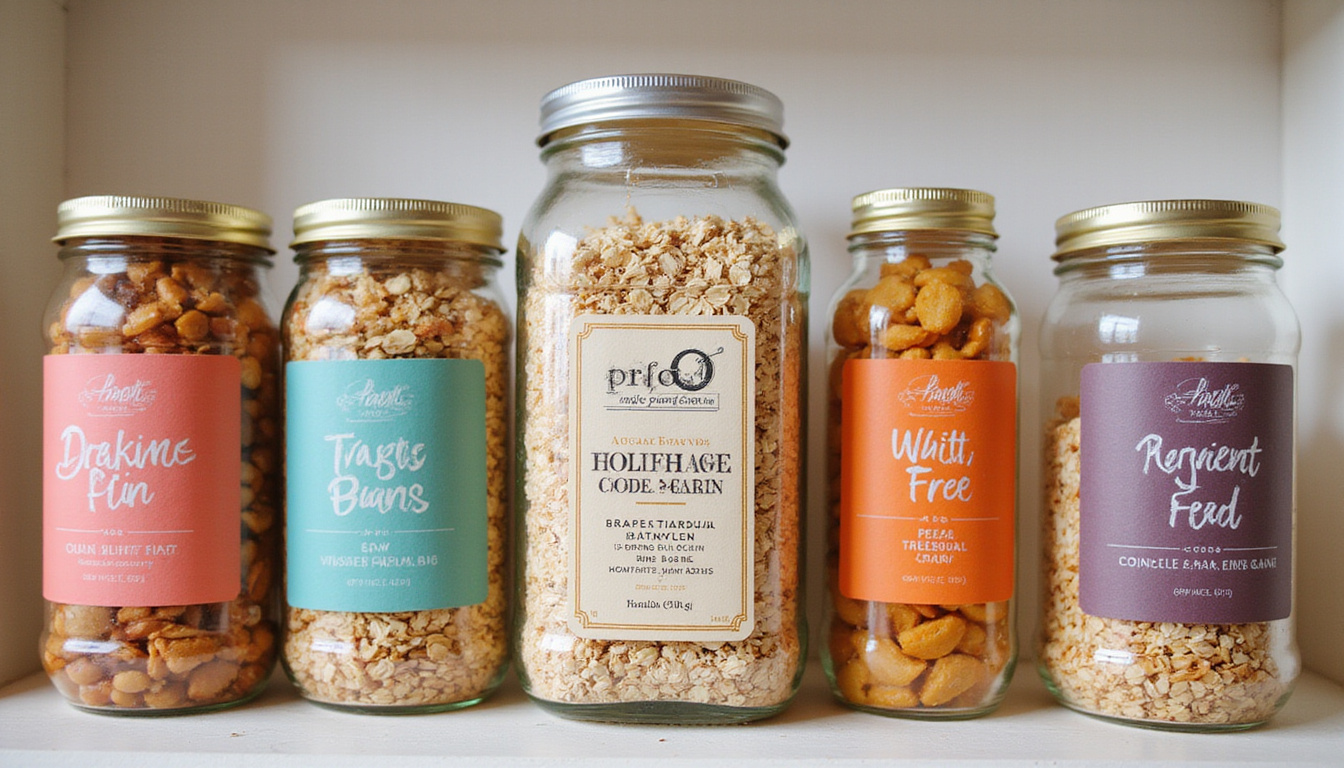
Try these small switches:
• Add nut butter to fruit
• Have cheese or hummus with crackers
• Pair pasta with ground turkey and veggies instead of a huge bowl on its own
Take Carbs Earlier in the Day
Take Carbs Earlier in the Day
Many people report:
• Most carbs at breakfast and lunch
• Lower-carb and higher-protein meals at dinner
This can lead to:
• Better sleep
• Fewer late-night snacks
• Steadier energy
Be flexible. Just notice if a lighter dinner helps with cravings.
Match Carbs With Movement
After exercise, your muscles use carbs better. To do this:
• Plan heavier carb meals around or after workouts and long walks
• On slow days, keep refined carbs lower, while still having a balanced meal
Step 5: Address What Drives Your Cravings
Cravings are not just about food. Carb awareness asks you to look at what triggers the urge.
Common Non-Food Triggers
• Lack of sleep
– Short sleep changes hunger hormones so that you may want more high-carb foods.
• Stress
– High stress raises hormones that push you toward comfort food.
• Boredom or emotional strain
– Sometimes food acts as a distraction or a way to soothe feelings.
Before eating, pause and check:
• “Am I really hungry?”
• “How long has it been since my last good meal?”
• “Am I feeling tired or stressed?”
If you are not physically hungry, you may choose another activity instead, such as:
• A short walk or stretch
• A glass of water or herbal tea
• A few slow, deep breaths or a short, quiet break
• A call or message to a friend
If you still want a carb after checking in, eat slowly and mix it with protein or fat.
Step 6: Use Portion Awareness, Not Portion Fear
Cutting out carb foods can lead to overeating later. Portion awareness helps you enjoy carbs at the right amount.
Simple Portion Ideas
These are loose guidelines, not strict rules:
• Starchy carbs (grains, potatoes, pasta)
– For many women, about one cupped hand per meal
– For many men, one or two cupped hands per meal
– Then adjust by your size, activity, and goals
• Fruit
– One or two servings per day (for example, one medium apple or one cup of berries)
• Sweets and desserts
– A small serving a few times a week to daily, based on your overall balance
Being aware means noticing patterns like:
• “Double the pasta makes me feel sluggish and I crave sweets later.”
• “A single cupped hand with extra veggies and protein keeps me satisfied.”
From there, you find your best fit.
Step 7: Accept Imperfection
No one is perfect every day. A carb awareness mindset accepts that:
• Some days will be heavy in refined carbs
• Holidays and celebrations bring carb-rich meals
• Stress and travel can shake your routine
Instead of saying, “I ruined it; I must start over,” say:
• “This meal did not work well for me. I will adjust my next meal.”
That may mean:
• Adding extra vegetables and protein at the next meal
• Drinking water and taking a short walk
• Avoiding harsh restrictions that only lead to more cravings
Carb awareness is about long-term patterns, not one meal alone.
A Practical One-Week Carb Awareness Reset
Try this simple plan for a week and note how your cravings change.
-
Breakfast
• Include 20–30 g of protein, some healthy fat, and a slow carb like oats, whole grain toast, or fruit.
• Do not start with only sugary or refined carbs. -
Lunch
• Follow the “PFF + Color + Carb” idea: protein, fat, fiber, colorful veggies, and a moderate portion of whole-food carbs (like rice, potatoes, beans, or quinoa). -
Dinner
• Focus on protein and vegetables.
• Have a smaller serving of starch than at lunch and avoid too much sugary drink. -
Snacks
• Choose a mix of protein with produce or fat:
– For example: Greek yogurt with berries, an apple with peanut butter, carrots with hummus, or cheese paired with whole grain crackers. -
Hydration and Sleep
• Aim for 6.5–8 or more hours of sleep most nights.
• Drink water throughout your day. -
Awareness Check
• Write down when cravings hit and what you ate earlier.
• Adjust your next day with a bit more protein at breakfast or fiber at lunch.
After a week, many notice fewer strong sugar cravings, steadier energy, and a clear sense of which carb patterns work best.
FAQ: Carb Awareness, Cravings, and Balance
1. How do I build carb awareness without tracking every gram?
You can use visual habits instead of counting numbers:
• Fill half your plate with vegetables
• Use your hand as a guide (a cupped hand for carbs, the palm for protein)
• Notice hunger and energy 2–3 hours after meals
The goal is to feel and see your body’s signals, not to become fixated on numbers.
2. Can carb awareness lead to weight loss without cutting out favorite foods?
Yes. Many people lose weight by:
• Swapping some refined carbs for fiber-rich options
• Balancing meals with more protein and veggies
• Reducing sugary drinks and frequent snacking
You still enjoy your favorite foods in smaller amounts and less frequently as part of a balanced approach. Weight loss, if it happens, comes as a side effect of better habits rather than strict cutting.
3. What does a carb-conscious eating day look like?
A sample day might be:
• Breakfast: A veggie omelet, a slice of whole grain toast, and berries
• Lunch: Grilled chicken, quinoa, and a large salad with olive oil dressing
• Snack: Greek yogurt with a few nuts
• Dinner: Baked salmon, roasted broccoli, and a small baked potato with a bit of butter
• Treat: A small piece of dark chocolate after dinner
Carbs appear at each meal, but always in balanced, thoughtful amounts.
Bring Carb Awareness into Your Life—Without Switching to Keto
You do not need to fear carbs to keep cravings in check. By practicing carb awareness—choosing slow-digesting carbs, pairing them with protein and fat, eating at smart times, and listening to your body—you can enjoy your favorite foods without feeling overwhelmed by them.
If you are ready to feel more in control around food, try a one-week experiment. Build balanced breakfasts, swap a few refined carbs for whole-food options, and notice how your energy and cravings change. Later, adjust to what feels best.
You deserve a way of eating that lets you live well, eat with friends, and feel steady, energetic, and in control. Start your own carb awareness experiment today, and let your new habits guide you over the long run.
[center]Always consult with your doctor prior to making drastic diet changes.[/center]
[center]As an Amazon Affiliate, Savvy Keto makes a small commision (at no extra cost to you) on any purchases you make thru affiliated links you click on.[/center]