Water Weight Hacks That Really Cut Bloating and Puffiness
You feel puffy. You feel bloated. Your clothes may seem tighter overnight. You are not the only one. Water weight moves day by day. It changes how you look and feel. It may shift your drive to meet your goals. Good news: water weight stays only a short time. Studies show tests that cut bloating without hurting your health.
This guide shows safe, science-backed steps to lower water retention.
What Is Water Weight, Really?

Understand water weight. Your body is 50–60% water. Some water sits extra in tissues and cells. When the balance shifts, you may see:
- Puffiness in your face, hands, or feet
- A swollen belly or tighter waistband
- Rings, shoes, or watches that feel snug
- A weight jump of 2–5 pounds (or more) overnight
This is water retention. It is not fat gain. Fat gain needs many extra calories over time. Water weight comes and goes with changes in:
- Salt and carb intake
- Hormone shifts (such as before a period)
- Stress and sleep
- Alcohol, travel, or heat
- Some medications or illnesses
The aim is not to dry out your body. The aim is to help your body keep fluid levels balanced so you feel your best.
Hack #1: Tame Salt Without Going Overboard
Salt helps nerve work and fluid balance. Too much salt can make your body keep more water.
How salt affects water weight
Your kidneys keep salt in a tight range. When you eat a salty meal, your body holds more water to balance the salt. This pulls water into your blood and tissues. The result is puffiness and bloating.
Simple salt-control tips
You do not need to cut out salt completely. Look to avoid too much time after time:
- Limit processed foods like canned soups, frozen meals, chips, crackers, instant noodles, fast food, cured meats, and many sauces.
- Check food labels. A “reduced sodium” sign does not always mean low salt. Compare brands and pick a lower salt option that still tastes good.
- Use herbs, spices, citrus, garlic, and vinegar to add flavor.
- Watch your salt choices during your period or travel. Cut back on salty foods in these moments.
Most healthy adults can use less than 2,300 mg of salt each day. Many do better on even less. (Source: CDC)
Hack #2: Drink More Water to Lose Water Weight
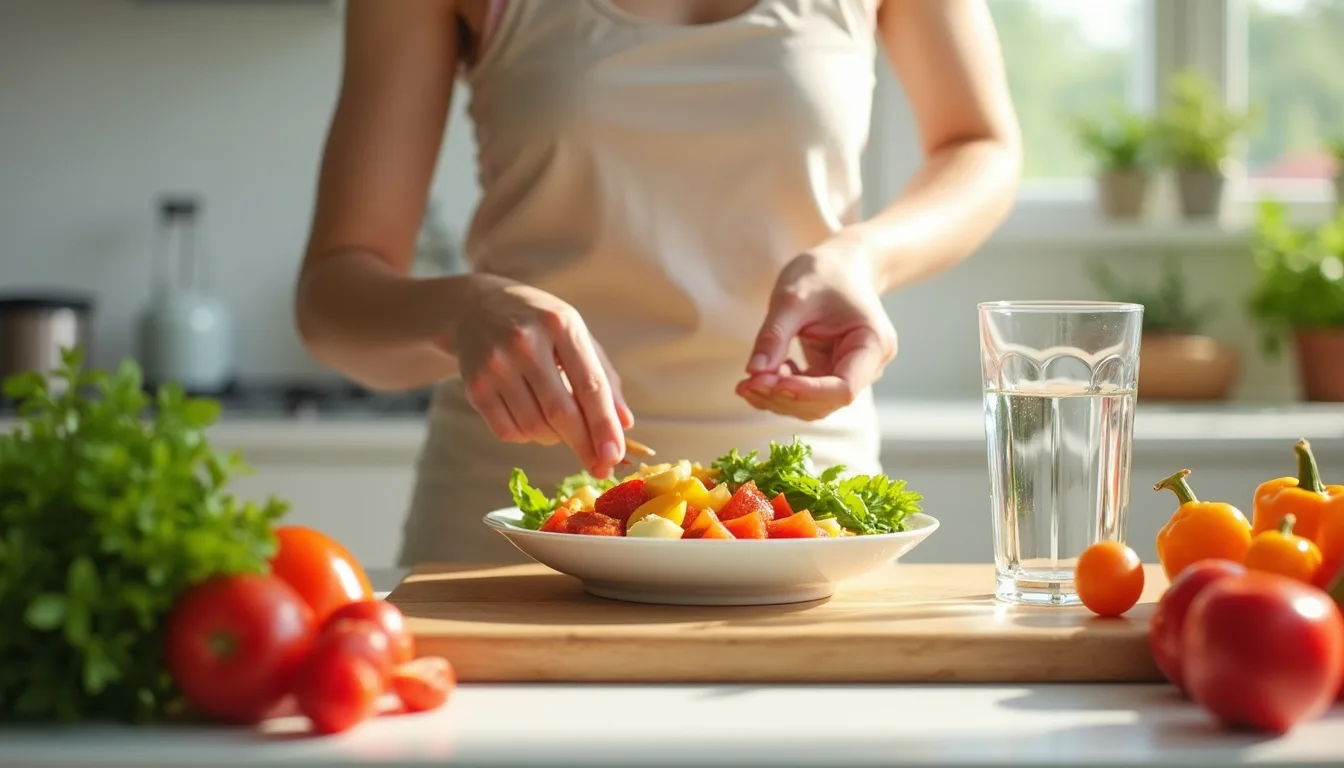
It may sound odd, but drinking enough water helps your body let go of extra water.
Why water helps
If you do not drink enough, your body holds on tight to every drop. Drinking enough water sends a clear signal: more fluid is coming. Your kidneys then let go of extra water. Water moves through your digestion to lower belly bloat.
How much should you drink?
The amount of water you need can change. Here are common guidelines:
- Women: about 2–2.7 liters (8–11 cups) per day from all drinks and foods
- Men: about 2.5–3.7 liters (10–15 cups) per day
Drink more when you:
- Exercise hard
- Live in hot weather
- Have regular caffeine or alcohol use
A simple trick is to check your pee. Pale yellow means good hydration; dark yellow means you need more water.
Hack #3: Balance Carbs Instead of Cutting Them
Carbs affect water weight. But the truth is not just that carbs are bad.
Glycogen and water
Your body stores carbs as glycogen in the liver and muscles. Each gram of glycogen holds about 3–4 grams of water. When you:
- Eat more carbs, you store more glycogen and water. You may look fuller or puffier.
- Eat less carbs, you burn glycogen. The stored water leaves. The scale then drops quickly.
This is why low-carb diets may show fast weight loss at first. The loss is mainly water.
Smart carb steps
You do not need a low-carb plan to cut bloating. Try to:
- Choose complex carbs: oats, quinoa, brown rice, beans, lentils, sweet potatoes, and whole fruits.
- Cut back on refined carbs: white bread, pastries, candy, sugary drinks, and many packaged snacks. Refined carbs can spike insulin and cause salt retention, which adds bloat.
- Plan your carb intake with activity. Have more on active days and less on days when you sit more.
For a short drop in water weight (for an event, for example), you can reduce refined carbs for a few days. Do not crash diet or restrict too much.
Hack #4: Use Foods High in Potassium to Your Advantage
Potassium works with salt in your body. It helps cells keep a proper level of water. It also helps your body let go of extra salt.
Potassium versus salt
When your meals have too much salt and not enough potassium, your body tends to hold water. Adding more potassium helps your body work with salt better. It can lower bloat and puffiness and can gently help your body remove excess water.
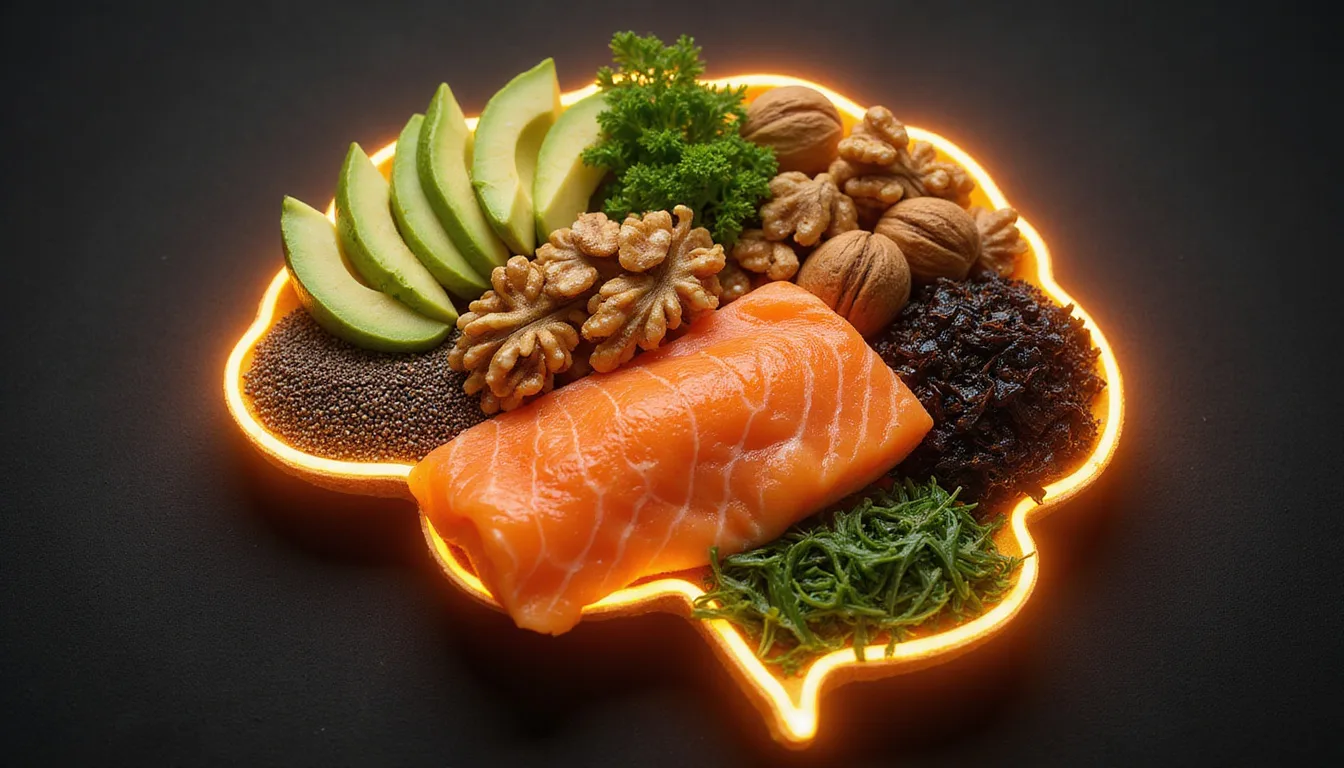
Foods rich in potassium
Try to add these foods to your meals:
- Bananas, oranges, and kiwis
- Avocados
- Spinach, beet greens, and Swiss chard
- Potatoes and sweet potatoes (with skin)
- Beans, lentils, and edamame
- Yogurt and milk
- Tomatoes and tomato sauces
Most adults do well with extra potassium. If you have kidney issues or take special drugs, speak with a doctor before you make changes.
Hack #5: Move Your Body (Even Light Exercise) to Flush Fluids
Moving your body is a simple and strong trick against water weight.
Why movement works
When you move, blood and lymph flow better. This flow helps push extra water out of your tissues into your blood. Your kidneys then filter the water out.
Moving can help:
- Lower swelling in your ankles and feet
- Cut facial puffiness
- Improve digestion and cut gas bloat
Easy movement ideas
You do not need a heavy workout. Try these ideas:
- Walk for 10–20 minutes after meals.
- Raise your legs and move your ankles if you sit or stand all day.
- Try light cardio like biking, swimming, or dancing.
- Do simple strength moves that help muscles hold glycogen with water. This may cut puffiness.
Even short bursts of movement throughout your day can help lower water retention, especially in the legs.

Hack #6: Help Your Gut to Lower Gas and Bloat
Not all bloating comes from water. Gas, slow digestion, or gut imbalance can cause a full, stretched feel.
How the gut matters
Slow digestion leads to gas buildup. Some people do not handle certain fermentable carbs well in foods like onions, garlic, apples, and wheat. Changes in gut bacteria may add to the bloat.
Gut-friendly steps
- Eat enough fiber. Aim for 20–30 g daily from vegetables, fruits, oats, beans, and whole grains. Increase fiber slowly.
- Cut back on too much soda, sparkling water, or beer that holds gas.
- Eat live-culture yogurt, kefir, sauerkraut, kimchi, or miso. These can help some people.
- Notice which foods cause discomfort. A simple food and bloat log may show your triggers.
Better digestion helps you tell gas from extra fluid.
Hack #7: Manage Hormonal Water Retention (Like PMS)
Shifts in hormones change how your body holds water. For example, many women gain 2–5 pounds before their period. Signs include:
- Tender or full breasts
- Swollen hands and feet
- A puffy face
- A heavy feeling in the body
PMS bloating tips
In the week before your period:
- Cut back on salt and refined carbs to lessen water retention.
- Eat more foods with magnesium. Try leafy greens, nuts, seeds, and even dark chocolate.
- Keep up light exercise, such as walks or stretching, even if you feel low on energy.
- Sleep well; not enough sleep can raise stress hormones that add water retention.
If your hormonal bloat is heavy, talk with a healthcare provider. Some birth control or medicines might help.
Hack #8: Do Not Ignore Sleep and Stress
Stress and little sleep can make water weight jump much more than expected.
How stress and sleep matter
Long-term stress raises cortisol. This hormone makes your body hold salt and water. Lack of sleep can upset your hormones and can:
- Raise hunger and cravings for salty or high-carb food
- Change how your kidneys work
- Raise signs of body inflammation that add fluid retention
Easy lifestyle fixes
- Try to get 7–9 hours of sleep each night. Keep a regular sleep and wake time.
- Use simple stress tools such as deep breaths, writing in a journal, enjoying nature, or short quiet moments.
- Avoid heavy, salty food late at night. Such meals can lead to puffiness by morning.
Sometimes, the best trick against water weight is better sleep.
Hack #9: Use Natural Water-Release Foods Wisely (Without Overdoing It)
Some foods and drinks help your body let go of water. These are mild and may work as part of a daily routine.
Food-based water helpers
Try these in your day:
- Green tea or black tea
- Coffee in moderate amounts
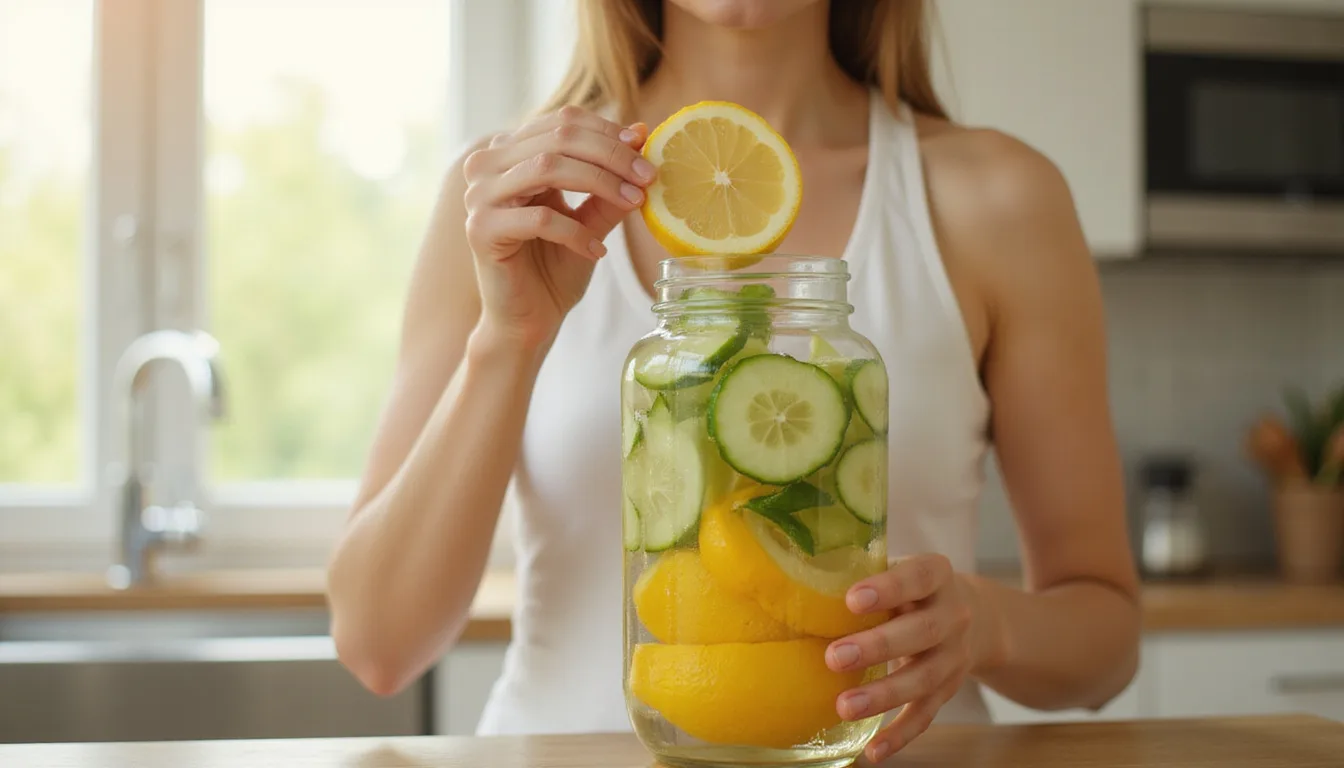
- Parsley, dandelion greens, cucumber, asparagus, or celery
- A glass of lemon water
These help best when you also drink enough water and keep salt in check.
A note on water pills
Over-the-counter water pills or strong herbal mixtures:
- Can upset your electrolyte balance
- Might dehydrate you
- Can strain your heart or kidneys when misused
Do not use them for quick weight loss. Use them only when a doctor suggests them for a health need.
Hack #10: Adjust Habits for Travel, Heat, and Alcohol
Sometimes your day calls for more water weight. Smart tweaks may ease the impact.
When you travel (especially on flights)
- Move around often. Stand, stretch, and take a walk in the aisle each hour.
- Wear socks that squeeze your legs. They help stop swelling.
- Drink more water than usual. Air in a cabin is very dry.
- Try to avoid salty food at airports or on the plane. Pack healthy snacks if you can.
In hot weather
- You may still hold water even as you sweat.
- Drink fluids with salts and minerals if you sweat a lot.
- Choose lighter meals that are not heavy in salt when you plan to be in the heat.
With alcohol
Alcohol dries you out at first. Then your body saves water later. To keep balance:
- Alternate a glass of water with each alcoholic drink.
- Avoid very salty snacks while drinking.
- Know that some bloat is temporary. Your body should return to normal in 24–48 hours.
Safe Expectations: How Fast Can Water Weight Change?
Water weight can move fast. You might see:
- A 2–5 pound change from one morning to the next
- A salty dinner plus drinks showing extra water in a few hours
- Lighter feeling within 24–48 hours when you drink well, cut salt, and move
Keep in mind:
- Fast drops are mostly water loss, not fat loss
- Fast gains from a high-salt day or a cheat day are mostly water and stored carbs
- Use the scale as one sign, but look for changes over weeks, not hours
When Water Weight Might Signal a Problem
A little puffiness is normal. But watch for these issues:
- Swelling that does not go down overnight
- Shortness of breath or trouble lying flat
- A quick weight gain of 5+ pounds in a couple of days
- Heavy swelling in one leg with pain or redness
- Known heart, kidney, or liver problems with new swelling
If these signs appear, see a doctor. They may show a condition that needs care.
Quick-Reference: Everyday Water Weight Hacks
Use this short list when you feel bloat or puffiness:
- Cut back on salt: Avoid very salty or processed foods for 24–48 hours.
- Drink water steadily: Sip water all day until your pee looks pale yellow.
- Add foods rich in potassium: Try a banana, avocado, leafy greens, or beans.
- Reduce refined carbs and sugar: Focus on lean proteins with lots of vegetables.
- Get regular movement: Walk for 20–30 minutes. Raise your legs if they swell.
- Support your digestion: Eat slowly, and skip a lot of fizzy drinks.
- Sleep well: Aim for 7–9 hours each night.
- Use mild water-releasing drinks: Have a cup of green tea or lemon water instead of harsh water pills.
Do these steps many times. You may see less bloat, a flatter tummy, a softer face, and steadier weight over time.
FAQ: Common Questions About Water Weight and Bloating
Q1: How long does water retention last?
A: Water weight may fade in 24–48 hours. If you have a salty meal, water weight can go away within a couple of days if you drink well, lower salt, and move. Hormone-related bloat may take a few days after your period starts. If swelling continues for more than a week or grows worse, see a doctor.
Q2: How do I know if it is water weight or fat gain?
A: Water weight shifts fast. You might gain or lose several pounds in a day or two with puffiness in your face, hands, or ankles. Fat grows slowly over weeks. If your clothes feel tighter overnight after a rich meal or travel, it is likely water retention.
Q3: What is the fastest safe way to lose water weight?
A: To lower water retention quickly, try to:
• Drink more water
• Eat less salt and processed food
• Reduce refined carbs and sugar for a short time
• Do light exercise like brisk walking
Most see less puffiness and a 1–4 pound drop in 1–3 days. Do not try to dehydrate or use strong water pills.
Put These Hacks to Work and Feel Lighter—Starting Now
You do not need to live with constant bloat or puffiness. With a mix of good hydration, balanced food, gentle movement, and smart daily habits, you can help your body control water weight.
Try one or two ideas today—maybe cut back on salt and drink more water. Then add another step as you see results. Notice how your stomach feels, how your face looks in the morning, and what the scale shows.
If you need personal help to build a daily plan to manage water weight, think about talking with a registered dietitian or a qualified coach. Small, steady changes may help you feel leaner, lighter, and more at ease in your skin.
[center]Always consult with your doctor prior to making drastic diet changes.[/center]
[center]As an Amazon Affiliate, Savvy Keto makes a small commision (at no extra cost to you) on any purchases you make thru affiliated links you click on.[/center]