Calorie Density Hacks: Eat More, Lose Weight and Keep It Off
Some people eat large meals and lose weight. Their secret lies in calorie density. You learn to eat more while still creating a calorie deficit. You change how your plate works. Your stomach feels full, and weight loss feels easier and enjoyable.
This guide shows what calorie density is, how to use it each day, and simple hacks to lose weight while feeling satisfied.
What Is Calorie Density?

Calorie density means the number of calories for a given weight or volume. We often talk of calories per gram.
• Foods high in calorie density pack many calories in little food. (Examples: oils, candy, chips)
• Foods low in calorie density give few calories in a lot of food. (Examples: vegetables, fruits, broth soups)
In simple terms:
Low calorie density: big portions, fewer calories
High calorie density: small portions, more calories
Your stomach senses volume. When you fill it with low-calorie foods, you feel full while eating fewer calories.
Why Calorie Density Matters for Weight Loss
Any plan that creates a calorie deficit can help you lose weight. Calorie density makes it easier and more lasting.
- You Get to Eat More Food
Low-calorie foods let you have bigger portions in your bowl. For the same number of calories, you might have:
- A small handful of chips
vs. - A large salad with chicken, beans, and light dressing
Both may share calories, but the salad fills you longer.
- You Feel Less Deprived
Hunger and cravings often break diets. When you choose foods with lower calorie density, you still get to eat:
- Big plates
- Hearty bowls
- Filling snacks
This way, you do not feel like you are on a strict plan, and you stick with it over time.
- Better Control Over Hidden Calories
Many processed, high-calorie foods contain:
- Added sugars
- Refined fats
- Little fiber or water
They come in small volumes and do not fill you. Understanding calorie density helps you see these hidden calorie traps and pick smarter foods.
Studies show that when people switch to low-energy foods, they eat fewer calories and lose weight (source: CDC).
The Three Big Drivers of Calorie Density
Food has a set calorie density based on three main things:
-
Water content
Water adds weight and space but no calories. Foods rich in water have low calorie density:- Most fruits
- Most vegetables
- Broth soups
- Stews with many vegetables
-
Fiber content
Fiber adds bulk, slows down digestion, and helps you feel full:- Whole grains
- Beans and lentils
- Vegetables and fruits (with skins, seeds, and pulp)
-
Fat content
Fat carries many calories:- Fat gives about 9 calories per gram
- Protein and carbs give about 4 calories per gram
Foods with extra or refined fat (butter, oils, fried items) are very high in calorie density even in small bites.
Key plan: add water and fiber to your meals and use added fats with care.
Calorie Density Spectrum: From Lightest to Heaviest
Imagine a line from light to heavy calorie density.
Very Low Calorie Density (Best for Volume Eating)
• Non-starchy vegetables: lettuce, spinach, broccoli, cauliflower, cucumbers, zucchini, peppers
• Most fruits: berries, apples, oranges, grapefruit, melon
• Broth soups, vegetable soups
These foods have fewer than 0.7 calories per gram. You can eat a lot with few calories.
Low to Moderate Calorie Density
• Starchy vegetables: potatoes, sweet potatoes, corn
• Intact whole grains: oats, brown rice, quinoa, barley
• Beans, lentils, peas
• Lean proteins: chicken, turkey, most fish, tofu, Greek yogurt
These add volume, energy, and protein while keeping calories in check.
High Calorie Density
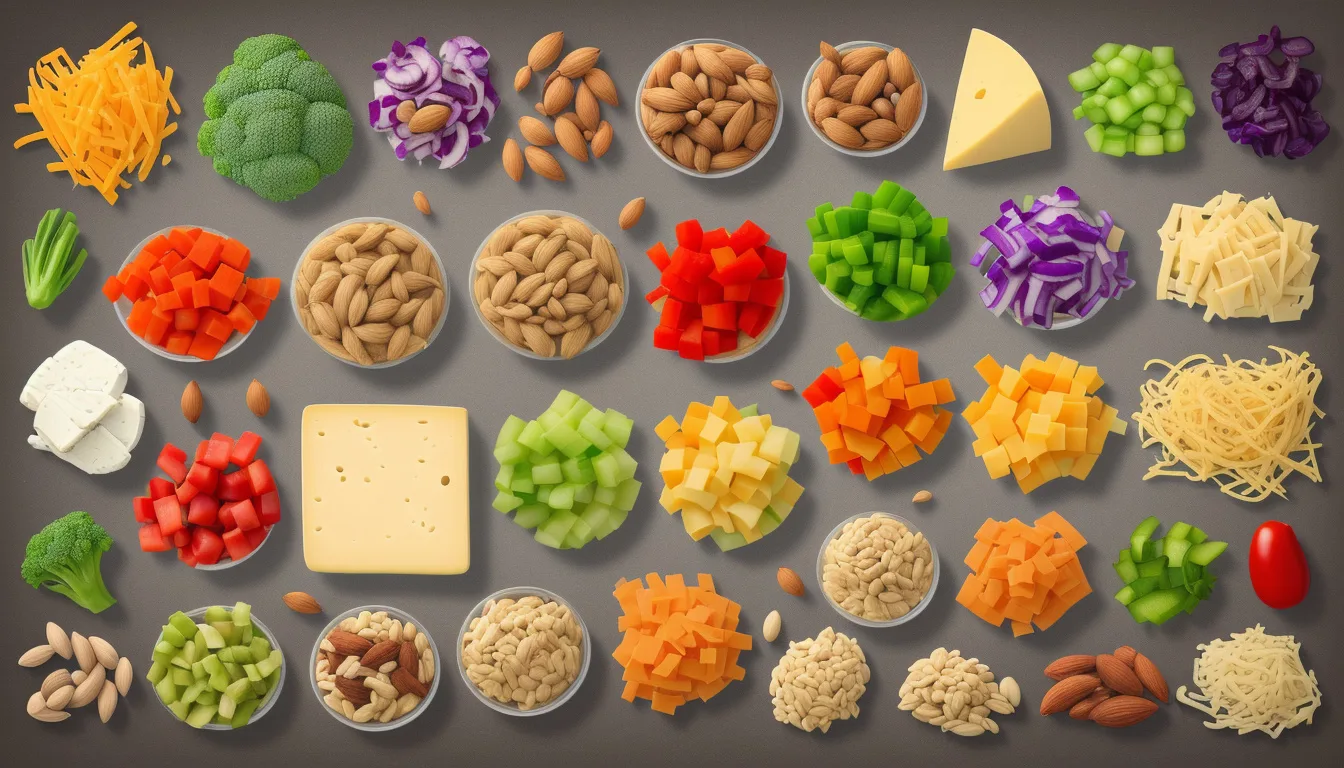
• Cheese
• Fatty cuts of meat
• Bread, tortillas, bagels (especially white bread)
• Granola, energy bars
• Dried fruits
These foods may be in a healthy plan but ask you to check portion sizes.
Very High Calorie Density (Use Sparingly)
• Oils and butter
• Mayonnaise
• Fried foods
• Candy, chocolate, pastries
• Nuts, seeds, nut butters
These are good in small amounts, but a tiny bit can add many calories.
How to Use Calorie Density to Eat More and Lose Weight
Forget counting every calorie. Think instead about changing how your meals work.
- Start Meals with Low-Calorie Foods
Begin with large portions of low-calorie foods. For example:
- A big salad with raw vegetables and light dressing
- A broth-based vegetable soup
- A plate of sliced cucumbers, tomatoes, carrots, or fruit
These foods fill your stomach so you naturally eat less of the denser items.
- Build a “V-F-F” Plate
Plan your plate like this:

• V = Vegetables (non-starchy)
Fill half your plate with greens like lettuce, broccoli, peppers, or cauliflower.
• F = Fiber-rich carbs
Fill one quarter of your plate with items like beans, whole grains, or starchy vegetables.
• F = Fulfilling protein
Use the remaining quarter for items like chicken breast, fish, tofu, eggs, or Greek yogurt.
Add small amounts of healthy fats (olive oil, avocado, nuts) as extras.
- “Water-Boost” Your Meals
Add water-rich foods to lower calorie density:
• Boost vegetables in pasta dishes, stir-fries, omelets, casseroles, or grain bowls.
• Choose salsa over heavy sauces.
• Prefer tomato-based sauces over cream sauces.
• Use extra broth in stews or chilis.
This way, you enjoy your dish with more volume and fewer calories per bite.
- Swap, Don’t Just Cut
Replace high-calorie items with lower-calorie ones. For example:
- Switch chips with air-popped popcorn or crunchy veggies with hummus.
- Change ice cream for Greek yogurt with fruit and a few granola bits.
- Change white pasta for part whole-wheat pasta mixed with spiralized zucchini.
- Change large wraps for lettuce wraps or smaller whole-grain tortillas with extra veggies.
This keeps the texture and taste while lowering calorie density.
- Watch Out for Liquid Calories
Drink choices matter. Many beverages pack sugar but no fiber:
• Regular soda
• Sweetened coffee drinks
• Fruit juices
• Energy drinks
• Alcoholic drinks
Instead, choose water, sparkling water, unsweetened tea, or black coffee. If you choose alcohol, keep portions small and avoid sugary mixers.
Concrete Calorie Density Hacks You Can Use Today
Here are ready-to-use rules. They help lower the calorie density in your meals and snacks.
Breakfast Hacks
• Make oatmeal with extra water or milk and add fruit. Avoid heavy granola with too many nuts and sugar.
• Build a veggie-loaded omelet using one whole egg and extra egg whites. Skip several whole eggs with cheese and bacon.
• Switch a bagel with cream cheese for two slices of whole-grain toast. Top with a thin layer of nut butter and slices of banana or berries.
Lunch & Dinner Hacks
• For pasta: Use half the pasta you usually do. Double the vegetables. Use marinara sauce on most days instead of cream or cheese sauces.
• For stir-fries: Use a non-stick pan with less oil. Double the vegetables and watch the sauce.
• For sandwiches: Pile on lean protein and veggies. Use a bit less cheese and mayo. Or choose an open-faced sandwich with a side salad.
Snack Hacks
• Change a large handful of nuts to a smaller handful plus fruit or raw veggies.
• Change candy bars for dark chocolate with berries or Greek yogurt with a little honey.
• Change chips for air-popped popcorn with light seasoning, sliced veggies, or roasted chickpeas.
Cooking Hacks
• Use oil sprays or measured teaspoons instead of pouring oil freely.
• Thicken soups and stews with pureed vegetables or beans instead of cream.
• Roast vegetables with little oil and season with herbs, spices, and a touch of lemon juice or vinegar.
Balancing Calorie Density with Satisfaction
Low calorie density does not mean you eat only plain vegetables. You still need:
• Enough protein to feel full and keep your muscles strong.
• Some healthy fats for a good taste and brain health.
• Carbs for energy and enjoyment.
Your goal is not to cut out high-calorie food completely but to let them play a small role. Think of it like this:
• Use low calorie foods as the base (vegetables, fruits, whole grains, beans).
• Add lean proteins.
• Use fats and richer items as small boosts (a drizzle, a slice, a sprinkle).
This plan makes your meals both satisfying and lighter on calories, which helps you keep the weight off over time.
A Sample Day Using Calorie Density Principles
This sample day shows how to plan meals with calorie density in mind.
Breakfast
• Oatmeal cooked with extra water
• Mixed berries on top
• 1–2 teaspoons of peanut butter or a few chopped nuts
Snack
• Apple slices with a bit of cheese or a little nut butter
Lunch
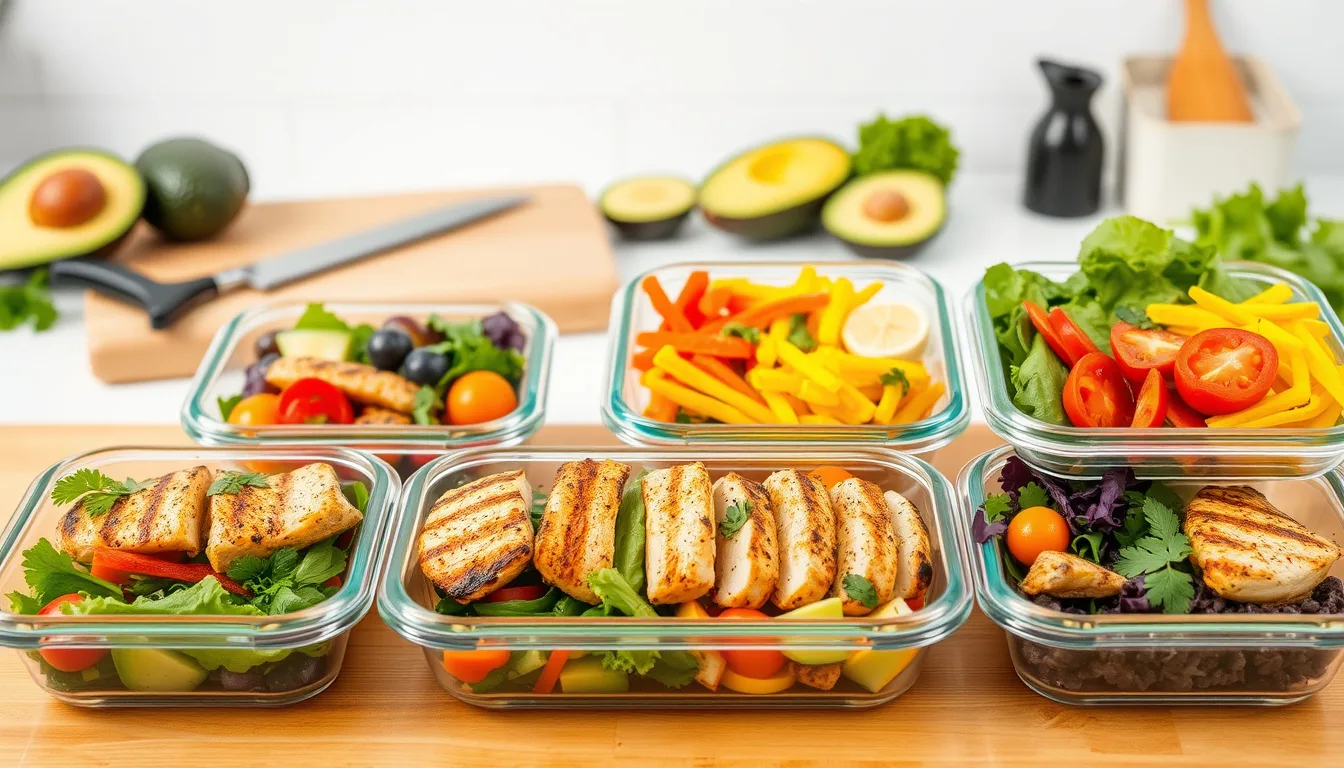
• Big salad with mixed greens, tomatoes, cucumbers, carrots, and beans, plus grilled chicken or tofu
• Light vinaigrette (measured)
• Optionally, a small whole-grain roll
Snack
• Carrot and cucumber sticks with hummus
• A glass of sparkling water
Dinner
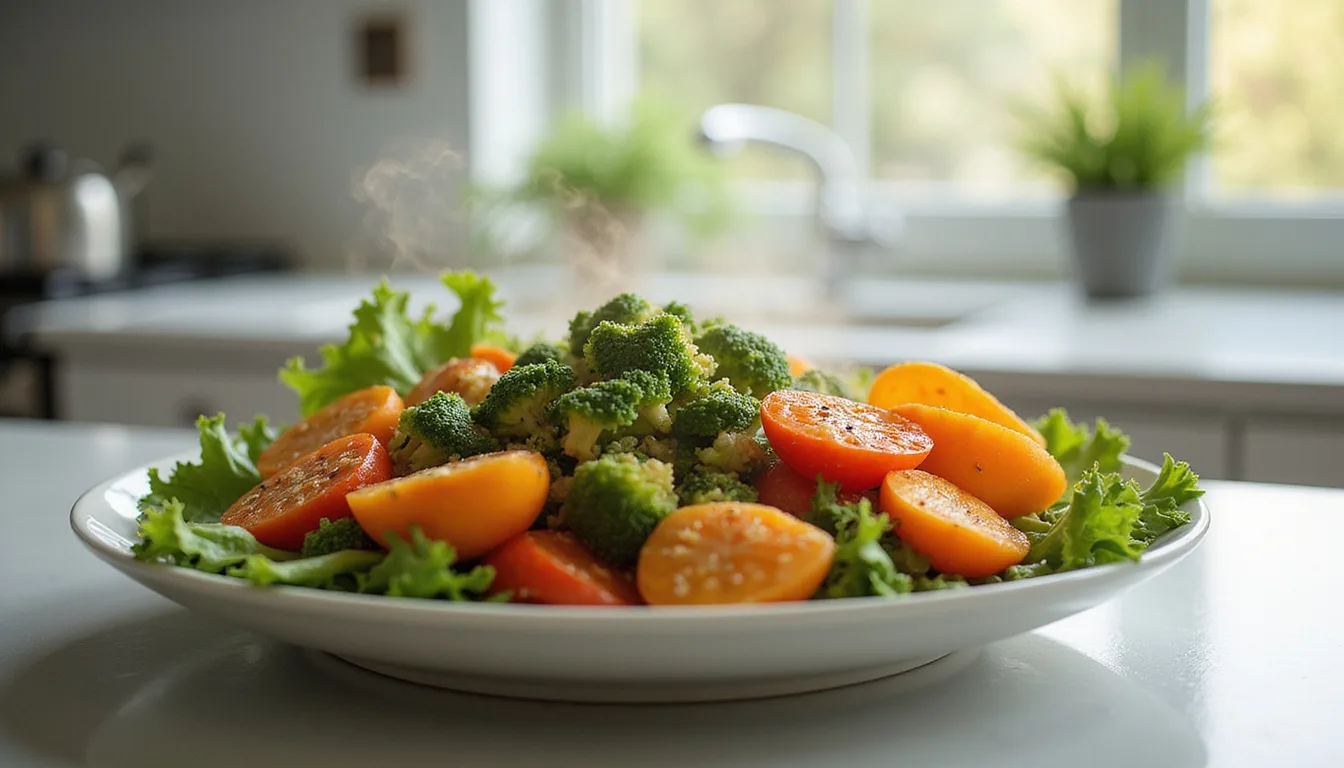
• Half your plate with roasted or steamed vegetables
• One quarter with brown rice or potatoes
• One quarter with grilled fish or chicken
• A light drizzle of olive oil or a few slices of avocado
Dessert (if desired)
• Fresh fruit or Greek yogurt with cinnamon and a little honey
This plan is about structure. Calorie density does the work for you.
Common Mistakes When Using Calorie Density
When you use these ideas, watch out for these errors:
-
Eating too few calories too fast
Even if low-calorie foods let you make a big deficit, do not starve yourself. Eating too little may lead to bingeing and slow down your progress. -
Overeating healthy but high-calorie foods
Nuts, seeds, avocado, and olive oil are good for you. Still, they pack many calories. Enjoy them in modest portions. -
Skipping protein
Piling on vegetables without enough protein may leave you unsatisfied. Keep a solid protein source on each meal. -
Relying on willpower alone
The point of low calorie density is to help you feel full without strong willpower. If you feel hungry often, add more low-calorie foods and check that you are not eating too few calories.
FAQ: Calorie Density, Weight Loss, and Meal Planning
-
What is calorie density and why does it help weight loss?
Calorie density tells you how many calories a weight of food holds. Low calorie foods like fruits and vegetables fill you up with few calories. With these foods, your stomach fills up, and you eat fewer calories. This plan helps with losing weight. -
What low calorie foods can I eat a lot of?
Non-starchy vegetables such as leafy greens, broccoli, zucchini, peppers, and cucumbers work well. Fruits like berries, apples, citrus, or melon also fit. Broth-based soups, beans with vegetables, and whole grains mixed with veggies are great when they make up most of your plate. -
How do I keep weight off over time using calorie density?
Keep this plan as your guide:
• Fill half your plate with non-starchy vegetables or fruit.
• Include a lean protein with every meal.
• Often choose whole grains and beans over refined grains.
• Use oils, nuts, and similar items as flavor touches, not the main part of your meal.
This way, you stay full and satisfied without strict rules.
Turn Calorie Density into Your Hidden Advantage
You do not have to choose between feeling full and losing weight. When you understand calorie density, you can:
• Enjoy big, satisfying meals
• Cut down on cravings and hunger
• Lose weight with more comfort
• Keep the weight off without feeling like you are always on a strict plan
Try one or two small changes today: fill your plate with a large salad before dinner, swap one high-calorie snack for a lower-calorie one, or double the veggies in your favorite meal. Bit by bit, you feel the change in your hunger, energy, and even in the mirror.
If you need more ideas for meals, a sample grocery list, or help to rework your favorite recipes to be more filling and kind to your waistline, ask for a plan. We can build it together step by step.
[center]Always consult with your doctor prior to making drastic diet changes.[/center]
[center]As an Amazon Affiliate, Savvy Keto makes a small commision (at no extra cost to you) on any purchases you make thru affiliated links you click on.[/center]