Complex carbs often get confused in our daily talk about food. Many hear “carbs” and think of weight gain, sugar crashes, or foods to avoid. In truth, complex carbs give steady energy, support health, and aid in lasting weight loss. When you pick smart carbs and mix them with sound habits, you build a path for long-term success over quick fixes.
This guide breaks down what complex carbs are, how they boost energy, why they help burn fat, and how to design meals around them in a clear and fun way.
What Are Complex Carbs, Really?

Carbohydrates join protein and fat as one of the main macronutrients. Your body uses them as a top source of energy.
Carbs come in two main types:
- Simple carbs – These are short sugars that digest fast. They appear in table sugar, syrup, candy, many pastries, and sugary drinks.
- Complex carbs – These have longer sugar chains. They carry fiber, vitamins, minerals, and other plant compounds.
Complex carbs break down slowly. This slow split of sugar molecules does the following:
- It gives a slow release of glucose in your blood
- It stops energy spikes and crashes
- It keeps you full longer
- It aids in smooth digestion and metabolism
Most complex carbs come from whole, light-processed plant foods: whole grains, beans, lentils, peas, starchy vegetables, and some fruits.
Complex Carbs vs Simple Carbs: Why the Difference Matters
Not all carbs act the same in your body. Your body treats white bread much differently than it treats lentils, even if both deliver the same grams of carbs.
How Simple Carbs Behave
Simple carbs tend to be:
- Low in fiber
- Fast to digest
- High in added sugars
This chain of reaction comes next:
- A fast spike in blood sugar
- A quick insulin surge to clear the sugar
- A drop in blood sugar and energy soon after
- A quick return of hunger and cravings
Frequent spikes from refined and sugary foods link to weight gain, extra belly fat, and a higher risk for diabetes and heart problems (source: Harvard T.H. Chan School of Public Health).
How Complex Carbs Behave
Complex carbs from whole foods usually come with:
- Good fiber
- A slower digestion process
- A gentler effect on blood sugar
Your body sees a steady flow of energy rather than a sudden rush. This way, you enjoy:
- Steady blood sugar levels
- Consistent energy
- Better control over hunger
- A friendlier setting for fat burning and metabolism
The key point is that not all carbs cause harm. It is the sugar-rich, refined carbs in large amounts that bring problems. Complex carbs stand as your partners in health.
Why Complex Carbs Are the Best Fuel for Steady Energy
If your energy runs high one minute and low the next, your carb choices play a big role.
Slow, Steady Glucose Release
Complex carbs build longer starch chains wrapped in fiber. The fiber slows digestion and absorption. This slowing down:
- Stops wild blood sugar moves
- Keeps a steady flow of energy in your cells
- Fuels your brain for focus and mood balance
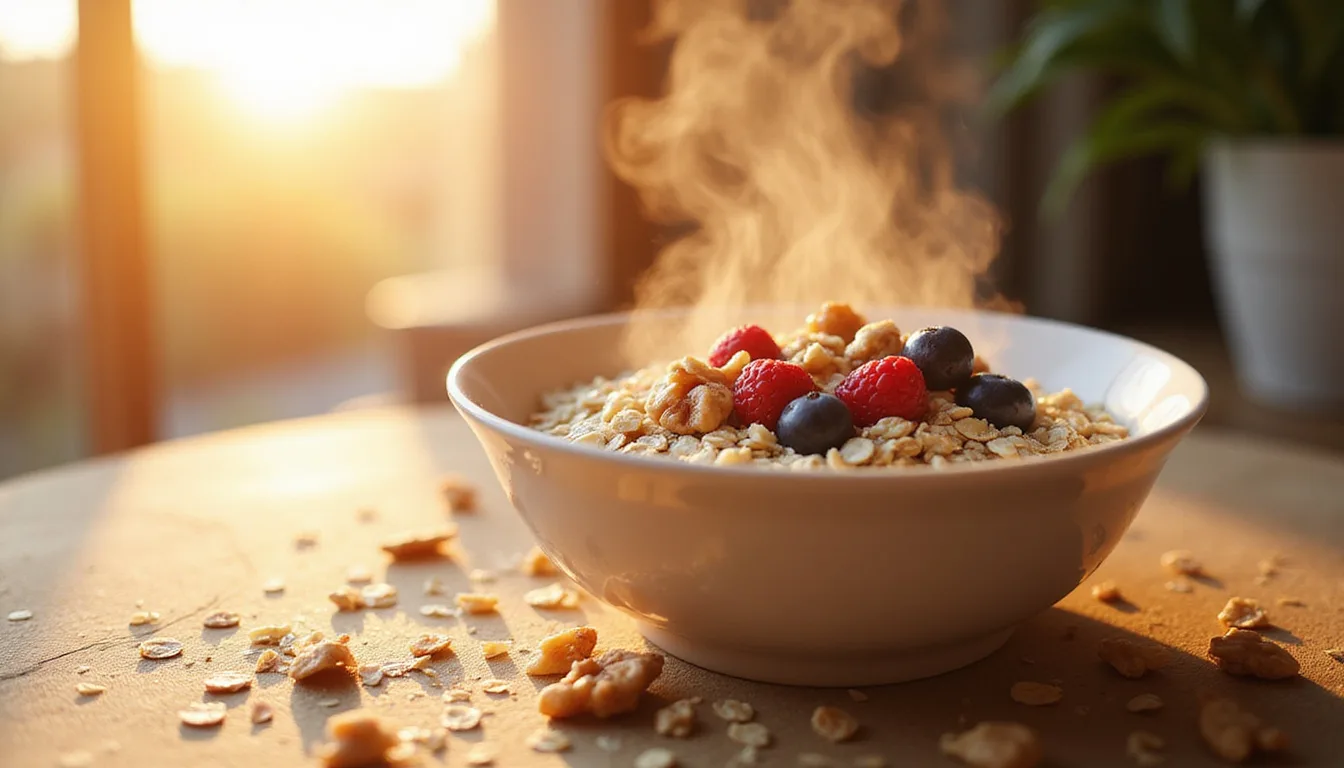
A bowl of oatmeal stays with you for hours. In contrast, sugary cereal leaves you hungry well before mid-morning.

Fiber: The Unsung Helper
Many of the best complex carbs provide both soluble and insoluble fiber. Fiber does the following:
- Slows the digestion of carbs
- Feeds helpful gut bacteria
- Helps keep your bowels regular
- Can slightly improve cholesterol and blood sugar levels
Most adults miss out on enough fiber (they eat about 15 g per day while a diet calls for 25–38 g). Choosing complex carbs lets you get more fiber almost by chance.
How Complex Carbs Help You Lose Weight (and Keep It Off)
Weight loss happens when you burn as many calories as you eat over time. What you eat can make this balance easier or harder. Complex carbs support fat loss in many strong ways.
1. Keeping You Fuller for Longer
Because complex carbs digest slowly and include high fiber, they:
- Stretch your stomach to send signals to feel full
- Take time to break down, which prolongs fullness
- Cut the chance to eat too much at the next meal
Think about the difference after you eat:
- A white bagel with juice
- A bowl of steel-cut oats with berries and a spoon of nut butter
Both meals contain carbs, but the second meal brings fiber, volume, and long-lasting satiety. This natural fullness can lead you to eat less later on.
2. Taming Cravings and Emotional Eating
Sugary, fast-acting carbs can push you into a cycle of cravings. When blood sugar falls after a spike, your brain looks for a quick refill, often in more sugar.
Complex carbs keep blood sugar steady. This stability can reduce:
- Mid-afternoon snack urges
- Late-night sugar searches
- The habit to keep eating when you are not truly hungry
With a stable blood sugar, it is easier to stick to eating patterns that help lose weight.
3. Supporting an Active Lifestyle
Healthy weight loss calls for regular movement. Carbs supply the best energy for:
- Fast walking and jogging
- Strength workouts
- Cycling, swimming, and group exercise
- Sports and high-intensity sessions
Complex carbs refill your muscle stores better than low-carb choices. With more energy, you:
- Perform better in workouts
- Keep muscle and boost metabolism
- Move more throughout the day
Better training and more movement make losing fat much more doable.
Best Sources of Complex Carbs for Health and Weight Loss
Not every complex carb stays true to its source after heavy processing. Focus on foods that stay close to their natural state and pack good fiber.
Whole Grains
Seek out grains in their whole or nearly whole form:
- Oats in steel-cut, rolled, or groat form
- Quinoa
- Brown rice, wild rice, or black rice
- Barley, farro, or bulgur
- Bread and pasta that list whole grain first and have very little added sugar
Legumes (Beans, Lentils, Peas)
Legumes combine complex carbs with plant proteins and fiber:
- Lentils (green, brown, red, black)
- Chickpeas
- Black beans, kidney beans, pinto beans
- Split peas and green peas
- Soybeans or edamame
They fill you up, add low fat, and cost little—good for weight loss on a budget.
Starchy Vegetables
These foods come with vitamins and help you feel full:
- Sweet potatoes or yams
- White potatoes (keep the skin on)
- Winter squash like butternut, acorn, or kabocha
- Corn, parsnips, or beets
Even potatoes, when boiled, roasted, or baked with their skin on and eaten in fair portions, work well as a complex carb.
Fruit and Non-Starchy Vegetables
Fruits and many vegetables mix simple and complex carbs. Their fiber and vitamins make them a smart choice:
- Apples, pears, berries, oranges, or kiwi
- Carrots, broccoli, Brussels sprouts, or leafy greens
- Bell peppers, tomatoes, or onions
Non-starchy vegetables add bulk and nutrients with few calories, making your meals heartier without extra calories.
Building High-Energy, Weight-Loss-Friendly Meals with Complex Carbs
To get the most out of complex carbs, mix them with protein, healthy fat, and plenty of vegetables. Think of a balanced plate rather than separate nutrients.
The 4-Part Balanced Plate
For most meals, use this guide:
-
1/4 of the plate: Protein
- Options like chicken, fish, lean beef, or eggs
- Plant choices like tofu, tempeh, beans, lentils, or Greek yogurt
-
1/4 of the plate: Complex carbs
- Foods such as brown rice, quinoa, oats, or whole grain pasta
- Alternatives like potatoes, sweet potatoes, beans, lentils, or whole grain bread
-
1/2 of the plate: Non-starchy vegetables
- Examples include salad greens, broccoli, cauliflower, or zucchini
-
1–2 thumb-sized portions: Healthy fats
- Choices like olive oil, avocado, nuts, seeds, or nut butters
This simple plate manages calories, packs in nutrients, and keeps you full and active.
Example Day of Eating with Complex Carbs
Breakfast
• Steel-cut oats cooked in water or milk
• Topped with blueberries, chia seeds, and a spoon of almond butter
Lunch
• Quinoa with black beans
• Mixed greens with cherry tomatoes, corn, avocado, salsa, and a squeeze of lime
Snack
• Apple slices with a handful of walnuts
Dinner
• Baked salmon or tofu
• Roasted sweet potato wedges
• Steamed broccoli and carrots with a drizzle of olive oil and herbs
This plan works complex carbs into every meal while keeping meals balanced for weight loss.
How Much Complex Carbohydrate Do You Need?
Your carb needs depend on age, sex, activity, health, and taste. Here are general tips:
• Many people thrive on 40–60% of daily calories coming from carbs, with a focus on complex types.
• For moderate activity and weight loss, a guideline is about 2–4 grams of carbs per kilogram of body weight per day.
The main ideas are:
• Focus on the quality of carbs, not just the percentages.
• Adjust portions based on progress.
- If weight does not drop after a few weeks, try trimming down carb-dense foods (or fats) while keeping plenty of vegetables.
- If you feel low on energy or struggle during workouts, you might need more complex carbs, especially around exercise.
Listen to your body while you keep regular eating habits for a few weeks.
Common Myths About Complex Carbs and Weight Loss
“Carbs make you fat.”
Extra calories make you gain weight. Many cultures with diets rich in rice, beans, and vegetables have low obesity. Too many refined carbs, hidden sugars, and high-fat processed foods cause the problem.
“You have to go low-carb to lose weight.”
Some people do well with low-carb options, but many find a moderate-carb plan that includes complex carbs easier to keep up with because it uses:
• Whole grains
• Fruits
• Root vegetables
• Legumes
Sticking to healthy foods matters more than following strict numbers.
“Fruit is too high in sugar to be healthy.”
Whole fruit does have sugar, yet it also brings fiber, water, vitamins, and minerals. A serving or two a day works well with weight loss and boosts health. Fruit juice and dried fruit pack more sugar and are easier to eat in excess.
Simple Strategies to Add More Complex Carbs to Your Diet
You can start small and build up over time.
Try these small shifts:
-
Swap refined grains with whole grains
• White rice becomes brown, wild rice, or quinoa
• White pasta turns into whole wheat or legume-based pasta
• White bread is replaced with 100% whole grain bread -
Build one bean-based meal each day
• Add beans or lentils to salads, soups, tacos, or grain bowls -
Choose oats instead of sugary cereal
• Top oats with fruit, nuts, and seeds instead of high-sugar toppings -
Add a starchy vegetable at dinner
• Roast sweet potatoes, squash, or potatoes with olive oil and herbs -
Snack with care
• Enjoy fruit with nuts, hummus with veggies, or air-popped popcorn instead of cookies or chips
These small shifts grow into big gains in energy, fullness, and body shape over time.
FAQ About Complex Carbs and Weight Loss
1. Are complex carbohydrates good for weight loss?
Yes. Complex carbs supply long-lasting energy and fiber. They help you stay full and cut down on extra eating. When you pick complex carbs like oats, beans, and whole grains over refined options, it is easier to keep a calorie cut without constant hunger.
2. What are the best complex carbs for losing belly fat?
No single food burns belly fat on its own. High-fiber complex carbs help reduce overall fat. Good choices include:
• Oats and barley (rich in soluble fiber)
• Lentils, chickpeas, and beans
• Quinoa and brown rice
• Sweet potatoes and other root vegetables
Pair these foods with a calorie-balanced diet, regular strength training, and enough sleep to lower belly fat.
3. Can I eat complex carbs at night and still lose weight?
Yes. Having complex carbs at night does not cause weight gain by itself. What counts is the total of calories and the quality of foods throughout the day. A balanced dinner with complex carbs, lean protein, and vegetables can keep you full and may stop late-night snacking.
Take Action: Let Complex Carbs Work for You
Carbs do not deserve a bad name. The right carbs can be one of your strongest aids for steady energy, better workouts, and lasting fat loss. When you pick complex carbs from whole, light-processed foods, you boost your fiber, control your appetite, and fuel your body well.
Start by making one change today: swap a refined carb for a complex carb in your next meal, or build a balanced plate with the guide above. As these choices become everyday habits, you will notice the difference in your energy, cravings, and progress toward your weight goals.
If you are ready to boost energy and manage weight without cutting out entire food groups, put complex carbs at the heart of your next shopping list and meal plan. Your body and your long-term results will thank you.
[center]Always consult with your doctor prior to making drastic diet changes.[/center]
[center]As an Amazon Affiliate, Savvy Keto makes a small commision (at no extra cost to you) on any purchases you make thru affiliated links you click on.[/center]