
Ketone Production Breakthroughs: How to Burn Fat and Sharpen Focus
Ketone production was once a secret known only to biohackers and keto dieters. Now it is a main part of nutrition and brain research. New studies link ketones to fat burning, clear thought, and body balance. If you wish to lose fat, boost work focus, or care for your brain, learn what ketones do and how your body makes them. This can give you a strong push in the right direction.
In this guide you will see what ketones are, how your body makes them, what new studies show, and how to boost their production in a way that fits your life.
What Is Ketone Production?

Ketone production—also known as ketogenesis—is the way your liver turns fat into small energy molecules called ketone bodies. These ketones feed your brain, muscles, and other tissues when sugar is low.
The three main ketone bodies are:
- Acetoacetate (AcAc)
- Beta-hydroxybutyrate (BHB) – the most studied and steady in blood
- Acetone – a waste product that leaves in your breath
When you eat less carbohydrate, fast, or work harder, your body turns to stored fat. Fat in the form of fatty acids reaches the liver and is made into ketones. This shift from burning sugar to burning fat and ketones is known as being “in ketosis.”
Why Ketones Matter: Fat Burning and Focus
Ketones as a Fat-Burning Fuel
When ketone production rises, your body uses fat for energy. Here is how it helps fat loss:
- Lower insulin levels: With fewer carbs and more fat use, insulin falls. A low insulin level helps your body free stored fat.
- Steady energy and fewer cravings: Ketones supply a steady energy flow that stops energy lows and sweet cravings.
- Muscle support: Fast ketone use can spare muscle since your brain and body find other energy than sugar.
Studies show that low-carb and keto diets can work as well or even better than low-fat diets for fat loss. These effects come from changes in hormones and energy flow (source: Harvard T.H. Chan School of Public Health).
Ketones and Cognitive Performance
The brain needs a lot of energy, and ketones fuel it well:
- Quick brain fuel: BHB and acetoacetate cross into the brain and feed neurons.
- Less stress in cells: Ketones help lower harmful by-products that form during energy creation.
- Restored balance for brain chemicals: Ketosis may change the levels of GABA and glutamate. This balance explains why keto diets help with some forms of epilepsy (source).
Many notice a clear mind and steadier energy after their body adapts to using ketones. Research continues on ketones for brain issues and aging.
How Ketone Production Works in Your Body
The steps below show you how your body makes ketones:
-
Carbs fall or demand grows
Eating fewer carbohydrates, exerting hard effort, or fasting drops blood sugar and liver glycogen. -
Insulin falls, glucagon rises
Low insulin and rising glucagon tell fat cells to release fatty acids into the blood. -
Fatty acids go to the liver
The liver takes them up and breaks them using beta-oxidation. This produces acetyl-CoA. -
Acetyl-CoA grows
With few carbs, there is little oxaloacetate. Acetyl-CoA begins to build up. -
Liver makes ketones
The liver converts acetyl-CoA into acetoacetate, then to BHB and acetone. -
Ketones feed tissues
The brain, heart, and muscles take up ketones and use them for energy.
This system is old and smart. Humans evolved to use fat and ketones when food was scarce.
Nutritional Ketosis vs. Ketoacidosis
It is key to tell apart nutritional ketosis—a safe state of raised ketone production—from ketoacidosis, a dangerous state seen mainly in uncontrolled type 1 diabetes.
-
Nutritional ketosis:
- Blood BHB usually sits at 0.5–3.0 mmol/L
- Blood pH stays normal
- Insulin and glucagon keep balance
- Reached by diet, fasting, or exercise in healthy folks
-
Diabetic ketoacidosis (DKA):
- Blood BHB can be more than 10 mmol/L
- Blood becomes acidic
- Caused by very low insulin
- Needs urgent care
Healthy people rarely get ketoacidosis from diet alone. Yet, if you have diabetes or a related condition, work with a doctor before trying keto.
Breakthroughs in Understanding Ketone Production
Recent work has revealed new benefits and tools tied to ketones:
1. Ketones as Signaling Agents
Ketones do more than fuel your body. They send signals that affect how genes work and how cells handle stress:
- BHB and gene control: BHB can block enzymes that erase gene marks, thus supporting defenses and metabolism.
- Lower inflammation: Ketones may help slow some body reactions that lead to sickness.
This means ketone production not only changes how you get energy but also how your cells work.
2. External Ketones: Supplements to Raise Ketone Levels
New products now can raise blood ketones without strict eating changes:
- Ketone salts: BHB attached to minerals like sodium or magnesium. They raise ketones at a steady rate.
- Ketone esters: These raise BHB faster and to higher levels. They can taste sour and are costlier.
New uses of these products include:
- Boosting endurance
- Supporting clear thought when stressed or tired
- Helping those with problems in brain energy
These supplements provide ketones but do not make your body burn its own fat unless you follow the proper diet and exercise.
3. Individual Differences in Ketosis
Not everyone makes ketones at the same speed or level. Studies show that differences in:
- Genetics and cell power
- Insulin use
- Liver health
- Past eating habits
- Age and hormones
all can change the results. This has led many to use personal tools (like glucose monitors, ketone meters, and apps) to guide their eating and activity for best results.
Strategies to Increase Ketone Production Naturally
You do not have to live on heavy fat to boost ketones. There are many ways, and you can pick the ones that match your plans.
1. Lower Carbohydrate Intake
The fastest trigger for ketone production is cutting carbs so that insulin falls and liver stores drop.
Some ranges are:
- Strict keto diet: About 20–50 g net carbs per day
- Moderate low-carb: About 50–100 g net carbs per day
- Cyclical or targeted keto: Low most days with a few carb breaks
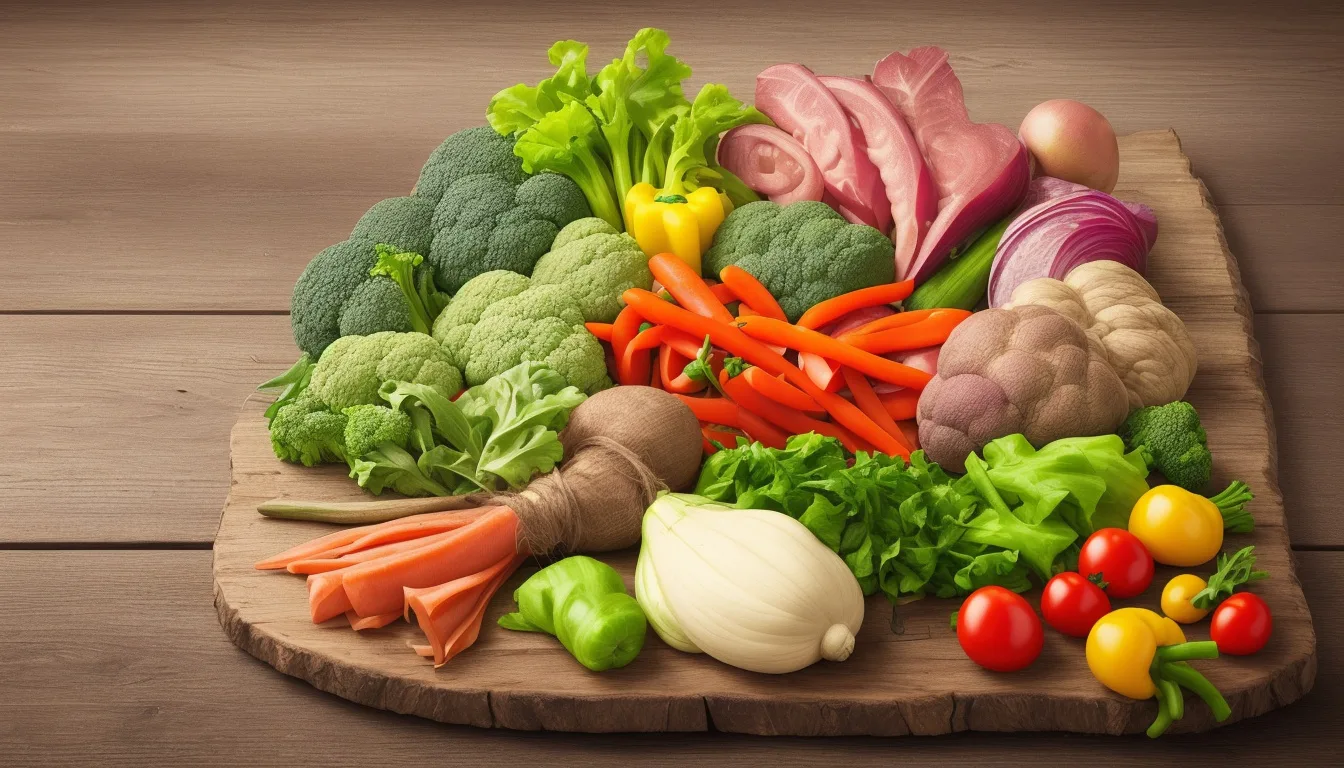
Choose whole, simple foods:
- Green or non-starchy vegetables (spinach, broccoli, cauliflower)
- Meat, chicken, fish, eggs
- Fats like olive oil, avocado, nuts, seeds
- Some full-fat dairy (if you do well with it)
2. Increase Healthy Fats (Especially MCTs)
Ketone production rises when the liver has plenty of fat to use. Aim for:
- Monounsaturated fats: Olive oil, avocados, macadamia nuts
- Omega-3 fats: Fatty fish (salmon, sardines), flax, chia
- Medium-chain triglycerides (MCTs):
- MCT oil or C8 (caprylic acid) supplements
- Coconut oil (a milder form)
MCTs go quickly to the liver where they are changed into ketones.
3. Intermittent Fasting and Time-Restricted Eating
Fasting nudges your body to burn its own fat. Options include:
- Time-restricted eating (TRE): Eat in an 8–10 hour window (like 11 a.m. to 7 p.m.)
- Intermittent fasting (IF): Patterns like 16:8, 18:6, or a full day fast sometimes
- Longer fasts (24–72 hours): They raise ketones a lot but need care if you have health issues.
Mixing low-carb eating with fasting often speeds up ketosis.
4. Exercise and Glycogen Use
Exercise ups energy use and can boost ketone production:
- High-intensity intervals (HIIT): These burn through energy stores quickly.
- Steady cardio (like brisk walking, cycling, jogging): Burns more fat especially when done on an empty stomach.
- Strength training: Keeps your muscles strong as you lose fat.
Exercise with low-carb eating work well together for fat burn and ketone rise. You might feel a short drop in power until your body adapts.
How to Measure and Track Ketone Production
If you want to fine-tune your fat burn or mental power, tracking ketones can help.
1. Blood Ketone Meters
- They read BHB in blood from a finger prick.
- They are the most accurate home tool.
- Typical ranges:
- 0.3–0.5 mmol/L: very light ketosis
- 0.5–1.5 mmol/L: nutritional ketosis
- 1.5–3.0 mmol/L: deeper ketosis often used for health needs
2. Breath Acetone Meters
- They check acetone in your breath, which links to ketone levels.
- They are non-invasive and work repeatedly.
- They are less exact than blood ones but good for spotting trends.
3. Urine Ketone Strips
- They test acetoacetate in urine.
- They are low-cost and simple for beginners.
- They may lose accuracy as your body adapts and uses more ketones.
You do not need to focus too much on numbers, but checking now and then helps you see how food, fasting, sleep, and stress affect your ketones.
Common Challenges When Increasing Ketone Production
“Keto Flu”
In the first days of raising ketone production through low carbs, many can feel:
- Headaches
- Tiredness
- Irritability
- Cloudy thoughts
- Muscle cramps
This "keto flu" comes mostly from changes in salt and water balance as insulin drops.
Ways to help:
- Boost salts: sodium, potassium, magnesium
- Drink lots of water
- Slow the switch over 1–3 weeks instead of all at once
Upset Stomach from High Fat or MCTs
A sudden rise in fat or large MCT doses may bring:
- Nausea
- Diarrhea
- Belly cramps
Start with small amounts and build up slowly over days or weeks.
Sleep, Stress, and Too Much Exercise
High stress, little sleep, and overtraining without rest can:
- Raise cortisol
- Affect insulin use
- Disrupt hunger and food choices
All these can disturb steady ketone production. Aim for:
- 7–9 hours of good sleep
- Calm practices (deep breathing, mindfulness, calm walks)
- Reasonable exercise with rest days
Who Should Be Cautious With Elevated Ketone Production?
Most people can boost ketones safely, but some should move slowly and check with a doctor:
- Those with type 1 diabetes or who need insulin for type 2 diabetes
- People with past cases of ketoacidosis
- Folks with liver or pancreatic issues
- Pregnant or breastfeeding women (who need special care)
- Anyone on certain drugs like SGLT2 inhibitors (which already raise ketones)
If you have a medical need or take prescription drugs, talk with a caring healthcare provider before big changes.
Practical Blueprint: Steps to Boost Ketone Production Safely
Try this simple, step-by-step plan:
-
Week 1–2: Clean up carbs
- Cut out sugary drinks, white grains, and heavily processed snacks.
- Aim for about 75–100 g net carbs per day. Use vegetables, a bit of fruit, and whole-food starches.
-
Week 3–4: Shift to low-carb
- Lower to about 50–75 g net carbs per day.
- Add more healthy fats (olive oil, avocados, nuts, fish).
- Try one or two 12–14 hour overnight fasts each week.
-
Week 5–6: Reach nutritional ketosis
- Drop to about 20–50 g net carbs per day, based on how you feel.
- Think about adding 1–2 teaspoons of MCT oil with meals, starting slowly.
- Do a few sessions of low-intensity cardio on an empty stomach (like a 30–45 minute walk in the morning).
-
Week 7 and beyond: Adjust for your needs
- Use a blood or breath ketone meter to watch your progress.
- Try out schedules such as 16:8 fasting, or mix in some higher-carb days around tough workouts.
- Consider occasional external ketone supplements if you want to boost mental or physical performance.
- Keep an eye on energy, mood, and fitness as you adjust for your goals.
FAQ: Ketone Production and Ketosis
Q1: How fast does the body start making ketones?
If you drop carbs sharply, your liver can begin to make ketones in 24–72 hours as glycogen drops. Full adaptation to using fat and ketones may take 2–6 weeks. You might see changes in energy and exercise during this time.
Q2: Can you raise ketones without a strict keto diet?
Yes. You can boost ketones by uniting practices like intermittent fasting, a moderate low-carb diet (about 50–100 g carbs per day), using MCT oil or targeted external ketones, and low-intensity cardio on an empty stomach.
Q3: What signs tell you ketone production is working for fat loss and focus?
Signs include:
- Steady energy through the day
- Fewer sugar cravings and snacks
- Gradual, steady fat loss
- Clear thinking and fewer afternoon slumps
- Reduced irritability when meals are delayed
You may also check with blood or breath tools to track ketone changes.
Turn Ketone Science Into Real-World Results
Ketone production goes beyond a passing trend. It is a strong tool that your body naturally uses. Learn to shift your energy use from sugar to fat and ketones. This shift can lead to:
- More steady fat burning
- Clearer, steadier focus
- Better control over hunger
- Long-term help with body balance and brain function
You need not start with an extreme plan. Start small: cut down on refined carbs, add healthy fats, try a short fasting window, and move your body often. Then decide if a deeper low-carb plan, performance-focused steps, or targeted external ketones fits you.
If you are ready to let ketone production work for your energy, focus, and body shape, pick one step from this guide and try it this week. Watch how you feel, adjust as needed, and add more steps over time. Your body is flexible—give it clear signals, and it will reply in kind.
[center]Always consult with your doctor prior to making drastic diet changes.[/center]
[center]As an Amazon Affiliate, Savvy Keto makes a small commision (at no extra cost to you) on any purchases you make thru affiliated links you click on.[/center]