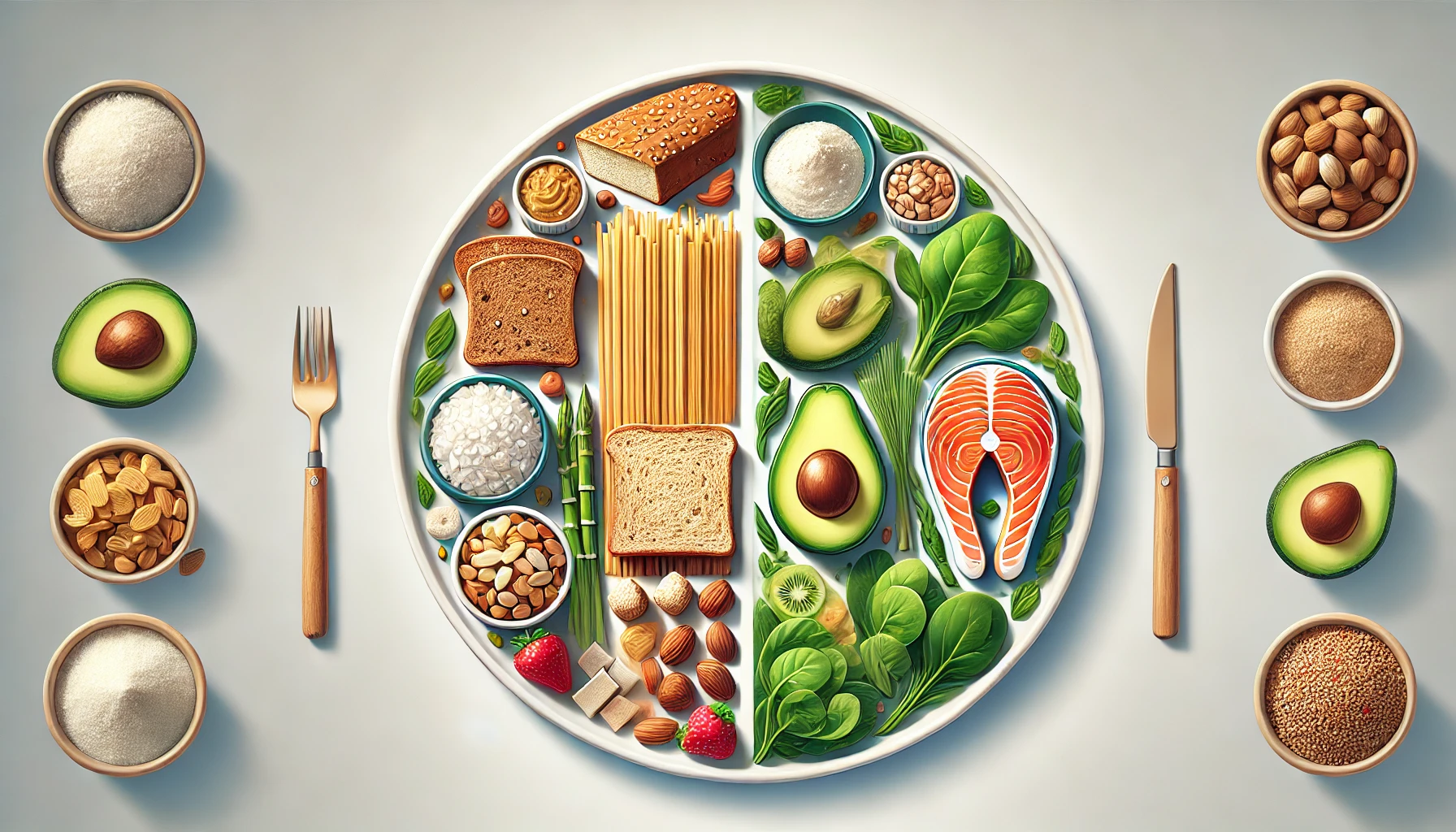

Nutritional Ketosis: 10 Proven Strategies to Boost Energy and Burn Fat
Nutritional ketosis is a metabolic state. It makes your body use ketones from fat as fuel. This state raises energy, steadies hunger, and burns fat stored in the body. When you know how this state works and how to enter and keep it safe, you build a simple plan for better health, body shape, and clear thought.
Below are 10 strategies that work. They help you enter ketosis, stay in it, and fit it into your life.
What Is Nutritional Ketosis?

Nutritional ketosis makes your body use ketones from fat instead of sugar. Your liver makes ketones from fat when you do three things:
• Lower your carbs a lot
• Keep a steady, moderate protein level
• Add more healthy fats
Your liver then turns stored fat and fat from food into ketones (beta-hydroxybutyrate, acetoacetate, and acetone). These ketones then serve as a clean, fast fuel for your brain and body.
Key benefits you may feel:
• Less hunger and a steadier appetite
• Better fat loss while saving muscle
• Clearer thoughts and fewer energy drops
• More stable blood sugar in some people (source: Harvard School of Public Health)
Always note: Nutritional ketosis does not equal diabetic ketoacidosis. The latter is a serious sign in people with uncontrolled diabetes. For most healthy people, a well-managed nutritional ketosis has a mild rise in ketones.
1. Cut Carbs Strategically (Not Randomly)
To reach nutritional ketosis, you must cut carbs well. This cut forces your body to choose fat as the main fuel.
General carb targets:
• For many people: 20–50 grams of net carbs per day
• For active or athletic people: sometimes 75–100 grams, based on your goals and your body’s need
(Net carbs = Total carbs minus fiber minus sugar alcohols when you count them.)
Pick the right carbs.
• Prefer non-starchy vegetables (leafy greens, broccoli, cauliflower, zucchini, asparagus, peppers).
• Limit grains, sugar, fruit juices, starchy vegetables (potatoes, corn, peas), and most baked goods.
• Use fruit with care: small portions of low-sugar fruits like berries can work, but your total carbs still count.
Start with about 20–30g net carbs for 2–4 weeks to get into ketosis well. Then, see if you need more later.
2. Rely on Healthy Fats to Fuel Ketosis
When you cut carbs, your energy must come from fat. Healthy fats support your energy and prevent tiredness or hunger.
Good fat sources include:
• Avocado and its oil
• Extra virgin olive oil
• Coconut and coconut oil
• Fatty fish like salmon, mackerel, and sardines
• Eggs from pasture-raised birds
• Butter or ghee from grass-fed sources
• Nuts and seeds (almonds, walnuts, chia, flax, macadamia, pumpkin seeds)
Keep away from:
• Industrial seed oils (soybean, corn, canola, cottonseed)
• Deep-fried fast foods
• Processed fats that are hydrogenated or have trans fats
When you are in ketosis, fats should make up most of your calories. Many people get 65–80% of their calories from fats, based on how many calories they need.
3. Eat Enough Protein—But Not Too Much
Protein helps keep your muscles and your body strong. In nutritional ketosis, the amount you eat is important. Too much protein may cause your body to make a bit of sugar from it.
A clear rule is:
• Eat about 0.6–1.0 gram of protein for every pound of lean body mass.
- For example, a 150-lb person with 25% body fat has about 112 lb lean mass.
- Multiply 112 by 0.6–1.0 to get 67–112 grams of protein each day.
Choose protein from these sources:
• Meat and poultry (beef, chicken, turkey, lamb, pork)
• Fish and seafood
• Eggs
• Dairy like Greek yogurt or cottage cheese (if you handle dairy well and count the carbs)
• Plant choices such as tofu, tempeh, and low-carb protein powders (pea, hemp, etc.)
Aim for a moderate amount of protein. Not too little and not very high like a bodybuilder’s plan.
4. Keep an Eye on Electrolytes to Prevent the “Keto Flu”
When you start nutritional ketosis, your body loses water and sodium. This drop can lead to:
• Headaches
• Tiredness
• Muscle cramps
• Lightheadedness
• Feeling on edge
These signs come with what people call the “keto flu.” You can ease these signs with good fluid and salt use.
Focus on these electrolytes:
• Sodium: Add a cup or two of salty broth each day or put some salt on your food.
• Potassium: Find it in leafy greens, avocado, and salmon.
• Magnesium: Get it from nuts, seeds, leafy greens, or a good magnesium pill.
Aim for:
• 2–4 g of sodium (in total)
• 3–4 g of potassium (mostly from food; use supplements with care)
• 300–400 mg of magnesium per day
Good electrolyte use makes the shift into ketosis much smoother.
5. Mix in Intermittent Fasting to Boost Fat Burning
Intermittent fasting (IF) fits well with nutritional ketosis. Both help your body use stored fat and ketones for fuel. Many find fasting simple after a few days in ketosis since hunger is steadier.
Common intermittent fasting methods:
• 16:8 – Fast for 16 hours, eat in an 8-hour window (for example, 12 pm to 8 pm).
• 18:6 – A longer fast for those who do well with it.
• Alternate-day or 24-hour fasts – Only for those with prior experience and a doctor’s go-ahead.
Tips for combining intermittent fasting with nutritional ketosis:
• Begin fasting after you have been in ketosis for 1–2 weeks, not right away.
• Drink water and beverages with no calories while you fast (black coffee or plain tea).
• Break the fast with a meal that holds protein, healthy fat, and low-carb veggies to keep your blood sugar level steady.
Fasting can bring you to ketosis faster, burn more fat, and give your mind a boost. It is a choice; you can succeed with nutritional ketosis with or without strict fasting.
6. Track (At First) to Know Your Response
A short period of tracking can help you learn how your body responds to nutritional ketosis.
What to track:
-
Carbs, fats, and protein
• Use a food diary or an app.
• Stay within your carb goal and meet your protein needs. -
Ketone levels (if you wish)
• Blood ketone meters: They are the most exact. Nutritional ketosis shows 0.5–3.0 mmol/L of beta-hydroxybutyrate.
• Breath meters: They are handy and can be used again.
• Urine strips: They cost less but work less well as your body adapts. -
How you feel
• Energy levels
• Hunger and any cravings
• Mental clarity
• Sleep and mood
Tracking is not about being perfect. It gives you simple facts to see what keeps you in ketosis and what does not.
7. Pick Whole Foods Over Packaged “Keto Junk”
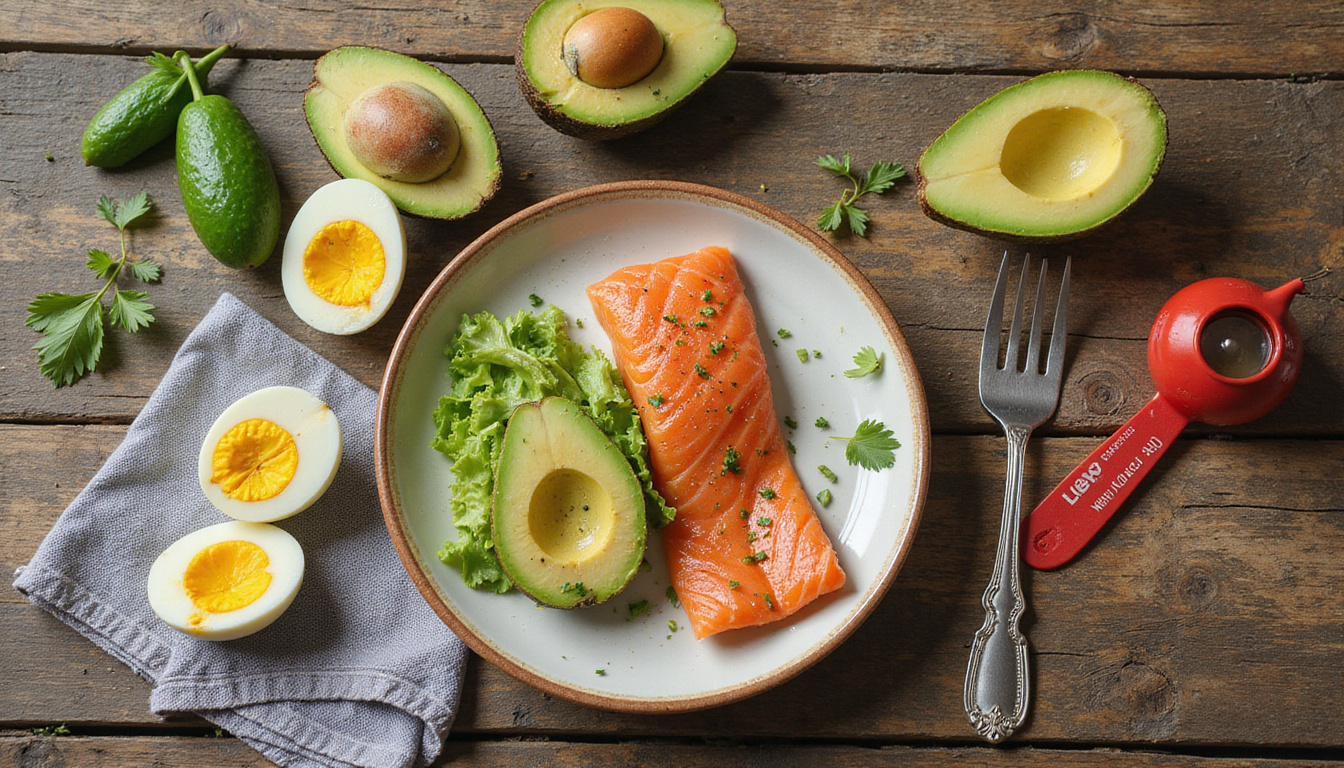
There are many packaged “keto” snacks, bars, candies, and shakes in stores today. While they may be easy, they can spoil your progress and make nutritional ketosis less healthy.
Build your meals on whole, minimally processed foods:
• Non-starchy vegetables such as spinach, kale, arugula, broccoli, cauliflower, and Brussels sprouts
• High-grade proteins like meat, poultry, fish, and eggs
• Whole fats from avocado, nuts, seeds, olives, and coconut
Use packaged keto foods rarely, if at all:
• Many add sugar alcohols or fibers that may affect blood sugar for some people.
• They may remind you of old snacking habits.
Nutritional ketosis works best when your meals fill you up and give you nutrients that your body needs.
8. Match Exercise With Nutritional Ketosis
Exercise works well with nutritional ketosis. It helps melt fat, keeps muscle strong, and supports overall health.
The best moves include:
-
Resistance training (2–4 times per week)
• Use bodyweight moves, free weights, or machines.
• Pick key moves (squats, deadlifts, presses, and rows)
• It helps you hold on to or build muscle as you shed fat. -
Low-to-moderate intensity cardio
• Choose walking, cycling, light jogging, or swimming.
• This choice works well during the early days when your energy may have ups and downs. -
High-intensity training
• Try short sprints or interval sessions.
• Use these only after you have adapted for about 4–6 weeks.
Expect that your exercise strength may drop slightly for 1–3 weeks as your body learns to use fat for fuel. This change often turns around, and you may feel even better, especially in long, steady activities.
9. Plan for Social Times and Daily Life
Your nutritional ketosis plan must work when you dine out or go to a party. A little planning helps a lot.
Simple steps include:
• Look at menus before you go out. Choose grilled meat or fish, salads, and vegetable sides. Skip the bread and fries.
• Ask for changes when you order. For example, request extra veggies instead of rice or potatoes.
• If you go to a party, bring a dish that suits your plan.
• When you drink, choose dry wine or clear spirits with soda water. Skip sweet mixers and beer.
Know that one meal with extra carbs may set you out of ketosis for a short time. This break does not wipe out your progress. The trick is to return to your plan with your next meal.
10. Watch Your Body and Adjust With Time
Nutritional ketosis is not the same for everyone. People differ in how many carbs they can handle, their activity levels, hormones, and health. The best plan changes as you learn more about your body.
Watch for these signs that the plan is right:
• Steady energy with no big drops in the afternoon
• Lower hunger and fewer cravings
• Slow, steady fat loss or changes in your body shape
• Stable or improved blood sugar (when you check it)
• Good sleep and mood
Watch for these if you need a change:
• Tiredness or brain fog after a few weeks
• Trouble sleeping or waking often at night
• Hair loss, a feeling of cold, or changes in your cycle
• Overeating or thinking about food too much
You might try these changes:
• Add more total calories, mostly from healthy fats
• Increase carbs a bit (for example, from 20g to 40–60g net carbs) and see how you feel
• Eat more protein if you have too little
• Change your fasting routine; some may do better with shorter or even no fasts
A chat with a trusted healthcare provider or dietitian can help if you have health concerns, use medicine, or plan to stay in nutritional ketosis for a long time.
Sample Day of Eating for Nutritional Ketosis
Below is one way to eat during the day. Adjust portion sizes for your needs.
• Breakfast (or first meal)
– An omelet with 2–3 eggs, spinach, mushrooms, and a bit of feta cheese cooked in olive oil
– Half an avocado
• Lunch
– Grilled salmon on a large salad of mixed greens, cucumber, olives, and peppers with olive oil and vinegar
• Snack (if you need one)
– A small handful of macadamia nuts or almonds
• Dinner
– A beef burger (from a grass-fed source) without a bun, topped with cheese and cooked onions
– A side of roasted Brussels sprouts with bacon in avocado oil
This sample day gives you:
• Low net carbs
• A steady protein amount
• Healthy fats for energy
• Plenty of vitamins, minerals, and fiber from vegetables
Quick Checklist: Getting Into Nutritional Ketosis
Use this list to check your progress:
- Keep your net carbs near 20–50g per day.
- Eat protein in a moderate amount based on lean body mass.
- Make healthy fats your main source of calories.
- Drink enough water and add extra sodium, potassium, and magnesium.
- Try intermittent fasting once you settle into ketosis.
- Track what you eat and, if you wish, your ketone numbers for a few weeks.
- Avoid highly processed keto foods; choose whole foods.
- Do strength training and low-intensity cardio.
- Plan ahead when dining out or at events.
- Notice how your body feels and adjust your plan as needed.
FAQ About Nutritional Ketosis
-
How long does it take to reach nutritional ketosis?
Most people enter nutritional ketosis within 2–7 days. Cutting carbs well and keeping proteins and fats in check help. Exercise and a steady approach speed up the process. -
Is nutritional ketosis safe for a long time?
For many healthy people, nutritional ketosis is safe when you follow a nutrient-rich plan and check in with your body. Studies show that low-carb diets can help with issues like epilepsy and metabolic problems. If you have diabetes, heart, or kidney issues, or if you use medicine, talk with your doctor first. -
Can you build muscle while in nutritional ketosis?
Yes, it is possible. To build muscle, get enough protein, enough calories, and do regular strength training. Some people may add more carbs when they lift heavy. Still, many build muscle with a low-carb plan if they stress protein and steady training.
Take the Next Step With Nutritional Ketosis
You do not need perfection or hard measures to see benefits from nutritional ketosis. All you need is a clear, steady plan and a will to test what works for you. By lowering carbs step by step, fueling with healthy fats, keeping protein steady, and watching your body’s signs, you access a fat-burning state that keeps your energy steady and your mind clear.
If this plan meets your goals—whether to lose stubborn fat, steady your hunger, or improve your health—try a 2–4 week plan of nutritional ketosis using the tips above. Note how you feel, check your progress, and adjust as you learn more.
Your next meal is your chance to move closer to a more active, lean, and focused self. Plan a simple meal with low carbs, high fats, and whole foods today, and start your nutritional ketosis journey with clear intent.
[center]Always consult with your doctor prior to making drastic diet changes.[/center]
[center]As an Amazon Affiliate, Savvy Keto makes a small commision (at no extra cost to you) on any purchases you make thru affiliated links you click on.[/center]