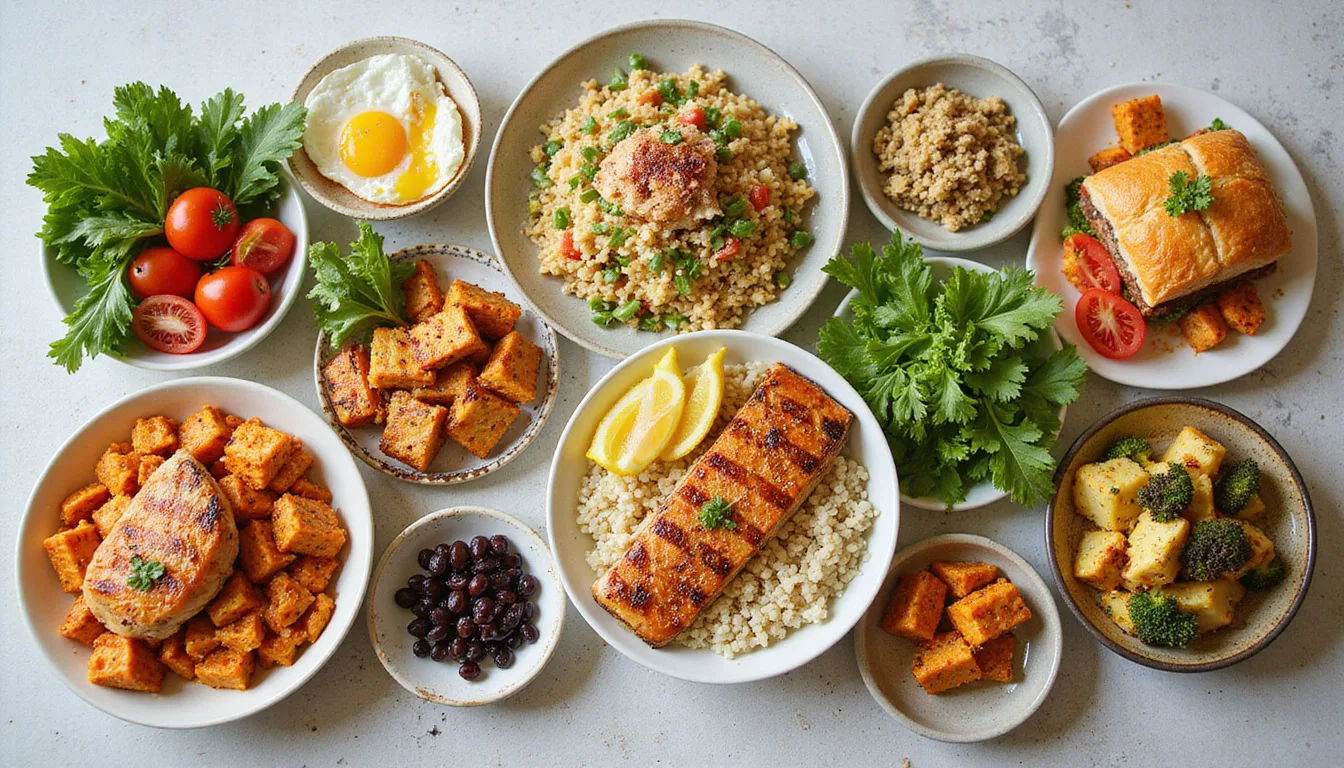

If you want less sugar in your life, try smart sugar swaps. They change how you fill your pantry and prepare your meals. You need not fight cravings with willpower alone. You pick new ingredients that help your blood sugar, energy, and long-term health. This guide shows simple, real alternatives to satisfy a sweet tooth while you work toward your goals.
Why Sugar Swaps Matter More Than Willpower
Most people eat more added sugar than they think. Sugar hides in more than desserts. It hides in sauces, dressings, bread, cereals, and even bars that claim to be healthy. Over time, too much sugar can link with weight gain, type 2 diabetes, heart problems, and tooth decay (source: CDC).

Good sugar swaps help you:
- Cut blood sugar spikes and energy crashes
- Lower calories without the need to count every bite
- Calm cravings by keeping hunger signals steady
- Enjoy food more, as flavors grow more balanced
The goal is not to remove all sweetness. The goal is to trade mindless, high-sugar items for more thoughtful, nutrient-rich choices.
Step 1: Audit Your Pantry for Hidden Sugar
Before you add new swaps, look at what you already have.
Check these labels:
- Breakfast cereals and granola
- Flavored yogurts and plant milks
- Jarred pasta and stir-fry sauces
- Ketchup and salad dressings
- Nut butters and jams
- Bars that call themselves healthy
Watch for words like sucrose, high-fructose corn syrup, maltose, dextrose, cane juice, rice syrup, agave, malt syrup, or anything ending with “-ose.” If sugar names appear in the first few spots, the food is loaded with sugar.
This check shows which items to replace first.
Step 2: Understand Different Types of Sweetness
Not all sweeteners work the same way. When you pick a sugar swap, keep in mind:
- Impact on blood sugar (glycemic index and load)
- Calories in each serving
- How much the sweetener is processed
- Taste and how it works in cooking
A “natural” label does not mean the sweetener is healthy. Honey, maple syrup, and coconut sugar still add sugar. They may give a tiny boost of minerals, but they raise blood sugar just the same. Use them in small amounts. The aim is to lower your total added sugar.
Pantry Sugar Swaps for Everyday Use
Here are some practical swaps you can use. They are grouped by how you will use them.
1. Baking and Homemade Desserts
Sugar helps with structure, browning, and moisture in baked goods. Instead of erasing it, mix in a better option.
Better swaps for baking:
• Reduce sugar by 25–30% in most recipes. Start here before you use a substitute.
• Coconut sugar:
– Good points: A lower glycemic index than white sugar and a warm, caramel-like taste.
– Best for: Cookies, muffins, and quick breads.
– Note: Use it in smaller amounts because it still adds sugar.
• Date sugar or date paste:
– Good points: Made from whole fruit; it gives fiber and extra nutrients.
– Best for: Brownies, bars, energy bites, and some cakes.
– Note: It does not melt like sugar and may thicken your recipe.
• Mashed ripe banana or unsweetened applesauce:
– Good points: Adds moisture, fiber, and a natural sweetness.
– Best for: Muffins, quick breads, pancakes, and waffles.
– Tip: Replace up to half the sugar and reduce liquid a bit.
• Stevia or monk fruit blends for baking:
– Good points: Very low or no calories and little effect on blood sugar.
– Best for: Those who need to watch calories or blood sugar levels.
– Note: Pure stevia can taste bitter; choose baking blends and follow package tips.
When you try one change, swap only one thing at a time. This way, you can check the texture and taste without ruining a full batch.
2. Coffee, Tea, and Daily Drinks
Sweet liquids add up fast, even in small amounts. A few small swaps can make a big difference.
Smarter swaps for drinks:
• Switch from sugar or flavored syrup to a dusting of cinnamon or unsweetened cocoa powder in your coffee.
• Use a few drops of vanilla or almond extract in coffee or tea.
• Add a small splash of unsweetened plant milk.
• To cut sweetener gradually:
- Week 1: Use your normal amount.
- Week 2: Use 25% less.
- Week 3: Use 50% less.
- Week 4: Use 75% less or move to a low- or no-calorie sweetener.
• If you need a sweet boost, try monk fruit drops, liquid stevia, or an erythritol-based blend. Use only enough to feel satisfied.
In time, your taste buds will adjust. Drinks you once thought were right will begin to feel too sweet.
3. Breakfast: Cereal, Oats, and Yogurt
Breakfast can carry a lot of hidden sugar. Instead of buying flavored items, try building a base with simple toppings.
Try this instead of:
- Flavored yogurt
- Sweetened cereals or granola
- Instant oatmeal packets
Try these ideas:
• Plain Greek yogurt or plain skyr paired with toppings like:
– Fresh or frozen berries
– Sliced banana or apple
– A dash of cinnamon, nutmeg, or pumpkin spice
– A teaspoon of honey or maple syrup only if you need it
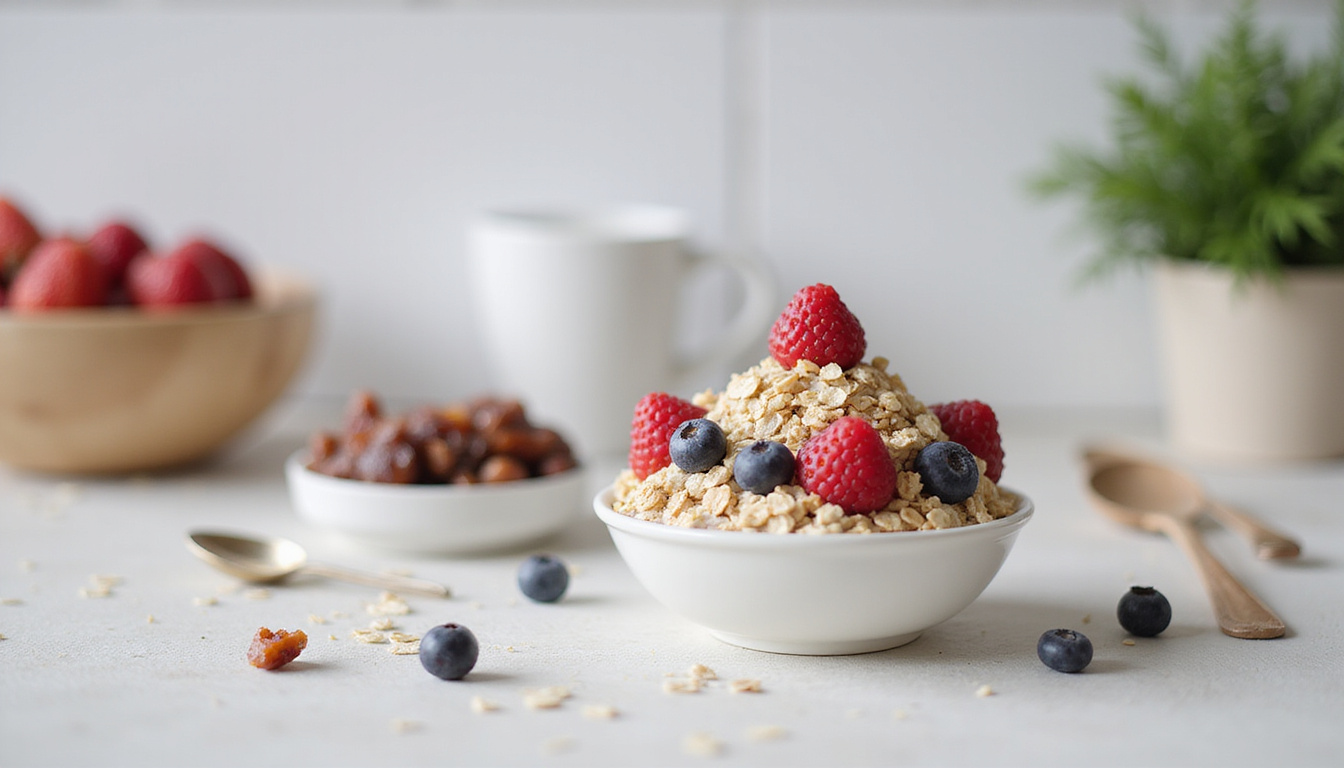
• Plain rolled oats or steel-cut oats cooked with:
– Chopped dates or raisins
– Grated apple or pear
– Mashed banana for natural sweetness
– A small drizzle of nut butter for creaminess
• Homemade granola:
– Use rolled oats, nuts, seeds, and coconut flakes
– Sweeten lightly with mashed banana, applesauce, or a little maple syrup
These swaps keep your breakfast sweet while adding more fiber, protein, and healthy fats to keep you full.
4. Sauces, Dressings, and Condiments
Condiments like ketchup, barbecue sauce, and salad dressings can add extra sugar to your meals. Simple changes can cut teaspoons of sugar.
Better choices include:
• Ketchup:
– Opt for no-added-sugar ketchup varieties
– Or mix regular ketchup with tomato paste and spices
• BBQ Sauce:
– Choose low-sugar brands or make your own with tomato paste, vinegar, spices, and a little honey or molasses
• Salad dressings:
– Mix olive oil with vinegar and herbs
– Blend tahini with lemon, garlic, and a bit of water
– Use Greek yogurt mixed with lemon and dill
• Stir-fry sauces:
– Use tamari or soy sauce with rice vinegar, ginger, garlic, and a small amount of honey or orange juice in place of bottled sweet sauces
In savory dishes, you can often cut the sugar by half. Try adding a bit more vinegar or lemon juice and extra herbs to keep flavors strong.
5. Snacks and Treat Foods
Snacks are a common place to load on sugar. Choose swaps that make it easy to do better.
Pantry-friendly snack ideas:
• Nut butter with fruit:
– Apple or pear slices with peanut or almond butter
– A banana spread lightly with nut butter and topped with cinnamon
• DIY trail mix:
– Mix nuts and seeds with a small portion of dried fruit
– Add a few dark chocolate chips if you like
• Date and nut energy bites:
– Blend dates with nuts, seeds, cocoa, and a pinch of salt
– Roll into balls and store them in the fridge
• Popcorn:
– Make air-popped popcorn or toss it lightly with oil
– Sprinkle with cinnamon and a tiny bit of salt for a sweet and salty twist
These swaps add a touch of sweetness along with protein, fiber, and healthy fats. They help stop the quick up-and-down cycle of sugar highs and crashes.
Building a Sugar-Swap-Friendly Pantry
To make sugar swaps a habit, keep your pantry stocked with the right tools.
Core pantry items to keep on hand:
• Whole-food natural sweeteners (use them sparingly):
– Raw honey
– Pure maple syrup
– Coconut sugar
– Dates (whole or pitted)
• Low- or no-calorie sweeteners (choose what fits you best):
– Pure stevia drops or powder (with few extra fillers)
– Monk fruit extract or blends
– Erythritol or allulose for baking and drinks
• Flavor boosters that help you use less sugar:
– Spices like cinnamon, nutmeg, cardamom, and pumpkin spice
– Pure extracts such as vanilla, almond, or coconut
– Unsweetened cocoa or cacao powder
– Citrus zest from orange or lemon peel
• Whole foods that taste sweet:
– Unsweetened dried fruits such as dates, raisins, or apricots
– Fresh or frozen apples, bananas, pears, and berries
– Unsweetened applesauce
When these items are at hand, you can quickly swap sugar in most recipes or for a snack.
How to Retrain Your Sweet Tooth (Without Misery)
You do not need to change everything at once. A slow plan can work well and feel manageable.
A simple 4-week plan:
-
Week 1: Awareness and Small Cuts
– Read labels and note where added sugars hide.
– Start by cutting the sugar in drinks by 25–50%. -
Week 2: Breakfast Overhaul
– Switch to plain yogurt and oats, sweetened with fruit and spices.
– Cut out sugary cereals and breakfast bars. -
Week 3: Condiments and Snacks
– Replace high-sugar sauces with lower-sugar or homemade recipes.
– Stock up on snacks that use these sugar swaps instead of high-sugar treats. -
Week 4: Baking and Desserts
– Reduce sugar in recipes by 25–30%.
– Experiment with date paste, fruit, or low-calorie sweeteners in desserts.
– Enjoy desserts less frequently and really savor them.
As your palate adjusts, many processed foods may seem too sweet. This is a sign that your new habits are working.
Common Pitfalls When Using Sugar Swaps
Even when you plan well, a few traps may arise.
-
Overeating “Better” Sweets
Natural or low-calorie sweeteners can sometimes lead you to feel you can eat more. Be mindful of portions. Enjoy treats slowly. -
Ignoring Blood Sugar Effects
Some people are sensitive to even small amounts of sugar. If you are concerned, speak with your doctor or a diet specialist about the best sugar swaps and how to track your blood sugar. -
Depending Only on Artificial Sweeteners
Although many FDA-approved sweeteners are safe when used in moderation, some people may experience digestive issues or more cravings if they rely on them too much. Use a mix of whole fruits, spices, and small amounts of low-calorie sweeteners to keep things balanced.
Quick-Reference List: Easy Sugar Swaps for Common Cravings
When you feel a sweet craving, refer to this list:
• Craving soda?
– Try sparkling water with lemon, lime, or orange slices and a few drops of stevia.
• Craving candy?
– Try dates filled with a bit of peanut butter and a pinch of salt.
– Or a small handful of dark chocolate (70%+) with nuts.
• Craving ice cream?
– Try blending frozen banana with a splash of milk and cocoa or berries.
– Or mix plain Greek yogurt with frozen berries and a little honey.
• Craving baked goods?
– Try an oat-based mug cake sweetened with mashed banana.
– Or make a homemade oat and date bar instead of reaching for packaged cookies.
• Craving sugary coffee drinks?
– Try coffee with steamed milk, a few drops of vanilla extract, and a dash of cinnamon. Sweeten lightly with monk fruit.
These swaps satisfy your sweet tooth while supporting your health.
FAQ: Common Questions About Sugar Swaps
-
Are stevia and monk fruit better than regular sugar?
For many people, these swaps work well. They bring sweetness with few or no calories and do not spike blood sugar much. Taste and response vary, so try small amounts and see what feels best for you. -
What are the best sugar substitutes for baking?
The answer depends on your goals:
– For more nutrients and fiber, try date paste or a fruit puree like applesauce or mashed banana.
– To watch blood sugar or calories, use a blend of monk fruit and erythritol or allulose.
– If you prefer a natural flavor with a mild blood sugar impact, try coconut sugar in small doses.
Focus on reducing overall sweetness rather than swapping one cup for another. -
How can I curb sugar cravings without artificial sweeteners?
Rely on whole-food alternatives and healthy habits:
– Use fresh, frozen, or dried fruit (in moderation) as your main sweet treat.
– Flavor foods with cinnamon, vanilla, or cocoa instead of extra sugar.
– Eat enough protein, fiber, and healthy fats to steady your energy.
– Get enough sleep and manage stress, as both affect cravings.
Over time, these habits can lower the urge for sugar, even without artificial products.
Turn Sugar Swaps into a Lasting Habit
Lasting change comes from many small, repeatable choices. By stocking your pantry with smart sugar swaps—like fruits, spices, a small amount of natural sweeteners, and lower-sugar alternatives—you set the stage for the healthy option to be the easy choice.
Begin with one small area this week—maybe your morning coffee, your breakfast, or your favorite snack. Get used to one or two swaps until they feel normal, then add another change. As your taste buds adjust and your energy steadies, you will notice the difference. Each time you open your pantry, you will see your progress.
Enjoy your new approach and feel better with every smart swap you make.
[center]Always consult with your doctor prior to making drastic diet changes.[/center]
[center]As an Amazon Affiliate, Savvy Keto makes a small commision (at no extra cost to you) on any purchases you make thru affiliated links you click on.[/center]