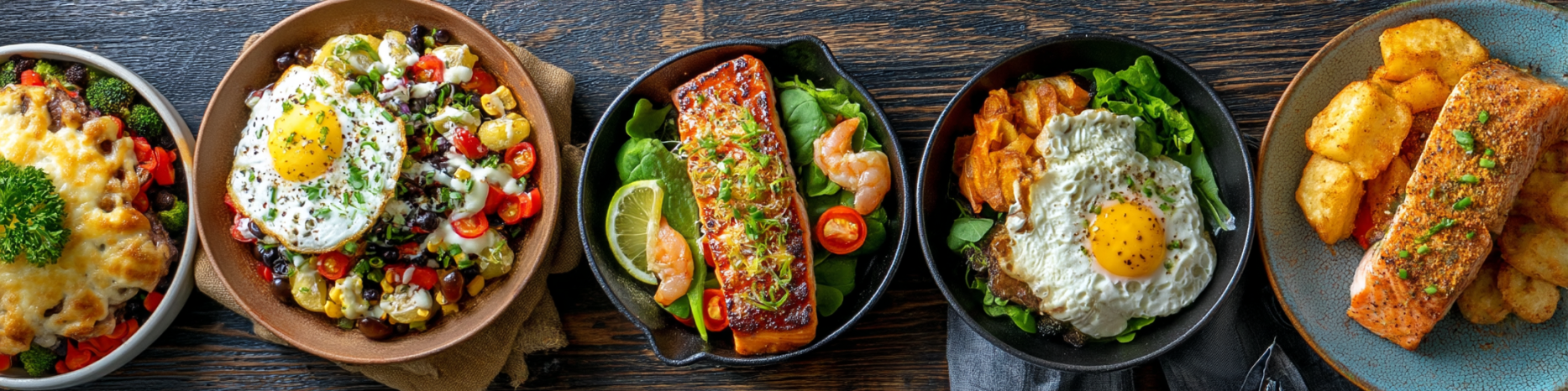
Macronutrient Split Hacks to Boost Fat Loss and Keep Your Energy
Dial in your macronutrient split to lose fat and keep your energy, mood, and performance high. Calories count, but the source of your calories—protein, carbs, and fats—can change how you feel and how your body moves.
This guide shows you practical macronutrient ideas you can use now. You do not need to weigh everything or do heavy math.
What Is a Macronutrient Split (and Why It Matters for Fat Loss)?

Your macronutrient split tells you the share of your calories from:
- Protein (4 calories per gram)
- Carbohydrates (4 calories per gram)
- Fats (9 calories per gram)
Two people may eat 1,800 calories a day. One might get:
- 20% protein / 60% carbs / 20% fat
and another might get: - 35% protein / 30% carbs / 35% fat
Each person will feel different. Their hunger, energy, and body change because of the sources of the calories.
For fat loss, your macronutrient split helps to decide:
- How hungry you feel and if you overeat
- If you keep muscle or lose it
- How even your energy stays
- How well you work out, which can burn fat and hold muscle
Find the split that fits your body and life to make your diet easier and work better.
The Fat-Loss Foundation: Set Calories First, Macros Next
Before you focus on percentages, build a strong base:
- Calorie deficit: Eat a bit fewer calories than you burn to lose fat.
- Consistency: A daily gap of 250–500 calories beats a fast crash diet.
Once your calories are in check, your macronutrient split controls how the gap feels:
- More protein = less hunger and better body shape
- A mix of carbs and fats = steady energy and steady eating
A good split does not remove the need for a calorie gap—it makes your eating plan more steady.
Macro Hack #1: Set Protein First to Hold On to Muscle and Calm Cravings
Even if you do not change anything else, a better protein intake can improve fat loss.
Why protein is your fat loss ally
- Keeps muscle: When you eat less, your body uses some fuel from muscles. Protein and weight training help use fat first.
- Fills you up: Protein makes you feel full. Diets high in protein can cut hunger and late eating (source: Harvard T.H. Chan School of Public Health).
- More burn from food: Your body uses more energy to digest protein than it does for carbs or fats.
Simple protein targets
A good start for fat loss and energy is:
- 0.7–1.0 grams of protein per pound of goal bodyweight
- Example: If your goal is 150 lbs, aim for 105–150 g protein per day.
If you work in kilograms:
- 1.6–2.2 g protein per kg of goal bodyweight
This protein-first idea forms the base of your split. After you set protein, share the rest of your calories between carbs and fats.
Macro Hack #2: Choose a Carb–Fat Mix That Suits Your Life
After setting protein, split the remaining calories into carbs and fats. No single ratio fits all; the best mix fits how you live, work, and move.
Carbs: Fuel for work and the brain
Carbs are needed for:
- Hard training and cardio
- Long days on your feet or active jobs
- Quick recovery and less tiredness
- Clear thinking and mood uplift
Fats: Fuel for hormones, fullness, and long-term health
Fats help with:
- Making hormones, including those for sex
- Absorbing vitamins (A, D, E, K)
- Keeping joints, brain, and cells well
- Satisfying meals and steady blood sugar when mixed with protein and fiber
Build a basic fat amount
Try not to cut fat too low for long times. A working baseline is:
- 0.3–0.5 grams of fat per pound of bodyweight
- Example: A 160-lb person needs around 48–80 g fat per day
Once you meet this fat guide, you may either add more carbs or hold fats higher based on what you like and your activity.
Macro Hack #3: Tune Your Macronutrient Split to Your Training
The best macro split depends on how you move.
When you lift weights or do HIIT 3+ days a week
You may do well with medium-to-high carbs:
- Example split:
- 30–35% protein
- 35–45% carbs
- 20–30% fats
Why it works:
- Carbs power tough work and refill energy stores
- Protein fixes and builds muscle
- Fats support hormones and overall health
For a more relaxed lifestyle or low-intensity moves
You might work well with medium carbs and fats:
- Example split:
- 30–35% protein
- 25–35% carbs
- 30–40% fats
Why it works:
- Adequate carbs for brain and basic moves
- Enough fats for fullness and even energy
- Steady protein keeps your body shape strong
For long endurance cardio (running, cycling, etc.)
A higher share of carbs might suit you:
- Example split:
- 25–30% protein
- 40–55% carbs
- 20–30% fats
Carbs become your main helper for performance.
Macro Hack #4: Use “Macro Anchors” Instead of Hourly Tracking
You do not need to track every gram. Instead, build your macronutrient split into your day with simple anchors:
1. Anchor your protein
Try for 20–40 g of protein in each main meal.
- Breakfast: eggs and Greek yogurt
- Lunch: chicken, turkey, tofu, or tempeh
- Dinner: fish, lean beef, lentils, or cottage cheese
Hitting this at each meal usually gets you close to your target.
2. Add a “carb window” around training
Place most of your carbs:
- Before training: 1–2 hours before → oats, rice, fruit, potatoes, or whole-grain toast
- After training: within a few hours → rice, pasta, wraps, or starchy veggies
On off days, lower carbs a bit and use more veggies and healthy fats.
3. Keep fats steady, not extreme
Include a thumb-sized bit of healthy fat in 2–3 meals:
- Olive or avocado oil
- Avocado
- Nuts or seeds
- Fatty fish
- Whole eggs
This keeps your hormones and fullness in check without extra calories.

Macro Hack #5: Adjust Your Split from Your Hunger, Energy, and Work Output
Your first split is just a trial. Your body tells you if it works well.
Watch these for 1–2 weeks:
- Hunger: Do you feel starving or too full?
- Energy: Any mid-day slumps or nighttime wakefulness?
- Performance: Is your strength or endurance slipping?
- Body changes: Is fat loss real, not just water loss?
How to change your split step by step
Follow these hints:
-
Too hungry between meals or at night:
- Boost protein a bit (+10–20 g/day).
- Change some carbs for more fibrous ones (oats, beans, lentils, veggies).
- Add a bit more fat from whole foods to help you stay full.
-
Low energy during work out:
- Shift some calories toward carbs, especially before training.
- For example: Remove 10 g fat and add about 25 g carbs.
-
If you feel bloated or slow:
- If you eat many carbs, try cutting a few refined ones and add more fats and fiber.
- Or, if you eat lots of fat, move some to carbs and use lean proteins.
Try one or two changes at a time and wait 5–7 days to see the effects.
Macro Hack #6: Use Simple Math Once, Then Follow a Pattern
Here is a simple way to set up a macronutrient split and let it run automatically.
Step 1: Estimate your calorie needs
A simple method for fat loss is:
- Bodyweight (in lbs) × 10–12 gives your daily calories for fat loss
- Use ×10 if you sit a lot
- Use ×12 if you move more
Example: A 170-lb active person
- 170 × 11 ≈ 1,870 calories/day
Step 2: Set protein
- Aim for 0.8 g per pound of bodyweight
- 170 × 0.8 = 136 g protein
- 136 g × 4 calories = 544 calories from protein
Step 3: Set fats
- Aim for 0.4 g per pound of bodyweight
- 170 × 0.4 = 68 g fat
- 68 g × 9 calories = 612 calories from fat
Step 4: Let carbs take the rest
- Total calories: 1,870
- Subtract protein (544) and fats (612) = 714 calories for carbs
- 714 ÷ 4 = 179 g carbs
Step 5: See your percentages
- Protein: 544 ÷ 1,870 ≈ 29%
- Fats: 612 ÷ 1,870 ≈ 33%
- Carbs: 714 ÷ 1,870 ≈ 38%
That makes your starting split:
~30% protein / 40% carbs / 30% fat
At this point, stop stressing over math. Build routine meals using this pattern.
Macro Hack #7: Build Meals That Fit Your Macro Pattern
To keep your energy and boost fat loss, make meals that fit your split without heavy logging. Plan 3–5 regular meals you can repeat.
A basic guide for each main meal
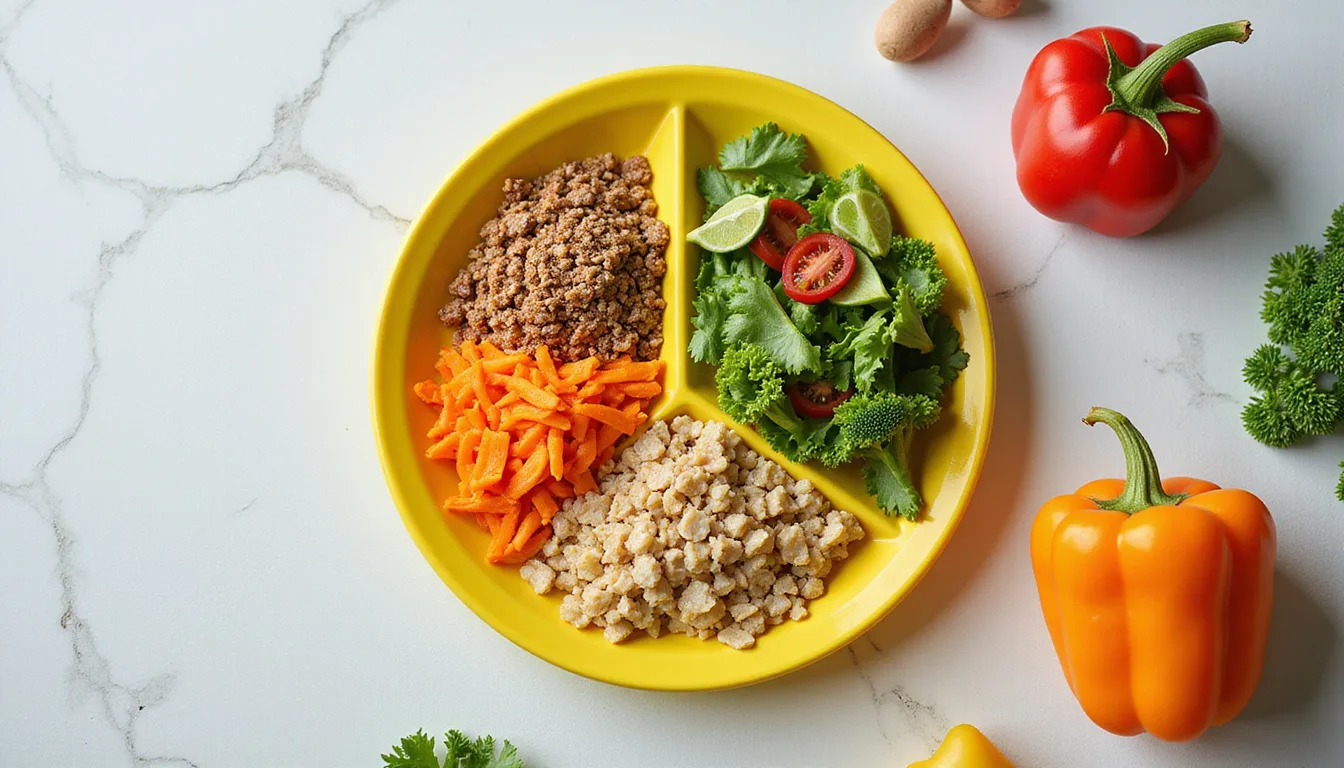
- Protein: palm-sized portion (20–40 g)
- Carb: cupped hand amount (25–40 g), adjusted to your needs
- Fat: thumb-sized portion (5–15 g)
- Veggies: 1–2 fistfuls of vegetables
Example meals that suit many splits
-
Breakfast
- Greek yogurt with berries, oats, and a few nuts
- Scrambled eggs with egg whites, spinach, and whole-grain toast
-
Lunch
- Chicken breast with rice or quinoa, mixed vegetables, and a light drizzle of olive oil
- Lentil salad with feta cheese, cherry tomatoes, cucumbers, a drizzle of olive oil, and whole-grain pita
-
Dinner
- Salmon with roasted potatoes, broccoli, plus a side salad
- Lean ground turkey bowl with beans, brown rice, veggies, and avocado
Use these ideas so your macronutrient split stays part of your daily habit.
Macro Hack #8: Cycle Carbs in a Simple Way
You can shift your carb amounts without complex steps. A light change can help your energy and keep you on track.
A simple approach to carb shifts
-
Training days:
- Use a bit more carbs and use a bit less fat
- Place more carbs around your training time
-
Rest days:
- Use a bit less carbs and add a few more fats
- Focus on protein, vegetables, and healthy fats
For example:
- Training day: 180 g carbs and 60 g fat
- Rest day: 140 g carbs and 75 g fat
- Protein stays nearly the same each day
This way you keep your weekly calories similar and use your split in line with your moves.
Macro Hack #9: Do a “Macro Check-In” Instead of Perfect Daily Tracking
Being consistent is more important than perfect daily numbers.
Instead of matching numbers exactly every day, do a weekly macro check-in:
- Weigh yourself 2–4 times a week at the same time and find the average.
- Check how you work out: Is there a drop in strength or energy?
- Note if you feel too hungry or unsatisfied.
If the weekly average weight does not drop by about 0.5–1% of bodyweight per week:
- First, check your day-to-day consistency (weekends, snacks, drinks).
- If you stay consistent and still lose little, lower your calories by 100–150 calories (about 25–40 g carbs or 10–15 g fat) while keeping protein steady.
- Stick to your current split when you lower the calories.
This way you keep your plan simple, steady, and smart.
Sample Macros for Different Goals and Tastes
Here are some example macronutrient splits that you can try and adjust.
1. High-energy lifter (3–5 weight sessions each week)
- 30–35% protein
- 40–45% carbs
- 20–25% fats
Good for people who feel best with more carbs and want to work hard, keep muscle, or add muscle as they lose fat.
2. Busy professional with moderate exercise and desk work
- 30–35% protein
- 30–35% carbs
- 30–35% fats
Good if you need steady energy and a simple eating plan without heavy exercise.
3. Lower-carb style (prefers more fats and rich tasting foods)
- 30–35% protein
- 20–30% carbs
- 35–45% fats
Good if you like higher fat in your meals or do less high-intensity training, or if you feel best with fewer carbs.
Use these as starting points. Pick the one that fits your life best and change it as your body speaks to you.
FAQ: Common Questions About Macronutrient Splits
1. What is the best split for fat loss?
There is no single “best” split. The pattern that works best:
- Keeps protein high (about 0.7–1.0 g per pound of goal weight)
- Meets basic fat needs (around 0.3–0.5 g per pound of bodyweight)
- Lets carbs adjust to your moves and taste
Then, choose a split you can live with over months.
2. How do I find my ideal macronutrient ratio?
To find a good ratio for fat loss and steady energy:
- Find your calorie needs for a small deficit.
- Set your protein first (0.7–1.0 g per pound of goal weight).
- Set your fat next (0.3–0.5 g per pound).
- Fill the rest of your calories with carbs.
- Try it for 1–2 weeks and change the mix if hunger, energy, or strength do not feel right.
3. Must I track every gram of my macros?
You do not need to track everything all the time. Tracking for 2–4 weeks can help you learn the right portions and how your split fits. Later, many people use:
- A routine of familiar meals
- Hand-sized measures for portions
- Occasional app checks for a quick review
The key is long-term steady eating instead of daily perfect numbers.
Take Action: Design Your Personal Macronutrient Split Today
If you feel stuck in a cycle of “eat less, move more” and feel tired, hungry, or frustrated, fixing your macronutrient split is a smart next step.
You do not need perfect numbers, heavy math, or extreme discipline. You simply need:
- A small calorie deficit
- Protein set high enough to keep muscle and calm cravings
- A carb–fat mix that fits your life and taste
- Simple, repeatable meals that work with your split
Start now: work out rough macros, choose a sample split that fits your day, and test it for the next 14 days. Watch your energy, hunger, and progress, then make a few small, clear changes.
Your best body and steady energy come from smart choices in how you eat. Use your macronutrient split as the framework, and make fat loss a habit you can keep.
[center]Always consult with your doctor prior to making drastic diet changes.[/center]
[center]As an Amazon Affiliate, Savvy Keto makes a small commision (at no extra cost to you) on any purchases you make thru affiliated links you click on.[/center]