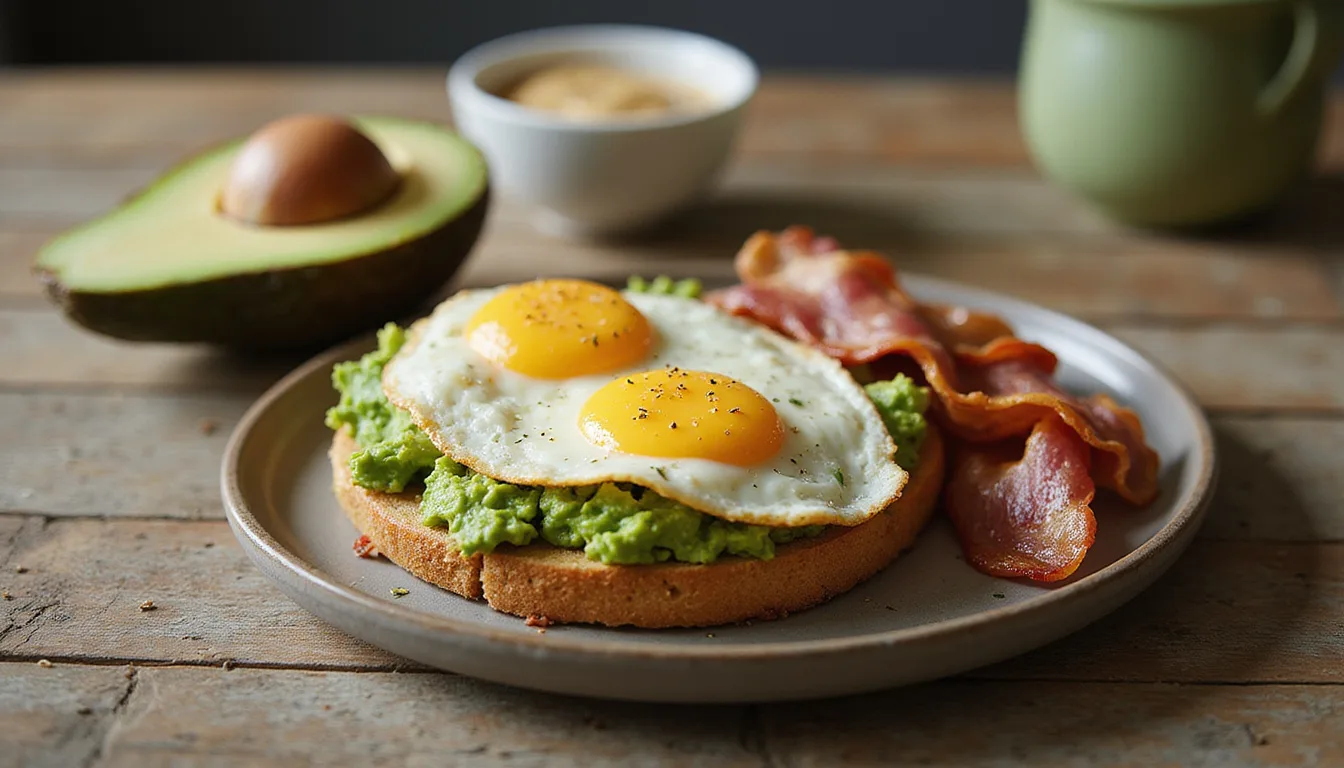

Low Carb Bodybuilding: Proven Strategies to Build Muscle Without Carbs
Low carb bodybuilding may seem odd for many lifters who heard “carbs are king” for muscle growth. Many athletes build size and strength while keeping carbs low. They fuel workouts and recovery with fats and protein. This guide explains the science, the plan, and the step-by-step details of low carb bodybuilding. It helps you build muscle while keeping blood sugar steady, staying lean, and taking charge of your food.
Can You Really Build Muscle on a Low Carb Diet?
Yes, you can build muscle on a low carb diet if you get enough protein, enough total calories, and train in a steady, gradual way.

Carbs are not needed by the body in diet. Your body makes glucose from protein and glycerol (called gluconeogenesis) and it shifts to use fat and ketones for energy. Changing to low carb also changes how you fuel workouts and help recovery.
How Muscle Grows: The Non-Carb Basics
No matter your diet, muscle growth depends on these factors:
- Lifting heavy weights to stress muscles
- Doing hard sets near the point of failure
- Eating enough protein to fix and build muscles
- Getting enough calories so your body can grow
Carbs help with energy in training and speed up recovery. But fats and the natural shift in metabolism can fill this role if done the right way.
Low Carb Bodybuilding vs High Carb: What Changes?
The main change is the type of fuel used.
High Carb Bodybuilding
- Uses stored sugar (glycogen) for intense work
- Eats more carbs near training time
- Gives a big pump and fuller muscles
- Allows quick recovery while sometimes causing energy dips or hunger
Low Carb Bodybuilding
- Uses more fat and ketones for basic energy
- Keeps glycogen, which may be at lower levels
- May show smaller pumps and less fullness at first
- Often makes energy more steady, promotes focus, and helps keep lean
Studies show that after a few weeks of adaptation, training strength stays near normal on low carb diets. High-rep sets that use glycolysis may feel tougher at first (source: National Library of Medicine).
How Low is “Low Carb” for Bodybuilders?
“Low carb bodybuilding” covers a few ranges. Common plans are:
- Moderate low carb: 75–150 g carbs per day
- Low carb: 25–75 g carbs per day
- Very low carb or keto: usually under 30–50 g net carbs per day
Which plan works best?
- If you are new to low carb and want muscle first, start with moderate low carb (75–150 g/day).
- If you know low carb and want to get lean while keeping focus and energy steady, try low or very low carb. You might use days with more carbs for hard training.
Setting Up Macros for Low Carb Bodybuilding
To build muscle without many carbs, it is key to plan your macros well.
Step 1: Determine Calories
For lean gains, aim for a small extra energy intake:
- Use about 14–16 times your bodyweight in calories (a rough guide)
- Add about 200–300 extra calories per day for most men or 100–200 extra calories per day for most women
Watch for changes each week:
• If you gain more than 0.5–1 lb (0.25–0.5 kg) per week, your extra might be too much.
• If you gain nothing after 2–3 weeks, add about 100–150 calories per day.
Step 2: Protein for Muscle Growth
On low carb, protein is very important. Aim for about 0.8–1.0 g of protein per pound of bodyweight (or 1.8–2.2 g per kg) each day. A bit more than the minimum can help when carbs are low.
Step 3: Carbs
Pick your low carb range:
- Moderate low carb: 75–150 g/day works for strength and slim muscles.
- Stricter low carb: 25–75 g/day works for some lifters.
Most bodybuilders plan the carbs they eat around training time.
Step 4: Fats
Fill the rest of your calories with fat.
Example:
• For a 180 lb lifter with a 2,800 calorie target:
- Protein: 180 g provides about 720 calories
- Carbs: 80 g adds about 320 calories
- Remaining calories are 2,800 – 1,040 = 1,760 calories.
- Divide 1,760 by 9 to get about 195 g of fat
This high fat intake is common in strict low carb or keto-style bodybuilding. Some may choose more carbs and less fat based on their taste.
Training Strategy for Low Carb Bodybuilding
You can train like any bodybuilder but adjust your work to the fuel that fits you.
Focus on Strength with Moderate Reps
As very high-rep sets can be harder with low glycogen, use these ranges:
- 4–8 reps for main lifts (squats, deadlifts, bench press, rows, overhead press)
- 8–15 reps for extra or muscle-building sets
Push each set close to failure to give your muscles a good signal.
Favor Big Lifts and Add Detail Work Later
Set your routine around moves like:
- Squats or leg presses
- Deadlifts, RDLs, or hip hinges
- Bench press, incline press, or dips
- Rows or pull-ups
- Overhead presses
After that, add extra work for areas like biceps, triceps, side shoulder, back of the shoulders, calves, and specific spots on the chest or hips.
Keep Volume Low at First
When you start low carb:
- Aim for about 10–15 hard sets for each muscle group per week
- Look for signs of too much strain (joint aches, sleep problems, low motivation)
- Slowly increase volume if you feel ready
Too many sets too soon may stress a body that is still adjusting.
Adapting to Low Carb: What to Expect in the First 2–4 Weeks
The early weeks without many carbs can be hard if you are not ready.
Common Short-Term Effects
- Reduced muscle pump and fullness
- A small drop in strength with very high rep sets
- Tiredness, foggy mind, or irritability (often called “keto flu”)
- Issues with minerals: headaches, cramps, and low energy
These signs often get less as your body learns to burn more fat and save glycogen for heavy work.
How to Lessen the Dip
- Do not cut carbs and total calories at the same time
- Boost sodium, potassium, and magnesium intake
- Ease off training a bit for 1–2 weeks
- Get good sleep and keep stress low
After 2–4 weeks, many lifters feel strength return and energy grow more steady.
Support Factors: Hydration and Electrolytes
When you eat low carb, insulin is lower. This makes you lose more water and salt.
Key Minerals to Watch
- Salt: low levels can bring headaches, dizziness, and low energy
- Potassium: helps muscles work and the heart beat
- Magnesium: helps muscles relax, aids sleep, and builds recovery
Tips to keep up these minerals:
- Season food with salt, especially if you eat whole foods
- Use a drink with sodium, potassium, and magnesium that has little or no sugar
- Eat low carb foods that are high in potassium like avocado, leafy greens, and mushrooms
- Use magnesium supplements (glycinate or citrate) as needed (200–400 mg at night may work; ask a health expert if unsure)
These steps help you feel better on a low carb plan.
What to Eat: Sample Low Carb Bodybuilding Foods
Pick whole, simple foods that give you protein and good fats.
Protein foods:
• Chicken (breast or thighs)
• Turkey, lean beef, or extra lean ground meat
• Fatty fish like salmon, mackerel, or sardines
• Eggs and egg whites
• Greek yogurt (unsweetened) or cottage cheese if you do well with dairy
• Protein powders like whey or casein
Fat foods:
• Whole eggs
• Fattier cuts of meat or fish
• Avocado
• Olive oil or avocado oil
• Nuts (like almonds, macadamias, walnuts) and seeds (chia, flax, pumpkin)
• Cheese and full-fat dairy if you enjoy them
Low carb vegetables:
• Leafy greens such as spinach, kale, or romaine
• Vegetables like broccoli, cauliflower, or Brussels sprouts
• Zucchini, cucumbers, asparagus, peppers, and mushrooms
Optional carbs (if you use moderate low carb):
• Berries like blueberries, strawberries, or raspberries
• Small amounts of rice, oats, or potatoes, timed around training
Structuring Meals for Low Carb Bodybuilding
You do not need to plan meals like a pro athlete, but a pattern helps.
One Daily Example
Meal 1 (Breakfast)
• Eggs with extra egg whites
• Avocado
• Spinach sautéed in olive oil
Meal 2 (Lunch)
• Chicken (thighs or breast)
• A mix of greens with an olive oil dressing
• A few nuts for extra energy
Pre-Workout (Optional Carbs)
• Whey protein shake
• 20–30 g of carbs from berries or a small fruit if you pick moderate low carb
Post-Workout
• Lean beef or turkey
• Green vegetables
• A small serving of rice or potato (if adding carbs)
• Or stick with more veggies and fats if you choose a very low carb plan
Evening Snack
• Greek yogurt with a few berries and nuts
• Or cottage cheese with cucumber slices and olive oil
Change portions to meet your calorie and macro needs.
Advanced Strategies: Targeted and Cyclical Low Carb Bodybuilding
If low carb all the time feels hard, you may mix methods.
Targeted Low Carb Bodybuilding
• Eat low carb most of the day
• Take 20–40 g of fast sugar (such as fruit or rice cakes) right before or during training
• Return to low carb soon after
Cyclical Low Carb (Carb Refeeds)
• Follow low carb (for example, under 50–75 g per day) for 5–6 days each week
• Use 1–2 days of higher carbs (150–250+ g) on heavy training days
This plan can give you:
• Better workout power
• A quick rise in glycogen and fullness
• A mental break from strict low carb eating
Plan these higher carb times with care.
Managing Body Composition: Building Muscle Without Excess Softness
One plus of low carb bodybuilding is that many people keep fat in check easier because stable blood sugar and less insulin help cut cravings.
For Lean Bulking:
• Keep your extra calories small
• Watch your waist size, not just the scale
• Aim to gain about 0.25–0.5 lb (0.1–0.25 kg) each week after water changes settle
For Recomposition (building muscle while losing fat):
• Eat at maintenance or in a slight deficit
• Push protein to about 1.0 g per pound
• Train hard with a steady increase in weight or reps
• Check your progress using pictures, strength levels, and measurements more than the scale
Common Mistakes in Low Carb Bodybuilding
Avoid these traps:
-
Dropping both carbs and calories too low at the same time
• This makes you feel bad, lose strength, and slow muscle growth. -
Not getting enough protein
• With low carb, protein acts as a needed backup for muscle. -
Forgetting about salt and fluids
• This can lead to tiredness, headaches, and lower performance. -
Starting with too many sets too fast
• This can strain a body that is still changing how it uses fuel. -
Expecting the same muscle pump as with high carbs
• Muscles might look flatter; check your efforts by your strength, body fit, and photos rather than just the pump.
FAQ: Low Carb Bodybuilding and Muscle Gain
-
Is low carb good for bodybuilding if I want to gain size?
Yes. Low carb works if you get enough calories and protein. You might not get as much pump as with high carbs, but you can gain muscle and strength. Keep a good level of salt, fat for calories, and progress in training. -
Can you build muscle on a very low carb or ketogenic approach?
Yes. You can do muscle building on a keto plan. Your body may need time to adapt. Many lifters succeed by eating enough calories and protein, using a plan that adds a bit of sugar around training or with planned higher carb days, and waiting 2–4 weeks until performance steadies. -
How many carbs do I need to build muscle while staying lean?
There is no single number. Many people work well with 50–150 g of carbs per day. Try to eat most of your carbs near training time. If your power stays good at the lower end, you can remain there. If workouts start to suffer, add a few more carbs and watch your fat levels.
Take Action: Design Your Low Carb Bodybuilding Plan Today
You do not have to choose between muscle and staying lean, or between control of hunger and enough energy to train. Low carb bodybuilding gives you a system for both.
Start by:
- Setting your calorie and protein goals
- Choosing a low carb level that fits you (whether moderate low, low, or very low)
- Creating a simple strength plan that improves over time
- Making 3–5 easy meals that meet your macros
- Checking your progress each week and changing things based on real results
Write down your meals and your next workout now. Try your new low carb plan for 8–12 weeks and see how your body changes. Enjoy your plan and work hard each day.
[center]Always consult with your doctor prior to making drastic diet changes.[/center]
[center]As an Amazon Affiliate, Savvy Keto makes a small commision (at no extra cost to you) on any purchases you make thru affiliated links you click on.[/center]