
If you have cut calories, chosen low-fat foods, or done lots of cardio but still face stubborn fat, sudden drops in energy, and sugar cravings, your insulin load might be a missing factor. Understanding and managing insulin load can help you keep blood sugar steady, lower hunger, and make your eating plan work for you.
This guide explains what insulin load is, why it matters when you lose fat and face cravings, and how to change your meals step-by-step without counting every gram.
What Is Insulin Load?

Insulin load shows how much a food or meal makes your body release insulin. Many people focus on carbs alone. Insulin load looks at:
• Digestible carbohydrates (fiber does not count)
• Some protein, since amino acids can also raise insulin
• A bit of certain sugar substitutes and processed fats
In simple terms, the higher the insulin load in your diet, the more your body must make insulin to process energy. High insulin over time can make stored fat harder to use, cause stronger cravings, and bring afternoon tiredness.
Insulin is needed for life. The aim is not to have no insulin but to have a controlled and steady insulin response that meets your needs without sudden peaks.
Why Insulin Matters for Fat Loss and Cravings
To see why insulin load is important, it helps to know the job of insulin.
The Role of Insulin in Your Body
Insulin comes from the pancreas. Its main jobs are:
• Moving glucose from your blood into cells
• Storing extra energy as glycogen in the liver and muscles or as body fat
• Stopping the use of stored body fat while insulin is high
When you eat a meal with high insulin load (for example, a sugary drink with white bread), your blood sugar rises fast, and your pancreas makes a burst of insulin. Then:
- Glucose moves quickly into cells
- Extra energy gets stored as fat
- High insulin stops fat burning for a while
If this happens over and over, many people develop insulin resistance where cells do not react to insulin as well. The body then produces even more insulin, which can start a cycle of:
• Feeling tired after meals
• Always feeling hungry and craving more
• Struggling to lose fat even with healthy food choices
Research shows that high insulin and insulin resistance link to obesity, type 2 diabetes, and heart problems (source: National Institute of Diabetes and Digestive and Kidney Diseases).
Insulin Load vs. Glycemic Index vs. Carbs
Many use the terms “low-carb,” “glycemic index,” and “insulin load” as if they were the same. They are not.
Carbohydrates
• Total carbs include fiber, sugar, and starches
• Carbs affect blood sugar and insulin in different ways
• Fiber usually does not raise blood sugar and may help control it
Glycemic Index (GI)
• GI measures how quickly one food raises blood sugar
• It does not consider portion size or protein/fat content
• A food with low GI can still cause a high insulin response if you eat a lot
Insulin Load
Insulin load is practical because it looks at how much insulin your body needs for a meal. It includes:
• Net carbs (total carbs minus fiber)
• Protein amounts
• The mix of foods you eat rather than one item
Focusing on total insulin load in your meal helps you build meals that:
• Keep blood sugar steady
• Lessen the cycle of sugar highs and crashes
• Improve fullness and control how much you eat
How to Estimate Insulin Load in Everyday Meals
You do not need high-level math to use the idea of insulin load. Some simple rules help a lot.
Big Drivers of High Insulin Load
These foods typically cause a quick and large insulin response:
• Sugary drinks, juices, and energy drinks
• Refined grains: white bread, pasta, pastries, and crackers
• Candy, desserts, and baked treats
• Large servings of starchy carbs (like rice, potatoes, or cereal) eaten alone
• Meals made mostly of carbs with little protein or fiber
Lower Insulin-Load Foods
These foods are gentler on insulin, especially when you mix them well:
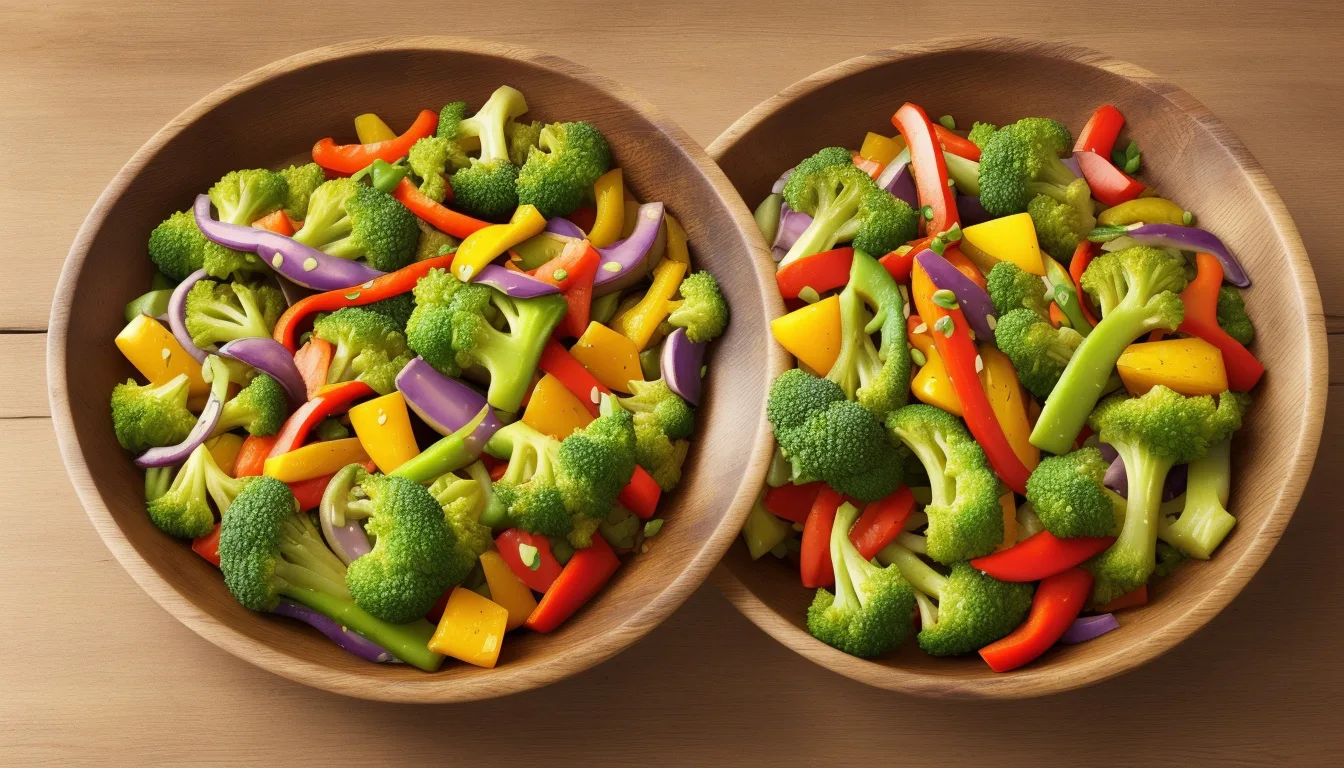
• Non-starchy vegetables: leafy greens, broccoli, cauliflower, peppers, zucchini
• Proteins from whole foods: eggs, fish, poultry, meat, Greek yogurt, cottage cheese
• Fats from good sources: avocado, olives, nuts, seeds, olive oil
• Moderate amounts of whole-food, high-fiber carbs: beans, lentils, quinoa, oats, sweet potatoes, whole fruit
A Simple Heuristic
You can view meals by insulin load like this:
• High insulin load: A large portion of refined carbs with sugar and little protein or vegetables
• Moderate insulin load: A balanced mix of whole-food carbs, enough protein, and fiber-rich vegetables
• Low insulin load: Mostly non-starchy vegetables, protein, and healthy fats with few starches or sugars
Aim to move most meals from high to moderate or low insulin load. Do not cut out carbs completely unless you talk with a doctor.
Designing Low- to Moderate-Insulin-Load Meals
This section explains how to build meals to keep blood sugar steady, lower cravings, and ease fat loss.
1. Start with Protein
Protein helps keep blood sugar even, makes you feel full, and supports lean muscle. Make each meal center around one of these:
• Eggs or egg whites
• Chicken or turkey
• Fish or other seafood
• Lean beef or pork
• Tofu or tempeh
• Greek yogurt or cottage cheese
Aim for at least a palm-sized portion or 20–40 g of protein per meal, based on your size and activity.
2. Fill Half Your Plate with Non-Starchy Veggies
Non-starchy vegetables have few calories and low insulin load but bring many nutrients and fiber:
• Leafy greens: spinach, kale, arugula, romaine
• Vegetables like broccoli, cauliflower, cabbage, or Brussels sprouts
• Others: peppers, mushrooms, cucumbers, zucchini, asparagus, green beans
These foods add volume and keep you satisfied without spiking insulin.
3. Add Healthy Fats
Healthy fats help you feel full and slow down digestion:
• Avocado
• Extra-virgin olive oil
• Nuts and seeds like almonds or walnuts
• Olives
• Fatty fish such as salmon or mackerel
Use these in measured amounts since fats are dense in energy. They usually bring a lower insulin load when compared to refined carbs.
4. Choose Carbs Carefully
Carbs are not the enemy. It is the amount and type that count:
Better carb choices include:
• Whole fruit (berries, apples, pears, oranges)
• Legumes like lentils, chickpeas, or black beans
• Whole grains (such as quinoa, oats, or brown rice) eaten in moderate portions
• Root vegetables like sweet potato, carrots, or beets
Foods that raise insulin more (especially in big servings) include:
• White bread, white rice, or regular pasta
• Sugary cereals or granola bars
• Baked goods, sweets, or sugary drinks
For steady fat loss and energy, many do well by keeping high-insulin-load carbs to one or two small servings per day with protein and veggies.
Sample Meals with a Smarter Insulin Load
Here are some practical examples.
Breakfast
• Higher insulin load: A large bowl of sugary cereal with skim milk and orange juice
• Smarter insulin load: A veggie omelet cooked in olive oil with a side of berries
Lunch
• Higher insulin load: A big sub sandwich, chips, and a soda
• Smarter insulin load: A grilled chicken salad with mixed greens, avocado, and a drizzle of olive oil and vinegar; paired with sparkling water
Dinner
• Higher insulin load: A large plate of white pasta with little protein, garlic bread, and a soda
• Smarter insulin load: Baked salmon with roasted Brussels sprouts and a small serving of quinoa
Over time, picking meals with a lower insulin load can help your body work with steady energy and fewer peaks in insulin.
Benefits of Lowering Overall Insulin Load
When you slowly move your diet toward a more balanced insulin load, you may see:
1. Easier Fat Loss
With fewer high insulin spikes:
• Your body uses stored fat more easily
• Cravings lessen, which helps with calorie control
2. Reduced Cravings and Hunger
A steady blood sugar with balanced insulin can:
• Help avoid sharp drops that make you snack
• Make you feel full with protein, fiber, and fat
• Cut down on eating caused by mood swings
3. More Stable Energy and Mood
Many people notice:
• Fewer slumps in the afternoon
• Clearer thinking
• Consistent performance during exercise
4. Better Metabolic Health
In the long run, a balanced insulin load can help improve:
• Fasting insulin levels
• Long-term blood sugar markers
• Triglycerides and HDL cholesterol levels
Before you change your diet, talk with a healthcare provider if you have concerns or take medication for blood sugar.
How to Gradually Reduce Your Insulin Load (Without Feeling Deprived)
You do not have to make a complete change all at once. Small shifts often work best.
Step 1: Cut Sugary Drinks First
• Replace soda, juice, and energy drinks with water, sparkling water, or unsweetened tea or coffee
• This one change can lower your daily insulin load a lot
Step 2: Swap Refined Carbs for Whole Foods
• Switch white bread for whole-grain or sprouted bread, or use lettuce wraps
• Change sugary cereal for oats with berries and Greek yogurt
• Replace chips or crackers with nuts, seeds, or veggies with hummus
Step 3: Add Protein and Veggies to Each Meal
• Build your meal around protein and vegetables first, then add a modest amount of carbs
• This mix can lower the insulin response because protein and fiber slow the rise in blood sugar
Step 4: Control Portions of Starchy Foods
Instead of cutting starch completely, try to:
• Halve your usual portion of rice or pasta
• Fill the rest of your plate with non-starchy vegetables
• Enjoy dessert in a small, intentional serving instead of by habit
Step 5: Notice How You Feel
Watch for:
• Energy levels one to three hours after eating
• Changes in hunger and cravings
• Shifts in body composition over weeks
Use these signals to adjust your carb amount and meal timing.
Common Mistakes When Managing Insulin Load
Being aware of these pitfalls can save you time and effort.
1. Dropping Carbs Too Fast
A fast change can lead to:
• Headaches, fatigue, and irritability
• Poor exercise results
• Overeating when you feel too restricted
Make changes slowly unless a doctor recommends a strict low-carb plan.
2. Forgetting About Total Calories
Even if you lower the insulin load, calories still matter:
• Higher protein and fiber can help control hunger
• Eating too many nuts, oils, or “low-carb snacks” may still slow fat loss
• Keep track of your total energy intake while watching insulin load
3. Overusing Processed “Low-Carb” Foods
Many products labeled low-carb:
• May use sugar substitutes that affect appetite or digestion
• Are often highly processed and not as healthy as whole foods
Use these products only sometimes. Focus on simple, unprocessed foods.
4. Ignoring Sleep, Stress, and Activity
High stress and poor sleep can push insulin levels up, even with a good diet. Also:
• Regular movement (walking, strength exercises, etc.) helps your body use insulin better
• Managing stress with calming activities can improve your response to food
Who Should Watch Their Insulin Load Closely?
Almost everyone can gain from a better insulin load balance. Some people may see more change, such as:
• Those with prediabetes or type 2 diabetes
• People with metabolic syndrome or high triglycerides
• Individuals with stubborn belly fat
• Anyone who experiences post-meal tiredness and strong carb cravings
If you use insulin or blood sugar medications, talk with your doctor before making big diet shifts. Better insulin response can change your medication needs.
Quick-Start Checklist: Lowering Your Daily Insulin Load
Use this list to start the changes:
- Swap sugary drinks with water or unsweetened beverages
- Include one solid protein item at every meal
- Fill half your plate with non-starchy vegetables
- Use healthy fats in measured amounts for taste and fullness
- Trade refined carbs for whole, fiber-rich choices
- Limit high-insulin foods to one or two small servings a day
- Move daily—take walks, do strength training, or enjoy other activities
- Get good sleep and manage stress to help your body use insulin better
FAQ: Insulin Load, Meals, and Fat Loss
1. What is a healthy insulin load diet?
A healthy insulin load diet includes:
• Whole, simple foods
• Enough protein
• Lots of vegetables and some fruit
• Good fats
• Moderate portions of whole carbs
The goal is not to remove all carbs but to keep insulin needs at a manageable level so that blood sugar stays steady, fat loss feels easier, and energy holds up well.
2. How can I lower the insulin load of my meals without following a keto plan?
You can lower the insulin load by:
• Cutting out sugary drinks and having desserts only on special occasions
• Reducing refined grains and large portions of starch
• Including extra protein, fiber, and healthy fats with each meal
• Choosing whole grains, beans, and root vegetables instead of very processed carbs
This method gives many of the benefits of a low-carb plan while staying more flexible.
3. Does when I eat change my daily insulin load for weight loss?
When you eat does not change a food’s insulin load, but it can affect how your body handles insulin. Many people find:
• Eating most calories earlier in the day helps keep blood sugar steady
• Avoiding constant snacking reduces many insulin spikes
• Eating clear meals with breaks allows insulin to go back to low levels, which may help use stored fat
Try eating 2 to 4 meals during the day and avoid eating all the time.
Take Charge of Your Insulin Load and Improve Your Results
You do not need a strict diet, exact macros, or hours of exercise to work with your body. By learning about insulin load and slowly changing your meals—adding more protein, vegetables, careful carbs, and fewer sugary, refined foods—you can help your body:
• Keep blood sugar steady
• Ease constant cravings
• Use stored body fat more easily
The next move is to take small steps. Choose one meal today—breakfast, lunch, or dinner—and build it with a lower insulin load using the ideas in this guide. Then add one small change at a time.
If you need personal help to design meals with low to moderate insulin load, track your progress, or adjust your routine, think about speaking with a nutrition professional or joining a guided program. Start now, and you will feel better soon.
[center]Always consult with your doctor prior to making drastic diet changes.[/center]
[center]As an Amazon Affiliate, Savvy Keto makes a small commision (at no extra cost to you) on any purchases you make thru affiliated links you click on.[/center]