
Low Carb Dietitian Reveals Easy Meal Plans for Lasting Weight Loss
You have tried cutting carbs before. You felt hungry, upset, or returned to where you started. You are not the only one. A low carb dietitian works with you. They give your meals clear structure, careful guidance, and simple plans that fit your life. This guide shows you how to build low-carb meals that taste good. You learn how many carbs to eat and how to set up for weight loss that lasts.
Why Work With a Low Carb Dietitian?
A low carb way can help you lose weight, but it is easy to make mistakes. Many people:

• Cut carbs too much and feel bad
• Eat too little protein and lose muscle
• Skip fiber and face digestion issues
• Rely on keto snacks in place of real food
A low carb dietitian helps you avoid these problems. They work with you by
• Adjusting carb levels to fit your body, goals, and health
• Checking that you get enough protein, fiber, and vitamins
• Building meals that taste good and that you can stick with
• Talking with your doctor if you have diabetes, PCOS, or heart concerns
Studies show that low carb plans can make you lose weight and improve blood sugar and fat levels when you do them right (source: Harvard T.H. Chan School of Public Health).
How Low Carb Helps With Lasting Weight Loss
A good low carb plan does more than remove bread and pasta. It works by using a few simple ideas that help you lose weight.
1. Better Appetite Control
Protein and healthy fats help you feel full with fewer calories. Many people eat less when they:
• Get 20–35 g protein at each meal
• Add a bit of fat (like olive oil, avocado, nuts, or cheese)
• Pick high-fiber veggies over refined carbs
This effect helps you feel full while eating less.
2. More Stable Blood Sugar and Energy
Refined carbs push your blood sugar up and then drop it. This leaves you tired and hungry. By lowering carbs—especially sugar and white flour—you keep energy levels steady. This means:
• A steadier flow of energy
• Fewer strong cravings
• Less snacking at night
3. Easier Calorie Control
You still need fewer calories to lose weight. Low carb meals that bring more protein can make this easier. A low carb dietitian helps you
• Choose portions that match your body size and movement
• Watch hidden calories from dressings, oils, and snacks
• Plan your food so you are not hungry when you eat
How Many Carbs Should You Eat?
There is no single “right” number. A low carb dietitian picks a range based on your health, tastes, and aims:
• Moderate low carb: 75–130 g net carbs/day
• Low carb: 40–75 g net carbs/day
• Very low carb/keto: 20–40 g net carbs/day
For most people who want long-term weight loss (without going full keto), about 50–100 g net carbs per day works well.
Net carbs = Total carbs – Fiber – Sugar alcohols (if needed)
A dietitian will change these numbers as you
• Lose weight
• Change your exercise routine
• See shifts in blood sugar, hunger, and energy
The Low Carb Meal-Building Formula
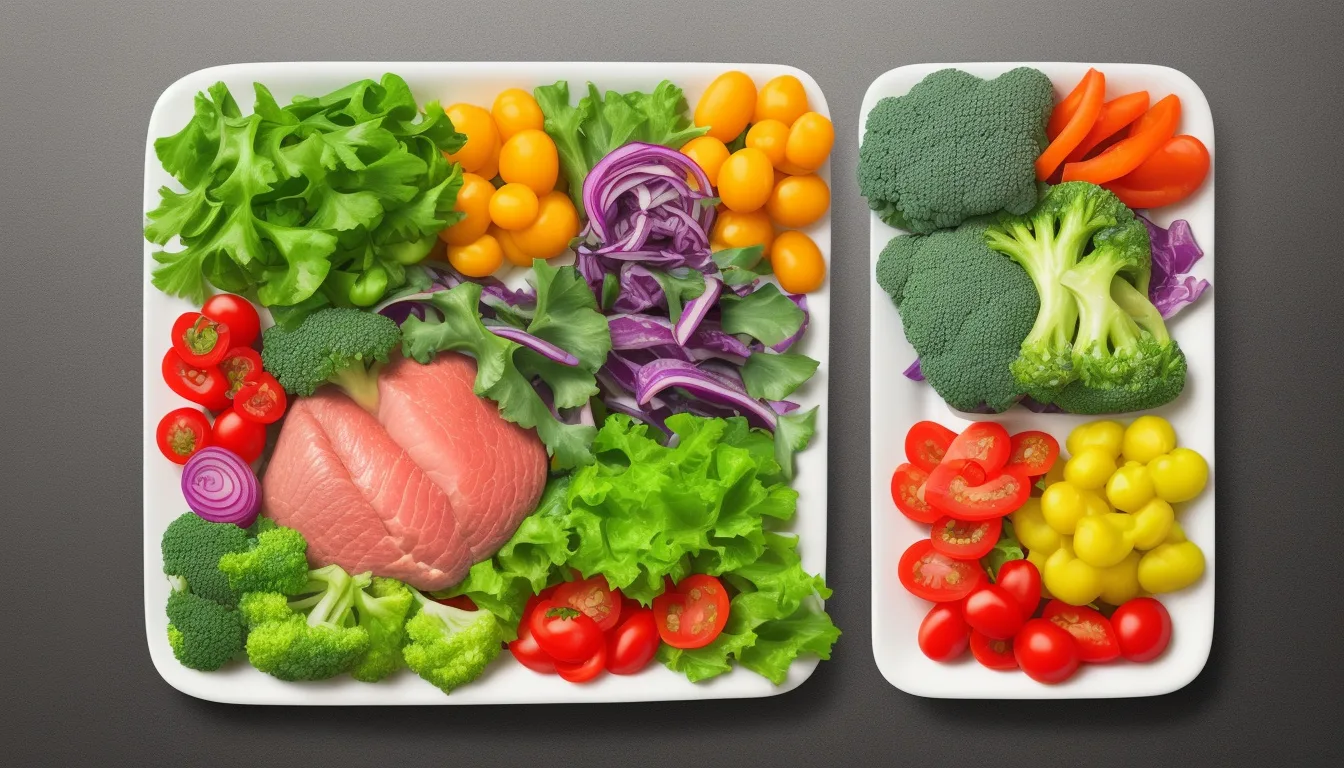
Rather than fix on single foods, think of a simple formula. Most meals follow this order:
- Protein anchor (20–35 g protein per meal)
- Low carb vegetables (1–3 cups, by type)
- Healthy fats (1–2 servings)
- Smart carbs (if you choose, in small portions)
1. Protein Anchor
Protein keeps your muscles, fills you up, and helps your body work well. Examples include:
• Eggs or egg whites
• Chicken or turkey (breast or thigh)
• Fish and seafood
• Lean cuts of beef or pork
• Greek yogurt or cottage cheese
• Tofu, tempeh, seitan, or edamame
2. Low Carb Vegetables
These add weight, fiber, and vitamins with few carbs. Aim for:
• Leafy greens (spinach, kale, romaine)
• Broccoli, cauliflower, Brussels sprouts, or cabbage
• Zucchini, eggplant, green beans, asparagus, or peppers
• Mushrooms, cucumbers, and tomatoes (in moderation)
3. Healthy Fats
Fats give flavor, help you feel full, and support hormones. Good types are:
• Olive oil or avocado oil
• Avocados
• Nuts and seeds (almonds, walnuts, chia, flax, pumpkin seeds)
• Nut butters in their natural form
• Olives
• Fatty fish like salmon or sardines
4. Smart Carbs (If Chosen)
These add some variety and help you stick with your plan. They include:
• Berries
• Beans and lentils (which are filling and high in fiber)
• Quinoa, farro, or barley (in small amounts)
• A small sweet potato (about half a small one)
7-Day Easy Low Carb Meal Plan for Weight Loss
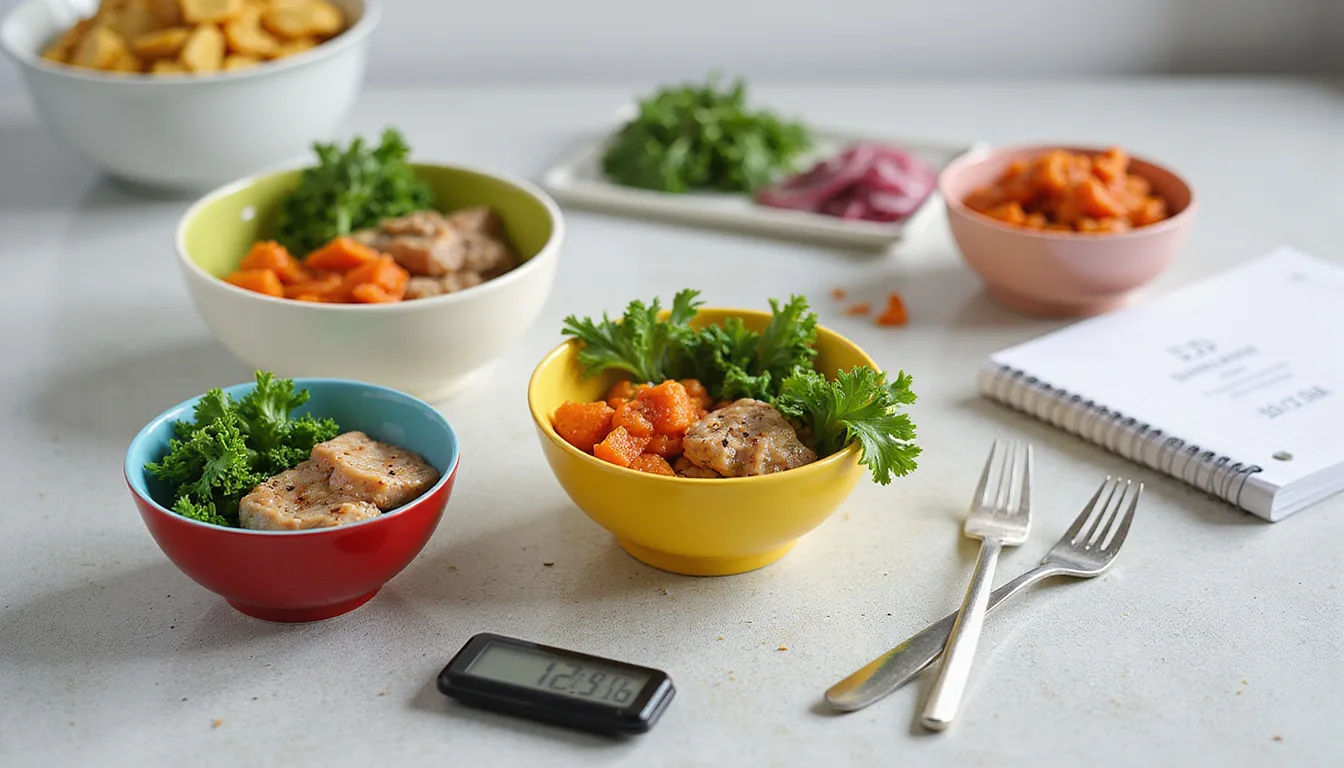
Below is a sample 7-day plan that a low carb dietitian might write. It is for a healthy adult and keeps net carbs around 50–100 g per day. Change portions to fit your hunger and calories.
General Guidelines for the Week
• Breakfast: 20–30 g protein, non-starchy vegetables or berries, and some fat
• Lunch and Dinner: 25–35 g protein, many vegetables, fats, and little starch
• Snacks (0–2 each day, if needed): protein with fiber and a little sugar
Day 1
Breakfast:
Greek yogurt bowl
• ¾–1 cup plain Greek yogurt (2% or 5% fat)
• ¼ cup mixed berries
• 1 Tbsp chia or ground flax seeds
• A dash of cinnamon and a few drops of vanilla extract
Lunch:
Chicken veggie bowl
• Grilled chicken breast
• Mixed greens with cucumber, tomatoes, and peppers
• ¼ avocado
• A light drizzle of olive oil and a squeeze of lemon
Snack (if you want):
• 1 string cheese and 10–12 almonds
Dinner:
Zucchini noodle bolognese
• Ground turkey or beef in a tomato sauce (with no extra sugar)
• Served on spiralized zucchini
• A side salad dressed with olive oil and vinegar
Day 2
Breakfast:
Veggie omelet
• A mix of 2–3 eggs and egg whites
• Spinach, mushrooms, onions, and peppers cooked in a bit of olive oil
• A light sprinkle of feta or cheddar cheese
Lunch:
Tuna salad lettuce wraps
• Canned tuna (in water) mixed with a small amount of mayo or Greek yogurt, some mustard, and diced celery
• Wrapped in large lettuce leaves like romaine or butter lettuce
• A side of sliced cucumber and cherry tomatoes
Snack (if you want):
• ½ cup cottage cheese with a few berries
Dinner:
Baked salmon and vegetables
• Baked or grilled salmon
• Roasted broccoli and cauliflower tossed in olive oil and garlic
• A small side salad
Day 3
Breakfast:
Protein smoothie
• A scoop of protein powder (whey, pea, or other)
• A small handful of spinach
• ¼ cup frozen berries
• 1 Tbsp almond butter
• Unsweetened almond milk or water to blend
Lunch:
Turkey avocado salad
• Sliced turkey breast over mixed greens
• Sliced avocado, shredded carrots, and red onion
• A simple dressing of olive oil and vinegar
Snack (if you want):
• 1 hard-boiled egg with raw vegetables (such as peppers, celery, or cucumber)
Dinner:
Stir-fry bowl
• Chicken, shrimp, or tofu stir-fried with broccoli, snap peas, cabbage, and mushrooms
• Cooked in avocado or sesame oil with garlic and ginger
• A dash of tamari or low-sodium soy sauce
• Optionally served with ¼–½ cup cauliflower rice
Day 4
Breakfast:
Chia pudding
• Mix 3 Tbsp chia seeds with unsweetened almond milk overnight
• Top with a few sliced strawberries and a light sprinkle of nuts
Lunch:
Egg salad plate
• Egg salad made with hard-boiled eggs, a touch of mayo or yogurt, a little mustard, and diced celery
• Served on a bed of greens with sliced cucumbers and radishes
Snack (if you want):
• A small handful of mixed nuts
Dinner:
Turkey burger bowl
• A turkey burger patty served without a bun
• Placed on shredded lettuce with tomato, onion, and pickles, with a slice of cheese
• A side of roasted Brussels sprouts
Day 5
Breakfast:
Cottage cheese bowl
• ½–1 cup cottage cheese
• ¼ cup berries
• 1 Tbsp ground flax seeds
• A pinch of cinnamon
Lunch:
Use leftovers from the turkey burger bowl or another protein-salad combo from earlier.
Snack (if you want):
• Veggie sticks with 2–3 Tbsp of hummus (keep an eye on portions)
Dinner:
Chicken fajita plate
• Sautéed chicken with onions and bell peppers in fajita spices
• Served on a large bed of lettuce with a side of salsa, guacamole, and a bit of shredded cheese
• Optionally, include 1 small low-carb tortilla if it fits your carb count
Day 6
Breakfast:
Scrambled eggs and greens
• Scramble 2 eggs with spinach and mushrooms
• Have ½ an avocado on the side
Lunch:
Shrimp salad
• Sauté shrimp in olive oil and garlic
• Mix with greens, cucumber, tomato, olives, and a bit of feta
• Dress with lemon juice and olive oil
Snack (if you want):
• A small bowl of plain Greek yogurt with a teaspoon of nut butter stirred in
Dinner:
Pork or chicken chops with veggies
• Grill pork or chicken chops
• Roast green beans and cauliflower
• Serve with a side salad in olive oil and vinegar
Day 7
Breakfast:
Yogurt parfait
• Repeat your favorite yogurt bowl from earlier
Lunch:
Quick antipasto plate
• Sliced turkey or chicken
• Several slices of cheese
• A small mix of olives, raw vegetables, and a few nuts
• A couple of tomato slices
Snack (if you want):
• A hard-boiled egg or a serving of low-sugar beef jerky
Dinner:
Eggplant or zucchini lasagna
• Use thin slices of eggplant or zucchini in place of pasta
• Layer with ricotta, mozzarella, and a meat tomato sauce
• Serve with a side salad
Simple Prep Strategy From a Low Carb Dietitian
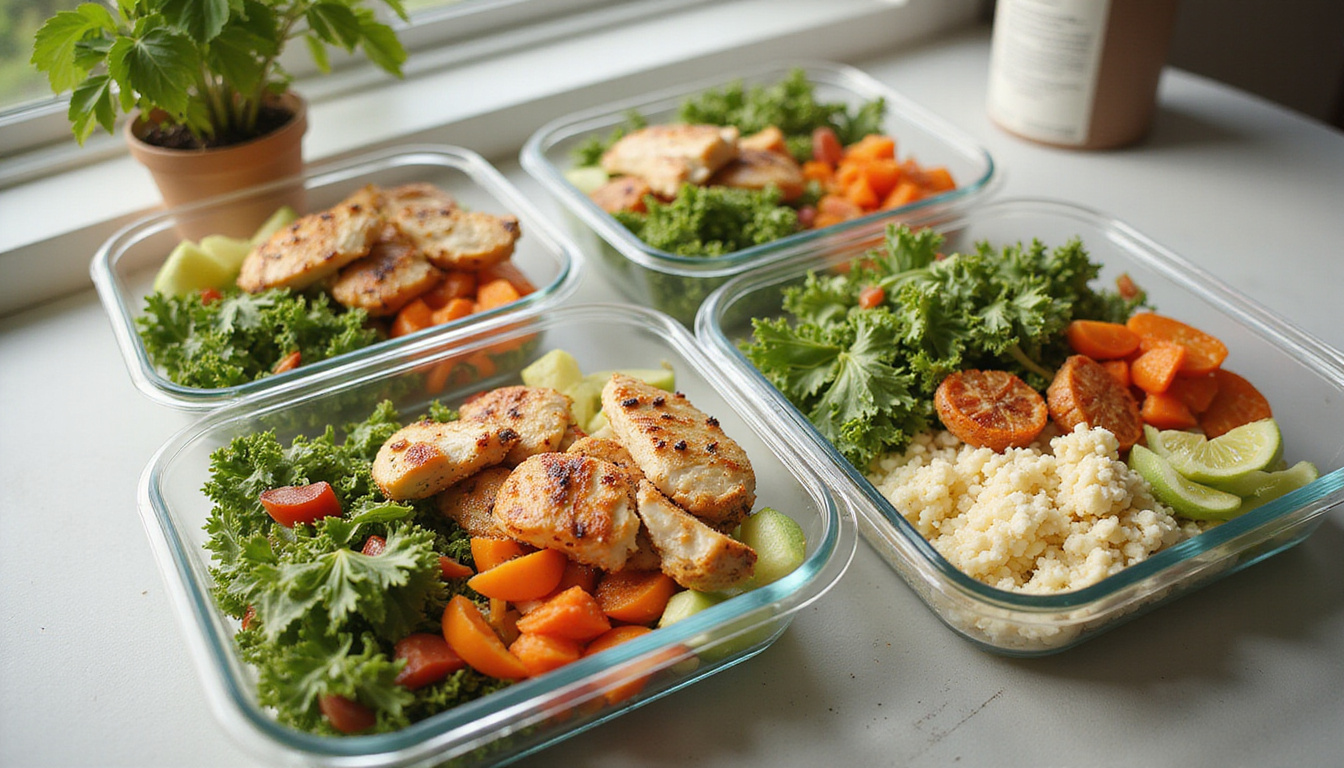
You do not have to cook each day. A low carb dietitian shows you how to batch-cook so your meals come together fast.
Here is one simple weekly prep list:
-
Cook 2–3 proteins
• For example, roast a tray of chicken thighs, prepare turkey meatballs, and boil eggs. -
Roast one large pan of vegetables
• Use broccoli, cauliflower, Brussels sprouts, zucchini, and peppers
• Toss lightly with olive oil, salt, pepper, and garlic. -
Prepare a large salad base
• Wash and chop romaine, spinach, or mixed greens
• Store in a container with a paper towel to keep leaves dry. -
Make 1–2 sauces or dressings
• Try a mix of olive oil, lemon juice, and garlic
• Or make a yogurt sauce with herbs. -
Pre-portion snacks
• Divide nuts into small containers
• Pack cut vegetables in small bags
• Use single-serve cups for cottage cheese or yogurt
When you are ready to eat, you mix and match proteins, vegetables, fats, and if you need, small amounts of smart carbs.
Common Low Carb Mistakes (And How a Dietitian Fixes Them)
Even the best plan can hit snags. A low carb dietitian watches for these common slips and fixes them fast.
1. “Low Carb” but High Calories
Foods such as cheese, nuts, oils, and low-carb desserts can add calorie by calorie. To fix this:
• Measure oils (about 1–2 tsp instead of pouring freely)
• Divide nuts into small portions
• Save low-carb treats for special times, not every day
2. Not Enough Protein
Too little protein can lead to muscle loss, extra hunger, and stalled progress. Aim for:
• About 0.7–1.0 g protein per pound of your desired weight (this can change for each person)
• 20–35 g protein at each main meal
3. Forgetting Fiber
When you cut carbs, you may miss fiber. This can cause constipation and more hunger. Be sure to include:
• Many non-starchy vegetables
• Some chia, flax, or psyllium
• An occasional serving of berries or a few beans (if you can tolerate them)
4. A Rigid Mindset
A low carb way works best when you can adjust it. A dietitian may help you:
• Plan for days when you eat more carbs at events
• Use small fixes after days of extra eating
• Adjust carbs around tougher workouts
Who Should Be Extra Careful With Low Carb?
Low carb plans work well for many, but some need a doctor’s watch:
• People who take insulin or blood sugar–lowering drugs
• Those with kidney issues
• Pregnant or breastfeeding women
• Anyone with a history of very strict eating
A low carb dietitian works with your doctor to change medications if needed and keep you safe.
Frequently Asked Questions About Low Carb Dietitians and Meal Plans
1. How Can a Low Carb Nutritionist or Dietitian Personalize My Plan?
A low carb dietitian studies your health records, lab work if you have it, how you eat, your tastes, and your daily life. Then they
• Set a clear carb range for you
• Balance your calories and protein
• Work with your favorite cultural foods, budget, and time
• Adjust your plan every few weeks as you change
This personal touch can turn a short-term fix into a long-term way of eating.
2. Can a Low Carb Dietitian Weight Loss Plan Include Eating Out?
Yes. Most plans include tips for eating outside. For example:
• Pick protein first (like steak, fish, chicken, or bunless burgers)
• Swap fries or rice for extra vegetables or salad
• Ask that sauces and dressings come on the side
• Plan for a lighter meal earlier if you plan to eat more at dinner
You do not have to skip restaurants; you just need a solid plan.
3. Is Working With an Online Low Carb Dietitian Effective?
An online low carb dietitian can work well, especially if you
• Share your food logs or pictures for quick feedback
• Meet by video or messaging on a regular schedule
• Receive clear steps and small changes every week
Many find online support more steady and practical than in-person visits. It can help you follow your plan and see results.
Start Your Low Carb Journey the Smart Way
You do not have to guess your carb targets, fight hunger every day, or mix random advice from the web. With help from a low carb dietitian, you enjoy clear and flexible meal plans. You lose weight slowly and feel good about your food and your life.
If you are ready to stop the cycle of starting over each week and you want a real, science-based plan for your meals, now is the time to take action. Talk to a qualified low carb dietitian or a registered dietitian nutritionist who works with low carb plans. Share your goals and struggles, and let them build a simple, personalized guide for you. In a few months, you could eat with assurance, feel steady without hunger, and see lasting changes on the scale and in your daily life.
[center]Always consult with your doctor prior to making drastic diet changes.[/center]
[center]As an Amazon Affiliate, Savvy Keto makes a small commision (at no extra cost to you) on any purchases you make thru affiliated links you click on.[/center]