Moderate Protein Meal Plan Ideas to Boost Energy and Control Weight
Eating well that keeps you energized and helps control your weight means you balance your meals. Protein sits at the center of that balance. A moderate protein plan lies in the middle of low‐ and high‑protein diets. It helps you feel full, keeps your muscles strong, and stops energy dips without taxing your body.
This guide shows you what “moderate protein” means, explains why it works well, and explains how to build meals that are both tasty and practical.
What Does “Moderate Protein” Really Mean?

Experts do not agree on one set number. Most see moderate protein as about:
• 0.8–1.6 grams of protein per kilogram of body weight per day
– That equals about 0.36–0.73 g per pound of body weight.
For example, a person weighing:
• 130 lbs (59 kg): gets around 47–95 g protein per day
• 160 lbs (73 kg): gets around 59–117 g protein per day
• 190 lbs (86 kg): gets around 69–138 g protein per day
This guide lets your body keep muscle and stay healthy without high protein amounts used in bodybuilding diets.
Why moderate protein works:
• It keeps you full between meals.
• It helps keep lean muscle, which keeps your metabolism steady.
• It gives a steady flow of energy when you mix it with smart carbs and healthy fats.
• It is usually easier on your kidneys and digestion compared to very high protein intakes.
(If you have kidney issues, check with your doctor first.)
For healthy adults, these protein ranges are safe (source: Harvard T.H. Chan School of Public Health).
How Moderate Protein Supports Energy and Weight Control
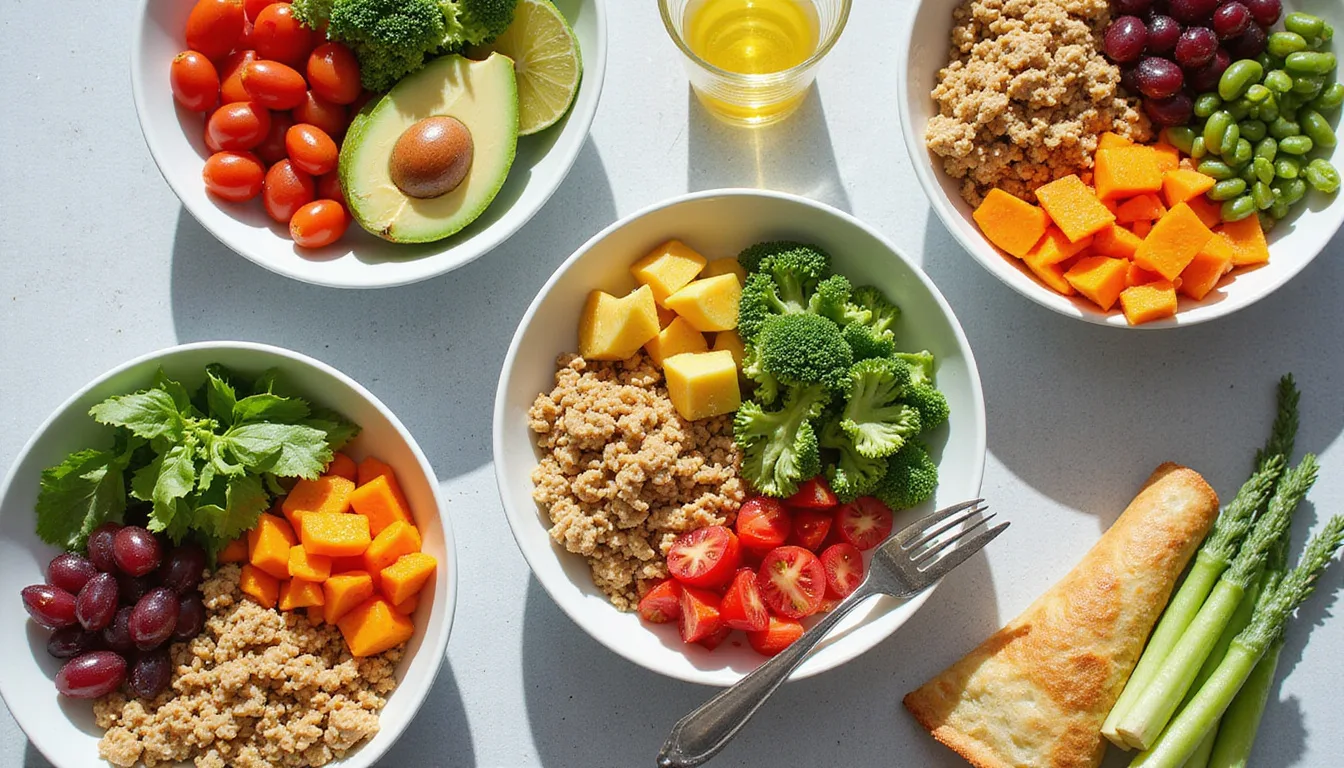
Balancing your plate is key. A moderate protein meal plan puts weight on these points:
- Protein to keep you full and rebuild muscle.
- Fiber-rich carbs to keep up energy.
- Healthy fats to support hormones and keep you satisfied.
Here is how this mix helps:
Steady blood sugar and lasting energy
• Protein slows digestion and the use of carbohydrates.
• When you pair it with fiber-rich foods (like oats, quinoa, beans, and vegetables), you avoid a steep drop in energy after meals.
Reduced cravings and avoiding overeating
• Protein gives you more lasting fullness than fats or carbs with the same calories.
• A bit of protein at each meal helps control hunger and can lead to fewer snacks later.
Preserving lean muscle while dropping fat
• When you cut calories for weight control, your body uses stored energy from both fat and muscle.
• A moderate protein level helps protect your lean muscle, keeps your resting metabolism higher, and guides most weight loss to come from fat.
Key Principles of a Moderate Protein Meal Plan
See each meal as a chance to add 15–30 g of protein along with carbs and fats that suit your body and goals.
- Spread Protein Through the Day
Do not load all your protein at one time. Instead, aim for:
• 3 main meals with about 20–30 g protein each.
• 1–2 snacks with about 8–15 g protein each.
This pattern helps your muscles repair and keeps hunger away.
- Blend Animal and Plant Protein Sources
A moderate protein plan need not be heavy in meat. You can mix:
• Animal: eggs, Greek yogurt, cottage cheese, fish, poultry, lean red meat, and cheese in small amounts.
• Plants: lentils, chickpeas, black beans, tofu, tempeh, edamame, quinoa, nuts, and seeds.
This mix gives you more nutrients and may help your gut stay healthy.
- Choose Whole Foods Over Processed Foods
Center your protein meals on:
• Whole grains
• Minimally processed protein (e.g. eggs instead of deli meats)
• A variety of vegetables and fruits
• Healthy fats like olive oil, avocado, nuts, seeds, and oily fish
Protein bars, shakes, and processed meats can serve as tools now and then instead of every day.
Sample 1-Day Moderate Protein Meal Plan (≈1,800–2,000 Calories)
This example is general. You can change portions to fit your size, activity, and aims.
Breakfast: Veggie Omelet and Whole-Grain Toast
Target: ~25 g protein
• 2 whole eggs plus 2 egg whites
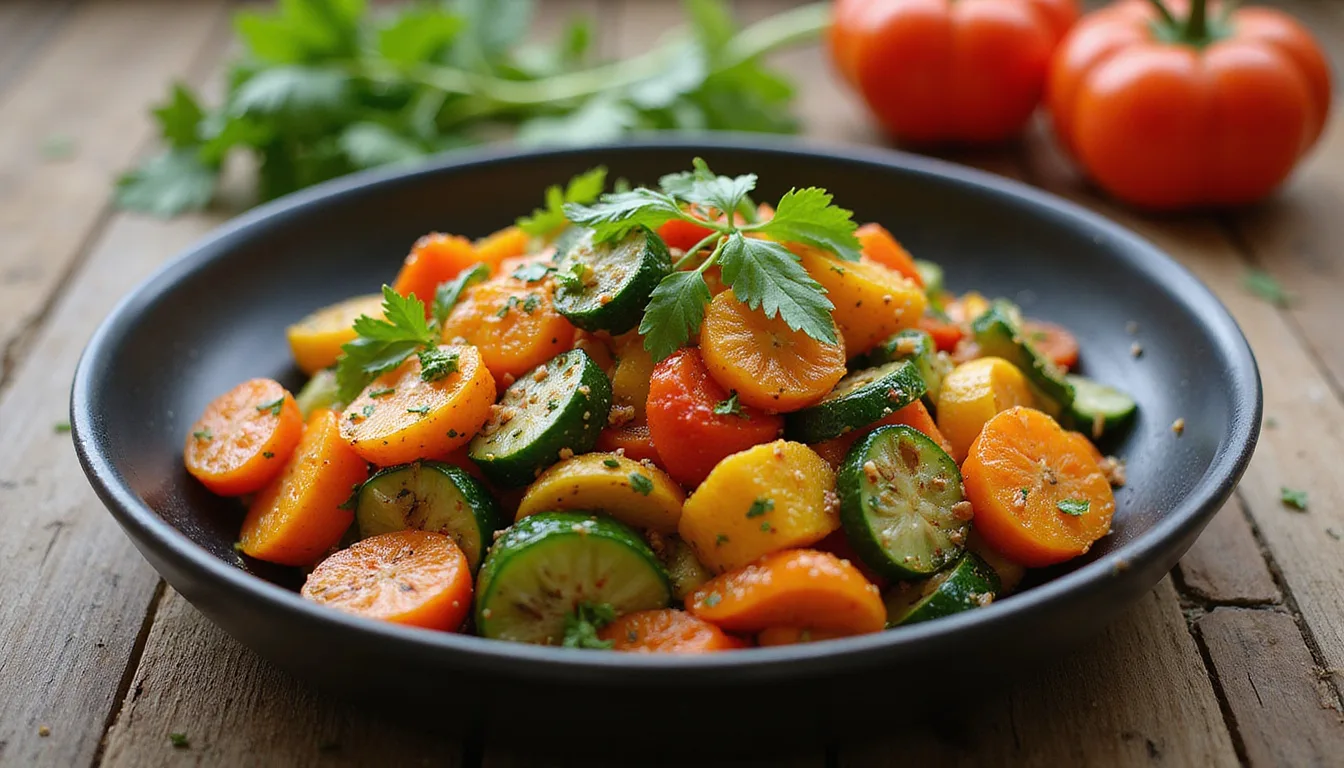
• 1 cup mixed vegetables (spinach, bell peppers, onions, mushrooms) cooked in 1 tsp olive oil
• 1 slice whole-grain toast
• ½ small avocado sliced on top
• Black coffee, tea, or water
Why this works: Eggs give quality protein, while vegetables add fiber and vitamins. Whole grains and avocado give lasting energy and healthy fat.
Snack 1: Greek Yogurt and Berries
Target: ~12–15 g protein
• ¾–1 cup plain nonfat or low-fat Greek yogurt
• ½ cup mixed berries
• 1 tsp chia seeds or ground flaxseed
This mix gives protein, fiber, and antioxidants but keeps sugar low.
Lunch: Mediterranean Chickpea and Chicken Bowl
Target: ~30 g protein
• 3–4 oz grilled chicken breast (or extra chickpeas for a vegetarian twist)
• ½ cup cooked chickpeas
• ½ cup cooked quinoa or brown rice
• 1½ cups mixed greens and chopped vegetables (cucumber, tomato, red onion, bell peppers)
• 1–2 tbsp hummus thinned with lemon juice and water
This meal brings together animal and plant proteins, complex carbs, and good fats to keep you full.
Snack 2: Apple with Nut Butter
Target: ~8 g protein
• 1 medium apple, sliced
• 1½ tbsp natural peanut or almond butter
This snack gives fiber, protein, and fat to help you through the afternoon.
Dinner: Baked Salmon, Sweet Potato, and Roasted Veggies
Target: ~30 g protein
• 4–5 oz baked salmon (or tofu if you prefer plant based)
• 1 medium baked or roasted sweet potato
• 1–2 cups roasted vegetables (broccoli, Brussels sprouts, carrots)
• 1 tsp olive oil for roasting and herbs/spices for flavor
Salmon delivers high-quality protein and omega‑3 fats, while sweet potato and veggies add fiber and vitamins to support steady energy at night.

Moderate Protein Meal Ideas for Every Meal of the Day
Below are more ideas you can rotate throughout the week.
Breakfast: Moderate Protein Options
Aim for 15–25 g protein, with added complex carbs and healthy fats.
• Overnight oats with a protein twist
– ½ cup rolled oats and ½–1 cup milk or soy milk
– ½ cup Greek yogurt
– 1 tbsp chia seeds and berries on top
• Cottage cheese bowl
– ¾–1 cup cottage cheese
– Pineapple or berries with 1 tbsp walnuts or almonds
• Tofu scramble
– Crumbled firm tofu cooked with turmeric, black salt, and vegetables
– Served with a slice of whole-grain toast
• Smoothie with balanced parts
– 1 scoop moderate-protein powder
– 1 banana and a handful of spinach
– 1 tbsp peanut butter
– 1 cup unsweetened almond or soy milk
– Optionally add oats for more staying power
Lunch: Moderate Protein Bowls and Salads
Aim for 20–30 g protein and at least 2 servings of vegetables.
• Turkey and avocado wrap
– 2–3 oz sliced turkey
– Whole-grain tortilla
– Lettuce, tomato, cucumber, and either mustard or a bit of hummus
– ¼ avocado
• Lentil and veggie soup with a side salad
– 1½–2 cups lentil-based soup
– Mixed greens served with olive oil and vinegar
• Quinoa power salad
– ½–¾ cup cooked quinoa
– ½ cup chickpeas or black beans
– Diced vegetables, fresh herbs, and a lemon-olive oil dressing
– Sprinkle some feta on top if you wish
• Sushi-style bowl
– 3–4 oz baked tofu or grilled fish
– ½–1 cup cooked rice
– Seaweed, cucumber, carrots, and edamame
– A light drizzle of soy sauce or tamari
Dinner: Satisfying, Balanced Plates
A dinner in this plan usually means 4–5 oz of protein, along with plenty of vegetables and grains.
• Stir-fry night
– 3–4 oz chicken, shrimp, tofu, or tempeh
– 2 cups mixed vegetables (broccoli, snap peas, peppers, carrots)
– ½–1 cup brown rice or soba noodles
– Light stir-fry with a little oil, garlic, ginger, and soy sauce
• Lean beef or bean chili
– Lean ground beef or turkey, OR a mix of 3 types of beans
– Tomatoes, onions, bell peppers, and spices
– Served with a small baked potato or ½ cup brown rice
• Baked tofu sheet-pan dinner
– Firm tofu cubes with chopped vegetables (zucchini, peppers, onion)
– Tossed with olive oil, garlic, and herbs
– Roasted on one pan for easy cleanup, with a side of whole grains
Snack Ideas to Support a Moderate Protein Approach
Snacks do not need a lot of protein. They need just enough to keep you steady. Aim for 6–15 g per snack.
• A small handful of nuts (about ¼ cup) paired with a piece of fruit
• 1–2 cheese sticks with carrot sticks
• Roasted chickpeas (about ½ cup)
• Edamame (1 cup in the pod)
• A hard-boiled egg with a few whole-grain crackers
• A small smoothie with yogurt or milk and fruit
• ¼ cup hummus with sliced bell peppers and cucumbers
Simple Portion Guide for Moderate Protein (No Tracking Needed)
If you do not wish to count grams, use your hand as a guide.
At Each Main Meal:
• Protein: 1 palm-sized portion (women) or 1–2 palm-sized portions (men)
• Carbs (whole grains or starchy vegetables): 1 cupped-hand portion (women) or 1–2 portions (men)
• Healthy fats: 1 thumb-sized portion (women) or 1–2 portions (men)
• Non-starchy vegetables: at least 1–2 fist-sized portions
This guide helps you hit a moderate protein pace with balanced calories.
Who Benefits Most from a Moderate Protein Diet?
This meal plan is a smart choice for:
• People who want to lose or keep their weight without extreme diets.
• Those who need steady energy throughout the day.
• Adults who want to keep their muscle as they get older.
• People who exercise a few times a week at a moderate pace.
• Anyone who finds strict macro tracking or very high-protein diets too hard.
For intense athletes or people with specific health issues, talking with a registered dietitian or doctor can give you the adjustments you need.
One-Week Moderate Protein Meal Plan (At-a-Glance)
Here is a simple plan you can tweak as needed. Each day keeps protein in the moderate range with good portion sizes.
-
Breakfasts (rotate):
– Veggie omelet with whole-grain toast
– Greek yogurt parfait with fruit and nuts
– Tofu scramble with toast
– Overnight oats with yogurt and seeds -
Lunches (rotate):
– Mediterranean chickpea & chicken bowl
– Lentil soup with a side salad
– Turkey & avocado whole-grain wrap
– Quinoa & black bean salad -
Dinners (rotate):
– Baked salmon, sweet potato, roasted vegetables
– Stir-fry with tofu/chicken and brown rice
– Lean beef or bean chili
– Sheet-pan baked tofu with mixed vegetables -
Snacks (choose 1–2 each day):
– Apple with nut butter
– Cottage cheese with fruit
– Hard-boiled egg with veggie sticks
– Roasted chickpeas
– A small handful of nuts with berries
Mix these options as you like to keep your plan fresh and simple.
FAQs About Moderate Protein Meal Planning
-
How much protein is “moderate” in a day?
For most healthy adults, 0.8–1.6 g of protein per kilogram of body weight per day is normal. This typically means about 15–30 g of protein at each main meal plus a little extra in snacks. -
Can a moderate protein diet help with weight loss?
Yes. It keeps you full, supports lean muscle, and can cut cravings. With a small calorie drop and plenty of vegetables plus light exercise, it can help you lose fat while keeping energy up. -
Is a moderate protein meal plan suitable for vegetarians?
Yes. Vegetarians can get enough protein with lentils, chickpeas, beans, tofu, tempeh, edamame, soy milk, Greek yogurt, cottage cheese, quinoa, nuts, seeds, and whole grains. Including one or more of these foods at each meal makes a moderate protein intake easy to achieve.
Take the Next Step: Build Your Own Moderate Protein Plan
You do not require a complicated app or many rules to boost your energy and manage your weight. A moderate protein plan gives you:
• Enough protein to keep you full and help your muscles.
• Flexibility with both animal and plant protein choices.
• Balanced meals that keep blood sugar steady and energy flowing.
Try planning your next three days of meals with these ideas. Pick a breakfast, lunch, dinner, and 1–2 snacks each day that meet these moderate protein guidelines. Prepare what you can ahead of time.
If you need help fine-tuning a plan for your body, goals, or schedule, talk with a registered dietitian or a trusted nutrition professional. With a bit of structure and the right balance of protein, carbs, and fats, you can plan meals that support lasting energy, good health, and steady weight management.
[center]Always consult with your doctor prior to making drastic diet changes.[/center]
[center]As an Amazon Affiliate, Savvy Keto makes a small commision (at no extra cost to you) on any purchases you make thru affiliated links you click on.[/center]