Insulin Hypothesis: The Surprising Truth About Weight, Cravings, and Health
The insulin hypothesis stands as a hot topic in nutrition and weight-loss science. Scientists see insulin as key in blood sugar work. Insulin also drives fat storage, hunger, and long-term disease. If you guide insulin, you may guide weight, cravings, and health. But how much is fact and how much is too simple?
This article shows what the insulin theory says, what research finds, where it misses the mark, and how it links to daily food choices, movement, and life.
What Is the Insulin Hypothesis?

At its heart, the insulin hypothesis states that
• Carbohydrates (especially refined kinds and sugar) lift insulin.
• Raised insulin helps store fat and keeps fat from burning.
• Constant high insulin brings weight gain, cravings, and metabolic issues.
• Eating fewer carbs or low-glycemic foods may lower insulin and support weight loss and well-being.
This view stands aside from the classic idea of “calories in, calories out.” In that view, weight depends on energy balance: eating too many calories makes you gain, and eating fewer lets you lose weight.
The insulin hypothesis does not ignore calories. It says what you eat (and how it lifts insulin) matters more than how much you eat.
A Quick Primer: What Does Insulin Do?
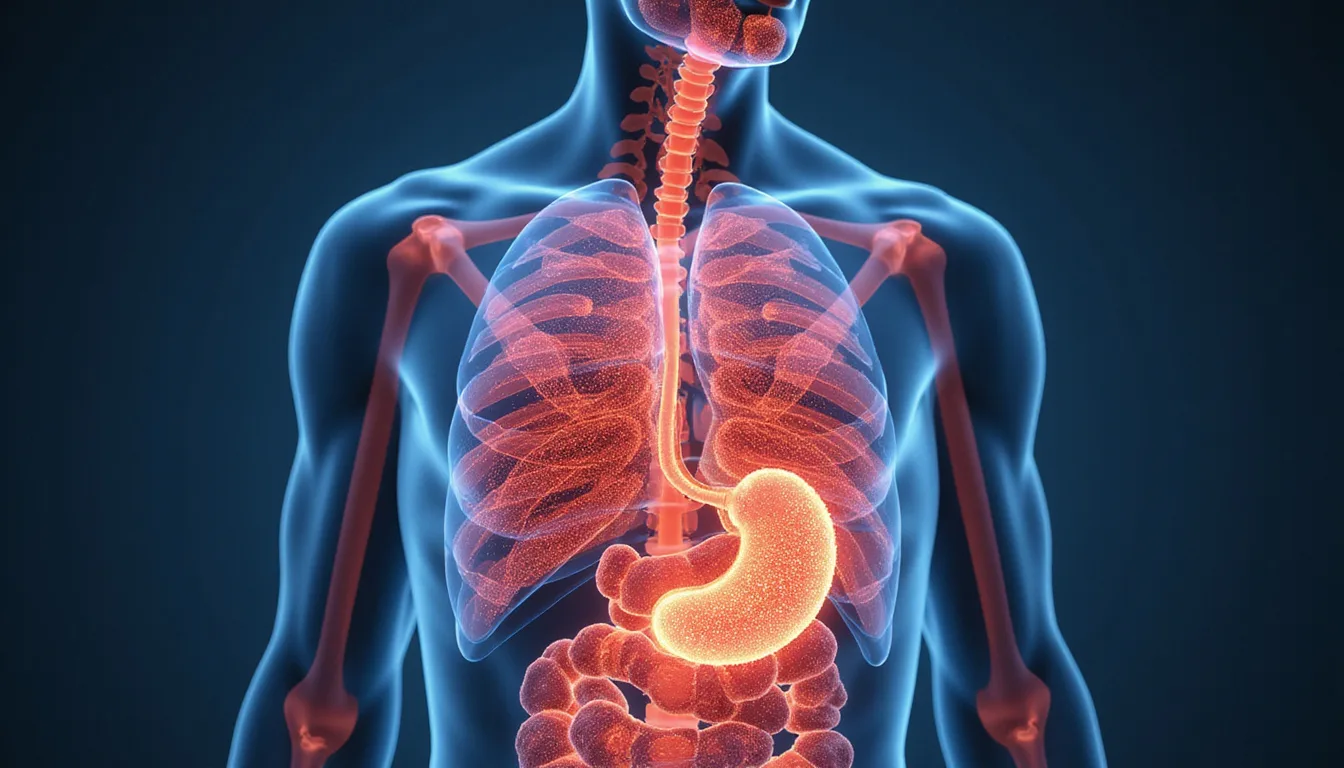
Understanding insulin helps us see the insulin theory. Insulin comes from the pancreas. It works by:
• Lowering blood sugar as it moves glucose into cells.
• Helping energy storage by:
– Saving glucose as glycogen in the liver and muscles.
– Boosting fat storage in fat cells.
• Keeping fat breakdown low when insulin is high. The body burns sugar first before it touches fat.
Insulin plays a role in fat storage, but that does not mean it is the only cause of fat gain.
Insulin Hypothesis and Calorie Balance: Two Views
People set up the debate as if it is insulin against calories. In fact, both explain parts of our eating.
• Energy balance: You gain fat only when, over time, you eat more than you burn. This rule comes from physics.
• Hormonal work: Hormones such as insulin, leptin, ghrelin, and cortisol shape hunger and how energy is used in the body.
It is not a choice between calories or insulin. Food choices, sleep, stress, activity, and genes all connect. The insulin idea serves best to show how food and habits affect hunger and fat storage. It does not claim that calories do not count.
How Carbs and Insulin Affect Weight and Cravings
Foods full of carbohydrates, especially ones that digest fast, trigger a big insulin move. This is why sugary snacks and refined grains can start a loop of peaks and dips.
Short-Term Effects You Might Notice
After a meal low in fiber and high in carbs (like white bread, sweet drinks, or pastries), many people feel:
• A quick rise in blood sugar and insulin.
• A short burst of energy.
• A drop in blood sugar that may cause:
– Tiredness or a foggy mind.
– Mood shifts.
– Strong cravings for more sweets or carbs.
This cycle shows a simple link: a quick insulin spike drives a fast drop that makes you want to eat more carbs.
Long-Term Effects on Body Fat
Over time, food that makes insulin spike may:
• Make it easier to eat too much because hunger stays high.
• Turn extra energy into fat.
• Lead to insulin resistance. Here, cells do not trust insulin as much, and the body makes even more.
This is why many eating plans that lower insulin—by cutting sugars and refined carbs—help people eat less without strict counting.
What Research Says About the Insulin Hypothesis
Recent research tests the insulin idea, especially the claim that low-carb diets lead to more fat loss than higher-carb diets when protein and calories match.
Metabolic Ward Studies
These studies keep people in a controlled space with set meals. The findings show:
• When calories and protein are equal, low-carb and higher-carb diets usually give similar fat loss.
• Low-carb diets may cause more water and glycogen loss in the early days. This can hide the true fat loss.
• Over weeks and months, fat loss differences are small and may not always favor low-carb.
A review by the National Institutes of Health found that when food energy is kept the same, reducing carbs does not always yield more fat loss than reducing fats (source: National Institutes of Health).
This does not fully support the strongest form of the insulin hypothesis, which would see low-carb diets always win regardless of calories.

Free-Living Studies
Outside the lab, real life adds choice and habit. Here we see:
• Low-carb diets sometimes help people eat less without trying hard.
– Foods with more protein and fat can keep you full.
– Lower sugar and fewer refined foods may keep blood sugar more even.
• Some people simply prefer low-carb and stick with it, which helps create a calorie gap.
Low-carb is not a magic fix. Yet its effects on hunger may work well for many, especially those who battle carb cravings or mood swings from sugar highs and lows.
Where the Insulin Hypothesis Helps (and Where It Falls Short)
Helpful Aspects
The insulin idea points out:
• The need to care about food quality, not just count calories.
• That refined carbs and sugar can push overeating and hunger.
• How insulin resistance links to type 2 diabetes and heart issues.
• That diets low in glycemic foods and rich in fiber can keep blood sugar steady and the stomach full.
It shows a path to:
• Eat fewer ultra-processed and sugary foods.
• Pick whole and lightly processed foods.
• Note how meals make you feel long after you eat.
Where It Falls Short
A strict view of the insulin idea can give the wrong message. It may imply:
• “Calories do not count if insulin is low.”
• “Eating fat and protein will never cause fat storage if carbs stay low.”
• “Carbs alone cause obesity and health problems.”
Research tells us that eating more calories than you burn, even on a low-carb plan, can still lead to fat gain. Many people stay healthy and fit with moderate, or even high, carb diets, so long as those carbs come from fruits, vegetables, legumes, and whole grains.
Insulin, Cravings, and Emotional Eating
A practical part of the insulin theory is its view on cravings. When blood sugar climbs fast and then dips hard, you may feel:
• Deep hunger.
• A need to eat right away.
• A pull toward quick energy, like sweets or starchy food.
This is not about willpower alone. The brain sees a fast drop as a signal of low energy and urges you to find food.
If you eat in a way that:
• Lifts insulin slowly.
• Keeps energy steady.
• Stops the big dips.
You may see that hunger and cravings fall. In time, you can choose food more easily instead of eating on impulse.
Practical Ways to Use the Insulin Idea (Without Going to an Extreme)
You do not need to follow a very strict low-carb (ketogenic) plan to see the benefits of steadier insulin and blood sugar. You can use these ideas in a way that lasts.
1. Pick Good Protein Sources
Protein helps by:
• Keeping you full.
• Keeping blood sugar steady when added with carbs.
• Helping keep or build muscle as you lose weight.
Try to have a protein source at most meals. Examples are:
• Eggs, Greek yogurt, cottage cheese
• Fish, chicken, lean meat
• Tofu, tempeh, lentils, beans
2. Choose Carbs That Digest Slowly
Not all carbs push insulin in the same way. Pick foods like:
• Vegetables (especially ones low in starch)
• Whole fruits
• Legumes such as beans, lentils, or chickpeas
• Whole grains like oats, quinoa, brown rice, barley, or whole wheat
Cut back on foods like:
• Sugary drinks
• Candy, pastries, sweets
• Refined grains such as white bread or white pasta
3. Mix in Fiber and Healthy Fats
Fiber and fat slow the speed of digestion. They help by:
• Keeping blood sugar rises moderate.
• Letting you feel full for longer.
• Lowering the chance of later hunger.
Good fat sources include:
• Avocado
• Nuts and seeds
• Olive oil
• Fatty fish like salmon, sardines, or mackerel
4. Think About Meal Parts and Timing
Try a simple meal rule for most meals:
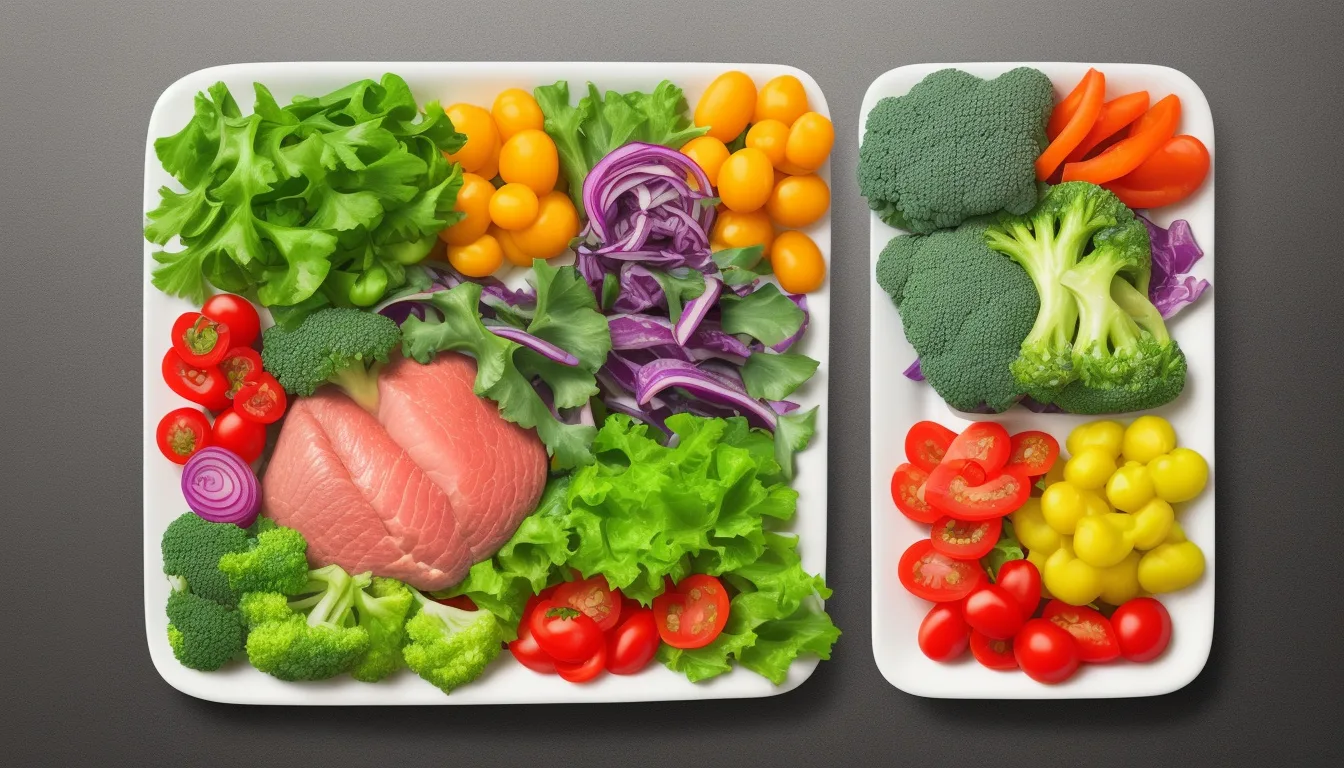
• Fill ½ of your plate with non-starchy vegetables like salad, broccoli, or peppers
• Use ¼ of your plate for protein
• Use the final ¼ for whole-carbohydrate foods or extra vegetables
• Add 1–2 thumb-sized amounts of healthy fats or sprinkle nuts and seeds
Many people do well with 2–4 set meals each day and little snacking. This may help keep insulin levels from staying high all day while you meet your energy needs.
5. Watch Your Sleep, Stress, and Movement
Food is not the only thing that shapes insulin and blood sugar. Poor sleep, long-lasting stress, and less movement can lower how well your body handles insulin and may boost cravings.
• Sleep: Target 7–9 hours each night. Lack of sleep can make hunger hormones rise and lower insulin action.
• Stress: Ongoing stress makes cortisol rise. This can raise your appetite, especially for high-sugar and high-fat foods.
• Movement:
– A regular walk helps cells use insulin better.
– Resistance training helps muscles store sugar and use more energy at rest.
Sample One-Day Eating Pattern for an Insulin-Friendly Plan
Below is one simple way to eat along the lines of the insulin idea. It is not a strict rule but a guide to show how to mix foods without harsh limits.
-
Breakfast
– Greek yogurt with a mix of berries, a small handful of nuts, and a few chia seeds
– Option: A small portion of oats stirred in -
Lunch
– A salad with grilled chicken or tofu, mixed greens, tomatoes, cucumber, a drizzle of olive oil and vinegar
– A side of quinoa or a slice of whole-grain bread if you wish -
Snack (if needed)
– An apple with a spoonful of peanut or almond butter
– Or carrot sticks dipped in hummus -
Dinner
– Baked salmon or tempeh
– Roasted non-starchy vegetables such as broccoli, cauliflower, or Brussels sprouts
– A small baked sweet potato or a side of lentils -
Evening (if still hungry)
– Cottage cheese with a few berries
– Or a hard-boiled egg paired with sliced vegetables
This plan:
• Puts protein first.
• Uses whole carbohydrates that include fiber.
• Adds healthy fats.
• Keeps sugar and refined carbs to a low level.
Common Myths About the Insulin Hypothesis
Many myths have grown up around the insulin idea. Clearing them up can help avoid extreme views.
-
“Insulin is bad, period.”
Insulin is needed for life. Without it, your body cannot use or store energy. This is why people with type 1 diabetes must take insulin. The goal is to have healthy insulin work, not to have no insulin at all. -
“Carbs always make you fat.”
Carbs from whole, unprocessed foods in fair amounts do not force weight gain. Eating too much of any kind of food can lead to fat gain. -
“You can eat as much fat on low-carb as you want and still lose weight.”
High-fat foods hold many calories. It is possible to overeat fat and stop losing weight, even on a lower-carb plan. -
“If your insulin is high, you cannot lose fat at all.”
Even people with type 2 diabetes or high fasting insulin can lose weight if they eat less over time. Changing food patterns that improve insulin use can help a lot.
When a Low-Carb Plan May Work Best
No single eating plan suits all. Some people might enjoy a lower-carb or a moderate-carb plan that gives more protein because:
• They struggle with insulin resistance or prediabetes
• They have type 2 diabetes (this should be done with a doctor’s help)
• They face strong cravings for carbs or sugar
• They notice energy drops after high-carb meals
• They prefer meals with more fat and protein
For these folks, a plan that tames insulin and cuts back on simple carbs can improve how they feel. It may also help calm hunger signals.
FAQ: Insulin Hypothesis, Insulin and Weight Loss, and Insulin Resistance
Q1: What does the insulin hypothesis say about weight gain?
The insulin idea claims that frequent intake of refined and high-glycemic carbs makes insulin high. High insulin pushes fat storage and stops fat burning. Modern studies show that insulin is a part of the story. Still, total calories, food type, and daily habits hold weight as well.
Q2: Can managing insulin help with weight loss and cravings?
Many people find that eating in a way that keeps insulin and blood sugar steady helps. Diets that stress protein, fiber, whole-food carbs, and healthy fat often lower hunger. This makes it easier to eat less over time.
Q3: How does insulin resistance relate to weight and health?
Insulin resistance means that cells do not listen well to insulin. This forces the body to produce more. The insulin idea connects high insulin and insulin resistance to obesity and diseases like type 2 diabetes and heart issues. Better food choices, weight control, exercise, proper sleep, and stress care all help cells respond better to insulin.
The Bottom Line: How the Insulin Hypothesis Can Guide You
The insulin hypothesis starts a needed talk about how hormones—beyond just counting calories—shape weight, hunger, and health. The strongest form of the idea does not fully match research. Yet its main points still help:
• Diets heavy in sugar and refined starch push overeating and fat gain.
• Keeping blood sugar and insulin more even with good food can cut cravings and smooth weight management.
• Food quality is as important as calorie count for how you feel and use energy.
You do not have to follow a strict path. Try cutting down on sugary and highly processed foods. Put more protein, fiber, and healthy fats on your plate. Choose whole-food carbohydrates and work on better sleep, less stress, and regular movement.
Make one or two small shifts in your meals and habits over the next month. Notice how your energy, hunger, and body shape change. Your next step to better health can start with your very next meal.
[center]Always consult with your doctor prior to making drastic diet changes.[/center]
[center]As an Amazon Affiliate, Savvy Keto makes a small commision (at no extra cost to you) on any purchases you make thru affiliated links you click on.[/center]