Low Insulin Diet: 9 Simple Foods to Keep Blood Sugar Steady
A low insulin diet picks foods that keep blood sugar steady. It stops quick spikes and falls. You feel less tired, less hungry, and less drawn to sugar. This way of eating gives you slow, steady energy. If you face prediabetes, type 2 diabetes, PCOS, or simply want constant energy and fewer cravings, using the right foods can help you cope better.
Below you see 9 simple, common foods (and food types) that may keep blood sugar in check. You also get tips for adding them to your meals.
What Is a Low Insulin Diet?

A low insulin diet means you eat to:
• Keep blood sugar low after meals
• Keep insulin rises small
• Grow insulin sensitivity over time
This plan does not just count carbohydrates. It looks at carb quality and puts them with protein, fat, and fiber. It joins ideas from low-glycemic, moderate-carb, Mediterranean, and some low-carb plans. It does not force strict limits.
Key ideas are:
• Use whole, mostly unprocessed foods
• Pick fiber-rich carbs, not refined ones
• Add protein and healthy fat to most meals
• Skip sweet drinks and mass-produced snacks
In time, this meal plan may lead to more even blood sugar, less hunger between meals, and better health markers like A1c and fasting insulin (source: American Diabetes Association).
Why Insulin Spikes Matter
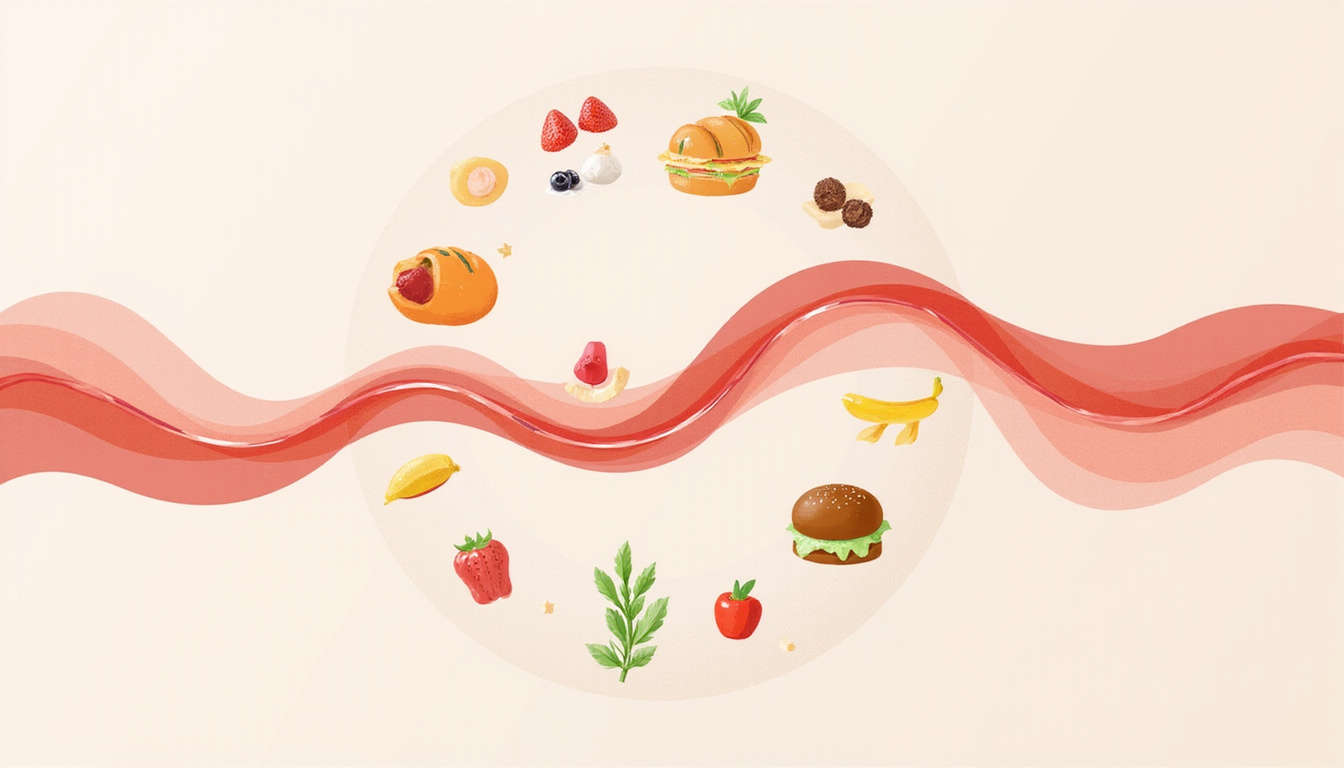
Insulin is a key hormone that helps move sugar from blood into cells for energy. The problem is not insulin itself but a high level that comes from:
• Large, frequent servings of carbs
• Sweet drinks or snacks
• Constant snacking
• Poor sleep and long-term stress
High sugar spikes may bring:
• More hunger and cravings
• Extra belly fat
• Insulin resistance
• Higher triglycerides and lower HDL (“good” cholesterol)
• A higher risk of type 2 diabetes and metabolic syndrome
A low insulin diet does not cut out carbs or demand perfection. It only makes the insulin ride smoother so your body uses it well.
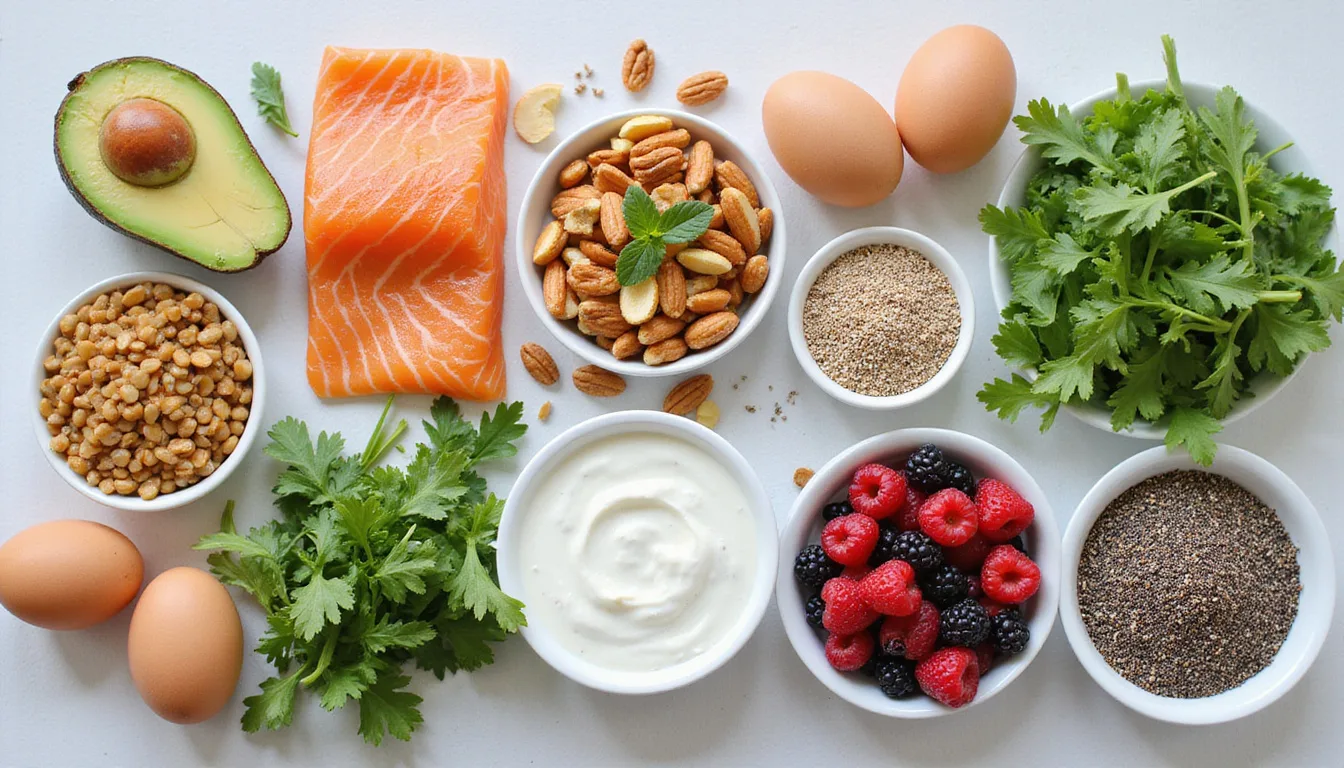
9 Simple Foods to Keep Blood Sugar Steady
These foods are easy to get and mix well with your meals. They are not magic nor a cure, but they build a strong base for a low insulin diet.
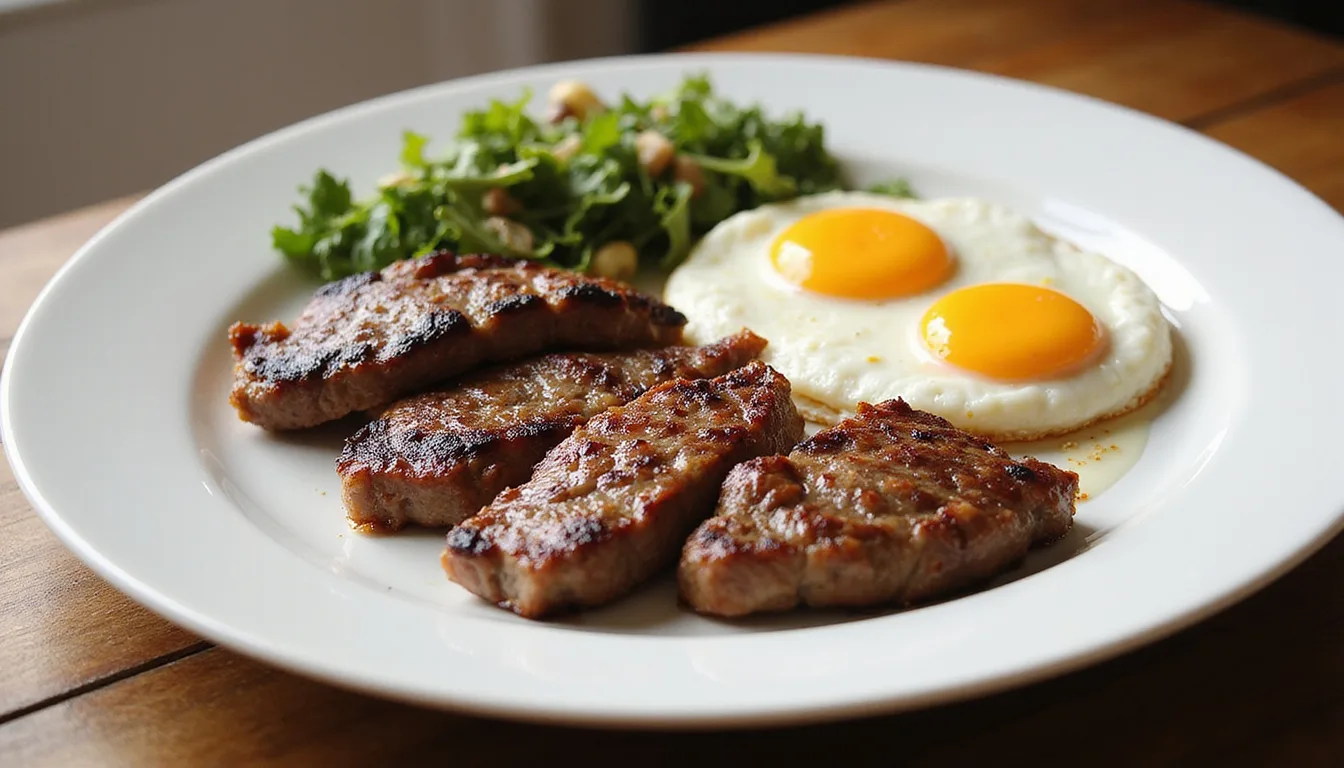
1. Eggs: A Protein-Filled Start
Eggs work well for a low insulin plan, especially at the start of the day.
Why they work:
• They hold very few carbs
• They give complete protein to keep hunger away
• They carry fat and vitamins like choline and B12
A high-carb breakfast (like sweet cereal and juice) can push insulin high. It may lead to a mid-morning drop and more cravings. Eggs keep that rise low.
How to use eggs:
• A veggie omelet with spinach, onions, and peppers
• Hard-boiled eggs with fresh veggies as a snack
• Scrambled eggs made with olive oil or avocado oil
Pair eggs with fiber (from vegetables, a few berries, or a slice of whole-grain toast) to keep blood sugar steady.
2. Leafy Greens: Fiber-Rich, Low-Carb, Big Help
Leafy greens top many healthy plans and work well in a low insulin diet.
Examples:
• Spinach
• Kale
• Swiss chard
• Arugula
• Romaine and mixed salad greens
Why they work:
• They bring almost no carbs or calories
• They give fiber, magnesium, and antioxidants
• They slow down digestion and sugar uptake
Ways to add leafy greens:
• Big salads with protein (like chicken, salmon, tofu, or eggs)
• A handful of spinach in scrambled eggs or a smoothie
• Sauté kale or chard with olive oil and garlic as a side
Fill half your plate with non-starchy greens to keep insulin small.
3. Fatty Fish: Protein with Omega-3 Fats
Fatty fish give high-quality protein and almost no carbs. They suit a low insulin meal plan.
Examples:
• Salmon
• Sardines
• Mackerel
• Herring
• Trout
Why they work:
• Protein meets good fats and slows food digestion
• Omega-3 fats care for your heart and may cut inflammation
• They fill you up and can cut later overeating
How to add fatty fish:
• Bake or grill salmon with roasted non-starchy vegetables
• Mash canned sardines or salmon with a bit of mustard or avocado on cucumber rounds
• Use tuna (mind mercury and use it in small amounts) with olive oil and herbs
Try for 2–3 servings of fatty fish each week.
4. Greek Yogurt: The Protein-Rich, Flexible Food
Unsweetened Greek yogurt teams protein and fat in a low-sugar pack.
Why it fits a low insulin diet:
• It has more protein and less sugar than regular yogurt
• Protein slows down sugar rise when it meets fruit or oats
• It has live cultures that may help your gut and body process food
Choose:
• Plain, unsweetened full-fat or 2% Greek yogurt
• Stay away from sweetened kinds loaded with added sugar
Serving ideas:
• A bowl with Greek yogurt, a few berries, nuts, and a dash of cinnamon
• A savory bowl linked with cucumber, olive oil, and herbs for dipping veggies
• Use it to make salad dressings in place of pre-made, sweet forms
Add whole fruit when you want sweetness, not syrups or extra sugar.
5. Berries: A Low-Sugar, Fiber-Full Fruit
Fruit is welcome in a low insulin diet. Some choices work better than others. Berries stand out.
Examples:
• Blueberries
• Strawberries
• Raspberries
• Blackberries
Why they work:
• They hold less sugar than fruits like mango or pineapple
• They supply fiber and antioxidants
• Pairing berries with protein or fat makes a soft sugar rise
How to enjoy berries:
• Mix them in Greek yogurt or cottage cheese
• Have them as a side with eggs instead of juice or toast
• Top them with chopped nuts as a light treat
Berries satisfy a sweet need while keeping blood sugar calm.
6. Nuts and Seeds: Fat, Fiber, and Crunch
Nuts and seeds pack nutrients, carry few carbs in a serving, and help slow a quick sugar rise.
Examples:
• Almonds
• Walnuts
• Pistachios
• Chia seeds
• Flaxseeds
• Pumpkin seeds
Why they work:
• They provide healthy fat and fiber
• They carry some protein
• They hold few net carbs in small amounts
Ways to use them:
• Eat a small handful as a mid-day boost
• Add ground flaxseed or chia seeds to Greek yogurt, a smoothie, or oatmeal
• Sprinkle pumpkin seeds on salads or cooked vegetables
Keep portions small, roughly a one-ounce handful.
7. Beans and Lentils: Slow Carbs That Last
Beans and lentils bring carbs that digest slowly. They pack fiber and protein. They work within a low insulin plan if you mind your portions.
Examples:
• Black beans
• Chickpeas
• Lentils (green, brown, or red)
• Kidney beans
Why they work:
• Their fiber slows the sugar rise
• Protein further calms the sugar curve
• They fill you up and may stop overeating
How to add them:
• Try a lentil soup full of veggies
• Mix black beans into a salad or bowl (skip or limit high-carb sides)
• A chickpea salad with olive oil, lemon, cucumber, and herbs
Start with about ½ cup cooked to see your body’s reaction.
8. Avocado: Fat and Fiber to Balance Your Plate
Avocado holds almost only fat and fiber. It has little sugar or starch.
Why avocado works:
• It gives heart-healthy fat
• It is rich in fiber to slow digestion
• It keeps you full and cuts extra snacking
Simple ways to add avocado:
• Slice it on eggs or over a salad
• Mash it into a dip with cucumber, peppers, or celery
• Blend a bit into a smoothie to make it creamy without extra sugar
Since it carries many calories, use about ¼–½ an avocado at a meal unless you need more energy.
9. Non-Starchy Vegetables: The Base of Every Meal
Non-starchy vegetables are perhaps the key part in a low insulin diet. They are:
• Low in both carbs and calories
• Rich in fiber, vitamins, and minerals
• Filling even in small amounts
Examples:
• Broccoli, cauliflower, Brussels sprouts
• Zucchini, eggplant, bell peppers
• Asparagus, green beans, mushrooms, onions
Why they work:
• They add bulk without pushing up blood sugar
• They supply needed nutrients for overall body health
• They replace higher-carb options with gentle choices
How to build meals:
• Fill half your plate with these vegetables
• Roast a mix of them at the start of the week
• Use lettuce leaves in place of bread or tortillas when you can
This change—more veggies and fewer refined carbs—may drop your insulin work.
Putting It Together: Building a Low Insulin Plate
It is one thing to know which foods help a low insulin diet. It is another to turn these foods into your meals.
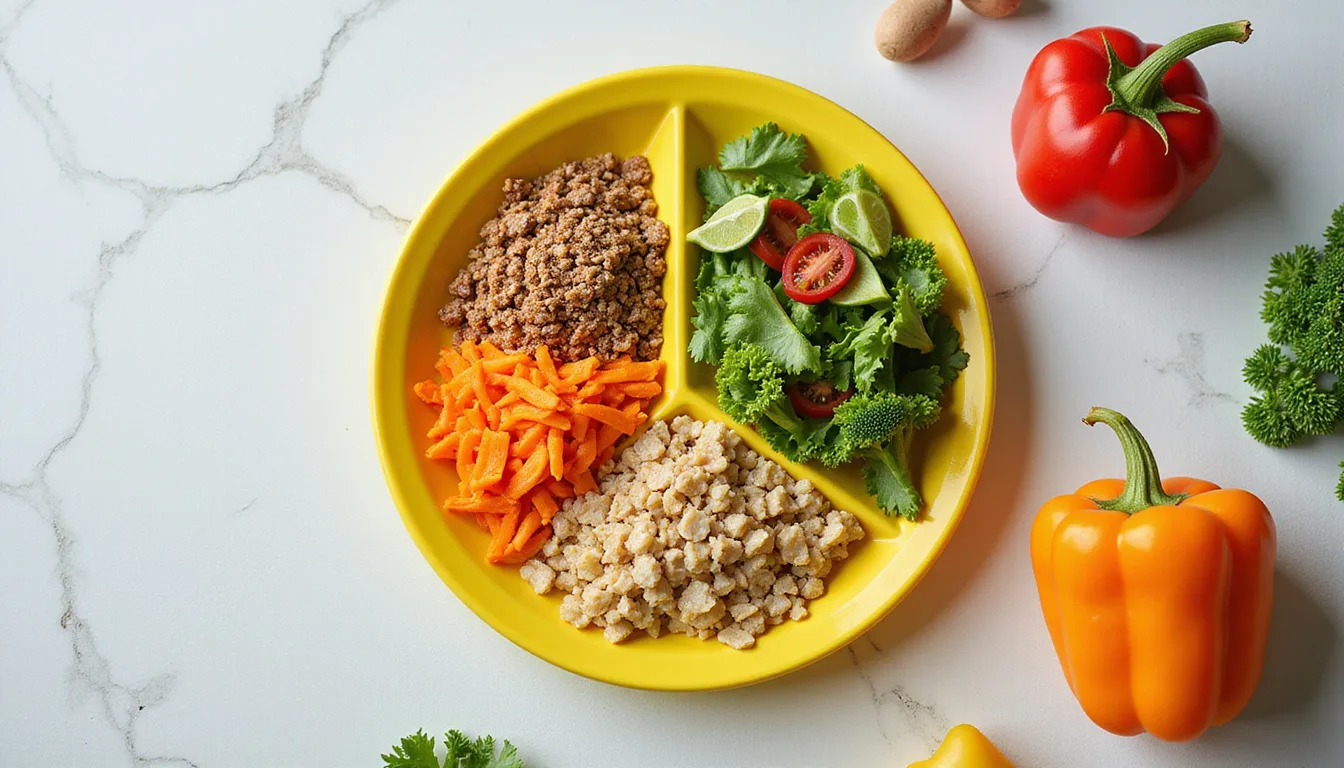
A simple rule:
• ½ plate: Non-starchy vegetables (like leafy greens, broccoli, or peppers)
• ¼ plate: Protein (such as eggs, fish, chicken, tofu, Greek yogurt, or beans and lentils)
• ¼ plate: Slow, fiber-rich carbs (beans, lentils, or small portions of whole grains or starchy vegetables)
• Add: Healthy fat (from olive oil, avocado, nuts, or seeds)
Example Daily Low Insulin Menu
Breakfast
• Scrambled eggs cooked in olive oil
• Sautéed spinach and mushrooms
• A small side of berries
Lunch
• A large salad with mixed greens, cucumber, bell peppers, and cherry tomatoes
• Grilled salmon or chicken
• A dressing made with olive oil, lemon, and herbs
• A sprinkle of pumpkin seeds
Snack
• Greek yogurt with a few walnuts and a pinch of cinnamon
Dinner
• Baked chicken thighs or tofu
• Roasted broccoli and cauliflower
• ½ cup of lentils with herbs and olive oil
• Sliced avocado on the side
This eating style feels good and works to keep your blood sugar steady.
Simple Tips for a Low Insulin Diet
Along with the 9 key foods, keep these hints in mind:
• Do not drink extra sugar. Replace juice, soda, or sweet coffee with water, sparkling water, or unsweetened tea.
• Limit refined carbs. Foods like white bread, pastries, candy, and many packaged snacks push blood sugar high.
• Pair carbs with protein, fat, and fiber. Do not eat bread, pasta, or fruit alone; mix them up.
• Mind your portions of grains and starchy foods. Choose small servings of whole grains or root vegetables if you have insulin issues.
• Stick to regular meals instead of constant snacking. Let several hours pass so your insulin can go back toward normal.
These steps, set on top of the 9 key food groups, may help you keep a low insulin diet over time.
FAQ: Low Insulin Diet and Blood Sugar
-
What is the best low insulin diet for weight loss?
A good plan uses whole foods, lean proteins, lots of non-starchy vegetables, healthy fats, and small portions of slow carbs. Many find a Mediterranean-style plan works well. It includes fish, olive oil, nuts, legumes, and many vegetables while cutting back on sugar and refined grains. The aim is moderate calorie intake and steady blood sugar, not extreme carb cuts. -
Which foods should I skip on a low insulin plan?
Skip sweet drinks, candy, white bread, pastries, many breakfast cereals, and most ultra-processed snacks such as chips. These items digest quickly, spike blood sugar, and need more insulin. Instead, use the 9 steadying foods: eggs, leafy greens, fatty fish, Greek yogurt, berries, nuts and seeds, beans and lentils, avocado, and non-starchy vegetables. -
Can a low insulin diet help with insulin resistance and prediabetes?
Yes, many report improved insulin sensitivity, steady weight loss, and lower blood sugar over time. Paired with physical activity, good sleep, and stress control, this approach works well. If you have prediabetes, diabetes, or take medications for blood sugar, ask your healthcare provider before major changes.
Take the Next Step Toward More Steady Energy
You do not need rare ingredients or strict rules to build a low insulin diet. When you center meals on these 9 simple foods—eggs, leafy greens, fatty fish, Greek yogurt, berries, nuts and seeds, beans and lentils, avocado, and non-starchy vegetables—you smooth out blood sugar swings, cut cravings, and work for long-term health.
Try one small change this week: swap a sweet, high-carb breakfast for a protein-rich, fiber-filled plate or replace a processed snack with nuts and berries. Step by step, you will build an eating plan that works with your body.
If you are set to keep your blood sugar steady, gain even energy, and care for your long-term health, choose one meal today and rebuild it using the low insulin diet ideas you have read. Your future self will thank you.
[center]Always consult with your doctor prior to making drastic diet changes.[/center]
[center]As an Amazon Affiliate, Savvy Keto makes a small commision (at no extra cost to you) on any purchases you make thru affiliated links you click on.[/center]