Your blood sugar moves up and down when you eat. These changes affect your energy, hunger, weight, mood, and health over time. You do not need a crash diet or special monitor to work on it. Use a few simple food and habit swaps. These swaps can keep your blood sugar swings small while you still enjoy your meals.
This guide gives you easy, science-backed tips to smooth your blood sugar response. Use these ideas today to feel steady through the day.
What is glycemic response (and why it matters)

Your glycemic response shows the change in blood sugar after you eat or drink carbs. When you eat carbs, your body turns them into sugar that moves into your blood. Your pancreas then makes insulin to help move the sugar into your cells.
When this flow is smooth, your blood sugar goes up a little and falls gently. When it is rough, you may see:
• A fast spike in blood sugar
• A sharp drop causing tiredness, hunger, or frustration
• Strong cravings for sweets or refined carbs
Over time, such swings can lead to:
• Insulin resistance
• Type 2 diabetes
• Increased hunger and weight gain
• Inflammation and heart risk (source: CDC)
The goal is not to avoid all carbs. It is to learn how to keep your blood sugar curve flatter so that your energy and hunger remain stable.
Hack #1: Switch plain carbs for paired carbs
Plain carbs appear alone – with no protein, fat, or fiber. Think of:
• A bagel without extras
• White toast with jam
• A lone banana
• A glass of juice
These foods hit your blood fast and hard.
Swap them by adding protein, fat, or fiber with your carbs. This mix slows digestion and softens the rise in blood sugar.
Examples:
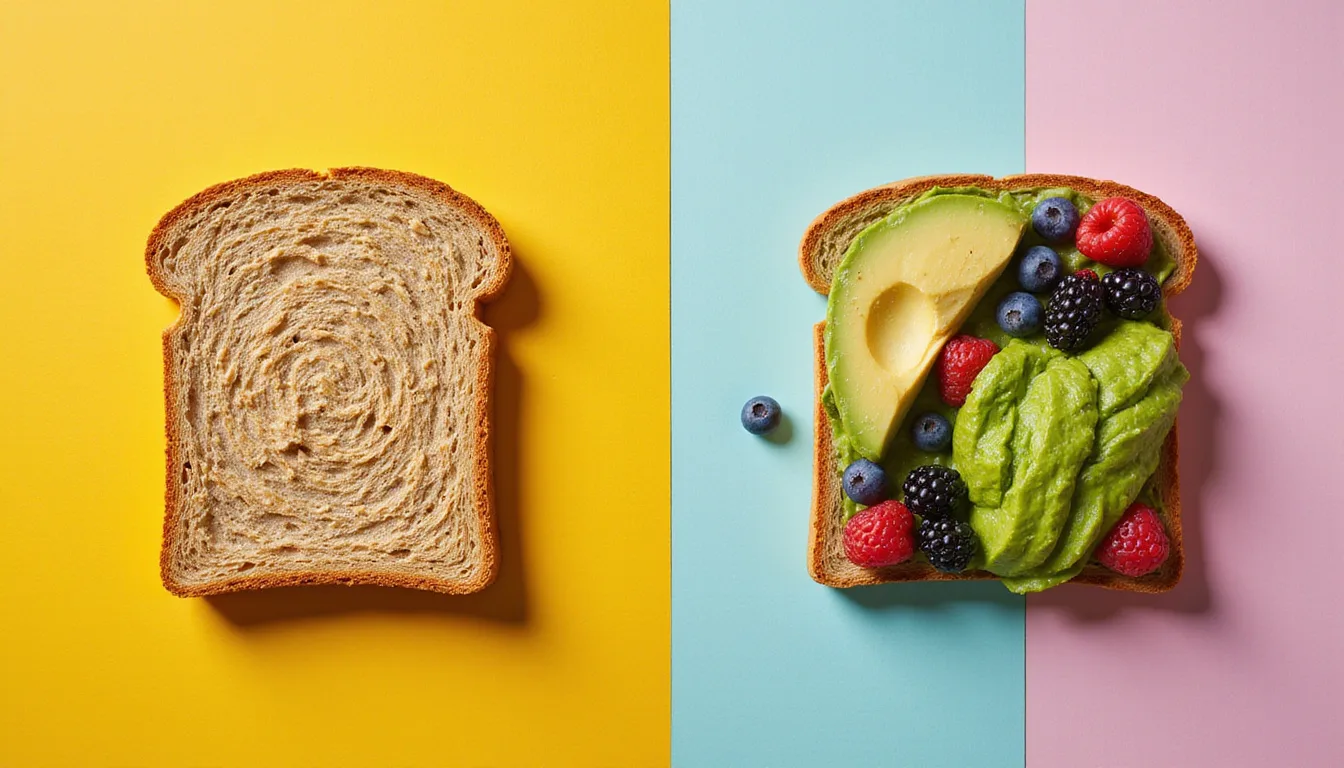
• Plain toast → Whole-grain toast with peanut butter or mashed avocado
• Solo banana → Banana with nuts or Greek yogurt
• Plain pasta → Pasta with chicken or beans, veggies, and a drizzle of olive oil
Ask at each meal: “Is there protein, fiber, or fat here with my carbs?” If you see only carbs, add one of the other three.
Hack #2: Change the order of eating
One strong tool to aid your blood sugar is meal sequencing—the order in which you eat your food.
Studies suggest that eating fiber, protein, and fat first can trim post-meal blood sugar spikes (source: BMJ Open Diabetes Research & Care).
How to do this:
- Begin with vegetables or salad (lots of fiber)
- Follow with protein and healthy fats (chicken, fish, tofu, eggs, beans, nuts, olive oil)
- End with starches and sugars (rice, bread, pasta, dessert)
Example:
• Instead of: Bread, then pasta, then quick salad bites
• Try: Salad with olive oil, then chicken or fish, then pasta, then a small dessert if you wish
This change does not mean you eat less. It just reshuffles the order to keep your blood sugar smoother.
Hack #3: Switch refined grains for whole carbs
You do not need to cut out carbs. You need to choose better carbs.
Refined carbs such as white flour, white rice, and many packaged snacks lose much of their fiber. These can raise your blood sugar quickly.
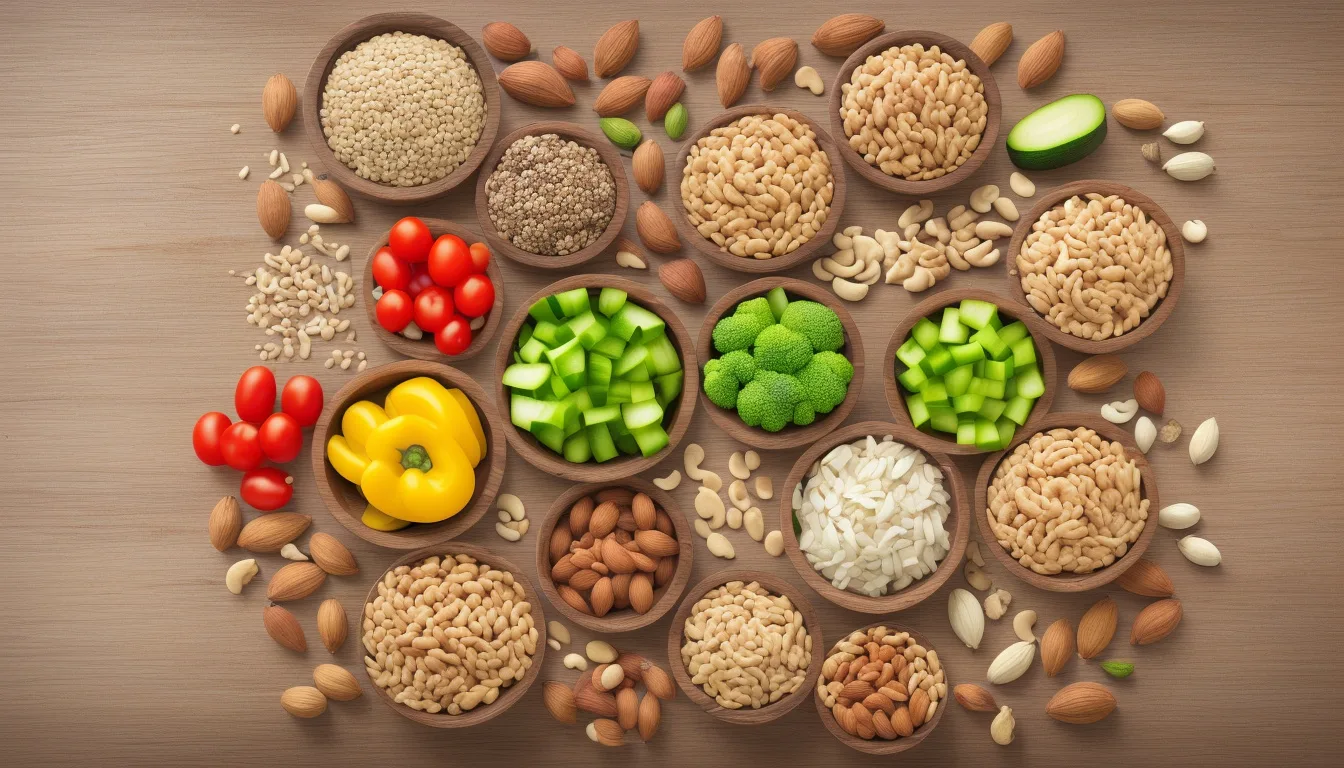
Switch to whole, less processed carbs by choosing:
• 100% whole-grain or sprouted bread instead of white bread
• Whole-wheat, chickpea, or lentil pasta instead of regular pasta
• Brown rice, wild rice, quinoa, or barley instead of white rice
• Oats with nuts and berries instead of sugary cereal
When you check labels, look for:
• At least 3 g of fiber per serving
• The words “whole grain” or the specific grain as the first ingredient
• Few or no sugars among the first few ingredients
Hack #4: Replace sugary drinks with calmer sips
Liquid sugar can hit your blood fast. Soda, sweetened tea, energy drinks, fancy coffee drinks, and even juice can push your blood sugar high.
Replace these drinks with ones that impact your blood sugar less. Try:
• Water with lemon, cucumber, or berries
• Unsweetened iced tea (herbal, green, or black)
• Sparkling water with a bit of real juice
• Coffee with extra milk or cream and less added syrup
• Ask in coffee shops for “half the pumps” of syrup
If you enjoy juice, please drink a small glass with a meal. Better yet, eat the whole fruit to get fiber with the natural sugar.
Hack #5: Rethink dessert timing
You do not have to remove all sweets to help your blood sugar response. When you eat them matters a lot.
Dessert on an empty stomach makes your blood sugar spike. Eating dessert right after a mixed meal (with protein, fat, and fiber) leads to a smaller rise.
Smart dessert tips:
• Have dessert after a meal; do not choose it as a snack
• Share sweets or choose a small portion
• Opt for fruit-based sweets (like baked apples or berries with yogurt)
• Add a source of fat or protein: try dark chocolate with nuts, or fruit with Greek yogurt
This way, you still enjoy sweets and keep your blood sugar level steadier.
Hack #6: Replace sitting after meals with light movement
Food is not the only way to influence your blood sugar. Your muscles help by using sugar for energy.
Even a short move after eating can help lower post-meal blood sugar.
Switch sitting with 5–15 minutes of gentle movement. Ideas include:
• A quick walk around the block after lunch or dinner
• Light housework such as doing dishes, tidying up, or folding laundry
• Walking during phone calls
• Small step-ups on a low step while you watch TV
Aim for roughly 10 minutes of light movement within an hour after eating. Small bursts count, and regular activity makes a big change.
Hack #7: Rethink breakfast for balance
Breakfast starts the day and sets up your blood sugar response. A breakfast high in sugar or simple carbs can lead to:
• A large spike in blood sugar
• A crash mid-morning
• Strong cravings later
Switch to a breakfast that focuses on protein and fiber. Aim to include 20–30 g of protein and some fiber in your first meal.
Examples:
• Greek yogurt with berries and nuts or seeds
• Scrambled eggs with cooked veggies and a slice of whole-grain toast
• A tofu scramble with avocado and salsa
• Oatmeal with milk, topped with chia seeds, nuts, and some fruit
• Cottage cheese with sliced fruit and a sprinkle of flaxseeds
If you favor a sweet breakfast like pancakes or pastries, you might:
• Eat eggs or yogurt first
• Add berries or seeds for fiber
• Use less syrup or sugar on the side
Hack #8: Switch all-or-nothing thoughts for small, steady steps
Many feel that you need a complete lifestyle change to work on your blood sugar response. This idea can add stress and lead to burnout.
In truth, small, regular changes can bring big rewards over time.
Think small steps instead of total change. For example:
• Rather than saying, “I will never eat bread again,” say, “I will choose whole-grain bread most times and add protein with it.”
• Rather than saying, “I must cut out all sugar right away,” say, “I will limit sugary drinks and take sweets after a meal.”
Pick 1 or 2 hacks from this guide and focus on them for one week. When these changes feel normal, add another.
Hack #9: Replace eating on autopilot with simple awareness
You do not need to track every carb. Instead, watch how food affects your energy and hunger. This awareness helps you build meals that work for your body.
Try these practices:
• Review how you feel 1–2 hours after a meal:
– Do you feel awake or drowsy?
– Do you feel calm or too wired?
– Does your hunger stay low or rise fast?
• Notice patterns:
– “I get hungry quickly when I have cereal and juice.”
– “I feel steady till lunch when I have eggs and veggies.”
Then adjust your meals by, for instance, adding more protein when you feel hungry soon after eating. Add more fiber if your meal seems light. Change your portion size of starches until you feel good.
Your own experience is a key sign of how your body handles sugar.
Hack #10: Shift focus from strict diets to steady health
Finally, try seeing your goal differently. Instead of thinking only of weight and strict dieting, focus on how you feel and on steady health. Look for signs like:
• More even energy
• Fewer crashes and urgent hunger
• Better mood and focus
• A lower risk of diabetes and heart issues
When your blood sugar response settles, these benefits often come next—even before your weight changes.
One-week “gentle glycemic reset” plan
Here is a simple plan for one week to see how these swaps work for you. Do not count every calorie or carb. Instead, follow some clear patterns.
Daily anchors
Aim to:
• Include protein, fiber, and healthy fat in every meal
• Move lightly for 5–15 minutes after at least one meal
• Drink mainly water, coffee, or tea with little or no sugar
Example day
Breakfast
• Veggie omelet with spinach, peppers, and onions
• Whole-grain toast with mashed avocado
• Coffee or tea, with little or no sweetener
Lunch
• A large salad with mixed greens, chickpeas or grilled chicken, veggies, and seeds, drizzled with olive oil–based dressing
• (Optional) A small side of whole-grain bread or quinoa
Snack (if needed)
• Apple slices with peanut butter
or
• Greek yogurt with a few nuts
Dinner
• Baked salmon or tofu
• Roasted vegetables
• A moderate portion of brown rice or sweet potato
Dessert (optional)
• Berries with whipped cream or yogurt
or
• A small dessert shared with a friend, eaten after dinner
Even a few days of this plan can show you how much your blood sugar response affects energy, hunger, and mood.
FAQ: Common questions about glycemic response
-
What is a normal glycemic response to food?
A normal response means that your blood sugar rises moderately and goes back to its usual range within 2–3 hours. You usually feel satisfied, have steady energy, and do not get extremely hungry right away. If you feel very tired, jittery, or very hungry after eating, your blood sugar changes may be too high or too low. -
How can I improve my glycemic response without a strict diet?
Simple habit changes can help your blood sugar. Try:
• Eating protein, fat, and fiber with each carb
• Choosing whole or less processed carbs when you can
• Moving lightly after meals
• Enjoying sweets after a balanced meal instead of on an empty stomach
• Starting your day with a high-protein, high-fiber breakfast
These steps work without the need to count calories or carbs.
- Is glycemic response only important for people with diabetes?
No. Your blood sugar shifts matter for everyone. A smoother response can help you enjoy more even energy, clearer thinking, fewer mood swings, and less over-eating. For those with diabetes or prediabetes, these habits become even more valuable. Always talk with your healthcare provider to see what works best for you.
Ready to smooth out your blood sugar spikes?
You do not need perfection, a special device, or a strict meal plan to work on your blood sugar. Start with a couple of simple swaps:
• Pair your carbs with protein, fat, and fiber
• Eat veggies and protein before starches and sweets
• Take a short walk after one meal each day
Then, add in choices like better whole grains, smarter drinks, and balanced breakfasts. Every small change helps keep your blood sugar steadier. This steady blood sugar can bring better energy, mood, and hunger levels.
Pick one hack from this guide for your next meal. Notice how you feel in the hours that follow. Your own body gives the best hints on how to keep those blood sugar spikes low.
[center]Always consult with your doctor prior to making drastic diet changes.[/center]
[center]As an Amazon Affiliate, Savvy Keto makes a small commision (at no extra cost to you) on any purchases you make thru affiliated links you click on.[/center]