Low Carb Nutrition Secrets: Boost Energy, Crush Cravings, Lose Weight
Low carb nutrition stays very popular. This way of eating helps even out energy, cuts cravings, and makes fat loss seem less hard than just “eat less, move more.” Many ideas about low carb eating are wrong. Some make people feel tired, denied, or stuck in a weight loss rut.
This guide shows how low carb nutrition really works. It explains the science and gives you steps to use it in your life so you see lasting change without feeling awful.
What Is Low Carb Nutrition, Really?

Low carb nutrition cuts down on carbohydrates, especially refined ones and sugars. It focuses on protein, good fats, and non-starchy vegetables.
Instead of centering meals on bread, pasta, rice, and sweets, you build them around:
- High-quality proteins (meat, fish, eggs, dairy, tofu, tempeh)
- Good fats (olive oil, avocado, nuts, seeds)
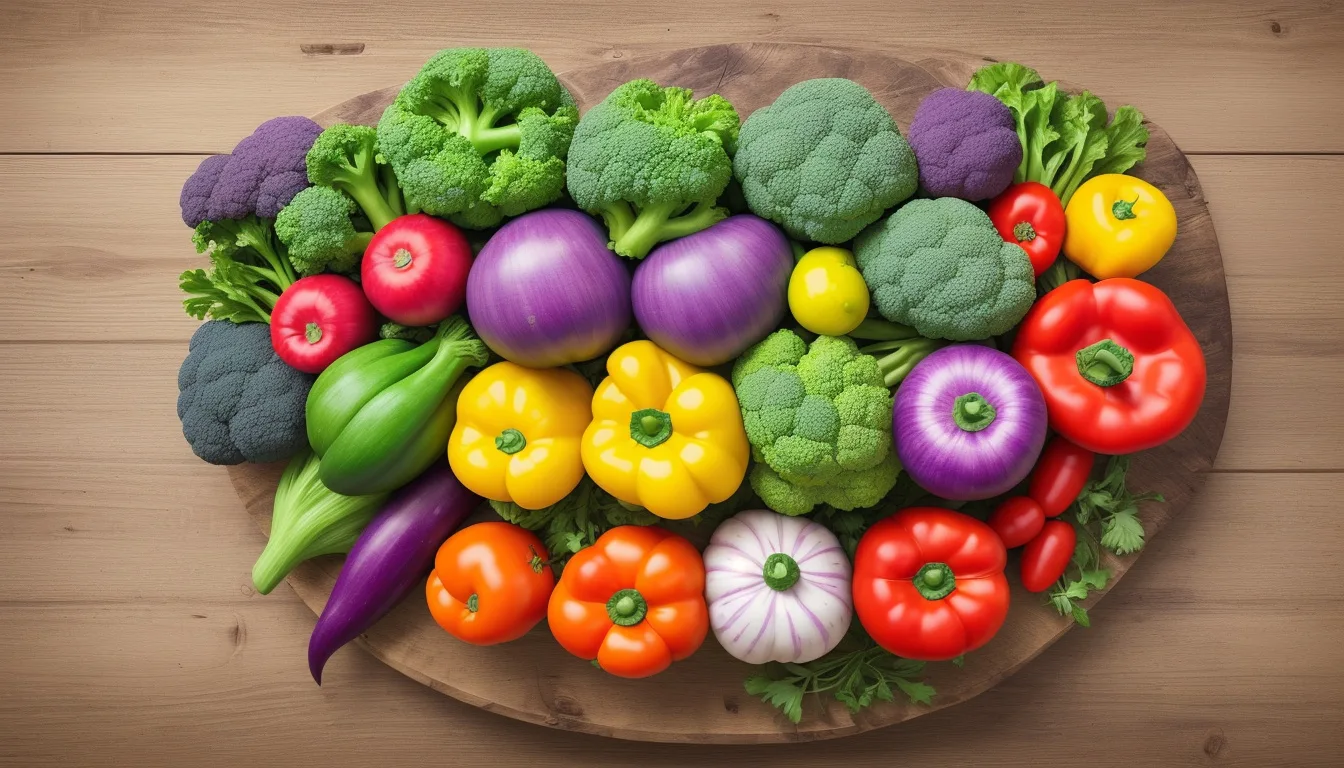
- Low-carb vegetables (leafy greens, broccoli, cauliflower, peppers, zucchini)
There is no single carb number. Most people fall into these ranges:
- Moderate low carb: 75–150 g net carbs per day
- Low carb: 25–75 g net carbs per day
- Very low carb / keto: 20–30 g net carbs per day or less
Net carbs equal total carbohydrates minus fiber and sugar alcohols. The right level depends on your goals, your daily activity, and your body.
How Low Carb Nutrition Boosts Your Energy
Many assume you need carbs for energy. Unsteady blood sugar can tire you and cloud your mind. Here is how low carb nutrition helps:
1. More Stable Blood Sugar, Less Energy Crash
High-carb meals, especially with refined grains and sugar, lift blood sugar high and then drop it fast. The body sends insulin to move the sugar inside cells. This causes a quick rise and fall of energy.
When you cut carbs and add more protein and fats:
- Blood sugar goes up slowly
- Insulin stays steadier
- You avoid crashes mid-morning and mid-afternoon
Over days and weeks, you may get:
- Clearer focus
- Fewer nap needs
- More steady strength
2. Better Fat Adaptation = More Reliable Fuel
Low carb nutrition helps your body use stored fat and fat from food as fuel.
At first, your body may still need carbs. But when carb intake stays low, your system shifts so you:
- Burn fat like a main fuel at rest
- Depend less on quick carb snacks
- Use fat stores as a lasting supply of energy
Many people say their energy feels more even once they adjust to low carb eating.
Why Low Carb Nutrition Crushes Cravings
A key benefit is how it keeps hunger in check. A good eating plan should naturally lower cravings.
1. Protein and Fat Keep You Satisfied
Protein and fat set off signals in the body that help you feel full. When meals are rich in these, you:
- Stay full longer
- Keep blood sugar steady
- Think less about the next snack
In contrast, high-carb meals digest fast and leave you wanting more.
2. Stable Blood Sugar Brings Less Sweet Urge
Carbs like sugar and refined flour create a cycle:
- You eat a sugary or starchy food.
- Blood sugar and dopamine rise quickly.
- Energy falls; you feel tired and irritable.
- You want more sugar to feel better.
A low carb plan cuts down these spikes. Over time, you may notice:
- Sweet foods taste very strong
- Junk food cravings drop
- You stop after a single small treat
3. Better Control of Hunger Hormones
Insulin and leptin affect hunger and weight:
- High insulin from many carbs can boost fat storage and hunger.
- Leptin may not work well if the body feels starved even when fat is stored.
Studies show that a lower carb intake can help the body use these signals better. In short, you get steadier hunger cues.
How Low Carb Nutrition Supports Weight Loss
Low carb nutrition does not make calories unimportant. It shapes your hunger and hormones to help you eat less without trying hard.
Mechanism 1: Lower Insulin, Easier Fat Burning
Insulin moves nutrients into cells. When insulin stays high too long:
- Your body tends to store fat
- It becomes hard to burn stored fat
Cutting carbs usually lowers insulin. This helps you:
- Use fat stores for energy
- Reduce extra water in the body
- Change body shape over time
Mechanism 2: Natural Calorie Reduction
Many people eat less on a low carb plan because:
- Meals with protein and fat fill you up
- You do not snack as much
- Feelings driven by sugar drop
Research shows that low carb eaters often consume fewer calories without counting them.
Mechanism 3: Keeping Muscle While Losing Fat
A good low carb plan provides enough protein. When you get protein (around 0.7–1.0 grams per pound of desired body weight):
- You protect muscle
- Your resting energy stays higher
- You lose fat, not lean tissue
When you add strength training, you work to change body shape quickly.

Designing a Low Carb Nutrition Plan That Fits Your Life
Low carb meals can be tasty and fun. A solid plan uses food you enjoy, clear carb targets, and room to adjust.
Step 1: Choose Your Carb Level
Try these before you adjust by your needs:
-
For strong fat loss / insulin issues:
20–50 g net carbs/day
Keep to low-starch vegetables, little grains/fruit, and no sugar -
For moderate fat loss / active days:
50–100 g net carbs/day
Add more vegetables and some whole-food carbs like berries, beans, a bit of rice, or potatoes -
For keeping weight / high activity:
100–150 g net carbs/day
Still cut sugar and refined grains, but allow more whole-food starches
Step 2: Put Protein First
Build each meal around protein. A guide is:
- 20–40 g protein for a main meal
- 10–20 g protein for a snack (if needed)
Good low carb protein sources:
- Eggs (and egg whites)
- Chicken, turkey, lean beef, pork
- Fish and seafood
- Greek yogurt, cottage cheese
- Tofu, tempeh, seitan (for plant eaters)
- Protein powders (whey, casein, pea, soy)
Step 3: Add Healthy Fats for Fullness
Fats are important. Pick from:
- Olive oil or avocado oil
- Avocados
- Nuts and seeds (almonds, walnuts, chia, flax, pumpkin seeds)
- Nut butters (in small amounts)
- Fatty fish (salmon, mackerel, sardines)
These fats help you stay full and support body functions.
Step 4: Fill Your Plate with Low-Carb Vegetables
Let these cover half your plate:
- Leafy greens: spinach, kale, arugula, romaine
- Vegetables like broccoli, cauliflower, Brussels sprouts, cabbage
- Others: peppers, cucumbers, zucchini, asparagus, green beans, mushrooms
They bring fiber, vitamins, and bulk with little effect on blood sugar.
A Sample Day of Low Carb Nutrition (≈50–80 g Net Carbs)
Use this plan as a guide, not a strict rule.
Breakfast
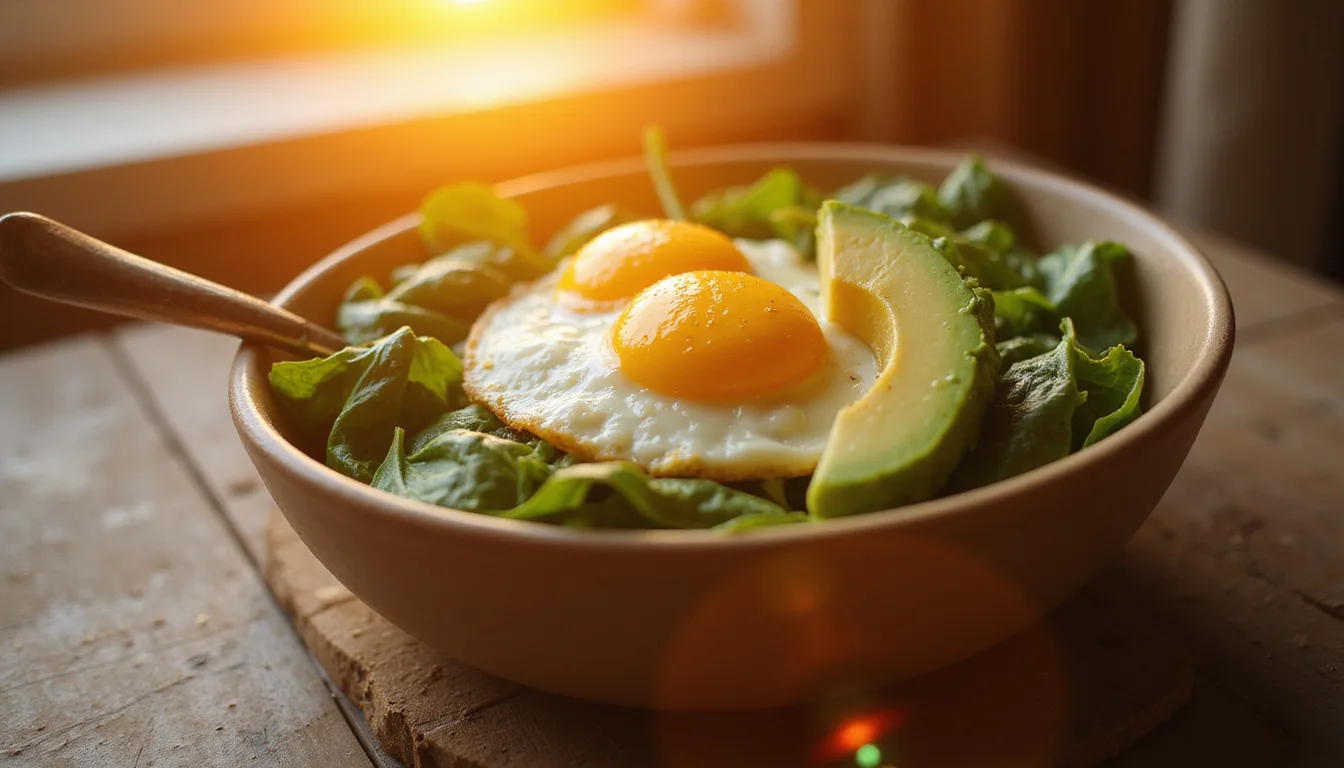
- Omelet with 3 eggs, spinach, mushrooms, and cheese
- ½ avocado
- Black coffee or tea
Lunch
- Grilled chicken salad with mixed greens, cherry tomatoes, cucumber, olives
- Olive oil and vinegar mix
- Sparkling water
Snack (optional)
- Greek yogurt (plain, full-fat or 2%) with a few berries and chia seeds
Dinner
- Baked salmon with lemon and herbs
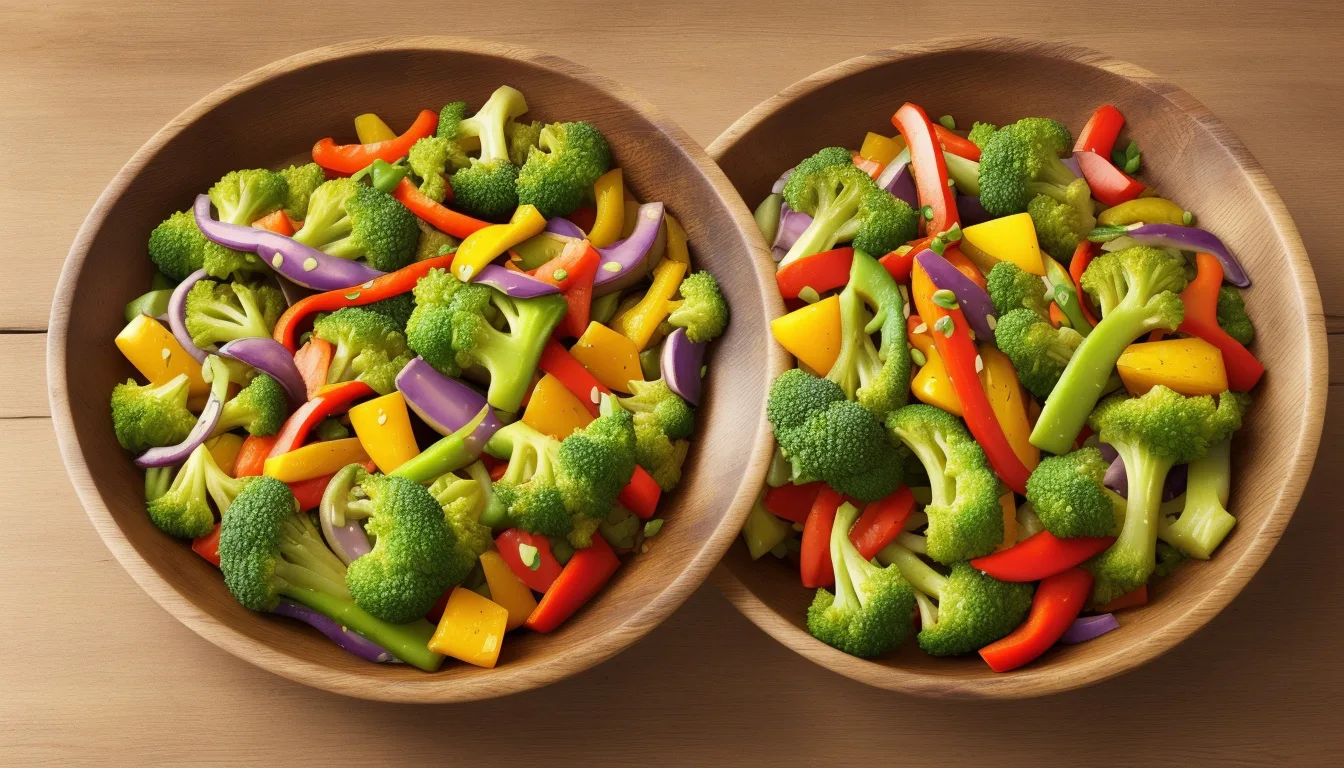
- Roasted broccoli and cauliflower with olive oil
- Side salad with olive oil mix
Evening (if needed)
- A small handful of almonds or walnuts
This day has plenty of protein, good fats, fiber, and stays low on sugar and refined carbs.
Common Low Carb Nutrition Mistakes (and How to Avoid Them)
Even a smart plan can go wrong if you fall for common traps. Watch out for these:
-
Cutting Carbs and Also Dropping Protein Too Low
- You may feel weak, hungry, and lose muscle.
- Fix: Build every meal around a solid protein source.
-
Worrying About All Fats
- Low carb without fats might leave you unsatisfied and tired.
- Fix: Use good fats. Stay away from deep-fried and very processed oils.
-
Not Getting Enough Salt, Minerals, and Water
- Lower insulin makes your body flush out more salt and water. You might feel flu-like symptoms.
- Fix: Drink water, add salt to your food, and eat veggies and nuts rich in potassium and magnesium, or see a doctor about supplements.
-
All or Nothing Thinking
- One meal that is high in carbs is not a complete setback.
- Fix: See low carb as a long way of life. Use the next meal as a fresh start.
-
Ignoring Fiber and Vegetables
- You could miss out on gut health and feel more sluggish.
- Fix: Treat low-carb vegetables as a daily must.
Who Benefits Most from Low Carb Nutrition?
Low carb nutrition is one good way to eat. It can help many people, such as:
-
People with insulin resistance, prediabetes, or type 2 diabetes
Many see better blood sugar control and may reduce medication with a doctor’s advice. -
Those who need to lose fat, especially around the belly
Low-carb plans often work well for this kind of fat loss. -
People who face strong sugar and carb cravings
Cutting high sugar foods may break a cycle of constant cravings. -
Those with less active lifestyles
They do not need many carbs to support their day.
Always talk to a health expert if you have serious medical needs.
Low Carb Nutrition and Exercise
You do not need many carbs to exercise well. Your needs change with the type of exercise.
-
Low to moderate intensity (like walking, light jogging, or casual cycling):
Low carb eating works well. Fat becomes a main fuel. -
Strength training:
Low carb works fine here. Getting enough protein is key. -
High-intensity or endurance sports:
Some athletes do well with low carb once their body adapts. Others may use a plan that adds 20–40 g carbs before hard workouts or adjusts their carbs around training days.
Try different plans and note how you feel and perform.
Practical Tips for Living a Low Carb Lifestyle
A plan works best when it fits your life. These ideas make low carb eating doable over time:
1. Plan 3–5 Reliable Meals
Keep a short list of meals you enjoy and can make easily. For example:
- Scrambled eggs with veggies and cheese
- Burger without a bun with a salad
- Oven-baked chicken with veggies
- A stir-fry of meat or tofu and low-carb veggies
- A bowl of Greek yogurt with nuts and seeds
2. Keep Low-Carb Snacks Close
To avoid fast food and vending machines, store:
- Hard-boiled eggs
- String cheese or cheese slices
- Nuts and seeds
- Pre-cut veggies with a bit of dip (watch the carbs)
- Beef jerky or meat sticks (check for extra sugar)
3. Read Food Labels
When you shop for food:
- Look at total carbs and fiber to work out net carbs
- Avoid foods with extra sugars or syrups
- Stay away from long lists of refined starches and seed oils
4. Choose Smart Substitutes
You can keep the food you like with small swaps:
- Swap cauliflower rice for white rice
- Use zucchini noodles instead of pasta
- Try lettuce wraps instead of tortillas or buns
- Use almond or coconut flour instead of wheat flour when baking sometimes
5. Be Smart When Eating Out
- Pick grilled meats, fish, salads, and vegetables
- Swap fries or rice for extra veggies or a salad
- Ask to have sauces and dressings on the side (many have enough sugar)
- Skip the bread basket and often the dessert
Quick Checklist: Are You Doing Low Carb Nutrition Right?
Use this list to see how well you follow your plan:
- [ ] I know my daily carb target.
- [ ] Each meal has a solid protein source.
- [ ] I eat non-starchy vegetables every day.
- [ ] I use good fats to feel full instead of avoiding all fat.
- [ ] I drink plenty of water and get enough salt and minerals.
- [ ] I feel steady in energy through most of the day.
- [ ] My cravings decrease with time.
- [ ] My weight, measurements, or the way my clothes fit improve over weeks.
If you mark off few items, try changing one or two parts of your plan and see what happens.
FAQ: Low Carb Nutrition
1. How many carbs count as low carb nutrition for weight loss?
For many adults, 25–100 g net carbs per day works as low carb nutrition. Around 20–50 g is more strict for fat loss and better blood sugar control, while 50–100 g fits active people or those who want more options. Choose the range that you can hold over time with progress.
2. Is low carbohydrate nutrition safe in the long run?
For most healthy people, a low carb plan that includes plenty of vegetables, enough protein, and good fats is safe for a long time. Do not rely too much on processed meats. Make sure you get enough fiber, vitamins, and salt/minerals. If you have medical issues, talk with your doctor.
3. Can low carb nutrition work if I am vegetarian or vegan?
Yes, you can use low carb nutrition if you are vegetarian or vegan. It just needs more planning. Aim for:
- Tofu, tempeh, or seitan (if you do not mind gluten)
- Eggs and dairy for vegetarians
- Protein-rich plant foods like edamame, hemp seeds, and some legumes (in small amounts)
- Nuts, seeds, and low-carb vegetables
You may end up with a moderate low carb plan instead of a strict one. This can still work well.
Low carb nutrition, when done well, is more than a quick diet. It forms a plan that brings steady energy, fewer cravings, and lasting fat loss. When you put protein, good fats, and plenty of vegetables first and cut out extra sugars and refined starches, your body works more smoothly.
If you are ready to feel less hungry and skip energy crashes, start by choosing a carb range that fits you, plan a week of simple low carb meals, and watch how your body reacts. Try it for 3–4 weeks and then check in on your progress.
You do not have to go it alone. Consider a nutrition coach or a structured low carb plan that fits your needs and tastes. Take your next step now—plan your first week of low carb nutrition, fill your kitchen with the right food, and let your results show.
[center]Always consult with your doctor prior to making drastic diet changes.[/center]
[center]As an Amazon Affiliate, Savvy Keto makes a small commision (at no extra cost to you) on any purchases you make thru affiliated links you click on.[/center]