Protein Snacks That Keep You Full and Build Lean Muscle
Protein snacks help you feel full between meals and aid lean muscle growth. They keep hunger low and energy up. This guide shows how protein snacks work, what to check on labels, and gives you ideas you can use at home, at work, or on the move.
Why Protein Snacks Work So Well for Hunger and Muscle
Protein fills you longer compared to carbs and fats. It tends to keep hunger low, cuts cravings, steadies blood sugar, and helps repair muscle after exercise.

Studies show high-protein diets can help control appetite and save lean mass as you lose fat (source: Harvard T.H. Chan School of Public Health).
When you pick snacks rich in protein, with moderate calories and little sugar, your body gains the building blocks it needs to repair muscle and keep hunger in check.
How Much Protein Should a Snack Have?
The amount depends on your size, goals, and activity level. A simple guideline is:
- 10–20 grams of protein per snack for most people
- 20–30 grams if you are larger, very active, or seeking to build more muscle
Think of your daily protein goal as the main aim. Use protein snacks as small meals that help you reach that goal without feeling too full.
What Makes a Good Protein Snack?
Protein snacks differ in how they serve your hunger and muscle support needs. Look for these points:
1. Adequate Protein
Aim for at least 8–10 grams. It is better to have 15+ grams from good sources like:
• Dairy (Greek yogurt, cottage cheese)
• Eggs
• Lean meats or fish
• Soy, lentils, chickpeas, beans
• Whey, casein, or plant protein powders
2. Controlled Sugar and Refined Carbs
Some snacks carry the “high-protein” tag but hide lots of sugar. Check for:
• More than about 8–10 grams of added sugar per serving
• Ingredients such as corn syrup, sugar, or rice syrup near the top
For steady energy and to keep hunger in check, pick snacks with little or no added sugar and a bit of fiber.
3. Reasonable Calories
Snacks usually come in the range of 150–250 calories. A higher calorie snack is fine when it replaces a meal or if you are very active, but frequent snacks high in calories can add up.
4. Good Satiety Mix
The best snacks mix:
• Protein as the main element
• Fiber from fruits, veggies, whole grains, legumes, or nuts
• Healthy fats from nuts, seeds, avocado, olive oil, or fatty fish
This mix slows digestion and helps you stay full while keeping hunger in balance.
High-Protein Snacks You Can Grab and Go
When you are busy, choose snacks that need little prep but still fill your hunger and support muscle. Here are some ideas:
Greek Yogurt Cups
• Protein: 12–20 g per serving (varies by brand)
Use plain or low-sugar yogurt. You can add berries, nuts, or a few oats to add fiber and vitamins.
Cottage Cheese
• Protein: 12–15 g per ½ cup
Pair it with pineapple, berries, or sliced cucumber and cherry tomatoes for a sweet or savory treat.
String Cheese or Cheese Sticks
• Protein: 6–8 g per stick
Pair with an apple, grapes, or whole-grain crackers for a balanced mini-meal.
Hard-Boiled Eggs
• Protein: About 6–7 g per egg
They also bring healthy fats and nutrients like choline. Two eggs with a piece of fruit make a filling snack.
Jerky (Beef, Turkey, or Salmon)
• Protein: 9–15 g per ounce
Choose snacks low in sugar and with minimal processing. They work well for travel or hikes.
Ready-to-Drink Protein Shakes
• Protein: 20–30 g per bottle
They are useful when you have little time. Check for lower sugar and ingredients your body accepts well.
Tofu Cubes or Edamame
• Protein: Approximately 8–10 g per ½ cup edamame; about 10 g per 3.5 oz tofu
Lightly salted edamame or marinated tofu cubes are easy to pack in a small container.
Simple High-Protein Snacks You Can Make at Home
Homemade snacks let you choose your ingredients and may save you money. Here are some easy, changeable ideas:
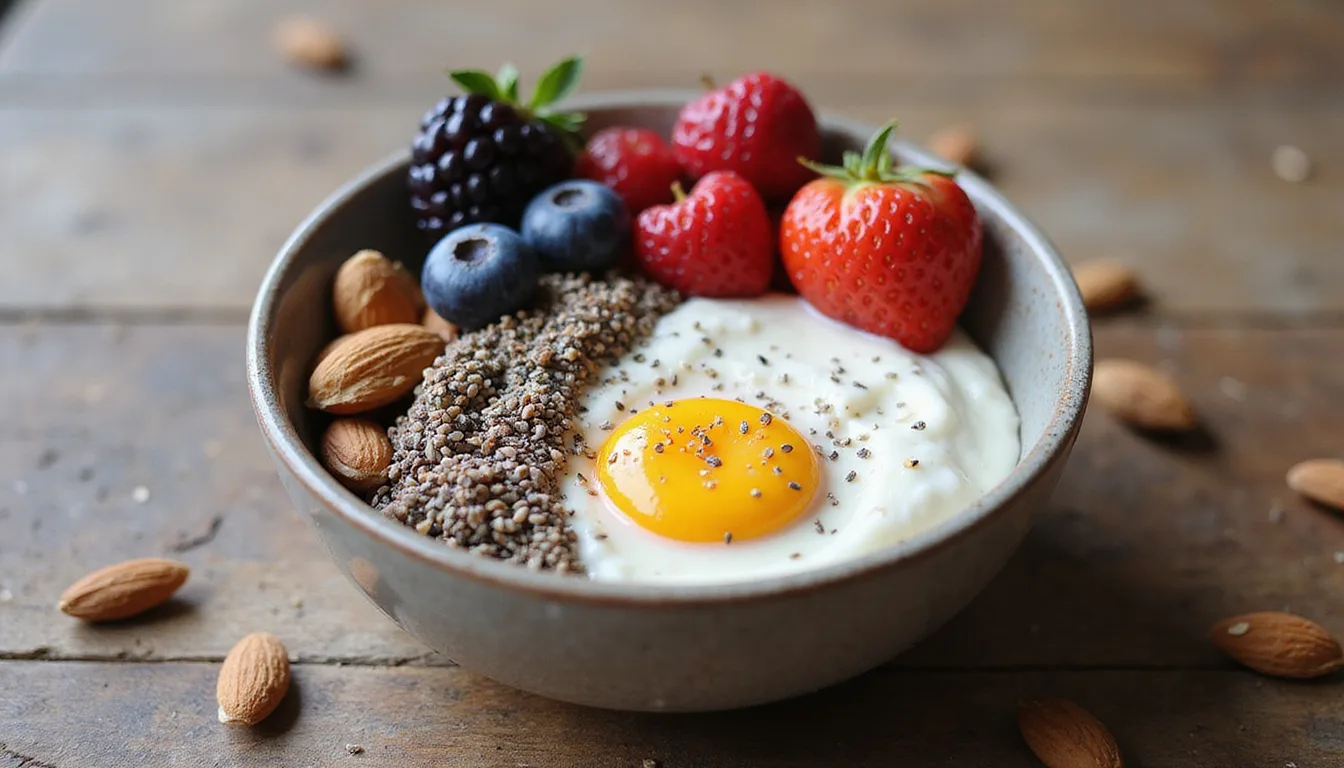
1. Greek Yogurt Protein Parfait
Ingredients:
• ¾–1 cup plain Greek yogurt
• 1 scoop protein powder (whey or plant-based) – use if you want extra protein
• ¼ cup berries
• 1–2 tbsp chopped nuts or seeds
Mix the protein powder into the yogurt and top with berries and nuts. This snack can give 20–30 g protein and keep you full for hours.
2. Cottage Cheese Bowl (Sweet or Savory)
For a sweet bowl, mix cottage cheese with sliced banana, a sprinkle of cinnamon, and 1 tbsp peanut butter.
For a savory bowl, combine cottage cheese with cherry tomatoes, cucumber, a dash of black pepper, and a drizzle of olive oil.
Both options provide 15–20 g protein with a mix of fats and carbs.
3. Protein Oat Balls (Energy Bites)
Combine and roll into small balls:
• 1 cup oats
• ½ cup nut butter
• ¼–⅓ cup honey or mashed dates
• ½ cup protein powder
• Optional: dark chocolate chips, chia seeds, or shredded coconut
Each ball can give around 4–6 g protein. Two or three balls make a good snack before or after exercise.
4. Hummus and Veggie Plate
Serve ¼–⅓ cup hummus (about 4–6 g protein) with carrot sticks, bell pepper strips, cucumber, and snap peas.
Optionally, add a few whole-grain crackers or a boiled egg for extra protein.
Hummus adds plant protein and fiber while veggies bring crunch.
5. Tuna or Salmon Salad on Whole-Grain Crackers
Mix canned tuna or salmon with a bit of Greek yogurt or olive-oil mayo, mustard or herbs, and a squeeze of lemon juice.
Spread on whole-grain crackers or cucumber rounds.
A small serving (half a can) supplies around 12–15 g protein, while a full can offers 20–25 g.
Protein Snacks That Help Build Lean Muscle
If you want to build muscle or change your body composition, pick snacks that:
• Provide 20–30 g of high-quality protein
• Supply complete proteins with all essential amino acids
• Include leucine, an amino acid that helps start muscle protein synthesis
Here are some choices:
Whey Protein Shake with Fruit
Mix 1 scoop whey protein (20–25 g protein) with 1 cup milk or fortified plant milk, and ½ banana or ½ cup berries.
This shake blends fast and works well after exercise to begin muscle repair.
Greek Yogurt and Granola Bowl
Use 1 cup Greek yogurt (15–20 g protein) and mix with ¼ cup of high-protein granola or add an extra scoop of protein powder.
Add fruit for carbohydrates and vitamins.
This mix can reach 25–30 g protein and keeps hunger at bay.
Turkey or Chicken Wrap
Layer 2–3 oz of sliced turkey or chicken breast into a whole-grain tortilla or wrap in lettuce.
Add lettuce, tomato, and a smear of mustard or hummus.
This wrap can deliver 18–25 g protein in a neat package.
Protein-Enhanced Smoothie
Blend 1 scoop protein powder with 1 cup milk, 1 tbsp peanut or almond butter, and, if desired, a handful of spinach or some oats.
This smoothie gives about 25–30 g protein along with healthy fats and carbohydrates to aid repair.
Plant-Based Protein Snacks That Still Keep You Full
You do not need animal products for snacks that fill you and help build muscle. Plant-based snacks can do the job too.
Roasted Chickpeas
About ¼ cup gives around 6 g protein.
Toss canned chickpeas with olive oil and spices, then roast until crisp. They work for a crunchy treat.
Lentil or Bean Salads
One cup can supply 8–12 g protein, based on the type of beans or lentils.
Mix with vegetables and a simple dressing to make a hearty portable snack.
Tofu or Tempeh Bites
Lightly fry or bake marinated tofu or tempeh cubes.
Eat them on their own or with vegetables and a dipping sauce.
Tempeh is especially dense in protein, with 15–20 g per serving.
Nut and Seed Mix (with a Twist)
While nuts mainly give fats, combining them with other protein sources works well.
Mix equal parts roasted chickpeas, almonds, and pumpkin seeds.
You can add a small amount of dried fruit or dark chocolate if you like.
Pumpkin seeds add extra protein and a satisfying crunch.
Soy Yogurt with Hemp Seeds
One cup of soy yogurt with 1–2 tbsp of hemp seeds can offer 12–18 g protein.
This snack also supplies omega fats and fiber.
Timing Your Protein Snacks for Best Results
When you eat protein snacks matters, especially if you train often.
Pre-Workout Snacks
Aim for a mix of protein and carbohydrates about 60–90 minutes before exercise.
Examples include Greek yogurt with fruit, a small turkey wrap, or a protein oat ball with a banana.
This mix fuels your workout and starts muscle care early.
Post-Workout Snacks
Try to get 20–30 g protein within a few hours after exercise.
Choose a whey or plant protein shake, a Greek yogurt parfait with granola, or tuna on whole-grain crackers.
Having protein and some carbs within 2–3 hours helps with muscle repair.
Snacks Between Meals
If you go 4–6 hours between meals, a protein snack can stop extreme hunger later.
They help keep energy steady and help you meet your daily protein target.
Place these snacks at times when hunger peaks, like mid-morning, mid-afternoon, or early evening.
Common Protein Snack Mistakes to Avoid
Even smart choices can go wrong if you are not careful. Watch for these common issues:
-
Relying on protein bars only
Many bars contain high sugar or artificial sweeteners and little fiber. Use them sometimes, not as your only snack. -
Ignoring total calories
“Healthy” does not mean low calories. Several protein snacks with high calories can slow fat loss. -
Not drinking enough water
A higher protein intake needs more fluids. Without water, you might feel hungry and see lower performance. -
Skipping fiber and healthy fats
Protein alone fills a bit, but adding fiber and fats makes snacks more satisfying and good for gut health. -
Eating snacks when you are not hungry
Snacks should serve a clear purpose—keep hunger in check, fuel workouts, or help reach protein goals—not just fill time.
Quick List: 12 Great Protein Snacks at a Glance
- Greek yogurt with berries and nuts
- Cottage cheese with fruit or vegetables
- Hard-boiled eggs (1–3, depending on need)
- Beef, turkey, or salmon jerky (low sugar)
- Hummus with veggie sticks and whole-grain crackers
- Tuna or salmon salad on whole-grain crackers
- Edamame (in pods or shelled)
- Protein shake (whey or plant-based)
- Roasted chickpeas or broad beans
- Tofu/tempeh bites with dipping sauce
- Nut and seed mix with roasted chickpeas
- Protein oatmeal balls or bars made at home
FAQs About Protein Snacks and Lean Muscle
1. What are the best protein snacks for weight loss?
Snacks that work best for weight loss have high protein, moderate calories, and low added sugar. Choices like Greek yogurt, cottage cheese, hard-boiled eggs, hummus with vegetables, and roasted chickpeas help reduce hunger while keeping calories in check.
2. How often should I eat high-protein snacks to build muscle?
Spread protein across 3–5 meals each day, including 1–2 protein snacks. Meeting your daily protein goal is key. Eating protein around your workouts helps with muscle repair and growth.
3. Are plant-based protein snacks enough for muscle gain?
Yes. Plant-based snacks work if you reach your daily protein goal and choose a variety of sources such as soy, lentils, beans, whole grains, nuts, and seeds. Mixing these sources ensures you get all the amino acids needed for muscle repair and growth.
Make Protein Snacks Work for Your Goals
When you pick protein snacks with care—using high-quality protein, watching sugar levels, and adding fiber with healthy fats—you gain more than a quick bite. You get steady energy, better hunger control, and the building blocks your body needs for lean, strong muscle.
Start small: choose two or three ideas above, add them to your grocery list, and use them at your hungriest times. Then, adjust portion sizes and timing as your body guides you.
If you need help planning protein snacks around your training and goals, try making a weekly plan or consulting a nutrition coach or dietitian. The right protein snacks support good performance, improved body shape, and long-term health. Try them today.
[center]Always consult with your doctor prior to making drastic diet changes.[/center]
[center]As an Amazon Affiliate, Savvy Keto makes a small commision (at no extra cost to you) on any purchases you make thru affiliated links you click on.[/center]