
Insulin Reset: 7 Proven Hacks to Crush Sugar and Lose Weight
If you work hard and still see no weight loss, the issue may not lie with your willpower.
Insulin may hold your body back.
A reset of insulin means lowering high insulin levels so your body can use stored fat as fuel.
Calmer sugar spikes bring fewer cravings, steadier energy, and a healthy space for fat loss.
This guide shows you seven ways, backed by science, to reset insulin, cut sugar cravings, and lose weight in a steady, people-first way.
What Is an Insulin Reset (and Why It Matters for Weight Loss)?

Insulin is a hormone made in your pancreas.
It tells your cells to take in glucose from your blood.
It is needed for life—but too much can cause problems.
High insulin over time (hyperinsulinemia) can:
• Stop fat from burning and help store fat
• Drive strong sugar and carb cravings
• Bring energy dips and a foggy mind
• Lead to insulin resistance, prediabetes, and type 2 diabetes
An insulin reset uses focused food, lifestyle, and timing plans to:
• Cut insulin spikes
• Improve how cells respond to insulin
• Teach your body to use fat for fuel instead of just sugar
The aim is not to remove insulin (this is impossible and unsafe) but to fix its response so you can eat well, burn better, and lose weight faster.
Hack 1: Front-Load Protein and Healthy Fats at Every Meal
If you choose only one change during your insulin reset, let it be this: put protein and healthy fats at the start of every meal.
Meals high in carbs (like cereal, toast, juice, and pastries) bring quick sugar and insulin peaks.
These peaks then fall, leaving you hungry and seeking more sugar.
Protein and fat help keep this reaction low.
Why do protein and fats work?
• Protein slows digestion, builds muscle, and steadies blood sugar
• Fats (the healthy kind) make you feel full and lower a meal’s sugar impact
• They work as a pair to keep insulin spikes low
How much protein?
A useful guideline is 1.6–2.2 grams per kilogram of body weight each day.
For someone weighing 75 kg (165 lb), that is roughly 120–165 grams per day spread over meals.
Meal ideas:
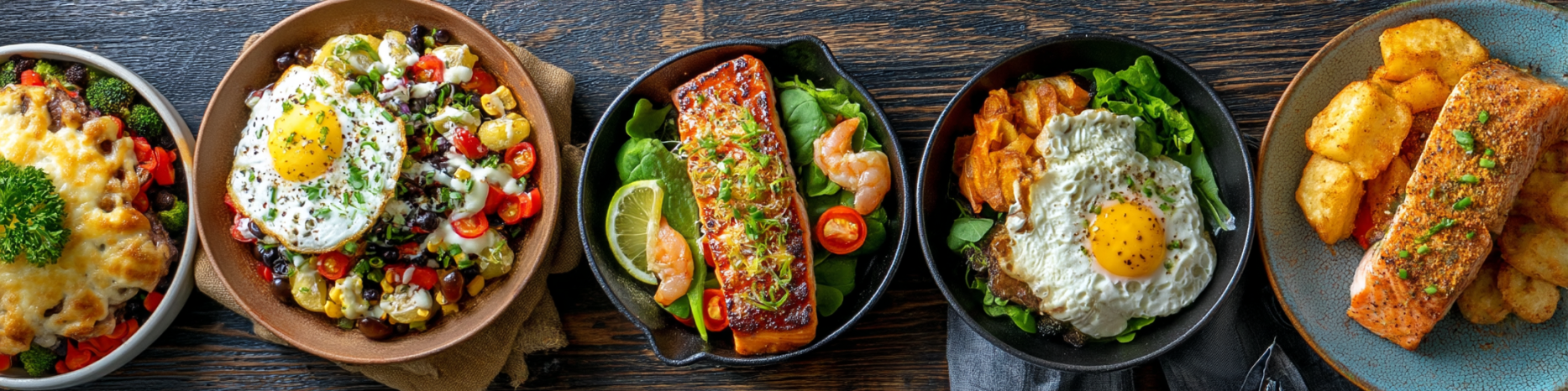
• Breakfast: An omelet with eggs, spinach, mushrooms, and avocado
• Lunch: Grilled chicken on a salad with olive oil and seeds
• Dinner: Salmon, roasted vegetables, and a side of quinoa or lentils
• Snack: Greek yogurt with nuts and a sprinkle of cinnamon
Make protein the center of your plate.
Add healthy fats next, then fill with mostly non-starchy veggies and a modest share of good carbs (see Hack 3).
Hack 2: Use Time-Restricted Eating to Give Insulin a Break
It is not only what you eat that matters but when you eat.
Snacking all day and late-night eating keep insulin high.
Time-Restricted Eating (TRE), also called intermittent fasting, means fitting your meals into a shorter time span.
This pause helps insulin levels fall.
Simple ways to try TRE:
• 12:12 – Eat in a 12-hour window (for example, 7 a.m. to 7 p.m.)
• 14:10 – Fast for 14 hours and eat in 10 (for example, 9 a.m. to 7 p.m.)
• 16:8 – Fast for 16 hours and eat in 8 (for example, 11 a.m. to 7 p.m.)
For a reset, many people start with a 14:10 or 16:8 window a few days each week.
How TRE helps:
• It cuts the overall time when insulin is high
• It makes your body use stored fat for fuel
• It stops late-night snacking, which trips up weight loss
Start slow: If you currently eat from 7 a.m. to 10 p.m., try shifting to 8 a.m. to 8 p.m.
Then, shorten the window gradually.
Important: If you are pregnant, breastfeeding, underweight, or use glucose-lowering drugs, please talk with your healthcare provider before changing your eating schedule.
Hack 3: Swap Fast Carbs for Smart Carbs
Carbs are not the enemy.
But refined, fast-digesting carbs hit insulin hard.
They send a quick spike in blood sugar and force insulin to rise, then fall sharply.
An insulin reset does not mean you must cut carbs completely.
It means you choose whole, slow-digesting carbs over the wrong ones.
Carbs that make insulin spike:
• Sugary drinks (soda, sweet tea, energy drinks, juice)
• White bread, white rice, regular pasta
• Pastries, cookies, cakes, donuts
• Candy, sugary cereals, and snack bars
Smart carbs are whole and less processed:
• Oats, quinoa, brown rice, or buckwheat
• Legumes like lentils, black beans, or chickpeas
• Sweet potatoes and squash
• Whole fruits (not fruit juice)
These smart carbs have fiber.
Fiber slows sugar uptake and keeps insulin low.
A simple carb swap plan:
- Cut or limit sugary drinks.
- Change white grains for whole grains or beans.
- Eat fruit with a meal that has protein or fat; avoid eating it alone.
- Fill at least half your plate with non-starchy vegetables.
There is no need to drop every gram of carbohydrate.
Focus on fiber-rich, slow carbs in proper portions and paired with protein and fat.
Hack 4: Crush Sugar Cravings with Strategic Fiber and Hydration
Sugar cravings often make an insulin reset hard to follow.
You cannot rely on willpower alone; your body needs a plan.
Two strong tools work well here: fiber and water.

How fiber helps:
• It slows the pace of digestion and sugar uptake
• It feeds good gut bacteria that help control appetite
• It makes you feel full so you do not snack too much
Aim for 25 to 35 grams of fiber each day.
Good sources include:
• Vegetables like leafy greens, broccoli, carrots, and beets
• Fruits with low sugar, such as berries, apples, pears, and citrus
• Beans and lentils
• Chia seeds, flaxseeds, or psyllium (if these work for you)
Do not forget water.
A slight lack of water can feel like hunger or cause sugar cravings.
During a reset, try to drink 2–3 liters of water or unsweetened herbal tea every day.
Drink a full glass of water before you reach for a snack.
Wait 10–15 minutes and see if the craving drops.
A simple plan:
- Drink a large glass of water.
- Eat a fiber- and protein-rich snack (for example, an apple with nut butter or carrots with hummus).
- Wait 10 minutes.
Usually, the craving will fade.
Hack 5: Move Smart—Use Targeted Exercise to Improve Insulin Sensitivity
No matter how good your food plan is, exercise makes a big difference in resetting insulin.
Exercise helps because:
• Muscles use sugar for fuel.
• Regular movement makes your cells respond to insulin better.
• Strength training builds muscle, which soaks up sugar like a sponge.
Best exercises for this purpose:
• Resistance or strength training
- Try 2–3 sessions a week with bodyweight exercises, dumbbells, or bands.
- Use moves like squats, lunges, push-ups, rows, and deadlifts.
• Brisk walks or gentle cardio
- Walk 20–40 minutes on most days.
- A walk after meals works especially well.
• Short bursts of speed (if you are fit and have approval)
- Do 5–10 minutes of intervals; alternate 30 seconds fast work and 60 seconds easy work, a couple of days a week.
A handy habit is a 10–15 minute walk after big meals.
Studies show that a walk right after eating can:
• Lower both blood sugar and insulin response
• Cut the mid-afternoon slump
• Improve digestion and mood
If you can choose just one exercise habit, let it be the after-meal walk.
Hack 6: Put Sleep and Stress in Order (Your Hidden Insulin Keys)
Even a perfect food plan can fall short if sleep and stress are off track.
Both sleep and stress affect insulin and weight.
Short or poor sleep can:
• Raise insulin resistance
• Increase hunger hormones
• Reduce hormones that tell you to stop eating
• Spark cravings for sugary, high-calorie foods
Aim for 7 to 9 hours of good sleep.
Simple sleep tips:
• Stick with a regular sleep and wake time, even on weekends.
• Make your bedroom dark, cool, and quiet.
• Skip heavy meals, alcohol, and screens 1–2 hours before sleep.
• Use a wind-down routine like reading, stretching, or breathing exercises.
Ongoing stress also makes insulin rise.
Stress hikes up cortisol, which in turn can:
• Boost blood sugar
• Encourage belly fat
• Lead to emotional eating and more sweet cravings
Try small, daily stress tools:
• Take 5 minutes for slow breathing (inhale for 4–5 seconds, exhale for 6–8 seconds).
• Enjoy a short walk outside.
• Write down your thoughts before bed.
• Set clear limits on work time and notifications.
You do not need a perfect meditation habit.
Build small, steady habits that calm your daily stress.
Hack 7: Build a Sustainable “Insulin Reset Routine” (30-Day Blueprint)
A reset works best when you make these changes a daily habit.
Here is one sample plan for 30 days. You can change it to suit your life.
Daily Insulin Reset Checklist:
- [ ] Include protein with every meal (aim for 25–40 g per meal).
- [ ] Add healthy fats like olive oil, avocado, nuts, seeds, or fatty fish.
- [ ] Keep fast carbs low: skip sugary drinks and cut back on white flour foods.
- [ ] Use time-restricted eating: start with a 10–12 hour window and work toward 8–10 hours if you wish.
- [ ] Meet a fiber goal of 25–35 g a day from whole foods.
- [ ] Drink 2–3 liters of water or unsweetened herbal tea.
- [ ] Get moving: enjoy 10–15 minute walks after meals and do 2–3 strength sessions each week.
- [ ] Sleep well: aim for 7-9 hours on a steady schedule.
- [ ] Use at least one method each day to lower stress (5 or more minutes of a calm activity).
A sample day might look like this:
• 7:00 a.m. – Wake up, drink water, and stretch lightly.
• 9:00 a.m. (Meal 1) – Eat scrambled eggs with sautéed greens and avocado; enjoy a cup of black coffee or tea.
• Noon – Take a 10-minute walk.
• 1:00 p.m. (Meal 2) – Have grilled chicken with a large salad dressed with olive oil and some quinoa.
• 1:30 p.m. – Walk for 10–15 minutes.
• 4:00 p.m. – Snack on Greek yogurt mixed with berries and walnuts.
• 6:30 p.m. (Meal 3) – Enjoy salmon with roasted broccoli and a sweet potato.
• 7:00 p.m. – Take another 10–15 minute walk.
• 9:30 p.m. – Start winding down with low light and quiet reading.
• 10:30 p.m. – Head to bed.
Feel free to adjust meal times or food choices.
Keep the focus on protein, fiber, slower carbs, a walk after meals, and a set eating window.
How Long Does an Insulin Reset Take?
There is no set timeline.
Many people see fewer cravings within 5–7 days.
Energy steadies in 1–2 weeks.
Early weight loss (first water and then fat) happens in 2–4 weeks.
Better measures such as lower fasting glucose or a smaller waist often show up within 4–12 weeks.
The best results come when you make an insulin reset a part of your daily life instead of a short-term fix.
FAQ: Insulin Reset, Sugar, and Weight Loss
-
How do I know if I need an insulin reset?
Signs include:
• Ongoing sugar or carb cravings
• Energy drops after meals
• Weight that does not budge despite dieting
• Growing belly fat
• Family history of diabetes or metabolic issues
Blood tests – such as fasting insulin, fasting glucose, HbA1c, and triglycerides – can help answer this.
Talk with your healthcare provider if you worry about these signs. -
Can I try an insulin reset without cutting carbs completely?
Yes.
An insulin reset often means choosing whole carbs over refined ones, pairing carbs with protein and fat, cutting down on snacks, and using time-restricted eating.
It also includes adding more fiber, strength work, and sleep.
Many people improve their insulin sensitivity without going very low on carbs. -
Is an insulin reset diet safe in the long run?
Most habits that support good insulin levels—like eating more protein, fiber-rich foods, and healthy fats; cutting out sugary drinks; taking walks after meals; and getting better sleep—are safe and help you in the long term.
Keep in mind:
• Extreme fasting or very strict diets may not suit everyone.
• If you have diabetes, use insulin or other glucose medicines, are pregnant, or have a history of eating issues, check in with your provider before making big changes.
A reset should be seen as a starting plan that you later adjust to meet your needs and culture.
Ready to Start Your Insulin Reset?
If you face strong sugar cravings, stubborn weight, or energy swings, these are not signs of weak willpower.
They are signals from your body—often from insulin—that it needs a reset.
By:
• Centering meals around protein, fiber, and healthy fats
• Using time-restricted eating to allow insulin to fall
• Swapping fast carbs with whole-food carbs
• Taking walks after meals and adding strength work
• Fixing your sleep schedule and easing stress
…you set up the signals your body needs to reset insulin, cut sugar, and finally unlock fat loss in a safe, lasting manner.
If this speaks to you, start now.
Pick one or two of these hacks – like cutting sugary drinks and taking a 10-minute walk after a meal.
As you build these habits, add the next steps.
Your metabolism can change.
With the right signals, it will respond.
Begin your insulin reset today and let your body show what it can do.
[center]Always consult with your doctor prior to making drastic diet changes.[/center]
[center]As an Amazon Affiliate, Savvy Keto makes a small commision (at no extra cost to you) on any purchases you make thru affiliated links you click on.[/center]