

If you plan hard training and use few carbs, your low carb preworkout plan can mean a slow session or a new best effort. The news is good: you do not need a bowl of rice or a sugary drink to power your workout, burn fat, or speed recovery. You just need to fuel smart when carbs are few.
This guide shows what to eat, what to skip, how to use supplements, and how to tweak your plan for your goals and style.
Why Low Carb Preworkout Nutrition Differs

Most preworkout tips use carbohydrates. They say to eat oats, fruit, or sip a sports drink to fill glycogen and boost training. When you use low carbs or keto, your body runs on a different mix.
What changes when carbs stay low?
On a low carb plan:
• Glycogen is low.
• Your body uses more fat and ketones for fuel.
• Insulin stays lower and steadier.
• Blood sugar swings drop.
This helps with fat loss and stable energy when you support this mode well. A smart low carb preworkout set-up:
• Gives fast, non-carb energy (from fats or some supplements).
• Keeps muscle intact (with amino acids and electrolytes).
• Uses light digestion so you do not feel heavy.
Benefits of a Low Carb Preworkout Plan
A well-made low carb preworkout can boost training and body goals.
1. More Fat Burning
With few carbs, your body turns more to stored fat. Studies show that low carb and ketogenic diets increase fat burn during both medium and high-intensity work (source: National Institutes of Health).
A good low carb preworkout plan does this by:
• Skipping large carb spikes before training.
• Adding fats that turn into energy fast (like MCTs).
• Supporting your focus to train hard and use fat as fuel.
2. Stable Energy Without Crashes
High-carb preworkouts may spike energy and then drop it mid-training because of insulin and blood sugar changes. Low carb plans run with steadier fuel:
• No burst of sugar means no crash.
• Using fat and ketones gives a firm, even energy.
• Caffeine and similar boosts work well when blood sugar is steady.
3. Clear Mind and Focus
If you are keto-adapted you may feel:
• Less foggy.
• More focused.
• Not so jittery or worn out after training.
This comes from steady blood sugar and the use of ketones for brain fuel.
4. Fits Fat Loss and Recomp Goals
If you aim to:
• Lower body fat
• Maintain muscle while losing fat
• Boost your body’s flexibility in fuel use
then a low carb preworkout that avoids high carbs while keeping muscle and energy works well.
Core Points of an Effective Low Carb Preworkout
Do not worry about strict “rules.” Use these key points.
Principle 1: Keep Digestion Light
You need blood to go to your muscles, not your gut. Right before training, do not eat:
• Big meals
• Heavy, slow fats in large amounts
• Very fibrous salads
Have a small, targeted preworkout snack that is easy to digest.
Principle 2: Protect Muscle With Protein or Aminos
When carbs are low, your body may use amino acids more during tough training. To help keep muscle:
• Have 15–30 g of protein about 60–90 minutes before training,
• Or use 5–10 g of essential amino acids (EAAs) or BCAAs near your session, especially if you train without a meal.
Principle 3: Use Fats in Small Amounts
Fat is your main fuel on a low carb plan. Too much fat before training can slow your digestion.
Good choices in small doses (5–15 g):
• MCT oil or powder
• Coconut oil or cream
• A small portion of nuts or nut butter
• Full-fat Greek yogurt (if dairy works for you)
Principle 4: Drink Enough and Get Electrolytes
Low carb diets make the body let out more water and salts. This can hurt training if you do not drink enough.
Aim for:
• 500–750 ml (16–25 oz) of water in the 1–2 hours before training,
• 300–600 mg sodium along with some magnesium and potassium.
You can mix a quality salt into your water or use an electrolyte powder.
Principle 5: Time Stimulants Well
Caffeine works as a strong boost in a low carb plan:
• 100–250 mg of caffeine 30–45 minutes before training works for many,
• If you feel strong with caffeine, try 50–100 mg or use green tea or yerba mate.
Do not stack too many stimulants; keep it simple.
Best Foods for a Low Carb Preworkout Meal
Here are food ideas you can mix as you need.
60–90 Minutes Before Training
This is the best time for a small, balanced low carb preworkout meal.
Good ideas:
• Protein + Fat Combo
- 3–4 oz of chicken or turkey with 1–2 tsp olive oil or avocado.
- 2–3 eggs, perhaps with a small slice of cheese.
- 3–4 oz of salmon or sardines (omega-3s help recovery).
• Low Carb Dairy
- ¾–1 cup full-fat Greek yogurt with a few berries (if you can take a slight carb bump).
- Cottage cheese with a few nuts or seeds.
• Low Carb Wrap or Bowl
- A lettuce wrap with turkey, mustard, and avocado.
- A small bowl of ground beef or turkey with a little cheese and greens.
Keep calories modest. This is fuel, not a big meal.
30–45 Minutes Before Training
Now take lighter and easy-to-digest fuel.
Ideas:
• 1 scoop whey protein isolate in water with 1 tsp MCT oil,
• 1 scoop whey or egg white protein with a few almonds or macadamias,
• A small piece of cheese with 5–10 g of EAAs in water.
0–20 Minutes Before Training
At this time, liquids and quick supplements work best.
• Black coffee or a sugar-free drink adjusts your caffeine,
• An electrolyte drink with sodium, magnesium, and potassium,
• Some BCAAs or EAAs if you are training fasted or on very few calories.
Low Carb Preworkout Supplement Tips
Supplements are not needed to train well on low carb, but some can help.
1. Caffeine
• 100–250 mg about 30–45 minutes before training,
• For better alertness, strength, and endurance,
• Works well when you use few carbs and energy is flat.
2. Creatine Monohydrate
• 3–5 g daily; you may take it before training,
• Helps with strength, power, and keeping muscle even on a calorie deficit,
• Fits with a low carb preworkout plan.
3. Beta-Alanine
• 2–5 g per day (split the dose to avoid tingling),
• Helps keep muscle acid low during many repetitions or high-intensity work,
• Best for interval training or CrossFit-like sessions.
4. L-Citrulline or Citrulline Malate
• 6–8 g around 30–60 minutes before training,
• Helps with blood flow, muscle pump, and endurance,
• Good for long or high-volume sessions.
5. Medium-Chain Triglycerides (MCTs)
• 5–10 g (1–2 tsp) of MCT oil or powder 30–60 minutes before training,
• Quickly turns into energy and sometimes ketones,
• Use small amounts if you are prone to stomach upset.
6. Electrolytes (Sodium, Potassium, Magnesium)
• Use a sugar-free electrolyte powder or mix in:
- ¼–½ tsp salt in water,
- 100–200 mg magnesium,
- 100–300 mg potassium (or get from food).
These help keep cramps and fatigue low on low carb.
Sample Low Carb Preworkout Setups
Use these as a guide and change them to suit your body and time.
A. Early Morning Fasted Trainer
You wake and train within an hour. You do not want a full stomach.
30–20 minutes before:
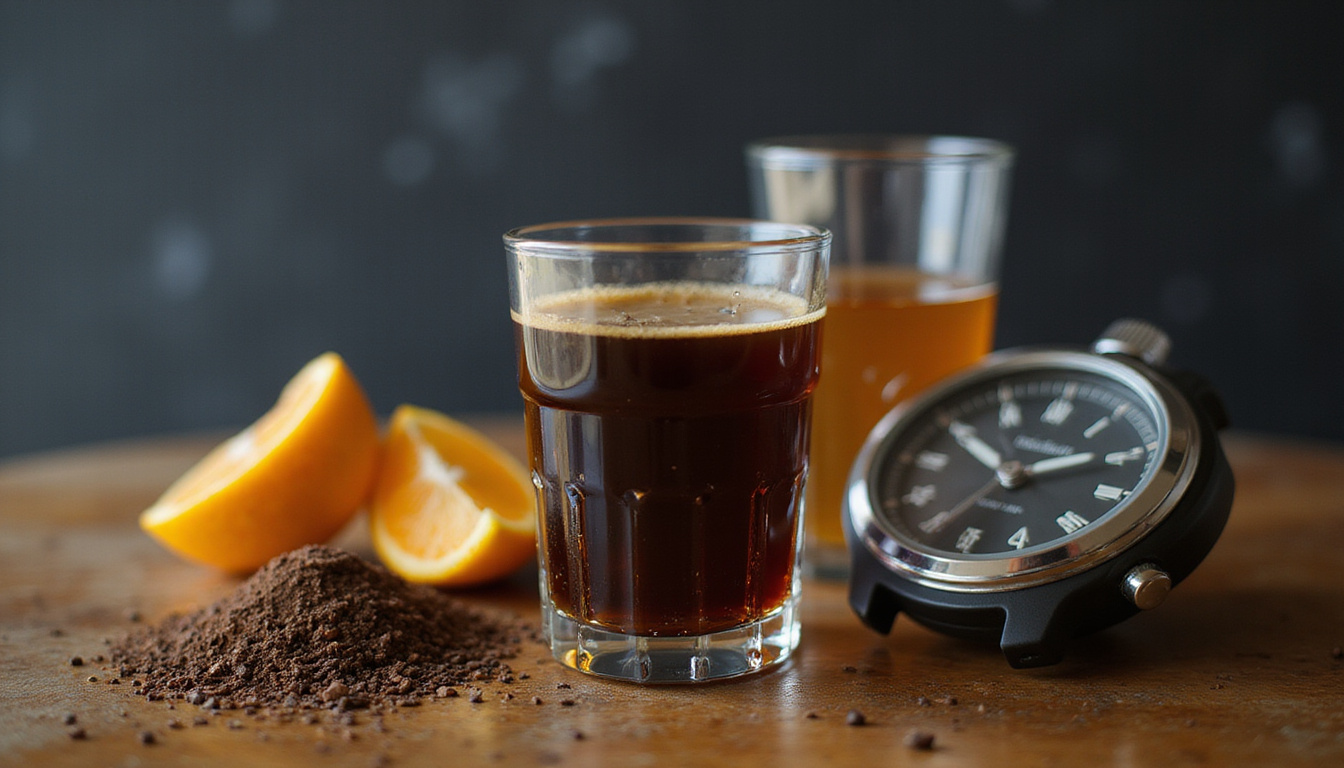
• Drink black coffee with 5–10 g MCT oil or powder
• Mix in 5–10 g of EAAs or BCAAs
• Add a sugar-free electrolyte powder to water
Optional: Take 3–5 g creatine if you like it before training.
B. Lunchtime Lifter (1–2 Hours After Breakfast)
You have time and can take a light meal.
90–60 minutes before:
• 3–4 oz of chicken breast or turkey slices
• A small handful of cucumber or greens
• 1 tbsp of avocado or olive oil
30 minutes before:
• 150–200 mg caffeine (coffee or low carb preworkout)
• Water with electrolytes
C. Evening Strength Session on Keto
You train after work on a keto plan.
60–90 minutes before:
• 2–3 eggs cooked in butter or ghee
• A small side of avocado or olives
30 minutes before:
• 1 scoop whey protein isolate in water
• 3–5 g creatine
• Optional: 100–150 mg caffeine if you can take it this late
How Low Carb Should Your Preworkout Be?
Not all need almost zero carbs to see gains. Think about your own goals.
For Strict Keto (≤20–30 g Net Carbs/Day):
• Most preworkout carbs: 0–5 g net.
• Use fats, protein, electrolytes, and supplements.
• Best for those with strict limits or a need for very few carbs.
For Moderate Low Carb (50–100 g Carbs/Day):
• Preworkout carbs: 5–15 g net can work well in tough training.
• Examples:
- A few berries in yogurt,
- Half a small banana (if it fits your total),
- 10–15 g from vegetables earlier in the day.
For Targeted Low Carb (Carbs Only Around Workouts):
• Preworkout carbs: 15–30 g right before or during training.
• This plan stays low carb overall but uses carbs for training only.
• Best for high-intensity athletes focused on body changes.
Matching Low Carb Preworkout to Your Training Style
Different workouts need different fuel—even on low carb.
For Heavy Strength Training (Powerlifting/Bodybuilding):
• Use 20–30 g protein 60–90 minutes before training.
• A small amount of fat (5–10 g) for steady energy.
• Mix in creatine and caffeine.
• You may add 10–20 g carbs on your hardest days if you are not on strict keto.
For HIIT/CrossFit/MetCons:
• High-intensity work can use more carbs; yet you may stay low carb smartly.
• Focus on electrolytes to stop cramps and fatigue.
• Use beta-alanine and citrulline to help endurance.
• If performance drops, consider 10–20 g carbs preworkout unless advised otherwise.
For Steady-State Cardio (Zone 2, Long Walks, Easy Cycling):
• This is a pure low carb preworkout where you need little extra fuel.
• Take a little MCT oil, black coffee, or tea.
• Use electrolytes and avoid extra carbs.
For Fasted Morning Cardio for Fat Loss:
• To burn fat and keep muscle, take BCAAs or EAAs (5–10 g) before or during training.
• Add caffeine and electrolytes.
• Keep fats low so that your body draws on stored fat.
Low Carb Preworkout Mistakes to Avoid
Some errors can lower your training and make low carb work feel hard.
-
Do not drop calories too low.
Being low carb is not the same as eating too few calories. Not eating enough can hurt training and recovery. -
Do not ignore electrolytes.
Low carb plus sweat and low salt can cause headaches, weakness, and dizziness. -
Do not eat too much fat close to training.
A heavy meal can slow digestion, cause nausea, and make you feel slow. -
Do not use too many stimulants.
Too much caffeine or similar boosts can hide fatigue and affect sleep, recovery, and appetite. -
Do not stick to one plan if you feel poor performance.
Change your protein, add a bit more carbs, or adjust training if needed.
Quick Checklist: Build Your Ideal Low Carb Preworkout
Use this simple list:
-
Timing
• Main food: 60–90 minutes before training.
• Light drink/supplements: 30–20 minutes before training. -
Protein
• 15–30 g from lean meat, eggs, Greek yogurt, or whey/egg protein. -
Fats
• 5–15 g from MCT oil, avocado, nuts, or whole eggs. -
Hydration & Electrolytes
• 16–25 oz water.
• 300–600 mg sodium plus some magnesium and potassium. -
Stimulants & Aids (Optional)
• 100–250 mg caffeine.
• 3–5 g creatine.
• Beta-alanine or citrulline if training is very tough. -
Carbs (Optional, by need)
• 0–5 g for strict keto.
• 5–20 g for moderate or targeted low carb use if needed for training.
FAQs About Low Carb Preworkout Strategies
1. What is the best low carb preworkout drink?
A simple low carb preworkout drink can be:
• 12–16 oz water,
• Sugar-free electrolyte mix,
• 100–200 mg caffeine (from coffee or a low carb preworkout drink),
• Optional: 5–10 g EAAs or BCAAs plus 3–5 g creatine.
This mix gives water, focus, and muscle support without extra carbs.
2. Can I train on keto preworkout and keep muscle?
Yes. A keto preworkout that uses:
• 15–25 g protein (from a meal or shake) before training or EAAs/BCAAs around your workout,
• 3–5 g creatine,
• Enough calories and electrolytes,
will help keep muscle while you train and diet. Strength training itself helps keep muscle even when on keto.
3. Is low carb preworkout good for fat loss and cutting?
A low carb preworkout for cutting often works best. Fewer carbs help keep insulin low and burn more fat while the right mix of protein, fats, electrolytes, and caffeine:
• Keeps training intense,
• Helps retain muscle,
• Stops energy crashes and cravings.
If you see a big drop in performance, you might add 10–20 g of carbs on your hardest days while keeping most meals low carb.
Your low carb preworkout plan is not about perfection—it is about trying and adjusting within a smart setup. Start with one sample plan, note how you feel for one or two weeks, and then change your protein, fat, carbs, or supplements as needed.
If you are ready to move ahead with better energy and fewer guesswork moments, choose one of these plans, gather your food and gym gear, and try it at your next session. With a proper low carb preworkout plan, you can lift harder, burn fat, and recover faster while staying on track with your meal plan.
[center]Always consult with your doctor prior to making drastic diet changes.[/center]
[center]As an Amazon Affiliate, Savvy Keto makes a small commision (at no extra cost to you) on any purchases you make thru affiliated links you click on.[/center]