Low Carb Inflammation: Diet Tactics That Slash Pain and Bloating
People enjoy low carb plans. They cut sugar and refined starches. They see less pain and bloating. You may feel this change in stiff joints, IBS discomfort, headaches, or swelling. A low carb plan calms your immune system and aids digestion without making you feel hungry.
This guide shows how low carb eating changes inflammation. It names the foods that matter most. It gives you a plan to cut pain and bloating in a safe way.
Understanding Low Carb and Inflammation

Before you change your eating, know what inflammation is. See how carbs join in.
What Is Inflammation?
Inflammation defends your body from injury or germs. It comes in two forms:
- Acute inflammation – short and clear. Think of a swollen ankle or a sore throat. It helps you get better.
- Chronic inflammation – lasts long in a low-grade way. It may hurt your tissues.
Chronic inflammation links with conditions like:
- Arthritis and joint pain
- IBS-like or bowel disease signs
- Heart troubles
- Type 2 diabetes and metabolic issues
- Some autoimmune diseases
Food is one part of your life that you can change.
How Carbohydrates Can Drive Inflammation
Carbs are not bad by themselves. Vegetables and whole plants bring many carbs. Problems come with:
- Refined grains (white bread, pastries, crackers, many cereals)
- Added sugars (soda, sweets, flavored yogurts, candy, syrups)
- Ultra-processed foods with high starch, sugar, seed oils, and additives
These items can:
-
Cause high blood sugar and insulin
High sugar and insulin swells a chain of reactions and stress. (Source: Harvard T.H. Chan School of Public Health). -
Feed an imbalanced gut
Too much sugar and processed carbs let unfriendly bacteria grow. This can lead to gut issues, gas, and bloating. -
Build fat, especially in the belly
Belly fat works like a gland that sends out signals. This extra fat keeps your body in a state of low-grade inflammation.
A low carb plan cuts these items. It swaps them for whole foods that hold nutrients and help keep blood sugar even while supporting your gut.
Why Low Carb Eating Can Cut Inflammation and Bloating
A low carb diet touches many links that cause pain and poor digestion.
1. Keeping Blood Sugar and Insulin Steady
Meals with many refined carbs make your blood sugar jump and drop. This jump can:
- Up signals like CRP in your body
- Make you crave more food
- Lead to tiredness and mood swings
Cutting fast carbs and mixing the carbs you eat with protein, healthy fat, and fiber keeps your sugar steady. A steady blood sugar gives fewer signals for inflammation and keeps your energy level even.
2. Supporting a Healthy Gut
Bloating and tummy pain often tie to:
- Too many bacteria in the gut
- Certain carbs that ferment in the small intestine
- Food triggers and a leaky gut
A low carb whole-food plan helps you by:
- Removing extra sugar and processed parts that harm the gut
- Cutting out carbs that ferment and produce gas for some people (though some fiber-rich carbs help)
- Putting nutrient-filled, lightly processed foods on your plate to support your gut lining
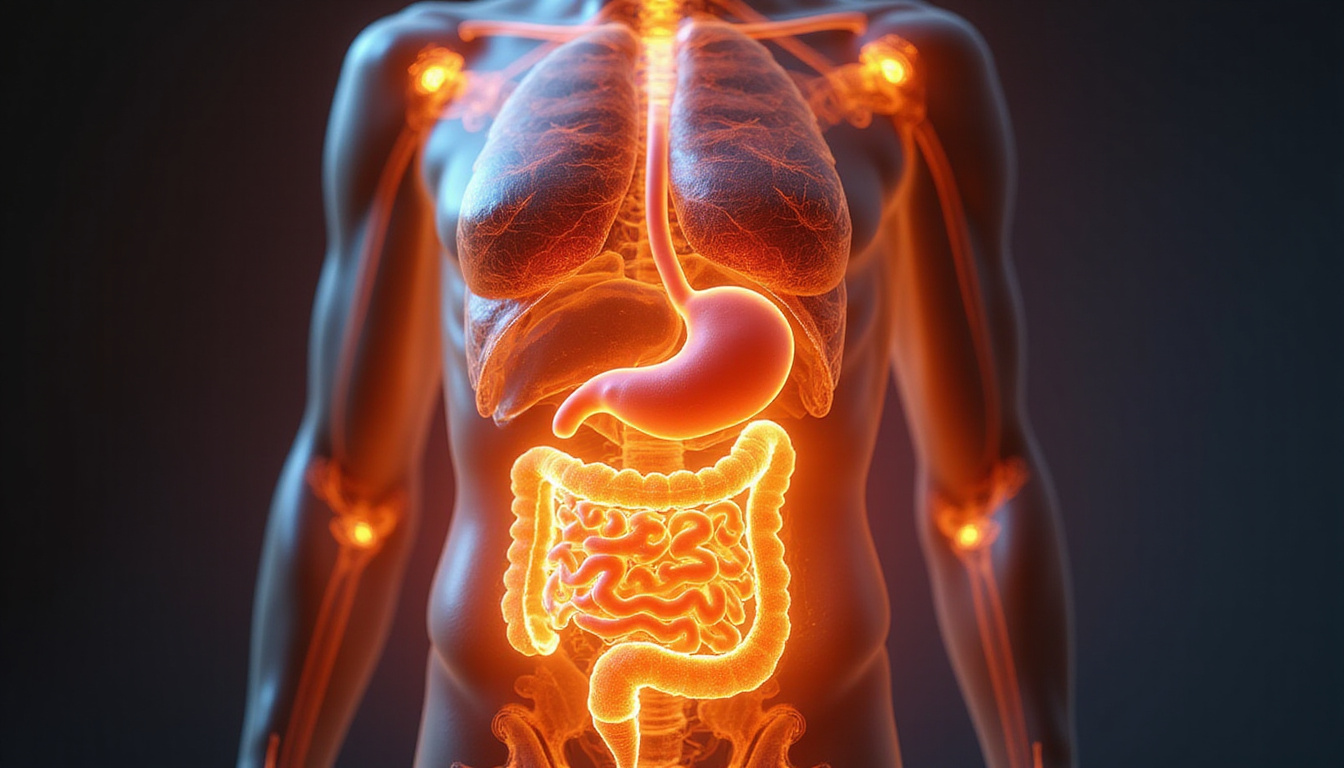
3. Cutting Belly Fat and Inflammatory Signals
Extra calories become fat when you eat too many refined carbs and fats. Belly fat sends out signals that feed inflammation.
A low carb diet cuts overall calories by:
- Using protein and fat to fill you up
- Reducing cravings that make you reach for sweets and snacks
- Keeping your blood sugar more even to stop hunger and emotional eating
Less belly fat means fewer signals that cause joint pain and swelling.
4. Cutting Back on Processed Foods and Seed Oils
Many carb-rich processed foods hold many seed oils (corn, soybean, sunflower, etc.) and additives. A Western plan tends to have a high omega‑6 to omega‑3 ratio. This shift feeds inflammatory reactions.
A low carb plan usually:
- Cuts fast foods, packaged snacks, and baked treats
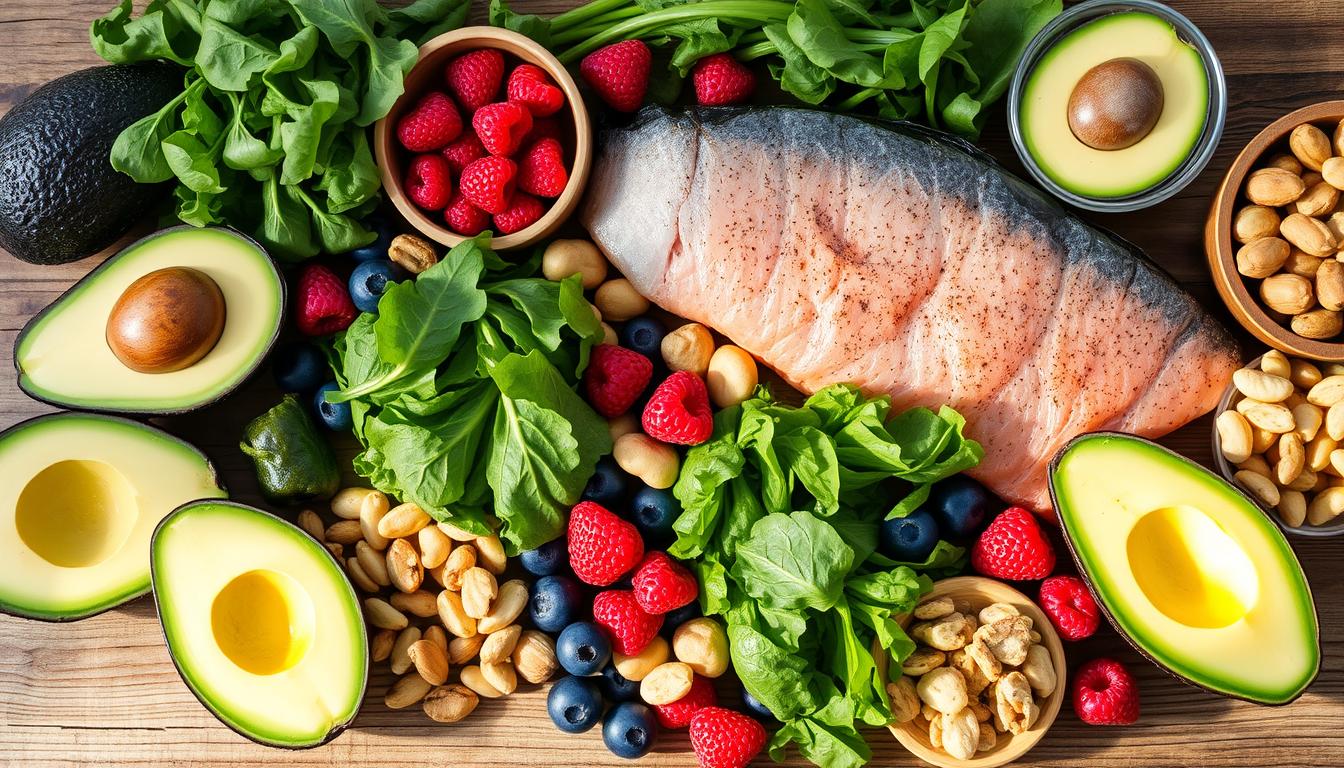
- Uses whole-food fats like olive oil, avocado, nuts, seeds, and fatty fish
- Brings a better balance of fatty acids into your diet
Building a Low Carb, Anti-Inflammatory Plate
You do not need to go very strict to gain benefits. Many see changes just by cutting refined carbs and balancing the plate.
Key Principles
-
Focus on food quality, not just counting carb grams.
A small bowl of berries acts differently from the same amount in candy. -
Build each meal with protein and non-starchy vegetables.
This base feeds you well and avoids high sugar jumps. -
Add healthy fats in each meal.
Fats slow digestion, fill you up, and help absorb key nutrients. -
Choose carbs that have fiber, vitamins, and a low level of processing.
Think vegetables, some fresh fruits, and if you can, some whole grains or legumes in small amounts.
What to Eat More Of
-
Non-starchy vegetables
Broccoli, leafy greens, cauliflower, zucchini, peppers, asparagus, Brussels sprouts, cucumbers, mushrooms. These foods are low in carbs, hold fiber, and bring antioxidants. -
High-quality protein
Eggs, chicken, fish, seafood, lean red meat, tofu/tempeh, plain Greek yogurt, cottage cheese. Protein helps repair tissues, including in your gut and joints. -
Healthy fats
Extra-virgin olive oil, avocado, olives, nuts (almonds, walnuts, pecans), seeds (chia, flax, hemp, pumpkin), and some coconut. Many of these show anti-inflammatory signs. -
Low-sugar fruits
Berries (blueberries, raspberries, strawberries), kiwi, citrus, and a small apple or pear. They add fiber and polyphenols without high sugar. -
Fermented and gut-friendly foods (if they suit you)
Sauerkraut, kimchi, kefir, plain yogurt, miso, and bone broth. These foods help your gut bacteria and lining.
What to Cut or Skip
- Sugary drinks (soda, sweet tea, energy drinks, juice)
- Desserts (cakes, cookies, candy, ice cream)
- Refined grains (white bread, white pasta, many breakfast cereals)
- Ultra-processed foods (chips, crackers, frozen dinners, many “diet” bars)
- High-sugar flavored yogurts and coffee drinks
- Too much alcohol, especially sweet cocktails and beer
The aim is not to be perfect. It is to get most of your carbs from whole foods that hold nutrients.
Sample Low Carb Anti-Inflammatory Meal Framework
You can adjust this plan to suit you.
Breakfast Ideas
- A veggie omelet made in olive oil with spinach, peppers, and mushrooms; serve with half an avocado.
- Plain Greek yogurt mixed with a small handful of berries, chia seeds, and walnuts.
- Smoked salmon paired with cucumber slices, tomato, and a drizzle of olive oil.
Lunch Ideas
- A big salad of mixed greens, grilled chicken or tofu, olives, cucumber, tomatoes, and pumpkin seeds with olive oil and lemon dressing.
- Burger wrapped in lettuce with tomato, pickles, and onion; serve with roasted Brussels sprouts.
- Sardine or tuna mix (with olive oil) over arugula and chopped vegetables.
Dinner Ideas
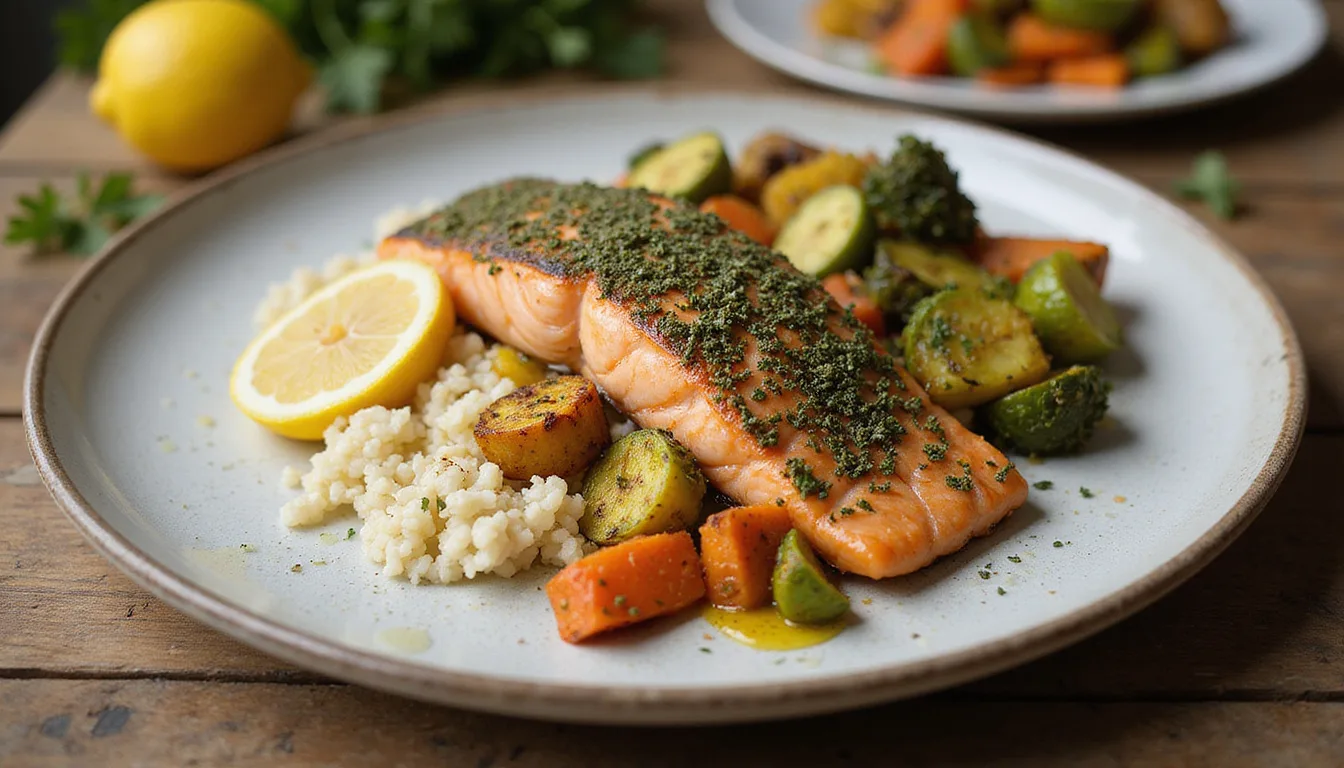
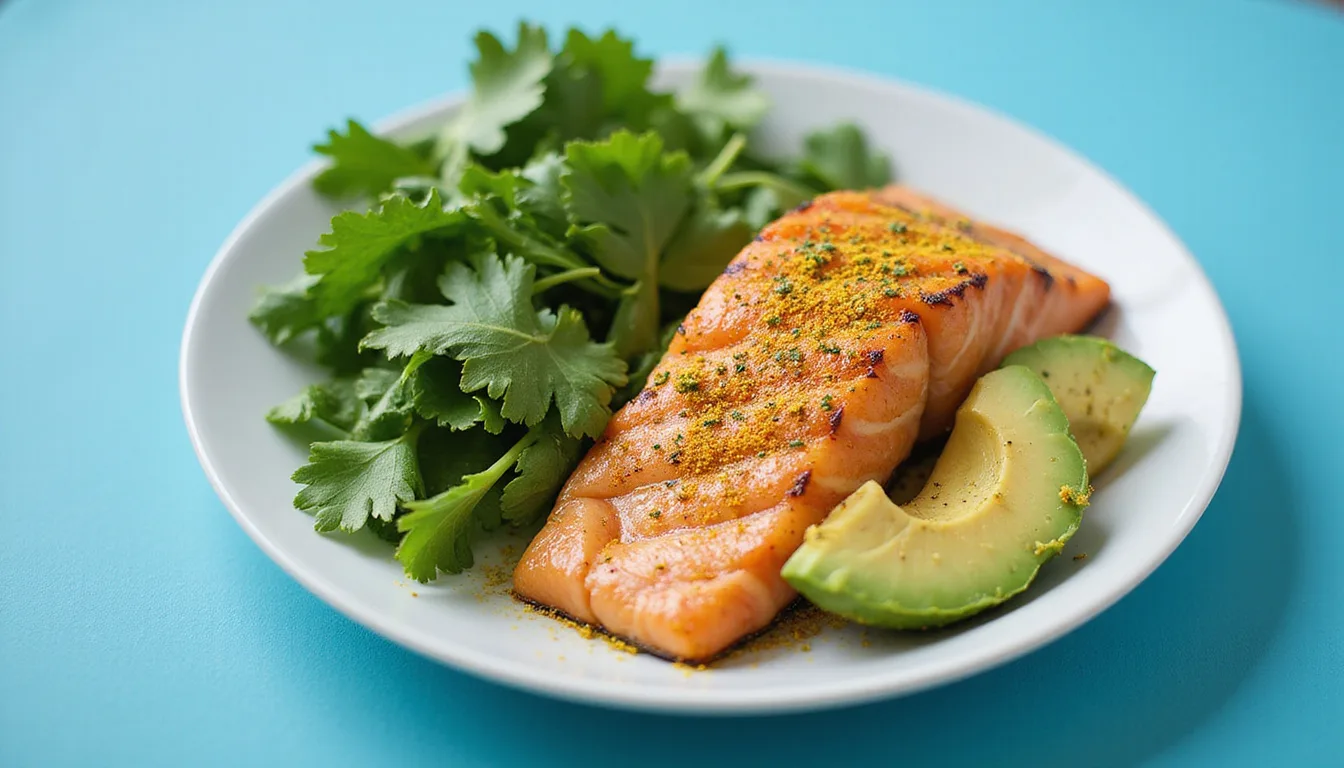
- Baked salmon served with roasted broccoli and cauliflower along with a side salad.
- A stir-fry with shrimp or chicken, non-starchy vegetables, and a splash of coconut aminos over cauliflower “rice.”
- Turkey meatballs in tomato sauce served with zucchini noodles and a light pinch of Parmesan.
Snack Ideas
- A small handful of nuts paired with a few berries.
- Celery sticks dipped in almond butter.
- Sliced bell peppers with hummus (if they suit you).
- Cheese slices with cucumber rounds.
Low Carb, Inflammation, and Bloating: Special Digestive Notes
Cutting carbs can reduce bloating by lowering extra sugars and processed items. But it is not the same for every person.
Fiber: A Friend Who Needs Care
Fiber helps your gut and keeps you regular. Still:
- A fast rise in fiber can bring gas and bloating.
- Some who face IBS or SIBO may find FODMAPs (certain fermentable carbs) hard to process.
If you see more bloating when you add many raw vegetables or certain fruits/legumes:
- Add fiber slowly.
- Cook vegetables to make them soft.
- Watch for foods that trigger your symptoms, like onions, garlic, apples, or beans.
- Think about a low-FODMAP way of eating with a diet expert if your signs do not ease.
Hydration and Minerals
Low carb eating may make you lose water and salts early on. This loss can lead to:
- Constipation
- Headaches
- Tiredness or muscle cramps
To fight this:
- Drink water during your day.
- Eat mineral-rich food like leafy greens, nuts, seeds, avocado, or broth.
- Add a small pinch of salt to meals if you cut many processed items.
Steps to Begin a Low Carb Inflammation Reset
Rather than changing everything at once, take small steps.
Step 1: Find Your Biggest Carb Sources
Review your day. Mark the items with:
- Sugary drinks
- Sweets and desserts
- Refined starches at each meal
- Ultra-processed snacks
Cut or reduce these first. This small change gives a win right away.
Step 2: Build a Better Plate
At each meal, use this simple guide:
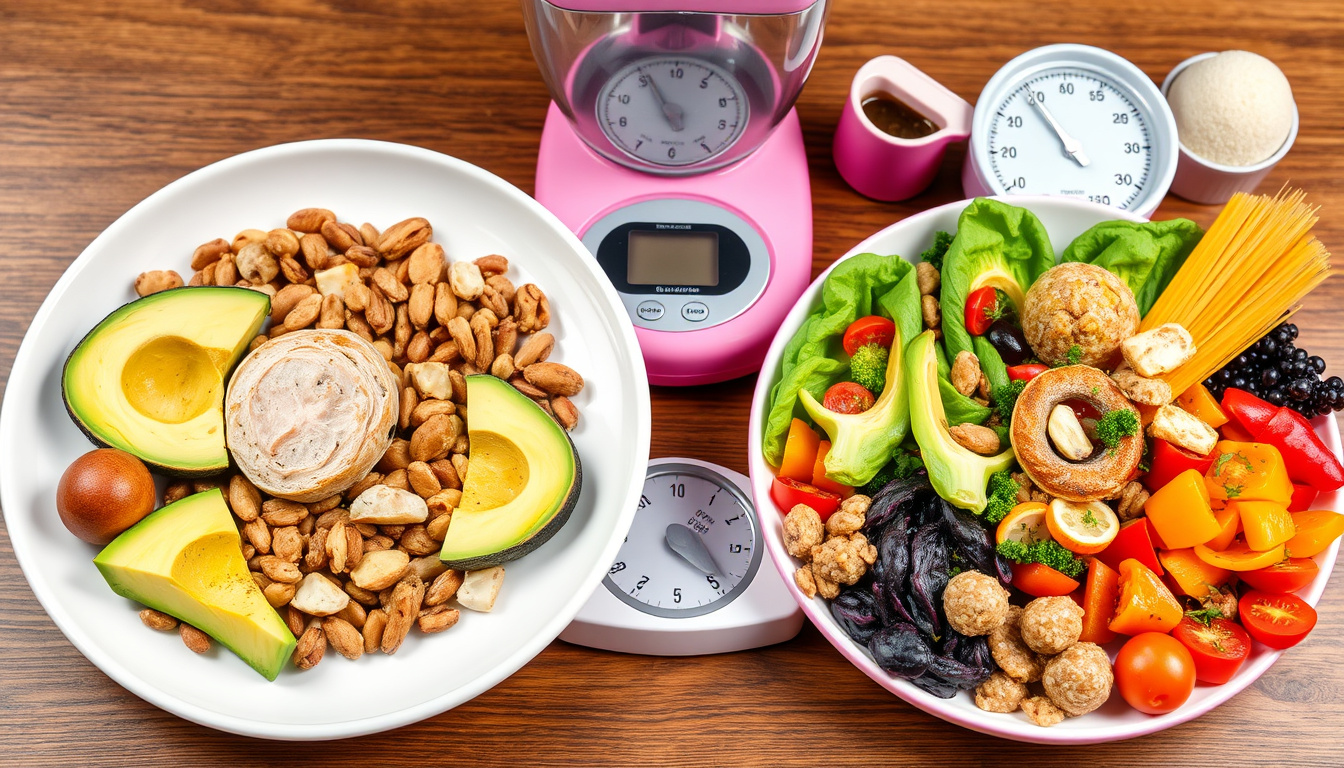
- Fill half your plate with non-starchy vegetables.
- Fill one quarter with protein.
- Fill one quarter with whole-food carbs or extra vegetables.
- Add one or two small spoonfuls of healthy fats.
This layout cuts extra carbs while raising fiber, nutrients, and fullness.
Step 3: Swap Smart, Don’t Just Remove
Make swaps that you like:
- Swap soda with sparkling water that has lemon or a drop of pure juice.
- Swap white rice with cauliflower rice or a small portion of brown rice.
- Swap pasta with zucchini noodles, spaghetti squash, or a small amount of bean pasta.
- Swap sweet yogurt with plain Greek yogurt mixed with berries and nuts.
- Swap candy with a small piece of dark chocolate (70%+ cocoa).
Step 4: Watch Your Signs, Not Just Your Numbers
Since your aim is to cut pain and bloating, note:
- Levels of joint stiffness and pain
- Tummy bloating and bowel changes
- Daily energy
- How well you sleep and your mood
Write down your notes each day for 2–4 weeks. This log shows the link between your food and your feelings.
Common Mistakes in a Low Carb Inflammation Plan
Avoiding simple errors makes your plan work better.
-
Dropping many carbs too fast
A sudden drop can bring tiredness, mood change, and gut shifts. A slow drop is easier. -
Replacing carbs with low-quality packaged foods
Some low carb foods hold additives, sugar alcohols, and poor fats. These may add to inflammation and bloating. -
Not eating enough overall
Too few calories can stress your body and upset hormones, which may raise inflammation. -
Overlooking your own food triggers
Even simple foods like eggs, dairy, or nuts can bother some. Listen to how your body speaks. -
Skipping advice for complex issues
If you face autoimmune troubles, IBD, diabetes, kidney issues, or are pregnant/breastfeeding, talk to a healthcare expert before you change your diet.
Who May Gain Most from a Low Carb Anti-Inflammatory Plan?
Almost everyone can gain by cutting out ultra-processed carbs. A low carb plan fits best if you:
- Show signs of prediabetes, insulin resistance, or type 2 diabetes (with help from a doctor)
- Deal with metabolic syndrome or belly fat
- Suffer from joint pain or osteoarthritis
- See frequent bloating, gas, or IBS signs
- Find that meals with high sugar or starch add to your pain or gut issues
Some, like endurance athletes, people with low body weight, or those facing some medical issues, might need a more tailored carb plan.
Frequently Asked Questions About Low Carb and Inflammation
1. Can a low carb diet cut chronic inflammation?
A low carb way of eating can cut chronic inflammation for many. It lowers blood sugar jumps and belly fat. It helps the gut and cuts out processed foods that prompt inflammation. Research shows that diets with few sugar spikes and little processing tie with lower markers like CRP. The best carb level still depends on your genes and health.
2. Which low carb foods fight inflammation and bloating best?
Foods that work well include:
- Fatty fish (salmon, sardines, mackerel) that bring omega‑3 fats
- Extra-virgin olive oil
- Leafy greens and vegetables like broccoli
- Berries in small amounts
- Avocado, nuts, and seeds
- Spices like turmeric, ginger, and garlic (if they suit you)
- Fermented foods (sauerkraut, kimchi, kefir) that help your gut
These choices bring healthy fats, antioxidants, and signals that calm your gut and digestions.
3. How long to see change with low carb eating?
Some feel less bloating and more steady energy in a few days after cutting sugar and refined carbs. Joint pain and body-wide inflammation may take weeks or even months. Track your signs for 4–8 weeks to see the links.
Take Charge of Pain and Bloating With a Smart Low Carb Plan
You can change how you live. You do not accept pain, stiffness, and bloating as normal. A low carb plan built on whole foods, steady blood sugar, and gut support gives you a tool each day to calm your body.
Start by cutting your biggest refined carb sources. Build meals around protein, vegetables, and healthy fats. Track how you feel. Small, steady swaps build a real change in comfort, mobility, and gut health.
Pick one meal today and work by these simple steps. Then add more changes day by day. For a plan that fits you best, talk with a registered dietician or a trusted healthcare expert who can help shape a low carb plan for your body, your life, and your needs.
[center]Always consult with your doctor prior to making drastic diet changes.[/center]
[center]As an Amazon Affiliate, Savvy Keto makes a small commision (at no extra cost to you) on any purchases you make thru affiliated links you click on.[/center]