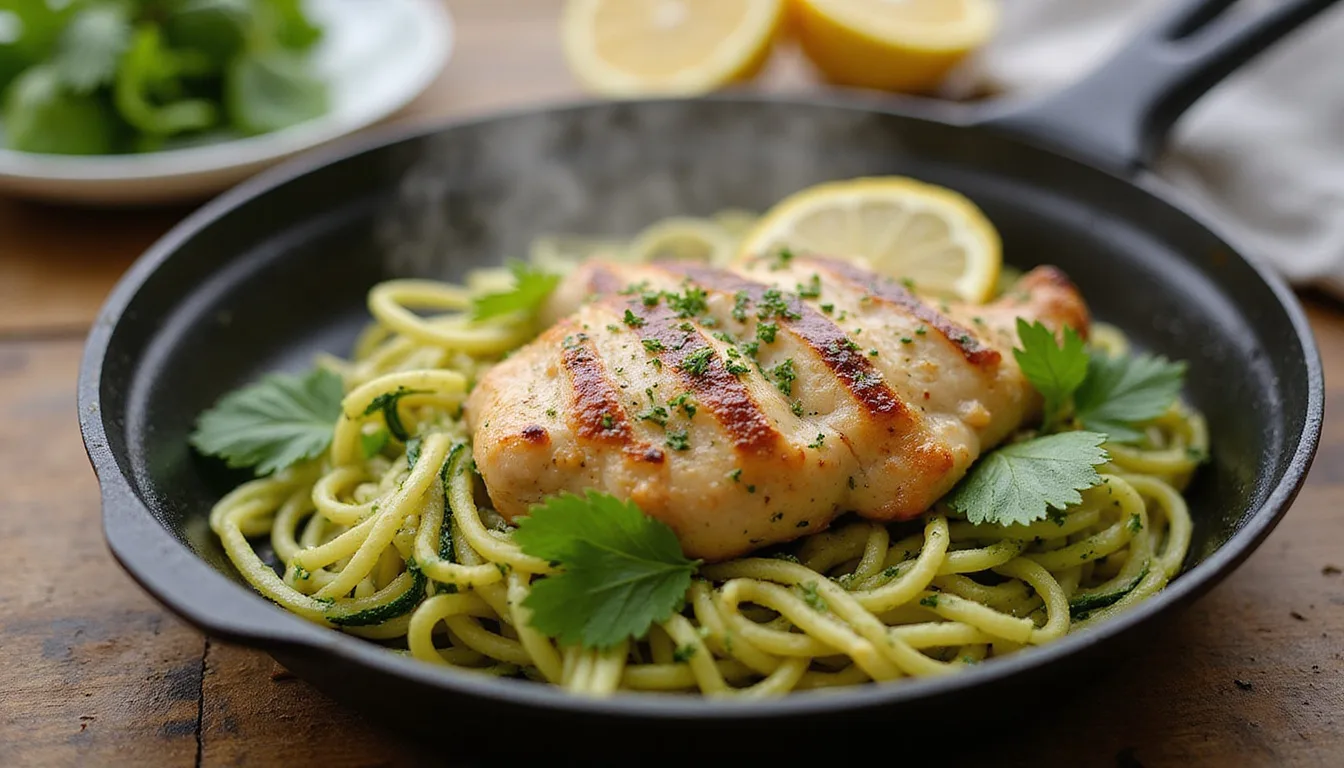
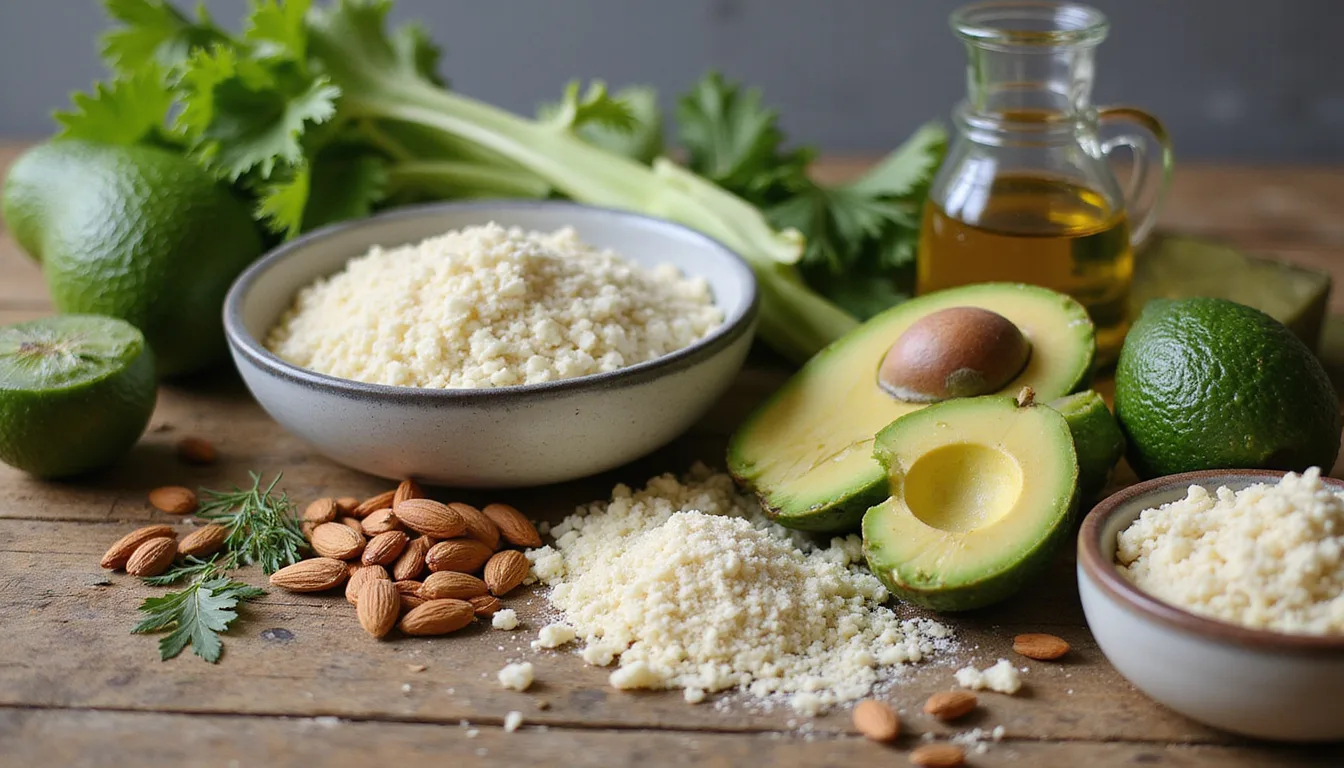
Building a pantry with low-carb basics makes meals simple and tasty. A stocked shelf holds the right food. This food brings ingredients close, so you feel full and smart in the kitchen. With every ingredient near each other, low-carb cooking becomes a practice of eating well, fast, and with variety.
Below is a guide. It shows the best low-carb basics for your kitchen, tells you how to use them, and gives smart hints to mix them into meals you will enjoy.
Why Low Carb Basics Matter

When you follow keto, a moderate low-carb plan, or simply cut sugar and refined grains, low-carb basics in your pantry, fridge, and freezer help you.
- They cut last-minute takeout.
- They make weeknight cooking quick.
- They reduce the pull toward high-carb foods.
- They keep your meals with protein, fiber, and good fats.
You do not build every meal from scratch. You join a set of key ingredients in new ways. Each pair of words stays near, so the idea is simple and clear.
Pantry Low Carb Basics: The Core of Fast Meals
A full pantry is your low-carb safety net. The shelf items form the backbone of many recipes.
1. Healthy Cooking Oils and Fats
Pick fats that stand heat and add taste:
- Extra-virgin olive oil – Use for dressings, drizzling, and low-to-medium heat.
- Avocado oil – It is neutral and stands high heat; great for roasting and stir-frying.
- Ghee or clarified butter – Use for sautéing and pan sauces with rich flavor.
- Coconut oil – Use in curries, baking, and some roasted veggies.
These fats hold little carb and help meals feel more filling.
2. Canned and Jarred Proteins
Protein holds meals together. Pantry proteins save time:
- Canned tuna, salmon, and sardines – Use in quick salads, patties, or mixes with mayo and herbs.
- Canned chicken – Use for quick soups, casseroles, or lettuce wraps.
- Shelf-stable tofu (silken) – Use in creamy sauces, desserts, or smoothies.
Check that they come in water or olive oil. Do not choose if they add sugars.
3. Nuts and Seeds
Nuts and seeds pack fat and nutrients. Their use must stay in control. They are excellent low-carb basics:
- Almonds, walnuts, pecans, macadamias – Eat as snacks, chop them on salads, or grind for coatings.
- Pumpkin, sunflower, chia, and flax seeds – Add them to yogurt, salads, or low-carb baking.
- Nut and seed butters – Try almond, peanut, tahini, or sunflower seed butter; use as dips or sauces.
They bring healthy fats, fiber, and crunch to meals.
4. Low-Carb Flours and Breading Options
If you crave comfort food, try these:
- Almond flour – Use for breading chicken or fish, or in baked goods.
- Coconut flour – This one soaks up liquids; use in recipes that need it.
- Ground pork rinds – With zero carbs, use them as a crunchy substitute.
- Psyllium husk powder – Use it to make low-carb breads and wraps with chew.
Use these smartly; they help you make meals that feel familiar.
5. Broths and Stocks
Keep these on hand:
- Chicken, beef, and vegetable broth – Use them as a base in soups, stews, and sauces.
- Bone broth – Use for its rich flavor and collagen boost.
Low-sodium types let you control salt better.
6. Canned Tomatoes and Tomato Products
Tomatoes add depth and that savory note. They hold some natural sugars, so use measured portions:
- Crushed, diced, or whole canned tomatoes
- Tomato paste
Do not use brands with added sugar. Use them in sauces, chili, shakshuka, and braises.
7. Shelf-Stable Low-Carb Sauces and Condiments
Flavor lifts a meal. Stock your shelf with:
- Mustards – Try Dijon, whole grain, or yellow.
- Sugar-free hot sauces and salsas – Check labels for hidden sugars.
- Vinegars – Use apple cider, red wine, white wine, or rice vinegar.
- Coconut aminos or low-sodium tamari – They act as soy sauce alternatives (check carbs).
They change the same proteins and vegetables into fresh meals.
Refrigerator Low Carb Basics: Fresh Flavor on Demand
Your fridge brings color and texture to low-carb meals.
8. Eggs: The Ultimate Low-Carb Workmate
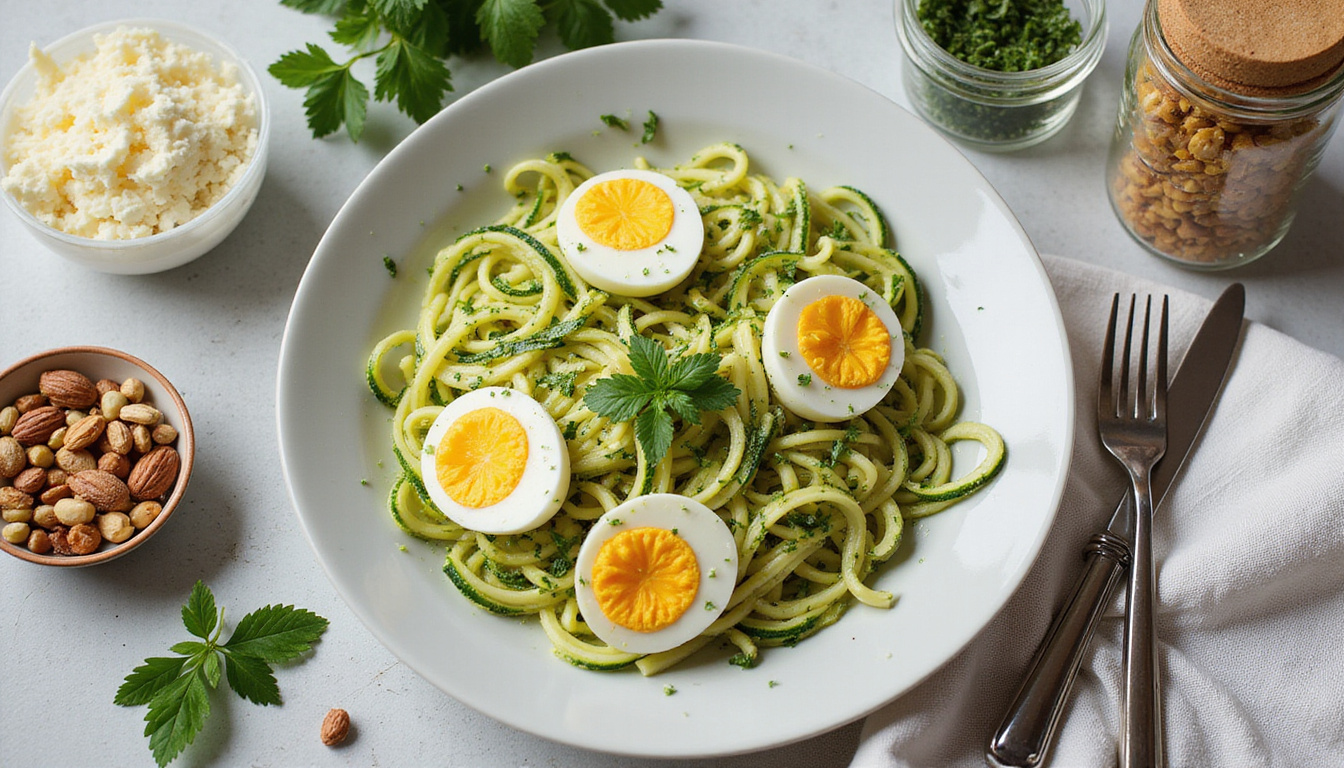
Eggs stay low in carbs. They are cheap and fit many tasks:
- Make scrambles or omelets with leftover veggies and cheese.
- Bake a frittata when you need to use your leftovers.
- Prepare hard-boiled eggs as snacks or salad toppings.
They work for breakfast, lunch, or dinner.
9. Cheese and Dairy (When You Tolerate Them)
Dairy adds cream and taste:
- Hard cheeses – Cheddar, parmesan, and gouda work well.
- Soft cheeses – Try goat cheese, feta, cream cheese, ricotta.
- Greek yogurt (unsweetened) – Choose full-fat for sauces, dips, or a nutty parfait.
- Heavy cream or half-and-half – Use in coffee, sauces, and some soups.
Read labels; some yogurt and flavored cheese mix in extra sugars.
10. Non-Starchy Vegetables
Fill most of your plate with low-carb vegetables:
- Leafy greens – Eat spinach, arugula, kale, romaine, or mixed greens.
- Cruciferous veggies – Eat broccoli, cauliflower, cabbage, or Brussels sprouts.
- Salad basics – Use cucumbers, bell peppers, radishes, and cherry tomatoes (in short portions).
- Aromatics – Use onion (in small amounts), garlic, celery, and leeks.
Pre-washed salad mixes and coleslaw blends save time.
11. Low-Carb Fermented Foods
Fermented foods help with gut health and add sour notes:
- Sauerkraut and kimchi – Check for no extra sugar.
- Pickles – Choose dill, not the sweet ones.
- Plain kefir – Use if you eat dairy and want a tangy drink.
They brighten rich, meaty dishes and add variety.
12. Fresh Herbs and Citrus
Small items can add big flavor with few carbs:
- Herbs – Use parsley, cilantro, basil, dill, chives, thyme, or rosemary.
- Citrus – Use lemons and limes. Their zest and juice work in small amounts.
A squeeze of lemon or some herbs can lift a meal quickly.
Freezer Low Carb Basics: Your Backup Plan
A stocked freezer means you are never far from a meal.
13. Frozen Vegetables
Frozen veggies hold many nutrients and can cost less:
- Broccoli, cauliflower, Brussels sprouts
- Riced cauliflower
- Spinach and kale
- Stir-fry mixes (use those without sauces that add sugar)
They work for quick sautés, sheet-pan roasts, or last-minute sides.
14. Frozen Proteins
When these go on sale, buy them:
- Chicken thighs and breasts
- Ground beef, turkey, pork, or chicken
- Fish fillets – Such as salmon, cod, tilapia, or shrimp.
- Sausages and meatballs – Choose those without fillers or extra sugars.
Thaw them overnight or use fast-thaw methods.
15. Ready-to-Blend Smoothie Parts
For quick and low-carb smoothies, keep these:
- Frozen berries – They hold fewer sugars than many fruits.
- Frozen spinach or kale
- Portion cubes of coconut milk or heavy cream
Mix in protein powder to create a simple, low-carb treat.
Flavor-Boosting Low Carb Basics: The Secret to Not Getting Bored
Low-carb meals can feel the same without change. Use these to keep your food fun.
16. Spice Cabinet Essentials
A strong spice set turns plain food into many types of dishes:
- For everyday meals: Use salt, pepper, garlic powder, onion powder, and paprika.
- For Mexican-style dishes: Use cumin, chili powder, oregano, and smoked paprika.
- For Italian-style tastes: Use Italian seasoning, basil, oregano, or rosemary.
- For Indian-style dishes: Use curry powder, garam masala, or turmeric.
- For Middle Eastern tastes: Use cumin, coriander, sumac, or za’atar.
Pre-made blends like taco or Cajun seasoning may work if they hold no sugar.
17. Low-Sugar Condiments
Keep an eye on labels. Pick these:
- Sugar-free ketchup
- Mayonnaise made with avocado or olive oil
- Pesto – Store-bought or made at home.
- Harissa, gochujang (check carbs), or sriracha alternatives
- Sugar-free BBQ sauce – Use in small amounts
They turn grilled or roasted food into something new in seconds.
Building Easy Meals from Low Carb Basics
When your kitchen is stocked, making low-carb meals comes down to combining blocks of food.
1. Simple Formula for Low-Carb Plates
Follow this pattern for almost any meal:
- Protein: One or two palm-sized portions from chicken, fish, eggs, tofu, beef, etc.
- Low-carb vegetables: Fill at least half your plate with non-starchy veggies.
- Healthy fat: Drizzle olive oil, add avocado, cheese, nuts, or seeds.
- Flavor booster: Add herbs, spices, condiments, or a squeeze of citrus.
Example:
Grilled chicken, roasted broccoli, a drizzle of olive oil, a touch of parmesan, and a hint of lemon zest.
2. Quick Basic Meal Ideas
Put low-carb basics together to make meals in 15–20 minutes:
-
5-Minute Tuna Avocado Salad
Mix canned tuna, mayo, diced celery, pickles, and half an avocado on greens. -
Egg and Veggie Skillet
Sauté frozen spinach and onions in olive oil, then add eggs. Top with cheese and herbs. -
Cauliflower Fried Rice
Stir riced cauliflower with frozen veggies, scrambled egg, a dash of tamari, and a drop of sesame oil. -
Salmon Sheet-Pan Dinner
Place frozen salmon and broccoli florets with olive oil, lemon, and garlic powder on a sheet pan. Roast until done. -
Low-Carb Nachos
Use pork rinds topped with seasoned ground beef, cheese, salsa, and a bit of sour cream as an occasional treat.
Shopping List: Low Carb Basics to Stock First
Here is a starter list for your trip to the store. Change it to fit your taste and diet.
-
Proteins
• Eggs
• Canned tuna or salmon
• Chicken thighs or breasts (fresh or frozen)
• Ground beef or turkey
• Cheese (block cheddar, parmesan, feta) -
Vegetables & Fruit
• Leafy greens like spinach, romaine, or mixed greens
• Broccoli and cauliflower (fresh or frozen)
• Bell peppers and cucumbers
• Frozen riced cauliflower
• A small bag of frozen berries -
Fats & Dairy
• Extra-virgin olive oil
• Avocado oil
• Butter or ghee
• Heavy cream or full-fat Greek yogurt -
Pantry & Dry Goods
• Nuts like almonds, walnuts, or pecans
• Seeds such as chia, flax, or pumpkin
• Almond flour
• Canned tomatoes
• Chicken or vegetable broth
• Mustard and vinegar -
Flavor Boosters
• Garlic and onions
• Dried herbs and spices (Italian blend, cumin, chili powder, paprika, curry powder)
• Sugar-free hot sauce
• Fresh herbs (parsley, cilantro, basil)
• Lemons or limes
Start with these core items. Then, add more specialized ones as you find new recipes that work for you.
Common Pitfalls When Stocking Low Carb Basics
Even when you try hard, more carbs can sneak in. Watch for these:
-
Hidden sugars in condiments and sauces.
Look over the ingredients for sugar, honey, molasses, corn syrup, or evaporated cane juice. -
Labels that claim "keto" or "low-carb" but are not truly low-carb.
Some products tell a good story but hide extra carbs. Check the nutrition facts. -
Overuse of nuts, cheese, and low-carb baked goods.
They are handy but very high in energy. If weight loss matters, use small portions. -
Relying on processed "alternatives."
Low-carb tortillas, bars, and sweets help sometimes, but whole foods give more lasting satiety.
FAQs About Low Carb Basics
1. What are the best low carb pantry basics for beginners?
For beginners, stick to the basics: canned tuna or chicken, eggs, olive oil, nuts, canned tomatoes, chicken broth, frozen vegetables, and a few spices like garlic powder, Italian seasoning, and chili powder. These basics let you make simple meals without hard recipes.
2. Which low carb kitchen basics help prevent cravings?
High-protein and high-fiber items help curb cravings. Keep eggs, Greek yogurt, cheese, nuts, seeds, avocados, and plenty of non-starchy vegetables nearby. Pair these with good fats like olive oil or avocado oil to feel full longer and avoid high-carb snacks.
3. Are there low carb snack basics that you can keep at home?
Yes. Low-carb snack basics include hard-boiled eggs, string cheese or cheese cubes, portioned almonds or walnuts, olives, pickles, celery with a nut butter, and small portions of berries with Greek yogurt. These store well, come together fast, and beat sugary snacks.
Turn Your Kitchen into a Low-Carb Powerhouse
A low-carb life is easier when your space helps you. By stocking low-carb basics in your pantry, fridge, and freezer, you make a healthy choice simple each day.
You do not need fancy items or long recipes to eat well. Start by adding a few basics on your next store visit. Then, build your collection over time. Mix new flavors and try a few simple recipes that feel automatic.
Make your kitchen support your low-carb plan. Swap a few high-carb items with low-carb ones today. With the right basics in place, simple and tasty low-carb meals become your new routine rather than a short plan.
[center]Always consult with your doctor prior to making drastic diet changes.[/center]
[center]As an Amazon Affiliate, Savvy Keto makes a small commision (at no extra cost to you) on any purchases you make thru affiliated links you click on.[/center]