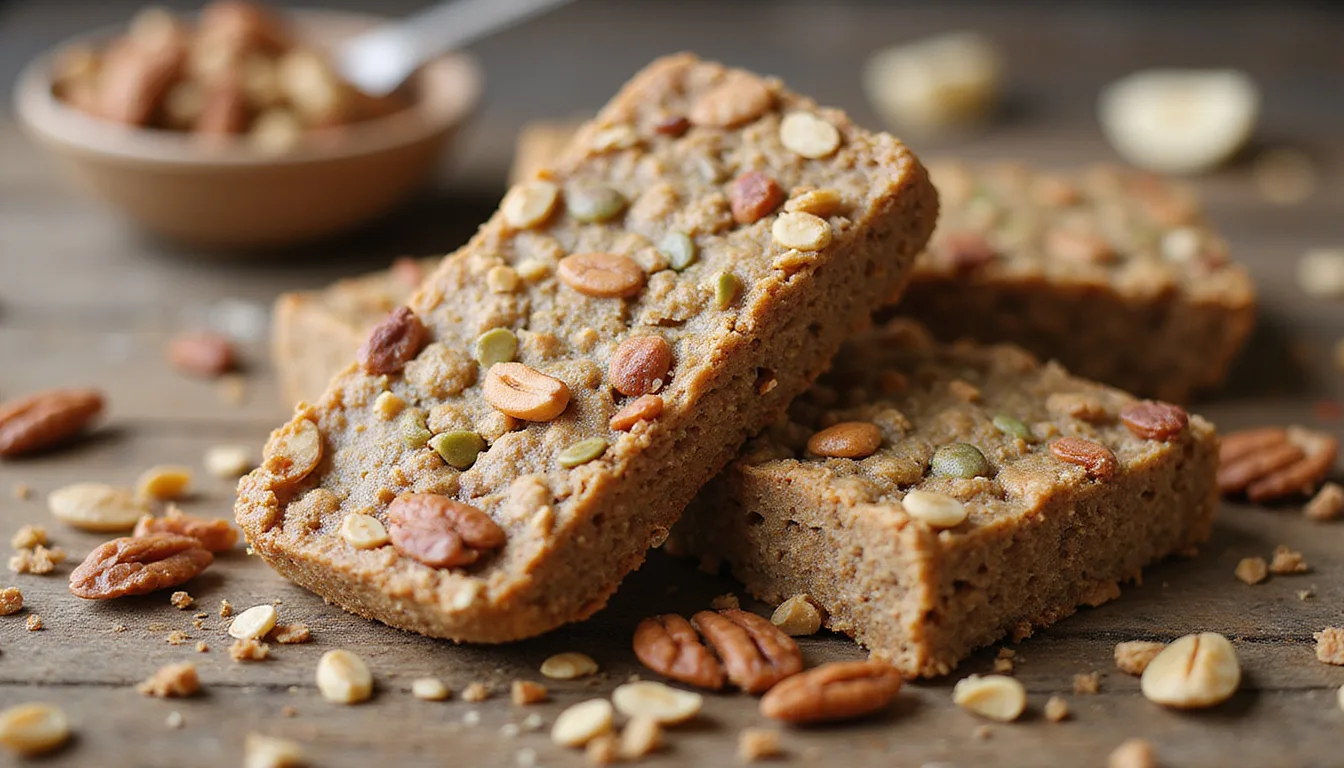
Insulin Levels: 10 Surprising Foods That Balance Blood Sugar Naturally
Healthy insulin levels lift energy, shape weight, and build long-term health. Insulin is the hormone that moves sugar from your blood into your cells. When insulin stays high or cells stop to hear its call, weight gain, tiredness, type 2 diabetes, and heart disease can grow. The good news is that what you eat daily can change how your body handles blood sugar and insulin.
Below you find 10 surprising foods that help keep blood sugar even and steady insulin naturally—plus clear ideas to put them in simple meals.
Why Insulin Levels Matter More Than You Think

Insulin shows up most in talks of diabetes but touches each day for everyone. After you eat carbs, blood sugar climbs. Your pancreas then sends insulin which:
- Moves sugar into cells for energy
- Tells the liver and muscles to store extra sugar
- Triggers fat storage when there is more energy than you need
If insulin stays high (from snacking, sugary foods, or processed carbs), cells may not react as they should. In time, your body might need more insulin to get the job done. This can cause:
- Constant hunger and cravings
- Extra weight, especially in the middle
- Tiredness and energy falls
- A rise in risks for prediabetes and type 2 diabetes
- High triglycerides and blood pressure
Smart food choices can keep blood sugar jumps low, slow insulin surges, and keep cells alert for insulin.
1. Cinnamon: A Sweet Spice That Supports Insulin Sensitivity
Cinnamon is more than a spice for desserts. Many studies show that cinnamon may help cells feel insulin and lower blood sugar when you have eaten nothing for a while.
How cinnamon works:
- May help cells catch insulin better
- Can slow the emptying of the stomach so sugar climbs slowly
- May push sugar into cells
How to use it:
- Stir ½–1 teaspoon into plain yogurt or oatmeal
- Mix in coffee instead of using flavor syrups
- Sprinkle on baked apples or roasted sweet potatoes
- Blend in a smoothie with banana and almond butter
Try Ceylon cinnamon if you can; it comes with lower coumarin, a substance that can be bad if taken in large amounts.
2. Apple Cider Vinegar: Acid That Helps Flatten Blood Sugar Spikes
Apple cider vinegar is popular in natural health. Many do not know how it acts on blood sugar and insulin.
How ACV works:
- Its acid may help the body use insulin well after a high-carb meal
- It slows the digestion of carbs, keeping blood sugar low after a meal
- It helps you feel full and can quiet appetite
How to use it safely:
- Mix 1–2 teaspoons of raw, unfiltered ACV in water before a carb-rich meal
- Use as the base of a salad dressing with olive oil and herbs
- Marinate chicken, tofu, or fish in ACV sauces
Always mix ACV with water to guard your teeth and throat. Check with a healthcare maker if you face stomach issues.
3. Lentils: A Carb That Actually Supports Stable Blood Sugar
Lentils seem high in carbs. Yet, thanks to fiber and protein, they act very differently from refined carbs.
Why lentils work:
- Full of fiber that slows sugar absorption
- Rich in plant protein that softens insulin surges
- Provide resistant starch that helps cells stay sensitive
Easy ways to add lentils:
- Use them in place of rice or pasta in your bowl
- Stir into soups, stews, and curries
- Toss into a salad with olive oil, lemon, herbs, and chopped veggies
Switching refined carbs for lentils now and then can help your body use insulin more efficiently.
4. Chia Seeds: Tiny Seeds With Big Blood Sugar Benefits
Chia seeds pile on fiber and good fats, both key for insulin balance.
How chia seeds work:
- They hold much soluble fiber that forms a gel in your stomach and slows digestion
- This gel slows the rise of sugar in your blood
- Their good fats keep sugar steady and insulin calm
How to use chia seeds:
- Make a pudding with unsweetened milk, vanilla, and berries
- Stir into yogurt, oatmeal, or cottage cheese
- Put 1 tablespoon in a smoothie for extra fiber and a fuller feeling
Start with 1 tablespoon daily and drink water to help your digestion.
5. Greek Yogurt: Protein-Packed Support for Insulin Control
Not every dairy item helps with blood sugar. Choose plain Greek yogurt that is full of protein and low in carbs.
Why it helps insulin:
- Protein slows digestion and keeps sugar low
- Some good bacteria in it may help cells feel insulin
- The mix of protein and fat makes you feel full longer
How to eat it:
- Pick plain, unsweetened Greek yogurt (full-fat or 2% works best)
- Top with nuts, seeds, or a few berries that keep sugar low
- Use as a base for savory dips with garlic, lemon, and herbs
- Swap it in place of sour cream in recipes
Stay away from flavored types that add sugars, as these can spur insulin surges.
6. Dark Leafy Greens: Nutrient-Dense, Carb-Light Powerhouses
Spinach, kale, Swiss chard, and collard greens carry many nutrients and few carbs.
Why greens are key:
- They hold almost no digestible carbs
- They bring magnesium, a mineral linked to better insulin work
- They carry antioxidants that fight cell stress, which can stop insulin from working well
Simple ways to use greens:
- Toss a big handful of spinach into omelets or scrambled eggs
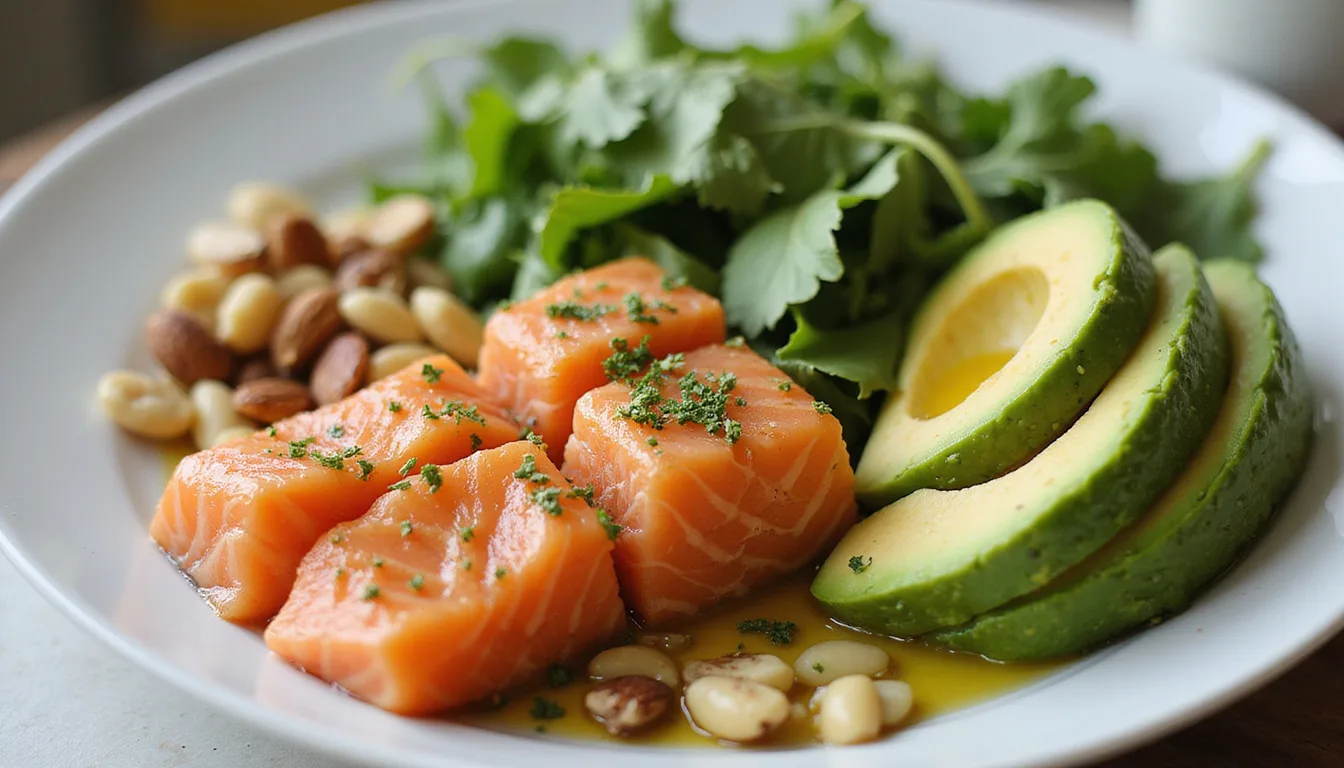
- Create a salad with mixed greens, avocado, nuts, and a healthy protein
- Sauté kale or chard with garlic and olive oil as a side
- Mix spinach into a smoothie; its taste fades in the mix
Make greens a regular part of your plate to support steady insulin for days to come.
7. Nuts and Nut Butters: Healthy Fats That Slow Sugar Absorption
Almonds, walnuts, pistachios, and their kin bring good fats that help control blood sugar when you eat them in small amounts.
How nuts work for insulin:
- They hold unsaturated fats that help cells respond to insulin
- They pack fiber and protein that slow sugar uptake
- They keep sugar surges low when paired with higher-carb foods
Practical uses:
- Snack on a small handful (about ¼ cup) of unsalted nuts
- Pair a fruit like an apple with 1–2 tablespoons of nut butter
- Scatter nuts on salads, yogurt, or cooked veggies
- Mix nut butters in a smoothie instead of sugary powders
Keep an eye on portions since nuts are high in calories but very good for steady insulin.
8. Berries: Sweet Fruit With a Gentle Blood Sugar Impact
Fruit sometimes gets a bad name when it comes to insulin, but berries are a kind friend of blood sugar.
Why berries are smart:
- They hold less sugar and more fiber than many fruits
- They carry polyphenols that help cells hear insulin
- They have a low glycemic load so sugar rises slowly
Great ways to include berries:
- Add a small handful (½ cup) to Greek yogurt or chia pudding
- Blend into a smoothie with greens and a protein source
- Eat as a treat with a spoon of unsweetened whipped cream or yogurt
Pick fresh or frozen berries without extra sugar. Avoid syrups or dried fruit that can spike sugar.
9. Avocado: A Creamy Fruit That Keeps You Full and Stable
Avocado comes rich with good fats, fiber, and key nutrients. Its creamy form helps you feel full and lowers sugar spikes.
Why avocado helps:
- It holds very few net carbs
- Its fats slow the pace of digestion and sugar uptake
- It makes you feel full so you snack less
How to enjoy avocado:
- Slice on whole-grain or seed crackers with egg or smoked salmon
- Chop in salads or burrito bowls for cream and staying power
- Mash with lime, garlic, and salt to make guacamole with veggie sticks
- Blend a little into a smoothie for a creamy feel
Use avocado with carb dishes to lower the overall sugar rise.
10. Oats (Steel-Cut or Rolled): Whole Grains That Work for You, Not Against You
While refined grains can make sugar jump, plain oats work in your favor when eaten as part of a balanced meal.
Why oats work:
- They carry soluble fiber like beta-glucan that slows carbohydrate digestion
- They support better use of insulin when eaten with other balanced foods
- They help you feel full and may stop later overeating
Best ways to use oats:
- Choose steel-cut or old-fashioned rolled oats over instant ones
- Cook with water or unsweetened milk, and skip sweet packets
- Add a protein like Greek yogurt, protein powder, or eggs and good fats such as nuts or seeds
- Use fruit sparingly; pick berries over bananas or dried fruit
The secret is pairing oats with protein and fats to keep insulin steady, not sugar high.
How to Build Blood Sugar–Friendly Meals
Knowing single foods is helpful, but your whole meal matters more. Try this simple plan for steady insulin:
-
Start with protein
Aim for 20–30 grams per main meal from eggs, fish, chicken, tofu, Greek yogurt, or lentils. -
Add healthy fats
Use avocado, olive oil, nuts, seeds, or olives to slow digestion. -
Fill half your plate with non-starchy vegetables
Try leafy greens, broccoli, peppers, zucchini, cauliflower, or cucumbers. -
Choose smart carbohydrates
Pick lentils, beans, steel-cut oats, quinoa, or small portions of whole fruits like berries. -
Use a sugar-friendly boost
Stir cinnamon into carbs; mix ACV in dressings; add chia or flax seeds into yogurt or smoothies.
This set-up lowers the sugar burst from your meals and keeps insulin calm all day.
Lifestyle Habits That Multiply the Effects of These Foods
Food stands at the center, but a few habits can add to the effect:
-
Walk after meals
A 10–20 minute walk after you eat can lower sugar spikes and the need for insulin. -
Get good sleep (7–9 hours)
Poor sleep links to cells not hearing insulin and a rise in sugar cravings. -
Manage stress
Long-term stress sends cortisol up, which can lift sugar and upset insulin. Simple deep breaths or stretching can help. -
Do strength training 2–3 times each week
Muscles use sugar better; a bit more muscle means cells work well with insulin.
These habits help your body hear insulin. When they work well, the food you choose has more benefit.
FAQ: Insulin Levels and Natural Blood Sugar Support
-
What foods lower blood sugar and insulin levels fast?
Foods high in protein, fiber, and good fats slow sugar rises and keep insulin steady. Try eggs, nuts, Greek yogurt, avocado, lentils, chia seeds, and leafy greens. When you mix these with higher-carb foods like oats or fruit, your overall insulin jump stays low. -
Which foods help cells hear insulin better over time?
This is a long plan. Regular foods like cinnamon, diluted apple cider vinegar, lentils, beans, steel-cut oats, nuts, seeds, fatty fish, and dark leafy greens—paired with steady exercise and good sleep—help cells use insulin more simply over time. -
What are the best foods to keep insulin levels steady for weight loss?
If you aim to lose weight, avoid big sugar jumps. Choose meals built on protein (fish, chicken, tofu, Greek yogurt), fiber-rich carbs (lentils, vegetables, a few whole grains), and good fats (avocado, olive oil, nuts). Foods like berries, chia seeds, Greek yogurt, leafy greens, and nuts help curb hunger while keeping insulin steady.
Take Control of Your Insulin Levels—One Meal at a Time
You do not need the perfect diet for good insulin; you need steady, smart choices. By using foods like cinnamon, apple cider vinegar, lentils, chia seeds, Greek yogurt, leafy greens, nuts, berries, avocado, and oats, you build a daily routine that
- Keeps sugar jumps down
- Gives the pancreas a lighter load
- Keeps energy steady and cuts cravings
- Guards against cells not hearing insulin and type 2 diabetes
Start small. Pick two or three foods and add them to your meals this week. Swap refined carbs for lentils a few times, mix cinnamon into your breakfast, and add chia seeds and berries to your yogurt.
When you are ready, make a simple weekly plan with these foods and track your energy, hunger, and cravings. If you live with prediabetes, diabetes, or use sugar-lowering drugs, talk with a healthcare maker before you change things. Better insulin levels sometimes need changes in your medicines.
Your plate is a strong tool. Use it to help your insulin stay in balance—starting with your next meal.
[center]Always consult with your doctor prior to making drastic diet changes.[/center]
[center]As an Amazon Affiliate, Savvy Keto makes a small commision (at no extra cost to you) on any purchases you make thru affiliated links you click on.[/center]