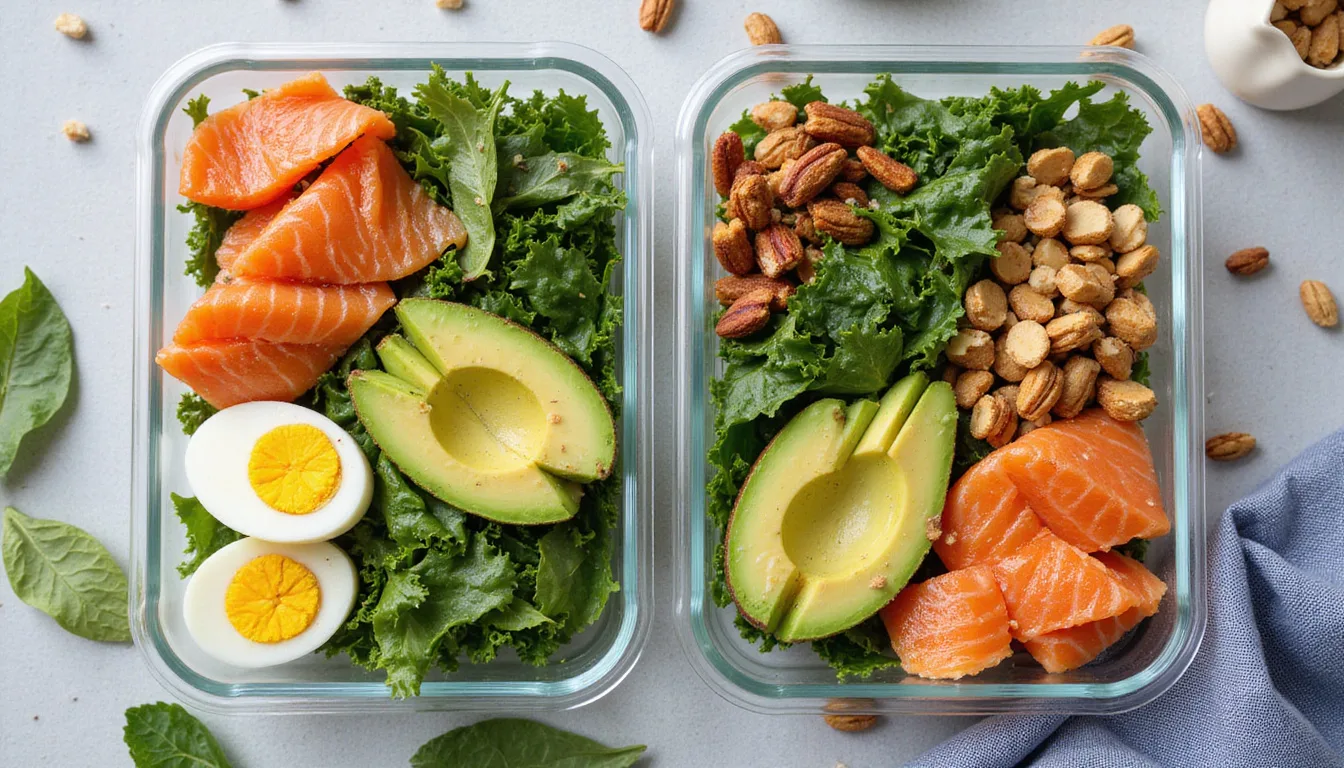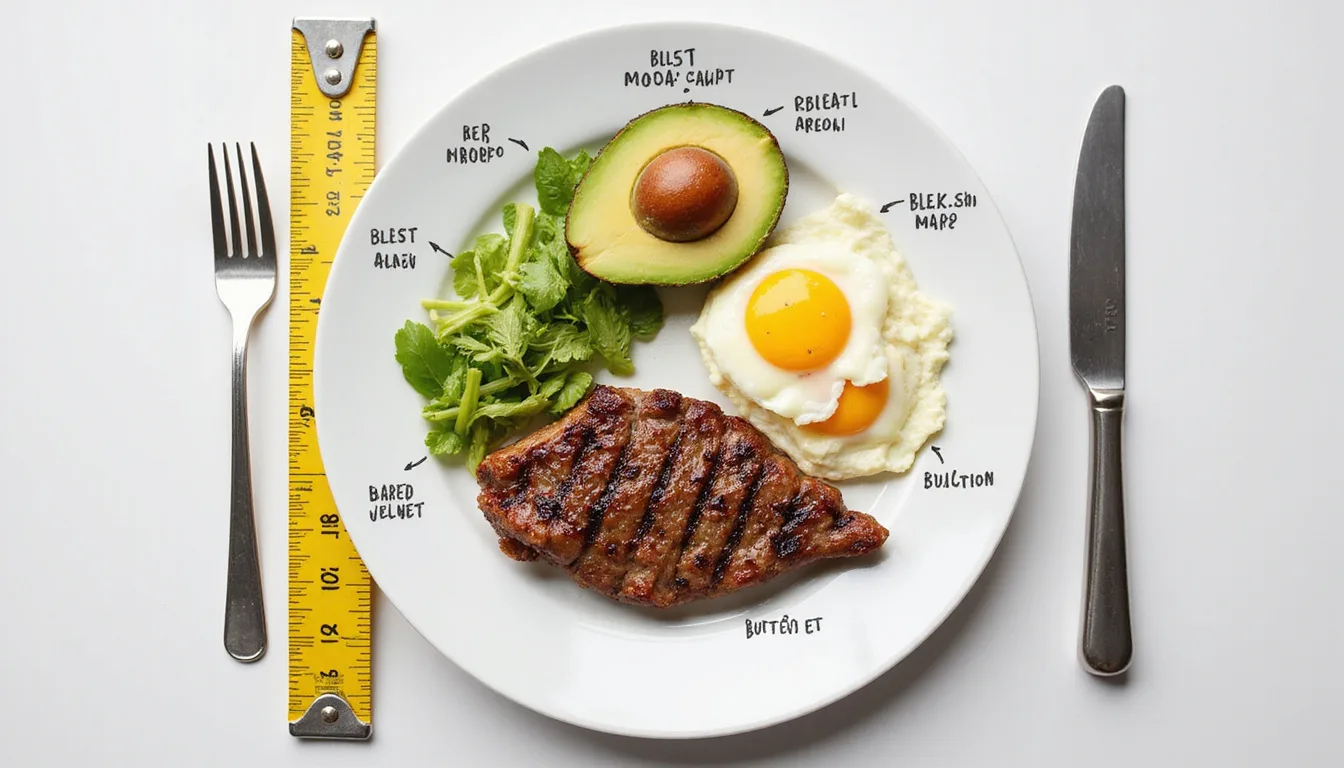

Maintaining steady energy, a healthy weight, and balanced blood sugar grows more important with age.
For many seniors, eating low carb gives a simple path that lasts.
Done well, this plan can keep energy steady, help brain function, and ease control of prediabetes or type 2 diabetes without any sense of loss.
Below you’ll find practical tips, simple meal plans, and safety pointers designed just for seniors.
Why Low Carb Makes Sense for Seniors

As we age, our body changes in many ways:
- We burn fewer calories at rest.
- Our body may resist insulin more.
- Muscle mass falls without strength work.
A lower-carb plan can offer:
-
More steady blood sugar
Cutting back on refined carbs and sugars helps keep blood sugar levels close. This avoids spikes and falls that lead to tiredness, shakiness, and brain fog. Many seniors face these issues after heavy carb meals. -
Better energy and focus
When your body uses more fat and less fast sugar for fuel, energy stays more even. Many seniors report fewer dips in the afternoon. -
Weight and belly fat control
Extra belly fat is linked to heart issues and diabetes. Cutting back on refined carbs—like sweets, white bread, and sugary drinks—may lower fat around the waist. -
Improved heart and metabolic health
Diets low in carbs and full of whole foods may help control triglycerides, raise HDL (“good”) cholesterol, and keep blood pressure in check (source: Harvard T.H. Chan School of Public Health).
How Low is “Low Carb” for Older Adults?
There is no one fixed number. Here are common ranges:
- Moderate low carb: 75–120 grams of net carbs per day
- Lower carb: 50–75 grams
- Keto-level: under 50 grams
For most seniors, a moderate low carb plan is easier to stick with, flexible, and safe—especially if you take medications. The aim is not to remove all carbs but to cut back on refined, fast-absorbing ones. It still allows fiber-rich vegetables, some fruit, and even small portions of whole grains or legumes if you can handle them.
Safety First: Is Low Carb Right for Every Senior?
Before you change your meal plan, it is important to think about your health.
Talk to Your Doctor (Especially If You Have…)
- Type 2 diabetes or prediabetes
- Heart disease or high blood pressure
- Kidney disease
- A history of eating disorders or unexpected weight loss
- Digestive issues like ongoing constipation or IBS
- Many prescription drugs, especially for blood sugar or blood pressure
A low-carb plan can make diabetes or blood pressure drugs work harder. This may cause low blood sugar or dizziness if your doses are not changed. Ask your doctor to:
- Check your medications
- Set safe goals for weight loss (if needed)
- Monitor lab values like blood sugar, kidney function, and cholesterol
Special Considerations for Seniors
-
Avoid too much restriction
Very strict, long-term diets low in carbs may cut too many foods and may even pull you away from social meals. Begin with a moderate plan and change it as you need. -
Keep your muscles strong
Seniors should get enough protein (often 1.0–1.2 grams per kilogram of body weight, or as your doctor says) and add light resistance work to keep strength. -
Drink enough water and help your digestion
Low-carb plans may hold less water in your body. Drink plenty of fluids, and add fiber from non-starchy vegetables, nuts, seeds, or a fiber supplement if you need it. -
Watch for warning signs
Talk to a doctor if you see fast, unexplained weight loss, constant tiredness, dizziness, confusion, or long-lasting constipation.
Core Principles of Low Carb for Seniors
Think of this plan as one that uses whole, simple foods.
Emphasize These Foods
-
Non-starchy vegetables
Broccoli, cauliflower, leafy greens, zucchini, peppers, cabbage, asparagus, green beans, mushrooms, cucumbers, tomatoes. -
High-quality protein
Eggs, chicken, fish, seafood, lean beef and pork (if you can eat them), Greek yogurt, cottage cheese, tofu, and tempeh. -
Healthy fats
Olive oil, avocado, nuts (almonds, walnuts, pecans), seeds (chia, flax, sunflower), olives, and fatty fish like salmon and sardines. -
Lower-sugar fruits (in small portions)
Berries, kiwi, small apples or pears, citrus fruit; keep an eye on portions. -
Optional small amounts of slow-digesting carbs (if they fit your plan)
Lentils, chickpeas, black beans, quinoa, steel-cut oats, or barley. Keep portions small and mix these with protein and fat.
Reduce or Avoid
- Sugary drinks (soda, sweet tea, juice)
- Candy, pastries, cookies, cakes
- White bread, regular pasta, white rice
- Many boxed cereals and granola bars
- Large portions of potatoes and fries
- Highly processed snacks (chips, crackers)
The aim is not to be perfect—it is to choose better foods most of the time.
Sample Low-Carb Meal Plans for Seniors
Below are two easy 3-day meal plans for seniors who want more energy. The meals are simple to prepare and gentle on the stomach. Adjust portions to fit your hunger, weight goals, and any advice from your doctor.
3-Day Moderate Low-Carb Meal Plan (Approx. 75–100 g Net Carbs/Day)
Day 1
Breakfast
- Vegetable omelet: 2 eggs with spinach, mushrooms, and a light bit of cheese
- ½ small orange or a few berries
- Black coffee or tea (or with a splash of milk or cream)
Snack
- 10–12 almonds
Lunch
- Tuna salad made with tuna, celery, onion, and mayo or Greek yogurt, on mixed greens
- Sliced cucumber and cherry tomatoes with olive oil and vinegar
Snack
- Plain Greek yogurt (½ cup) with a few raspberries
Dinner
- Baked salmon with lemon and herbs
- Steamed broccoli with a drizzle of olive oil
- A small serving of cauliflower “rice”
Day 2
Breakfast
- Plain Greek yogurt (¾ cup) with ¼ cup mixed berries and 1 tablespoon chopped walnuts
Snack
- Celery sticks with 2 tablespoons peanut or almond butter
Lunch
- Grilled chicken breast
- Mixed green salad (lettuce, tomatoes, peppers) with olive oil dressing
- A small side of roasted Brussels sprouts
Snack
- A cheese stick or about 1 ounce of cheese
Dinner
- Baked turkey meatballs in sugar-free tomato sauce
- Sautéed zucchini “noodles” in olive oil
- A small salad
Day 3
Breakfast
- Scrambled eggs with diced peppers and onions
- ½ avocado
Snack
- A small apple (if it fits your carb goal) or a few strawberries
Lunch
- A small bowl of lentil soup with extra vegetables
- A side salad with olive oil and lemon
Snack
- A handful of walnuts
Dinner
- Baked cod with herbs
- Roasted cauliflower and green beans
- Optional: a small side of quinoa (¼ cup cooked) if you need a bit more carb
3-Day Simpler, Budget-Friendly Low-Carb Plan
This plan uses common foods and needs little prep. It works well for seniors who like to keep it simple.
Day 1
Breakfast
- 2 boiled eggs
- 1 slice of tomato with ½ cup sliced cucumber
Snack
- ½ cup cottage cheese
Lunch
- Canned salmon mixed with mayo and mustard
- Serve in lettuce leaves or on shredded cabbage
Snack
- A few baby carrots with 2 tablespoons hummus
Dinner
- Rotisserie chicken (choose skin-on or off)
- Frozen mixed vegetables, steamed with a little butter or olive oil
Day 2
Breakfast
- ¾ cup plain Greek yogurt with a pinch of cinnamon and a few sunflower seeds
Snack
- 1 cheese stick
Lunch
- Turkey slices rolled with cheese and lettuce
- A side of sliced bell pepper
Snack
- A small handful of nuts
Dinner
- Pan-fried tilapia or another white fish with olive oil
- Steamed or microwaved broccoli and cauliflower
Day 3
Breakfast
- 2 scrambled eggs made with olive oil or butter
- 1–2 tablespoons of salsa
Snack
- ½ avocado with a pinch of salt and pepper
Lunch
- Egg salad (boiled eggs, mayo, mustard, chopped celery) served in lettuce leaves
- A side of sliced cucumber
Snack
- A small serving of berries (¼–½ cup)
Dinner
- Ground beef or turkey cooked with onions, peppers, and zucchini
- Season with garlic and herbs; top lightly with shredded cheese
Easy Low-Carb Snack Ideas for Seniors
Keeping simple snacks ready helps you stay on track, especially when energy flags between meals.
Try:
- Hard-boiled eggs
- Cheese sticks or slices
- Plain, unsweetened Greek yogurt
- Cottage cheese
- Nuts such as almonds, walnuts, or pecans
- Seeds like pumpkin or sunflower
- Raw vegetables: cucumber, celery, bell peppers, or snap peas
- Hummus in small amounts (watch the portion)
- Olives or pickles (low in sugar)
These snacks pack protein or good fats to keep you full and help hold blood sugar levels steady.
Practical Tips to Make Low Carb for Seniors Easier
Changing how you eat does not need to be hard.
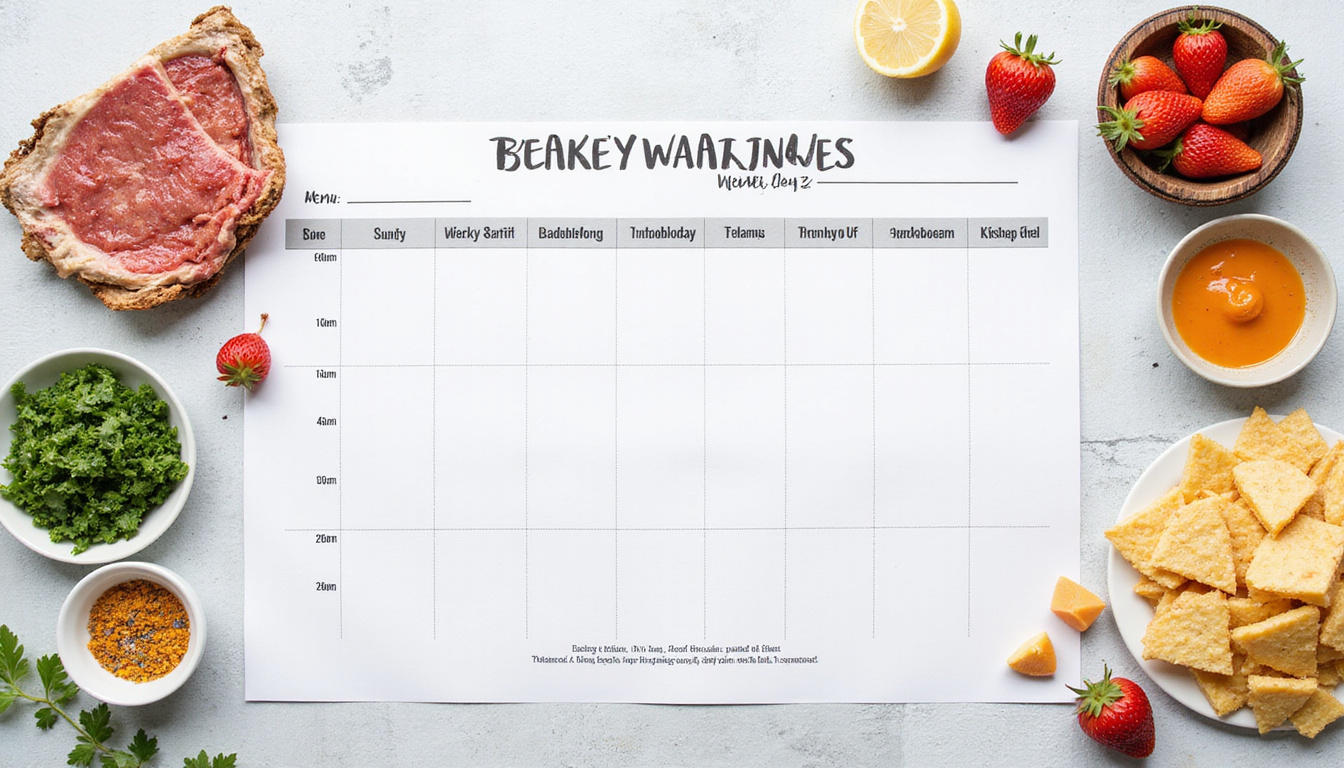
1. Use Simple Swaps
Begin with a few changes instead of a full switch:
- Use lettuce leaves, low-carb tortillas, or extra veggies instead of white bread.
- Pick water, sparkling water, or herbal tea instead of sugary drinks.
- Try zucchini noodles or spaghetti squash rather than regular pasta.
- Choose cauliflower rice or a small portion of brown rice in place of white rice.
2. Plan Around Your Energy
Many seniors feel best in the morning and early afternoon:
- Make breakfast and lunch the larger meals with extra protein.
- Keep dinner light and easy on the stomach.
- Save leftovers to reduce evening cooking time.
3. Keep Cooking Simple and Safe
- Use prewashed salad mixes and pre-cut vegetables.
- Rely on canned tuna, salmon, or beans (if they suit your plan) for a quick protein boost.
- Slow cookers or air fryers can save time and effort.
- Cook extra portions and freeze them for later.
4. Look After Your Digestion
Higher-protein, low-carb diets may cause constipation if fiber or fluids are low.
- Drink water often.
- Fill your plate with non-starchy vegetables and a moderate number of nuts and seeds.
- Use a small serving of beans or lentils if you can stand them and they fit your carb goals.
- Ask your doctor about a fiber supplement if needed.
5. Check How You Feel
Keep an eye on:
- Energy levels during the day
- Quality of sleep
- Mood and clear thinking
- Blood sugar numbers (if you have diabetes or prediabetes)
- Changes in weight
If you feel very tired or restricted, adjust your carb intake even if you are still on a low-carb plan. Your body works uniquely for you.
One-Week Low-Carb Shopping List for Seniors
Below is a short list that you can change as needed. It focuses on common and affordable items.
Proteins
- Eggs
- Chicken (breast, thighs, or rotisserie chicken)
- Canned tuna and salmon
- Ground turkey or lean beef
- Plain Greek yogurt and cottage cheese
- Cheese (blocks or sticks)
- Tofu (if you enjoy plant options)
Vegetables (mainly non-starchy)
- Leafy greens (spinach, lettuce, kale)
- Broccoli and cauliflower (fresh or frozen)
- Zucchini and yellow squash
- Bell peppers
- Mushrooms
- Onions and garlic
- Cabbage
- Frozen mixed vegetables (look for varieties without extra sauces)
Fruits (in small amounts)
- Berries (fresh or frozen)
- Apples or pears (choose small portions)
- Citrus fruits (oranges, grapefruit segments)
Healthy Fats & Extras
- Olive oil or avocado oil
- Avocados
- Nuts like almonds, walnuts, or pecans
- Seeds (sunflower, chia, flax as an option)
- Olives or pickles (low in sugar)
- Tomato sauce with low or no added sugar
- A mix of herbs and spices for flavor
Buying store brands, frozen vegetables, and larger packs of meat to freeze can help keep this approach budget-friendly.
FAQ: Low Carb for Seniors
1. Is a low-carb diet safe for older people?
A low-carb plan can be safe and helpful for many older adults, especially if they face prediabetes, type 2 diabetes, or metabolic issues. The key is not to cut too many foods. Keep your meals balanced with protein and good fats, and check any medicines that affect blood sugar or pressure.
2. What is the best low-carb plan for seniors?
For many seniors, a moderate low-carb plan works best. It fills your plate with:
- Non-starchy vegetables
- Enough protein
- Good fats
- Small, measured portions of fiber-rich carbs if you tolerate them
Many older adults do well with a flexible, whole-food approach rather than a very strict limit.
3. How many carbs should a senior eat on a low-carb plan?
Most seniors on low-carb eating feel well with 75–120 grams of net carbs per day. Some may aim lower (around 50–75 grams) if their doctor advises it for blood sugar control. Start on the higher side and reduce slowly as needed.
Take the Next Step Toward Better Energy and Health
If you are fed up with afternoon tiredness, blood sugar ups and downs, or slow weight change, a sensible low-carb approach may help reset your day. You do not have to count every gram or give up the foods you love. By making a few small, steady changes and choosing simple meals, you may gain more energy and improve your long-term health.
Begin with one of the sample meal plans, make a short shopping list, and try this low-carb plan for a week. Watch how you feel, talk with your doctor about any changes to your medications, and adjust your carb level as you learn what works best.
You deserve steady energy, a clear mind, and the ease to enjoy each day. Start your low-carb journey today with one small change at your very next meal.
[center]Always consult with your doctor prior to making drastic diet changes.[/center]
[center]As an Amazon Affiliate, Savvy Keto makes a small commision (at no extra cost to you) on any purchases you make thru affiliated links you click on.[/center]