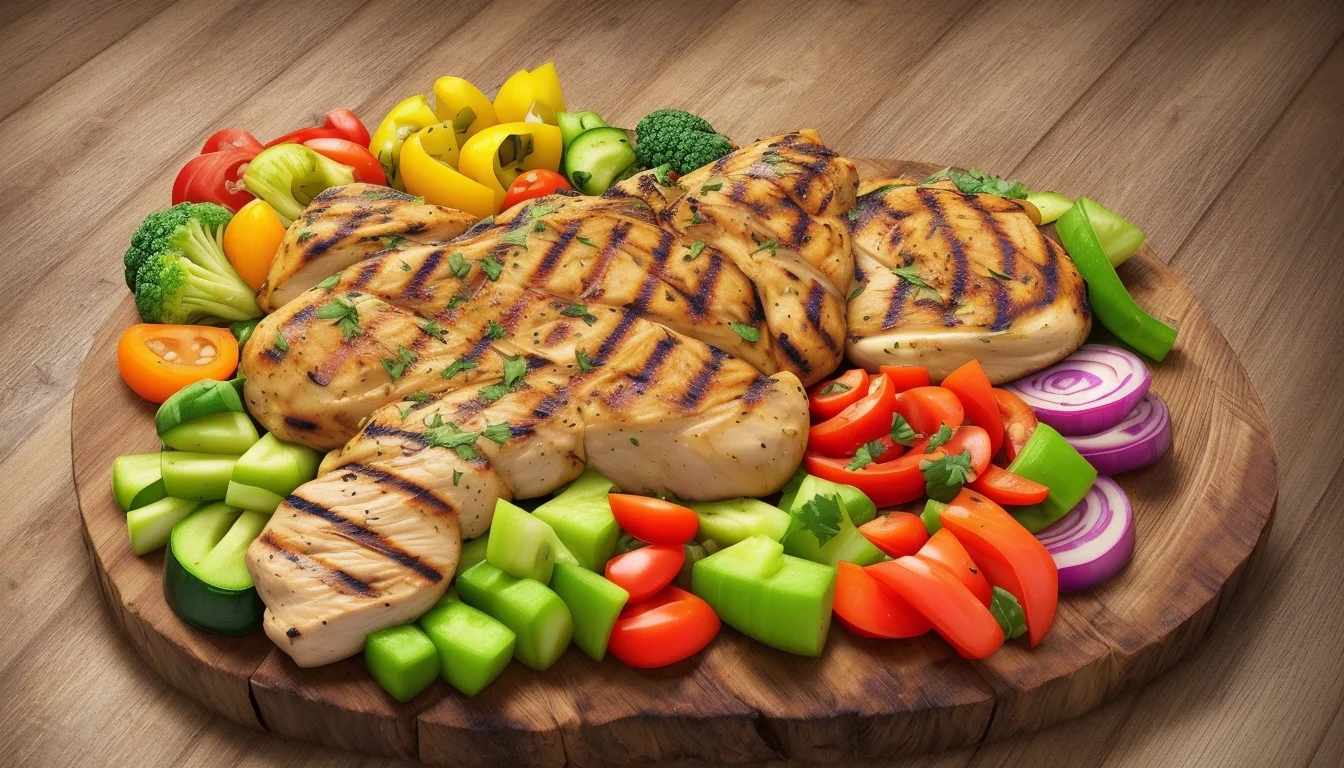

Weight Management Hacks: Simple Ways to Lose Fat and Keep It
Losing weight does not come from quick fixes. It does not come from extreme diets. Weight management means knowing your body. It means using easy steps you can live with. Many have lost weight and then gained it back. You are not alone. With good habits and a steady mind, you can drop fat and keep it off without counting each calorie.
Why Weight Management Feels Hard (and How to Make It Easier)
Many think weight management means “eat less and move more.” Your body works to keep your weight the same. It even works against your goals at times.

Key reasons it feels hard:
-
Body signals work against you
When you lose weight, hormones push you to eat more. Hunger rises while fullness falls. -
Calorie burn slows down
Your body uses fewer calories when you lose weight. This change helped when food was hard to find. -
Your world is not set up to help
Processed foods, big portions, and sitting many hours are common.
The aim is not to fight your body. The aim is to work with it. Good weight management builds habits that:
• Keep hunger in check without pure willpower.
• Make your space support your goals.
• Fit with your real life so you can keep them for years, not just days.
Step One: Know Your “Why” and Set Real Goals
Before meals or workouts, you need a clear reason. Your goals have to be real.
Find your personal “why”
Simple goals like “I want to weigh X” do not work well. Ask:
• How will my life change with better weight control?
• What can I do more easily?
• How will I feel each day?
Examples:
• “I want to lose 20 pounds so that my knees hurt less and I can hike with my friends.”
• “I want steady energy and confidence for my photos.”
Write this down. On hard days, your written reason can guide you.
Set goals you can reach, not dreams with no plan
Aim for real fat loss:
• About 0.5–1 pound a week.
Sometimes a bit more is possible if you start at a higher weight, but slower loss lasts longer.
Shift from just looking at the scale to tracking behaviors. For example:
• “I will walk 20 minutes after dinner five days a week.”
• “I will add protein to every meal.”
• “I will limit takeout meals to two times each week.”
These small steps help you manage weight and stay in control.
Make Food Work for You: Eat to Feel Full, Not Starved
You do not need a perfect diet. You need a way of eating that lasts. Think of three points that help your hunger, energy, and body:
• Protein
• Fiber
• Food quality
Pick protein for hunger control and muscle support
Protein helps with weight management:
• It makes you feel full longer.
• It helps keep your blood sugar even.
• It protects your muscles as you lose fat.
Aim for about 20–40 grams of protein at meals. Add protein at breakfast to keep cravings low.
Easy protein choices:
• Eggs, Greek yogurt, cottage cheese
• Chicken, turkey, lean beef, fish
• Tofu, tempeh, edamame, lentils, beans
• Protein shakes or bars (use these sometimes, not every day)
Add fiber and volume
Fiber and water help you feel full with fewer calories:
• Vegetables like leafy greens, broccoli, carrots, peppers, or cauliflower
• Fruits like berries, apples, oranges, or pears
• Whole grains like oats, quinoa, brown rice, or barley
• Beans, lentils, or chickpeas
Here is a simple plate idea:
• Fill ½ of your plate with vegetables.
• Use ¼ of your plate for lean protein.
• Use ¼ of your plate for whole grains or starchy carbs.
• Add a small amount of healthy fat like olive oil, nuts, or avocado.
This plate helps you feel full while you eat less.
Control the way you eat carbs and fats
Carbs and fats are not the enemy. The problem is with highly processed items:
• Chips, fries, pastries, or candy
• Sugary drinks
• Fast food or very large portions
For better weight control:
• Get carbs from whole or simple foods.
• Use fats (oil, butter, dressings) with care.
• Cut down on drinks with extra calories; they do not make you feel full.
Aim to choose whole or lightly processed foods most of the time. Save a few fun foods for later.
Simple Eating Tips That Make a Big Difference
These small changes help over time without a strict plan.
-
Eat slowly and pause during your meal
• Put your fork down between bites.
• Stop partway and check if you are still hungry. -
Use smaller plates and bowls
• Small dishes can lead to small portions while still satisfying you. -
Start with protein and fiber
• Begin with a salad or vegetables or protein. This makes you eat less of the heavier foods. -
Wait 10 minutes before having more
• Drink some water or move for a short time. Often, the need for more food will fade. -
Keep tempting foods out of sight
• Do not leave cookies, chips, or candy on the counter.
• Place healthy snacks where you will see them and grab them easily.
These tips adjust your space to help you manage your weight.
Movement That Helps Weight Control (No Gym Needed)
Exercise on its own seldom brings big weight loss. It does support:
• Muscle and metabolism protection.
• Better heart, blood, and mood health.
• Maintenance of lost weight.
Focus on these three parts: daily movement, strength, and fun cardio
-
Daily movement (NEAT: Non-Exercise Activity Thermogenesis)
This means any movement that is not a formal workout: walking, taking stairs, house chores, or playing. Such actions may burn more calories than a gym session.Ideas include:
• Aim for 6,000–10,000 steps a day. Start where you are and add about 1,000–2,000 steps.
• Take 5–10 minute movement breaks each hour at a desk.
• Have walking meetings or calls when you can. -
Strength training 2–3 times per week
Strength work helps you keep muscle:
• It builds or preserves muscle as you lose fat.
• It raises the number of calories you burn at rest.
• It helps your posture, joint strength, and self-confidence.Keep it simple:
• Squats or sit-to-stand moves
• Push-ups (on a wall, counter, knees, or floor)
• Rows with bands or dumbbells
• Hip moves like deadlifts or good mornings
• Overhead pressesTwo to three sessions lasting 30–45 minutes each are enough.
-
Cardio you enjoy
Any action that raises your heart can work:
• Brisk walking
• Cycling
• Swimming
• Dancing
• HikingTry for at least 150 minutes of moderate cardio or 75 minutes of vigorous cardio per week. (See CDC Physical Activity Guidelines for more details.)
Sleep, Stress, and Hormones: The Hidden Trio in Weight Management
You may eat well and move often. If sleep and stress are off, weight management is harder.
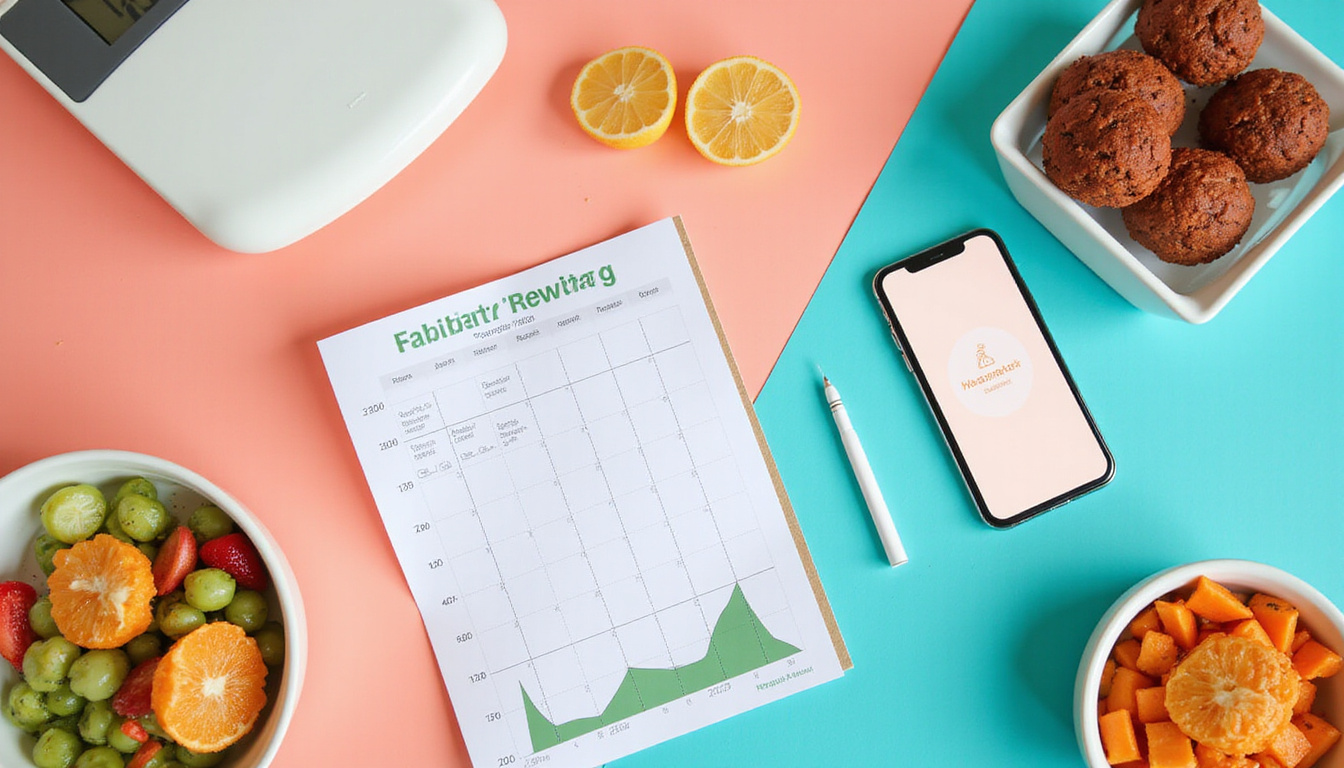
Sleep: a strong helper in fat loss
Bad sleep:
• Raises hunger hormones.
• Lowers fullness hormones.
• Makes you crave high-calorie foods.
• Weakens your self-control.
Plan for 7–9 hours of good sleep each night. To get better sleep:
• Keep a steady bedtime and wake time.
• Turn off screens and bright light 30–60 minutes before bed.
• Relax with reading, stretching, or a warm shower.
• Keep your sleep area dark, cool, and quiet.
Stress: When the brain asks for comfort instead of food
Long-term stress:
• May lead to more emotional eating.
• Can disrupt sleep.
• May raise cortisol and make weight control harder.
You do not need to remove stress. You need simple, healthy ways to let it out. Try:
• Taking short breaks (1–3 minutes) to stand, breathe, or stretch.
• Using breathing methods such as 4-7-8 or box breathing.
• Setting clear limits with work or nighttime tasks.
• Finding non-food ways to cope, like writing notes, calling a friend, a short walk, or listening to music.
When you handle stress well, you lower the need to eat for comfort.
Smart Tracking: Use Data Without Obsession
You do not need to track every detail. A little awareness can guide your choices.
Pick 1–2 things to measure
You might track:
• Body weight daily or weekly, using a 7-day average to see changes.
• Waist size every 2–4 weeks.
• Habits like days with your step goal, strength workouts, or protein hits.
Remember:
• Weight changes daily because of water, hormones, salt, or digestion.
• Look at trends over 2–4 weeks, not single days.
• Celebrate regular habits more than scale numbers.
Use kind accountability
Some ideas:
• Apps that help track habits
• A simple calendar with check marks
• Texting a friend your weekly wins and struggles
• Looking back on your week and asking: “What went well? What can I try next week?”
Data guides your changes; it does not define you.
Habit Stacking: Small Acts Lead to Big Change
Weight management grows from your daily habits. Instead of big life changes, add a small new habit to a routine you already keep. For example:
• After I brush my teeth at night, I prepare food for the next day.
• After I make my morning coffee, I drink a full glass of water.
• After I finish work, I take a 10-minute walk.
• After I start a TV show, I spend 5 minutes stretching or doing simple strength moves.
Start with tiny habits that feel very easy. Regular small acts work better than bursts that fade soon.
Handling Social Events, Eating Out, and Holidays
Life goes on while you work on your health. You can enjoy parties and meals out and still keep on track with a little planning.
A Simple Plan for Eating Out
- Look at the menu ahead of time.
• Decide what to order before you are very hungry. - Use a rule of picking one treat.
• Choose one item like bread, drink, dessert, or a heavier dish rather than taking all. - Center your meal on protein and plants.
• Make a protein dish the focus and add veggies or a salad. - Think of your meal in two parts.
• Ask for a to-go box at the start and pack away half your meal.
Tips for Holidays and Parties
• Eat balanced meals throughout the day. This keeps you from arriving very hungry.
• Look over the food choices carefully before you fill your plate.
• Focus on friends and fun, not just on food.
• Enjoy your favorite foods in a mindful way, without guilt.
• Return to your usual routine at your next meal. No punishment is needed after a treat.
Weight management depends on weeks and months of effort, not one meal or one day.
Common Weight Management Traps (and How to Avoid Them)
-
All-or-nothing thoughts
• “Since I overate at lunch, my day is ruined.”
Try: “That meal was not ideal. My next choice can still help my goals.” -
Too-strict diets
• Cutting out food types or eating very few calories.
Try: Make changes that are moderate and last. -
Relying only on willpower
• Keeping trigger foods where you see them, skipping meals, or losing sleep.
Try: Change your space, plan routines, and find support. -
Skipping strength training
• Focusing on cardio only can lose muscle and slow your burn.
Try: Do strength moves at least twice a week, even if just for a short time. -
Quitting too soon
• Expecting the scale to move in a straight line and giving up when it stalls.
Try: Understand that plateaus happen. Adjust sleep, movement, protein, and stay patient.
Quick-Start Checklist: Putting Weight Management Hacks to Work
Use this simple list as a guide:
-
Clarify your why
• Write down 2–3 strong reasons for better weight control. -
Upgrade your plate
• Fill half with vegetables, one-quarter with protein, one-quarter with whole grains or starchy carbs, and add some healthy fat. -
Add daily movement
• Track your steps for one week, then add 1,000–2,000 steps each day. -
Start strength training
• Do 20–30 minutes of full-body exercises twice a week. -
Improve sleep
• Keep a regular bedtime and clear screens 30 minutes before sleep. -
Plan for real life
• Decide ahead on how you will handle one or two social meals each week without restarting your progress. -
Track one or two items
• For example, note your waist size each week and count how many days you hit your step goal. -
Review the week
• Ask: “What worked? What small change can I try next week?”
FAQ: Common Weight Management Questions
-
What is the best diet for long-term weight control?
A good diet is one that you can stick with. It keeps you full and nourished. Most plans have many vegetables and fruits, enough protein, and mostly whole or simple foods in the right portions. Many types of diets can work if they match your tastes and life. -
How much exercise is needed for weight control?
For health and weight work, aim for at least 150 minutes of moderate cardio each week and 2–3 sessions of strength work. Also, move more during your day by walking, using stairs, or doing housework. Even a short extra walk of 10–15 minutes daily can help over time. -
Why do I gain weight back after dieting, and how can I keep it off?
Many people gain weight back because their plans were too strict and not easy to follow for long. To keep the weight off, work at a slow pace, use strength work, get good sleep, manage stress well, and choose a way of eating and moving that is simple and fun.
Turn Knowledge Into Action: Your Next Step in Weight Management
Knowing these weight management hacks is just the first step. Real change comes from using a few of them, week by week, in a way that fits your life. You do not need a perfect plan; you need one that works for you.
Start today by choosing two actions from this guide. For example, change your plate plan and add a 10-minute walk each day. Stick with these for two weeks, then add one small step. With each habit you build, losing fat and keeping it off will feel more natural and less like a constant battle.
If you want help in creating a simple, personal plan for weight control that works with your life, now is the time to act. Do not wait for a new trend or a Monday. Begin with one small change today. This small step can be the start of a healthier, stronger, and more confident you.
[center]Always consult with your doctor prior to making drastic diet changes.[/center]
[center]As an Amazon Affiliate, Savvy Keto makes a small commision (at no extra cost to you) on any purchases you make thru affiliated links you click on.[/center]