Visceral Fat Guide: How to Lose Stubborn Belly Fat Fast
Visceral fat sits deep in your belly and hugs your organs. This fat is more risky than the soft fat you can pinch on your skin. If you feel stuck with a belly that will not shrink, first know what visceral fat is. Learn how to cut it fast, safe, and for good.
This guide explains what visceral fat is, why it harms your body, and the science-backed ways to reduce it quickly and keep it down.
What Is Visceral Fat (and How Is It Different from Belly Fat You Can Pinch)?

Not all belly fat acts the same. Two types exist:
- Subcutaneous fat: This is soft fat under your skin. You can pinch it on your waist, hips, or thighs.
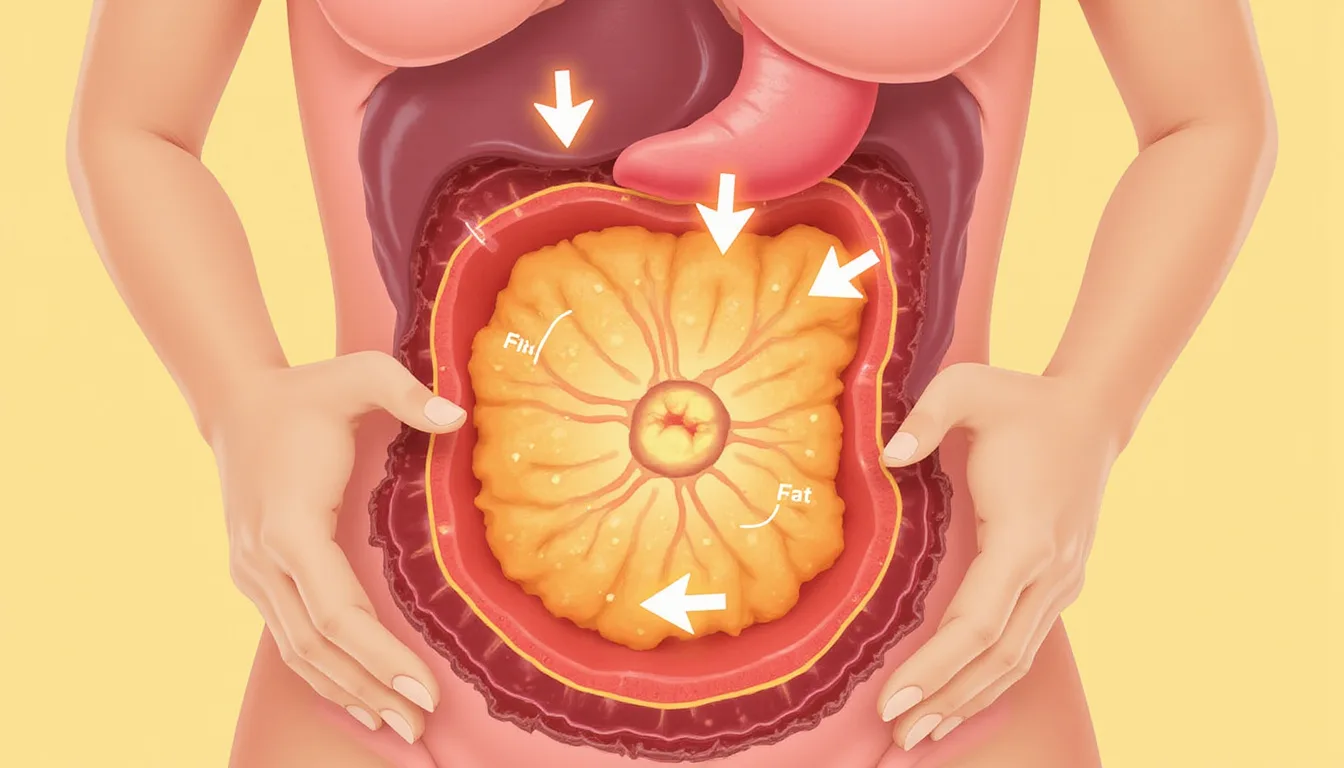
- Visceral fat: This hard fat hides deep inside and sits around your liver, pancreas, and intestines. You cannot grab it. It hides behind your abdominal wall.
When someone has a hard, protruding belly and is not very heavy, they may carry more visceral fat.
Why Visceral Fat Is More Dangerous
Visceral fat does more than store energy. It works like a busy organ. It sends out chemicals and hormones that disturb your body’s balance. High visceral fat levels tie strongly to:
- Type 2 diabetes
- Heart disease and stroke
- High blood pressure and bad cholesterol
- Fatty liver issues
- Some cancers (including colorectal and breast cancer)
- Sleep apnea
- A shorter life span
The good news is that visceral fat can shrink much quicker if you change your habits. You can cut it down with clear steps even before the scale shows major change.
How to Tell If You Have Too Much Visceral Fat
You cannot see this fat directly, but you can check your risk.
1. Waist Circumference
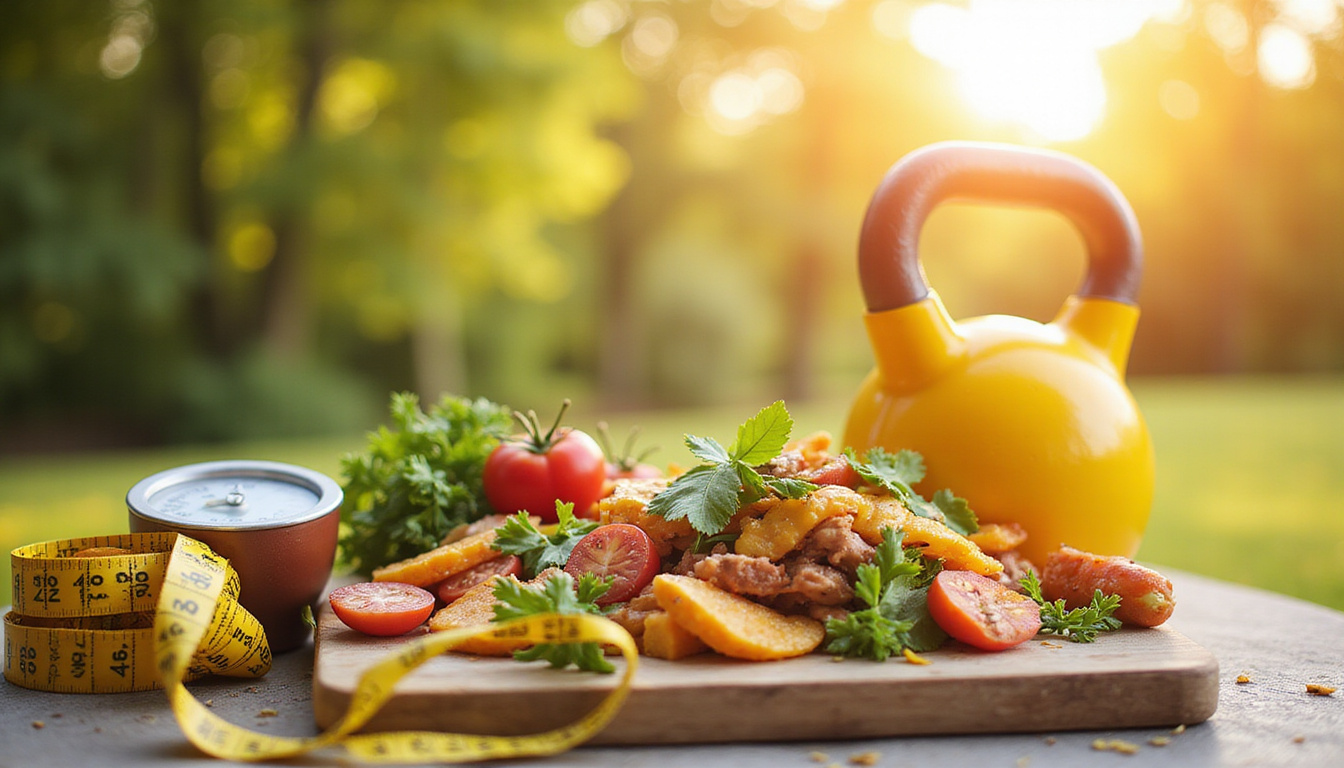
Take a soft tape measure:
- Stand straight and breathe out normally.
- Wrap the tape around your bare belly just above your hip bones (at your navel level).
- Do not pull your stomach in. Keep the tape snug but not tight.
Risk numbers (for most adults):
-
Men:
- Increased risk: 37 inches (94 cm) or more
- High risk: 40 inches (102 cm) or more
-
Women:
- Increased risk: 31.5 inches (80 cm) or more
- High risk: 35 inches (88 cm) or more
Even with a normal BMI, a high waist measurement shows extra visceral fat.
2. Waist-to-Height Ratio
This measure may work better than BMI.
- Measure your waist as noted and also your height.
- Divide the waist by the height (in the same units).
Try to keep the ratio under 0.5. If your waist is more than half of your height, you probably have extra visceral fat.
3. Body Shape: “Apple” vs “Pear”
People with more weight around the middle ("apple-shaped") often carry more visceral fat than those with weight on the hips or thighs ("pear-shaped"). This clue may not be perfect but can help.
Medical scans like CT or MRI give the best measure, but a waist check and common health tests (sugar, pressure, cholesterol) will do for most.
Why Visceral Fat Accumulates (and Why It Sticks Around)
Visceral fat builds because of genes, hormones, and how you live. Knowing why it appears helps you pick the right steps to get rid of it.
Main Reasons for Visceral Fat
-
Excess calories and very processed food
Your body saves extra energy. The belly, especially the deep fat, is a quick place to store it. Foods high in sugar, white carbs, and industrial oils push your body to save extra fat. -
Insulin resistance and quick blood sugar rises
Sugary drinks and baked goods push insulin high. When insulin stays high long term, it causes more belly fat. -
Constant stress and high cortisol
When you feel stressed, your body makes more cortisol. Over time, high cortisol helps build visceral fat. -
Poor sleep
Less than 7 hours of sleep, or a broken sleep routine, messes up your hunger and stress hormones. This may boost belly fat. -
Little physical activity
A calm lifestyle burns fewer calories and makes insulin work poorly, letting visceral fat build. -
Alcohol use (beer belly is not just about beer)
Extra alcohol is linked to more visceral fat and a fatty liver. -
Age and shifts in hormones
As you grow older, your metabolism slows and hormones change. In men, testosterone can drop, and in women, estrogen may fall. This shift can add visceral fat.
The mix of these body signals and habits makes belly fat stubborn. Yet each change you make can also help shift these signals.
How to Lose Visceral Fat Fast: The Basics
There is no magic pill, but visceral fat tends to drop quicker than fat under the skin when you change your habits. Many see better health numbers in only a few weeks.
Focus on these basics:
- Keep a small gap between calories in and calories out.
- Pick better foods that calm blood sugar and hormones.
- Stay active with both cardio and strength work.
- Sort your sleep and stress to keep hormones in check.
Let us go over each point.
The Best Diet Plan to Cut Down Visceral Fat
You do not need a perfect or very strict diet. You need a plan that you can keep up. A good plan:
- Cuts total calories
- Favors whole, little processed foods
- Keeps blood sugar and insulin calm
Pick These Food Rules
-
High protein meals
Protein helps lose visceral fat while keeping your muscles.
• Aim for about 0.7–1.0 grams of protein per pound of your goal weight.
• Try chicken, turkey, fish, eggs, Greek yogurt, cottage cheese, tofu, tempeh, lentils, beans, or lean beef.Protein makes you feel full, cuts cravings, and gives a small boost to your body burn.
-
Carbs high in fiber
Fiber slows how fast food leaves your gut and keeps a calm blood sugar level. It also helps your gut work well.Choose:
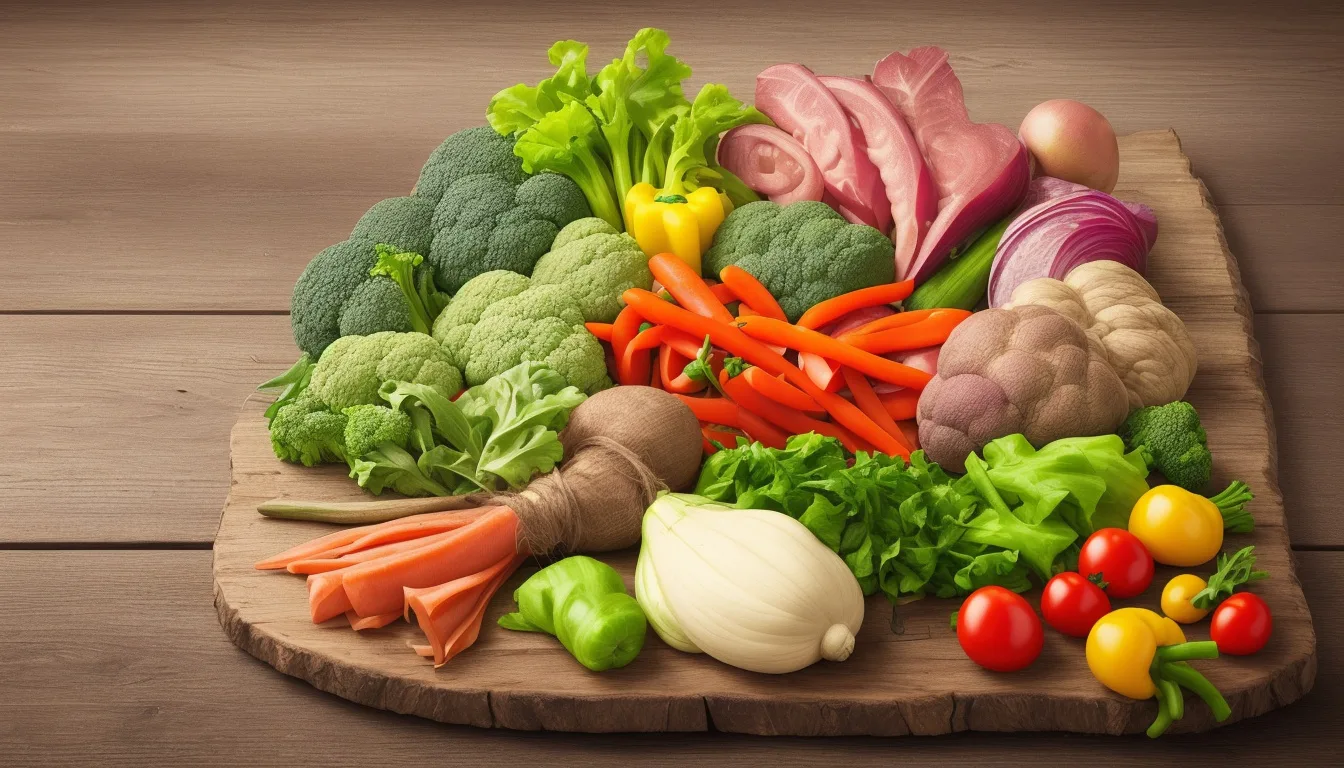
• Vegetables (non-starchy ones like broccoli, spinach, peppers, greens)
• Fruits (berries, apples, pears, citrus)
• Whole grains such as oats, quinoa, brown rice, barley
• Legumes like beans, lentils, or chickpeas -
Good fats kept modest
Fats pack energy but are needed. Pick:
• Olive oil, avocado, nuts, seeds
• Fatty fish like salmon, mackerel, or sardinesThese fats help you feel full and keep your heart working well.
-
Water
Drink water to cut hunger and stop mixing thirst with hunger.
• Aim for 2–3 liters a day based on your size and activity.
• Unsweetened tea and plain coffee work too.
Foods to Cut for Fast Visceral Fat Loss
You may not need to cut these forever but lower them a lot to speed fat loss:
- Drinks sweetened with sugar (soda, energy drinks, sweet coffee/tea, juice)
- White carbs such as white bread, pastries, many cereals
- Deep-fried and fast foods
- Sweets and desserts
- Processed meats and heavily processed snacks
- Too much alcohol, especially daily or binge drinking
These items push blood sugar high, make insulin spike, help your body store fat, and make overeating easy.
A One-Day Meal Example to Fight Visceral Fat
-
Breakfast:
• Greek yogurt with berries and a handful of nuts
• Optionally, a bit of black coffee or plain tea -
Lunch:
• Grilled chicken or tofu
• A large mixed salad with olive oil and vinegar
• A side of quinoa or brown rice -
Snack:
• An apple and a small handful of almonds
• Or baby carrots with hummus -
Dinner:
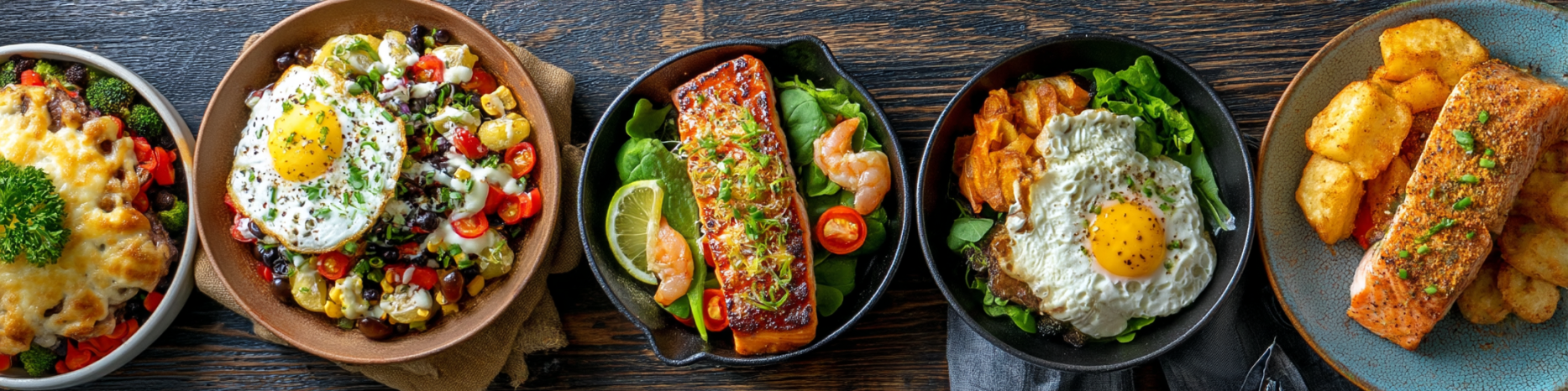
• Baked salmon or a hearty lentil stew
• Steamed or roasted vegetables
• A small serving of whole grains or extra veggies -
Evening:
• Herbal tea or water; try to skip late-night snacking
This plan is one option. It sticks to protein, fiber, whole foods, and fewer white carbs.
Exercise to Fight Visceral Fat: What Really Works
You cannot lose belly fat just by doing crunches. Some exercises do work better to cut visceral fat.
1. Steady, Mid-Level Cardio
Activities like a fast walk, cycling, slow running, or swimming burn calories and help your heart.
• Try about 150–300 minutes a week of moderate cardio (30–60 minutes on most days).
• Begin at a pace that feels right and grow slowly.
Regular aerobic work helps shrink visceral fat even if total weight loss is not huge.
2. Short, Fast Bursts of Exercise
Workouts with bursts of high effort mixed with rest can shrink visceral fat in less time, though they are tougher.
A sample beginner routine could be:
• Go fast (run, cycle, or power walk uphill) for 20 seconds
• Then move slow for 40 seconds
• Do 8–10 rounds
• End with a 5-minute cool down
If you are new or have health concerns, talk with a care provider before pushing hard.
3. Weight Work
Using weights or body moves builds muscle, speeds up fat burn, and keeps insulin steady.
• Aim for 2–3 sessions each week that work all main parts of your body.
Examples include:
• Squats and lunges
• Push-ups and rowing moves
• Planks and glute bridges
• Dumbbell or band exercises
A Simple Weekly Exercise Plan
Try this pattern:
• 3–5 days a week: 30–45 minutes of steady cardio
• 2–3 days a week: 30–45 minutes of weight work
• 1–2 days a week: A short burst session instead of one regular cardio day
• Every day: Light moves like using stairs, short walks, or stretching
Stick with your plan as steady work matters more than one hard day.
Sleep, Stress, and Hormones: The Hidden Keys to Losing Visceral Fat
Eating well and moving much count, but if your sleep and stress are poor, belly fat can stick.
Sleep: Aim for 7–9 Quality Hours
Lack of good sleep:
• Upsets hunger signals by raising ghrelin
• Lowers full-feeling signals like leptin
• Boosts cortisol
• Makes insulin work less well
Each of these can bump up belly fat.
Try these sleep tips:
• Go to bed and get up at much the same time each day
• Keep screens off at least 60 minutes before sleep
• Make your room dark, cool, and quiet
• Skip heavy meals and alcohol before sleep
• Stop caffeine after early afternoon if you feel its effect
Stress and High Cortisol
Long-lasting stress pushes up cortisol. High cortisol makes the belly fat store more deep fat.
Try these ways to calm stress:
• A daily walk, especially outdoors
• Deep slow breaths
• Simple yoga or stretches
• A short session with a mindfulness app
• Journaling or a chat with a friend or a helper
• Setting firmer limits at work and home
These actions are part of a plan to reduce deep belly fat.
How Fast Can You Lose Visceral Fat?
The drop in visceral fat may vary, but common trends show that:
• Studies note a 10–30% cut in visceral fat in 6–12 weeks with steady changes
• A safe goal is to drop about 0.5–1% of your body weight each week
Signs you may notice:
• Looser pants at the waist
• Reduced bloating
• More energy and better sleep
• Better blood pressure, sugar, and cholesterol in a few weeks
Speedy, lasting change wins over extreme diets that may come back to hurt you.
Simple Daily Habits to Shrink Visceral Fat
Use this checklist each day. Try to hit most points:
- Drink a glass of water right after you wake.
- Include protein in each meal and many snacks.
- Fill half your plate with vegetables at lunch and dinner.
- Skip drinks loaded with sugar.
- Walk 7,000–10,000 steps per day (or set a gradual goal).
- Do weight work 2–3 times per week.
- Cut down on alcohol, especially during the week.
- Set a regular time to go to sleep for 7–9 hours each night.
- Spend 5–10 minutes a day on one move that calms you.
- Check your waist size every 2–4 weeks instead of every day.
These small steps add up over time and help cut down deep belly fat.
FAQ About Visceral Fat and Belly Fat Loss
1. How do you lose visceral belly fat specifically?
Your body does not choose where to lose fat first. Visceral fat, however, tends to drop when you:
• Keep a small gap between calories in and out
• Eat more protein and fiber while reducing sugar and white carbs
• Do regular cardio and weight work
• Get enough sleep and work on stress
• Use less alcohol
Since visceral fat works fast, it may shrink before other fat as you change your habits.
2. Can you cut visceral fat without the number on the scale changing?
Yes. Many people keep the same weight while cutting visceral fat and building muscle. This is called body recomposition. You may see:
• A smaller waist
• Better blood sugar and cholesterol numbers
• A change in shape and more strength
Focus on weight work, a protein-rich diet, and fewer sugars. The deep belly fat may go down even if your weight does not change much.
3. What is the fastest safe way to cut visceral belly fat?
A fast, lasting method is one that combines:
• A careful calorie plan (about 300–500 calories less a day than you need)
• Whole foods with plenty of protein and fiber and fewer sugars
• 150–300 minutes a week of steady cardio plus 2–3 weight sessions
• 7–9 hours of steady sleep each night
• Daily moves to ease stress
Extreme diets or too much exercise may give fast results at first but can lead to a setback.
Take Action: Start Cutting Your Visceral Fat Today
Visceral fat is a serious matter, but it drops quickly when you make better choices every day. You do not have to change every part of your life at once. Just move step by step in the right way.
Pick one move from each section and do it for one week:
- Food: Skip sugary drinks or add 20–30 grams of protein to breakfast.
- Movement: Walk 20–30 minutes each day, or do two short weight sessions this week.
- Lifestyle: Go to bed 30 minutes earlier or spend 5–10 minutes doing deep breathing.
These single, steady choices help your deep belly fat go down, boost your energy, and lower health risks. Your waist tells a clear tale of your body’s health. Start with one small change at a time.
[center]Always consult with your doctor prior to making drastic diet changes.[/center]
[center]As an Amazon Affiliate, Savvy Keto makes a small commision (at no extra cost to you) on any purchases you make thru affiliated links you click on.[/center]