Slow Carb Plan That Melts Fat Without Counting Calories
The slow carb plan gives you a way to lose fat steadily. It does not make you count calories, track macros, or starve. You change what you eat and keep your choices simple. Your body works more on its own. Tim Ferriss made this plan known in “The 4-Hour Body.” The ideas match what we know about blood sugar, fullness, and habit building.
Below is a simple guide to the slow carb plan. You will see how it works, what to eat, what to skip, common mistakes, and how to fit it into daily life.
What Is the Slow Carb Diet, Really?

At its base, the slow carb diet is a clear way to eat. It does three things:
- It stresses low-glycemic, unprocessed food: slow carbs and protein.
- It cuts out fast-digesting carbs (sugar, bread, pasta, rice, juice, etc.) six days a week.
- It gives you one weekly cheat day to eat what you want.
- It makes meals routine and plain to lower strain and tiredness from decision making.
The plan promises less hunger, fewer cravings, better blood sugar, and steady fat loss. All this happens without counting every bite.
“Slow carb” vs “low carb”
These terms sound the same but they differ:
- Low carb cuts out most carbohydrates, even those that digest slowly. Many follow keto.
- Slow carb looks at the carb kind. It picks beans, lentils, and vegetables instead of bread, pasta, and sugar. You still have carbs, but they come from set sources.
This difference matters because slow carb keeps beans and lentils as a key energy source. Many people find this plan more easy to follow than very low-carb plans.
The 5 Core Rules of the Slow Carb Plan
Most slow carb plans, like Ferriss’s version, fall into five rules. These rules trim down your choices so you need not log your food or count calories.
Rule 1: Avoid “White” Carbohydrates
Six days each week, skip all refined or high-glycemic carbs. Stay away from:
- Bread (even whole wheat)
- Pasta and noodles
- Rice (white, brown, wild)
- Potatoes (white, sweet, mashed, fries, chips)
- Tortillas, wraps, pita
- Cereal, granola, oatmeal
- Pastries, baked goods, crackers
The goal is to cut out carb types that quickly raise blood sugar and insulin. They may boost fat storage and raise hunger soon after eating (source: Harvard T.H. Chan School of Public Health).
Rule 2: Eat the Same Few Meals Repeatedly
Do not mix up meals every time. Pick 2–4 main meals for breakfast, lunch, and dinner. Use them six days a week.
This way you:
- Lower the load of choices.
- Make shopping and prep simple.
- Stick with the plan more easily.
You do not have to eat the same food forever, but routine helps you keep on track.
Rule 3: Don’t Drink Calories (With a Few Exceptions)
On slow carb days, avoid these drinks:
- Soda (many choose to avoid all sweet drinks)
- Fruit juice
- Sugary coffee drinks
- Milk (including lattes)
- High-calorie smoothies and shakes (unless you plan them carefully)
You may have these instead (in small amounts):
- Water (still or sparkling)
- Black coffee
- Unsweetened tea
- 1–2 glasses of dry red wine a day, if you choose
Liquid calories come easy and do not fill you in the same way as food.
Rule 4: Don’t Eat Fruit (On Slow Carb Days)
This rule surprises many. The plan asks you not to have fruit six days a week. Fruit has fructose, and your body deals with it in a special way. Too much fructose can add fat to your liver.
Fruits to skip on slow carb days include:
- Bananas, apples, berries, oranges, grapes, and the like.
- Fruit juices and smoothies.
- Dried fruit.
This rule does not mean fruit is always bad. It only means that on slow carb days, you keep fruit out to stick with the simple plan.
Rule 5: Take One Cheat Day Per Week
One day each week, usually the same day (for example, Saturday), you may eat any food you want. On that day:
- No rules: Enjoy as much as you want.
- Pizza, dessert, fruit, alcohol, breakfast items—every food is allowed.
This cheat day serves more than one role:
- It gives mind relief by cutting down feelings of being deprived.
- It fits with social dinners and celebrations.
- It may help adjust some body signals.
The key is to keep cheat day only one day. Six strict days and one free day.
What You Actually Eat on a Slow Carb Plan
The slow carb plan is simple but clear on its limits. Your meals rest on three pillars:
- Protein
- Legumes (beans and lentils)
- Non-starchy vegetables
Protein: The Foundation of Every Meal
Aim for a serving about the size of your palm. This may grow if you are large or active.
Some good proteins are:
- Eggs and egg whites
- Chicken (breast, thighs, rotisserie)
- Turkey
- Lean beef (ground, steak, roasts)
- Pork (tenderloin, chops)
- Fish (salmon, tuna, cod, sardines)
- Shellfish (shrimp, scallops)
- Tofu and tempeh
Protein helps you feel full longer. It keeps your muscles strong during fat loss. It also burns a bit more energy as you digest.
Legumes: The “Slow Carbs” That Drive the Plan
Legumes give you a steady source of carbohydrates:
- Lentils (red, green, brown, black)
- Black beans
- Pinto beans
- Kidney beans
- Navy beans
- Chickpeas
Legumes are a good choice because they have a low glycemic index and high fiber. They give you both carbs and protein. They fill you up when used with protein and vegetables. They are also low cost and can be made in large batches.
A typical plate has about one cup of legumes. In the early days, this helps block hunger and stop extra snacking.
Non-Starchy Vegetables: Volume and Micronutrients
You can eat a large amount of vegetables such as:
- Leafy greens: spinach, kale, romaine, arugula.
- Cruciferous vegetables: broccoli, cauliflower, Brussels sprouts, cabbage.
- Others: peppers, onions, mushrooms, zucchini, asparagus, green beans, tomatoes.
These foods add bulk, fiber, and important vitamins without many calories.
A Sample Slow Carb Day (No Calorie Counting)
Here is one way to plan your day:
Breakfast (within 60–90 minutes of waking)
- 3 whole eggs scrambled with spinach and onions
- ½–1 cup black beans
- Salsa on top
- Black coffee or unsweetened tea
Lunch
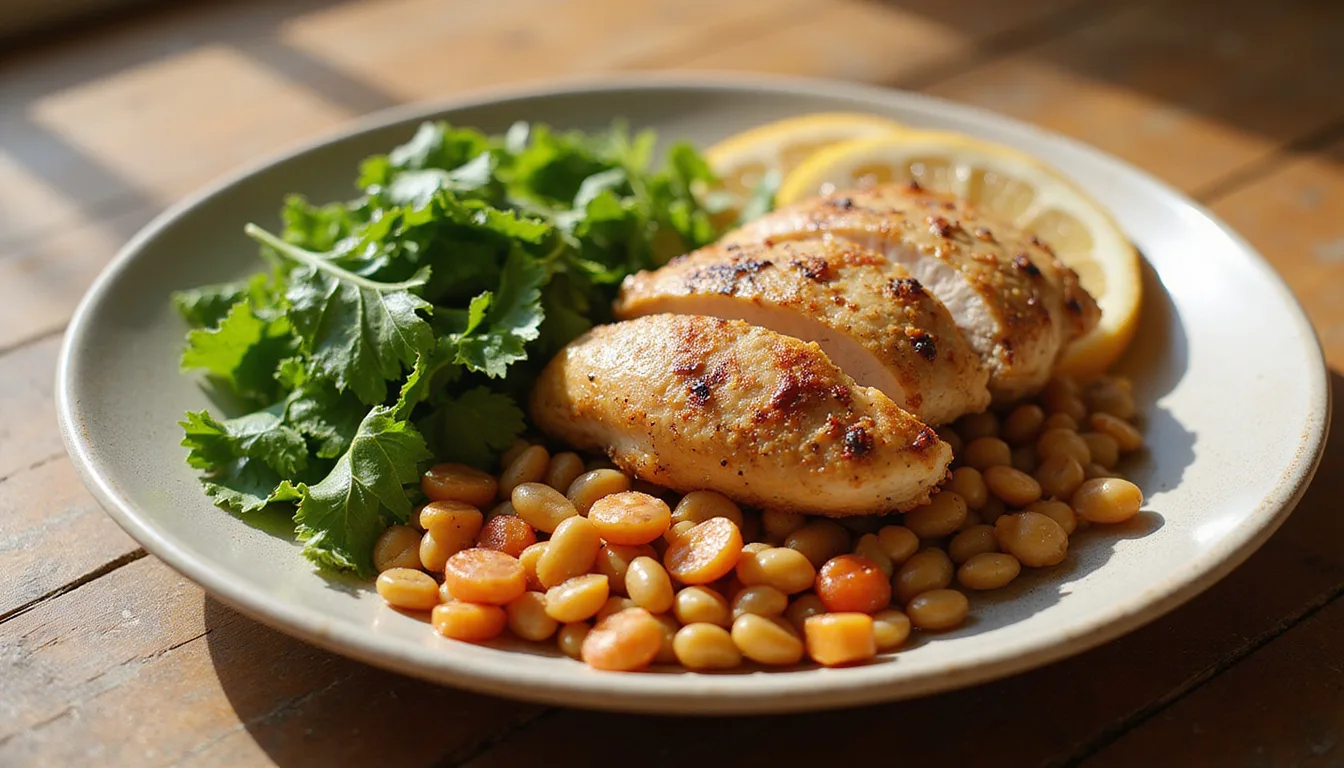
- Grilled chicken breast
- 1 cup lentils with spices
- A side of mixed vegetables (broccoli, carrots, green beans)
- Water or sparkling water
Afternoon (if hungry)
- Leftover chili with lean ground beef, black beans, tomatoes, and peppers
- Or a small side of beans and veggies
Dinner
- Baked salmon
- 1 cup chickpeas or kidney beans
- A large salad (mixed greens, cucumbers, tomatoes, onions) with olive oil and vinegar
You do not have to weigh or measure every bite. Assemble your plate with these parts until you feel full.

Why the Slow Carb Diet Can Melt Fat Without Counting Calories
The slow carb way cuts calories on its own in several ways:
-
Higher satiety
Protein, fiber-rich legumes, and vegetables fill you well with fewer calories. You eat less because you feel full faster and longer. -
More stable blood sugar
Skipping fast carbs helps your blood sugar stay steady. With fewer dips, you face fewer sudden snack urges. -
Fewer tempting, overly processed foods
Many tasty foods mix sugar, refined flour, and fat (like donuts, chips, cookies, pizza). The slow carb plan cuts these out. -
Simple choices
Fewer food options make it easier to stay on track and not overeat.
Even if you still balance energy in and out, this plan helps you use less energy without hard math.
Benefits of the Slow Carb Approach
1. No Weighing or Logging
For many, tracking food can be hard on the mind. The slow carb plan removes the need to:
- Count calories
- Track macros
- Weigh every portion
You only follow food groups instead of exact numbers.
2. Easy to Shop, Cook, and Prep
With a few routine meals and a short shopping list, you can:
- Cook proteins and beans in large batches once or twice a week.
- Use the same ingredients in different ways.
- Spend less time planning and more time on life.
3. Works with Busy Lifestyles
The slow carb diet is built for busy people. It fits:
- Those who eat at a desk or are always on the move.
- Parents with little time for long cooking sessions.
- Travelers who can find beans, salads, and grilled meats easily.
4. Built-In Flexibility via Cheat Day
The weekly cheat day lets you:
- Enjoy social events without worry.
- Avoid the feeling that one mistake means you must give up.
- Get a break from strict rules.
Common Challenges and How to Solve Them
Challenge 1: Bloating or Gas from Legumes
A quick rise in bean and lentil servings can cause digestive strain.
Solutions:
- Start with small servings and slowly increase.
- Rinse canned beans well.
- Soak dry beans, add bay leaves or ginger during cooking, or use a digestive enzyme that works on oligosaccharides.
Challenge 2: Boredom from Repetitive Meals
Having the same meals can grow dull. This is a built-in part of the plan, but sameness may still wear on you.
Solutions:
- Change your spices and sauces. Try flavors from Mexico, India, or the Mediterranean.
- Switch your protein each week. One week chicken, the next week turkey or fish.
- Use different legumes and vegetables.
Challenge 3: Overdoing Cheat Days
Some push cheat day so far that progress slows.
Solutions:
- Keep cheat day to just a 24-hour period.
- Eat a high-protein, high-legume breakfast on cheat day to lessen later binges.
- Choose your favorite treats instead of eating all you see.
Challenge 4: Eating Out on Slow Carb
Restaurants may hide sugars and refined carbs in their dishes.
Strategies:
- Ask for extra vegetables instead of fries or rice.
- Pick grilled or roasted meat with a side of beans if you can.
- Request dressings and sauces on the side.
Practical Tips to Make Slow Carb Work Long-Term
To turn the slow carb diet into a way of life, build steady habits:
- Plan your meals each week. Pick 2–3 main meals and shop for them.
- Cook in batch. Make a large pot of beans and cook proteins on your free day.
- Start your day with high protein to calm your appetite and cut cravings later.
- Keep some “backup” foods like canned beans, frozen veggies, or pre-cooked chicken.
- Drink water often. Sometimes thirst feels like hunger.
- Use progress measures besides the scale. Try photos, measurements, or note how your clothes fit.
Who Is the Slow Carb Diet Best For?
The slow carb plan helps many people, such as:
- Those tired of calorie counting.
- People who prefer clear rules over vague “moderation.”
- Busy professionals or parents who need an easy plan.
- Individuals who enjoy beans and savory meals more than fruit and sweets.
It may be less a fit for:
- People whose digestion struggles with legumes.
- Those needing strict carb management because of health issues (always ask your healthcare provider).
- Individuals who think that leaving out fruit for a long time does not match their food view.
Quick Reference: Slow Carb Foods List
Eat Freely (Slow Carb Days)
- Proteins: eggs, chicken, turkey, beef, pork, fish, seafood, tofu, tempeh
- Legumes: lentils, black beans, pinto beans, kidney beans, chickpeas, navy beans
- Vegetables: leafy greens, broccoli, cauliflower, peppers, onions, mushrooms, zucchini, asparagus, cabbage, green beans, tomatoes
- Fats (in moderation): olive oil, avocado, nuts (use sparingly), ghee, coconut oil
- Drinks: water, sparkling water, black coffee, unsweetened tea, limited red wine
Avoid (Slow Carb Days)
- Grains: bread, pasta, rice, oats, cereals, tortillas, pastries
- Starchy veggies: potatoes, yams, corn, most root vegetables
- Dairy: milk, cream-based drinks, yogurt, cheese (some plans allow small amounts)
- Fruit: all fruit and fruit juices
- Sugary items: soda, candy, desserts, sweetened coffee drinks, flavored coffees
Anything Goes (Cheat Day)
- Every food from the above lists is allowed.
FAQ: Slow Carb Diet Questions Answered
1. Is slow carb the same as a low-carb or keto diet?
No. The slow carb plan removes many high-carb foods like bread and pasta, but it still keeps legumes as a key carb. Keto pushes carb intake very low (20–50 g/day) to stay in ketosis and often leaves out beans and lentils. Slow carb is more moderate. It cuts fast carbs and sugars while keeping slow-digesting carbs.
2. Can you build muscle on a slow carb diet?
Yes. You can build or hold on to muscle if you:
- Eat enough protein (around 0.7–1.0 g per pound of goal weight is a common guide).
- Do resistance exercises every week.
- Get enough calories for your goal (a bit less for fat loss or more for muscle gain).
Legumes along with animal or plant proteins give you the amino acids needed for muscle repair.
3. Is the slow carb diet healthy long-term?
For many, slow carb can work well over time, especially when compared to a highly processed Western diet. It stresses:
- High-protein whole foods
- Fiber-rich legumes
- Plenty of vegetables
- Low sugar and refined starch
That said, cutting fruit and most dairy for a long stretch might not be required for all. Many people switch to a more flexible whole-food diet after some fat loss. They keep the slow carb ideas (lots of protein, vegetables, and low sugar) while slowly adding back some fruits and other whole carb foods.
Always check with a professional when you make a big diet change.
Take the First Step into Slow Carb Today
The slow carb plan cuts out extra confusion and gives you a clear route to fat loss. Eat protein, legumes, and vegetables six days a week. Skip fast carbs and sweet drinks. Enjoy one cheat day each week. Let routine work for you.
You do not need perfect numbers, an app, or a food scale to start. All you need is a short list of foods and a plan to follow the rules for some weeks. Cook a big pot of beans, fill your fridge with eggs and lean proteins, get many fresh or frozen vegetables, and pick 2–3 simple meals.
If you are ready to lose fat without counting calories, choose a start day this week, plan your grocery trip, and try the plan for 30 days. Your energy, cravings, and waistline will show if slow carb is right for you.
[center]Always consult with your doctor prior to making drastic diet changes.[/center]
[center]As an Amazon Affiliate, Savvy Keto makes a small commision (at no extra cost to you) on any purchases you make thru affiliated links you click on.[/center]