Satiety Foods to Keep You Full: Science-Backed Meal Picks
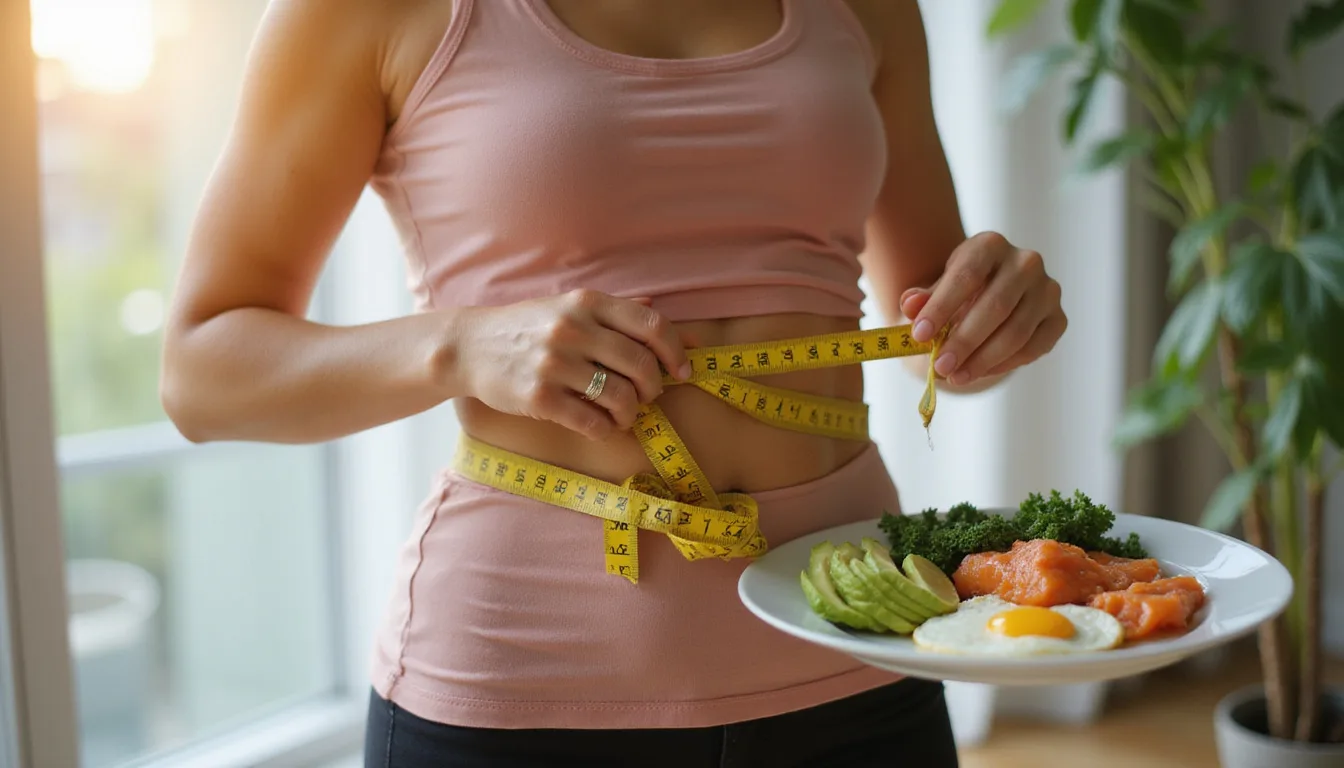
When hunger knocks and you try to eat well, it can weigh you down. Satiety foods work to keep hunger at bay. You choose foods that fill you up, and your body handles energy and weight more smoothly, without the empty feeling.
This guide shows the science behind foods that fill you up, lists top foods to eat, and gives meal ideas that keep hunger away all day.
What Are Satiety Foods?

Satiety foods help you feel full long after you eat. They cut down on the need to snack. They help balance hunger and the calories you get. They keep blood sugar and energy on a steady track.
These foods share traits. They pack a good dose of protein, fiber, or water. They are less altered by processing.
Research shows that no two foods work the same when it comes to filling you up. One study at the University of Sydney made a "Satiety Index." It found that boiled potatoes, oats, and fish fill you much more than white bread or pastries (source: University of Sydney Satiety Index).
The Science of Satiety: What Makes a Food Filling?
Knowing why certain foods fill you up can help you build meals that work well for your body.
1. Protein: The Top Friend in Fullness
Protein earns praise for its lasting effect. It slows the emptying of the stomach. It lifts levels of hormones that tell your brain that you are full. It also helps keep muscle strong, which keeps your body burning energy.
High-protein meals cause you to eat less later because hunger stays low.
High-protein satiety foods include:
• Eggs
• Greek yogurt and cottage cheese
• Chicken, turkey, lean beef
• Fish and seafood
• Tofu, tempeh, edamame
• Lentils, beans, chickpeas
2. Fiber: Bulk That Feeds
Fiber adds bulk without a lot of calories. It slows how fast food leaves your stomach and helps steady blood sugar. That mix makes fiber foods a strong friend in filling you up.
• Soluble fiber turns into a gel in your gut. It slows food movement and supports the full feeling.
• Insoluble fiber builds bulk and aids smooth food flow through the gut.
High-fiber satiety foods include:
• Oats, barley, quinoa
• Beans, lentils, peas
• Vegetables like leafy greens, broccoli, carrots, Brussels sprouts
• Fruits such as berries, apples, pears, oranges
• Nuts and seeds like chia, flax, almonds
3. Water and Volume: Big Portions, Few Calories
Foods high in water push up the dish’s volume. They stretch your stomach. This sends clear signals to your brain that you are full, all while keeping calories low.
High-volume, low-calorie foods include:
• Leafy greens
• Cucumbers, celery, tomatoes
• Melons, oranges, grapefruit
• Soup made with broth
4. Fat: Slow and Satisfy
Fat slows digestion and helps you feel full for more time. It gives a rich feel, but note that fat holds many calories. A little bit of good fat can keep you satisfied:
• Avocado
• Nuts and nut butters
• Seeds
• Olive oil or extra-virgin oils
• Fatty fish like salmon, mackerel, sardines
Use small amounts so that meals stay filling and stop snacking between meals.
5. Whole vs. Ultra-Processed Foods
Whole or lightly processed foods usually pack more protein, fiber, and water. They do not let you overfill on calories. Ultra-processed foods (like chips, candy, pastries, or many packaged snacks) mix refined carbs, sugars, and fats. They move fast in your system, spike blood sugar, then drop it, making you feel hungry again.
Satiety foods stay close to their original form. Your body takes more time with them, which brings fullness.
Top Satiety Foods to Add to Your Diet
Below are powerful foods that help you stay full—a list built on research and key nutrients.
1. Eggs
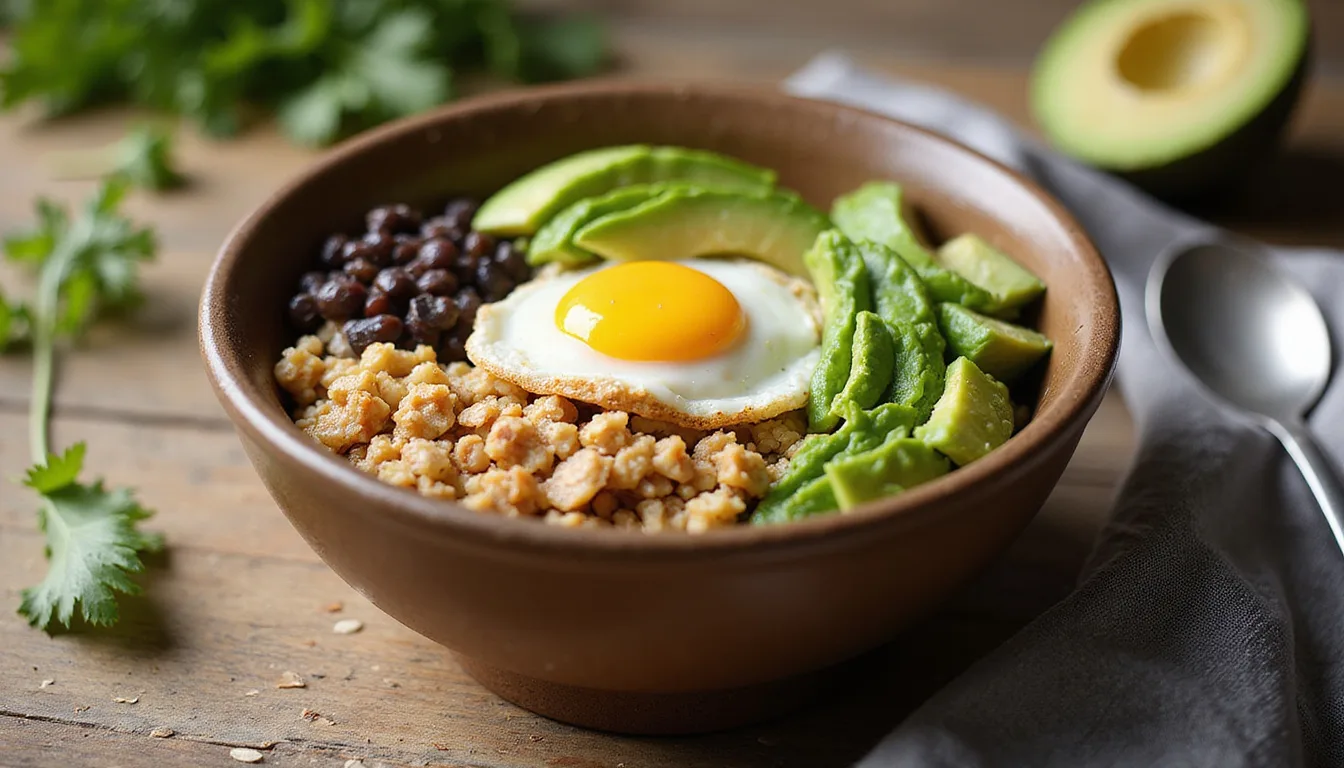
Eggs pack protein and healthy fat. Eating eggs can keep hunger low for hours. They work in many ways: boiled, scrambled, poached, or in omelets.
2. Oats
Oats pack soluble fiber (especially beta-glucan). This fiber slows the journey of food and helps keep blood sugar even. Oatmeal usually rates high in how well it fills you. Steel-cut or rolled oats work best when you need steady energy.
3. Greek Yogurt
Greek yogurt is thick with protein and has less sugar than regular yogurt. Pair it with fruit and nuts for a snack or breakfast that makes you feel full. Choose plain, unsweetened kinds and add your own toppings.
4. Beans, Lentils, and Chickpeas
Legumes mix protein, complex carbs, and fiber. This trio works together to keep your hunger away for long. They work well in soups, stews, salads, or as a base for veggie bowls. Their natural fibers also help keep your gut happy.
5. Potatoes (Especially Boiled)
Boiled potatoes got top marks on the Satiety Index. They hold water and fiber, especially when you keep the skin on. When cooked and then cooled, they form resistant starch that adds to a full feeling. Choose boiled, baked, or roasted potatoes over fries or chips.
6. Fish
Fish packs protein and usually fills you up better than some other proteins in studies. Fatty fish like salmon, mackerel, or sardines also bring omega-3 fats. Lean fish such as cod or haddock fill you while keeping calories low.
7. Nuts and Seeds
Nuts and seeds hold energy. They combine protein, fiber, and fat into one small bite, creating a strong feeling of satisfaction. Almonds, walnuts, pistachios, chia seeds, and flaxseeds work well. Just keep portions small—a little goes a long way.
8. Berries and High-Fiber Fruits
Berries bring fiber and water along with lower sugar. Raspberries and blackberries lead in fiber content. Apples and pears, eaten with skin, add to a long-lasting full feeling.
9. Non-Starchy Vegetables
Leafy greens, broccoli, cauliflower, and Brussels sprouts bring large volume and many nutrients with few calories. They push up the size of your meal and help your plate feel complete.
10. Quinoa and Other Whole Grains
Whole grains come with more fiber, vitamins, and minerals than refined grains do. Quinoa, barley, brown rice, and farro move slowly through your system. Barley, high in soluble fiber, is great for keeping hunger low.
Building High-Satiety Meals: Practical Framework
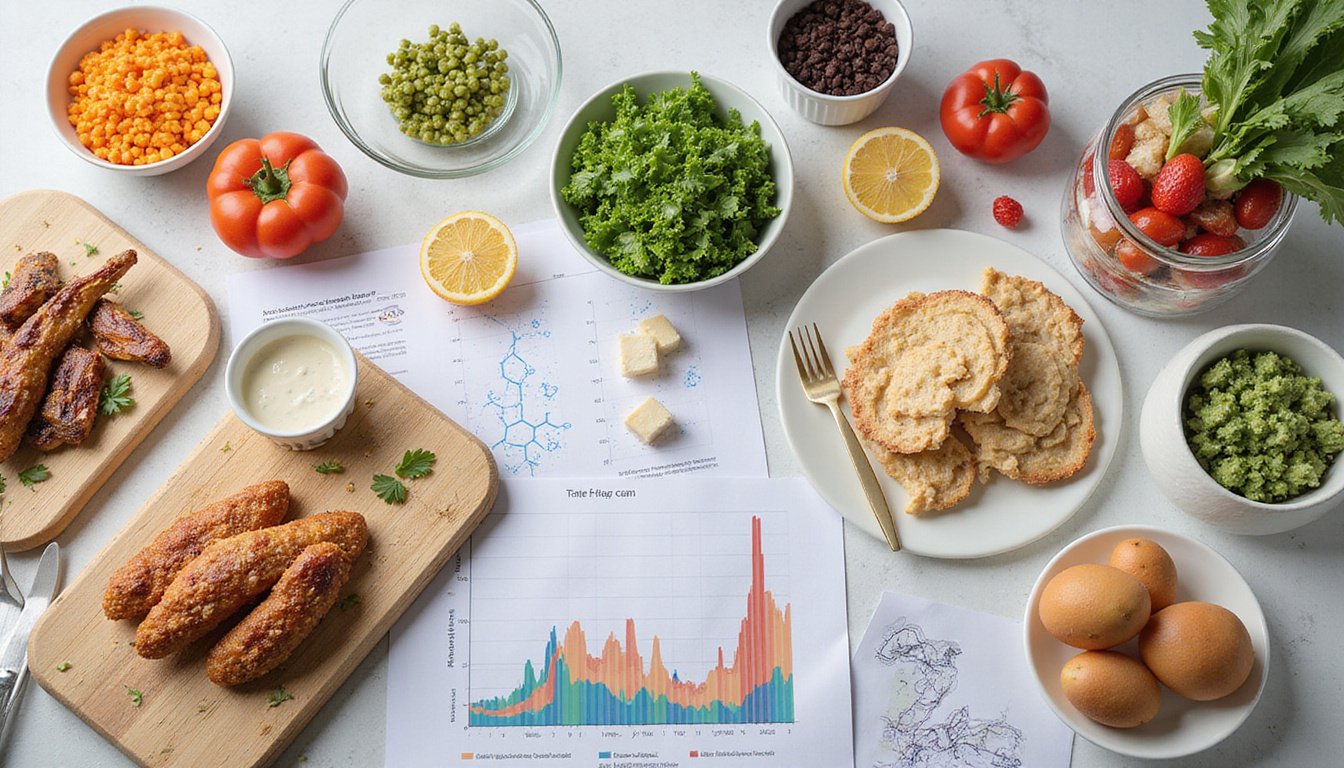
Creating a filling meal does not need to be complex. Build your meal with these ideas in mind:
-
Put a good protein source on your plate (about 20–30g per meal).
(Try eggs, Greek yogurt, fish, chicken, tofu, beans, or lentils.) -
Add high-fiber carbohydrates.
(This could be oats, quinoa, potatoes, beans, or whole fruits instead of sugary or refined ones.) -
Fill half the plate with vegetables.
(Non-starchy veggies add bulk and vitamins.) -
Add a bit of healthy fat.
(A few nuts, seeds, avocado slices, or a small drizzle of olive oil.) -
Notice the texture and the time spent chewing.
(Whole fruits and grains, which require chewing, send extra signals to let you know you are full.)
Sample Meal Ideas Using Satiety Foods
Below are meal ideas that combine these foods to keep you full and strong.
High-Satiety Breakfasts
-
Protein-Packed Oat Bowl
• Cook rolled or steel-cut oats in water or milk.
• Top with Greek yogurt.
• Add berries on top.
• Sprinkle with chia or ground flaxseeds.This bowl works well with fiber, protein, and small doses of fat to keep hunger low.
-
Veggie Egg Scramble with Toast
• Scramble 2–3 eggs with spinach, tomatoes, and mushrooms.
• Add a slice of whole-grain toast.
• Serve with an orange or half a grapefruit.Eggs give protein and fat. Vegetables and toast bring fiber and bulk.
-
High-Protein Yogurt Parfait
• Use plain Greek yogurt.
• Add mixed berries.
• Include a small handful of nuts like almonds or walnuts.
• Mix in a spoon of oats or a bit of low-sugar granola.This parfait is easy to take with you and fills you up with protein and fiber.
Filling Lunches
-
Lentil and Veggie Soup with Whole-Grain Bread
• Make a soup with lentils and vegetables such as carrots, celery, tomatoes, and spinach.
• Pair it with whole-grain bread or a small boiled potato on the side.The water in the soup and lentils’ natural fiber work together to fill you up.
-
Salmon Quinoa Bowl
• Use grilled or baked salmon over a bed of quinoa.
• Add roasted vegetables like broccoli, Brussels sprouts, or carrots.
• Drizzle with olive oil or a spoon of tahini.This bowl blends protein, good fats, grains, and veggies for a filling meal.
-
Chickpea and Avocado Salad
• Mix chickpeas with greens.
• Add diced cucumber, bell pepper, and cherry tomatoes.
• Dice a quarter to half an avocado into the salad.
• Toss with a lemon-olive oil dressing.Chickpeas and avocado work together to fill you up, while greens add bulk.
Satisfying Dinners
-
Chicken, Potato, and Veg Tray Bake
• Arrange chicken breast or thighs on a tray.
• Add chunks of potatoes (with skin), carrots, onions, and Brussels sprouts.
• Drizzle with olive oil and sprinkle with herbs and spices.Roast everything in one pan. This meal brings protein, fiber, and roominess.
-
Tofu Stir-Fry with Brown Rice
• Cube firm tofu after pressing out excess water.
• Stir-fry with broccoli, snap peas, bell peppers, and carrots.
• Serve on a small bed of brown rice or barley.
• Add garlic, ginger, and light soy sauce for flavor.This stir-fry works well with plant protein and fiber plus whole grains to keep hunger in check.
-
Bean and Veggie Chili
• Mix kidney, black, and pinto beans with tomatoes, onions, peppers, and corn.
• Add spices like chili powder, cumin, and paprika.
• For a heartier meal, add a small serving of brown rice or a baked potato.Beans bring protein and fiber, turning chili into a very filling meal.
Smart, Filling Snacks
- Greek Yogurt and Berries
- An Apple or Pear with Nut Butter
- Carrot Sticks with Hummus
- A Small Handful of Nuts and a Piece of Fruit
- Cottage Cheese with Sliced Cucumber and Cherry Tomatoes
Each snack pairs protein or healthy fat with fiber and water-rich foods so that you can feel full longer.
Simple Checklist: How to Choose Satiety Foods
When you plan your meal, check these points:
• Does the meal include a good protein source?
• Does it include fiber (from whole grains, beans, fruits, or veggies)?
• Is there extra volume from water-rich foods, soups, or vegetables?
• Is the food close to its natural form and not made in a factory?
• Is there a bit of healthy fat to round the meal out?
If you answer “yes” to three or more points, you are on track with a meal that fills well.
Common Mistakes That Undermine Satiety
Even with foods that fill, some habits can leave hunger hanging.
-
Skipping Protein
A bowl of plain cereal or a piece of toast on its own does not build a long-lasting full feeling like an egg dish or a bean bowl does. -
Relying on Liquid Calories
Smoothies, juices, and sweet drinks go through the system fast and do not give a lasting feeling of fullness like solid food does. -
Loading Up on Refined Carbs
White bread, pastries, and sugary snacks can shake your blood sugar and bring hunger back sooner. -
Missing Enough Overall Volume
Tiny servings or meals that leave out fruits and vegetables may not fill you up mentally or physically. -
Avoiding All Fats
Meals with almost no fat can feel less satisfying, and you may end up eating more later. Use small amounts of healthy fat for a better meal feel.
FAQs About Satiety Foods
-
What are the best high satiety foods for weight loss?
High satiety foods for weight loss are those that fill you up with fewer calories. Think of eggs, Greek yogurt, and cottage cheese; beans, lentils, and chickpeas; oats, barley, and quinoa; boiled potatoes and non-starchy veggies; fruits like berries, apples, and oranges; and fish or lean meats. Each of these foods helps reduce overall calorie intake without leaving you hungry. -
How can I use satiety foods to stop snacking all day?
Try to base every main meal on a mix of protein, fiber, and volume. Pick a strong protein like eggs, fish, tofu, or beans. Then add a high-fiber carbohydrate like oats, beans, or whole fruits or grains. Fill half your plate with veggies. If you need a snack, choose ones that mix protein and fiber (like Greek yogurt, fruit with nut butter, or hummus with veggies). This plan helps you stay full between meals. -
Are there low-calorie satiety foods I can eat more of?
Yes. You can fill up on leafy greens (spinach, kale, or romaine), cruciferous vegetables (broccoli, cauliflower, or Brussels sprouts), cucumbers, celery, tomatoes, and peppers. Broth-based vegetable soups, berries, and citrus fruits also work well. Pair these with a bit of protein so that you get lasting fullness without many extra calories.
Make Satiety Foods the Foundation of Your Everyday Eating
You do not need to count every calorie or stick to strict rules to keep hunger in check. By building meals around satiety foods—lean proteins, high-fiber carbs, vegetables, fruits, and healthy fats—you can build meals that:
• Keep you full between meals
• Give you steady energy and fewer cravings
• Support steady weight control in the long run
Begin with one meal today. Pick a strong protein, add plenty of vegetables, choose a high-fiber carb, and include a small bit of healthy fat. Watch how long you stay full.
If you share a typical day of eating, we can help rework it using these science-backed satiety foods so you feel fuller, more energized, and less tempted by frequent snacking.
[center]Always consult with your doctor prior to making drastic diet changes.[/center]
[center]As an Amazon Affiliate, Savvy Keto makes a small commision (at no extra cost to you) on any purchases you make thru affiliated links you click on.[/center]