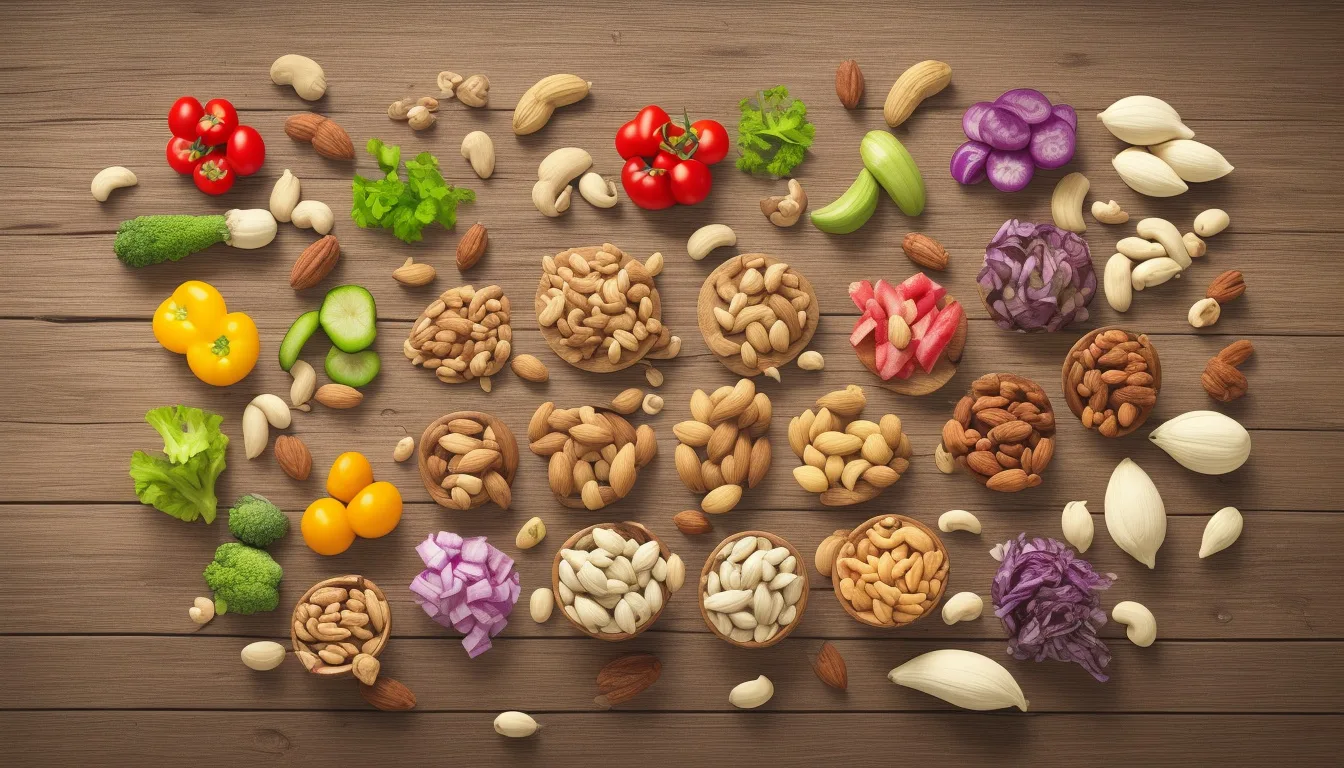
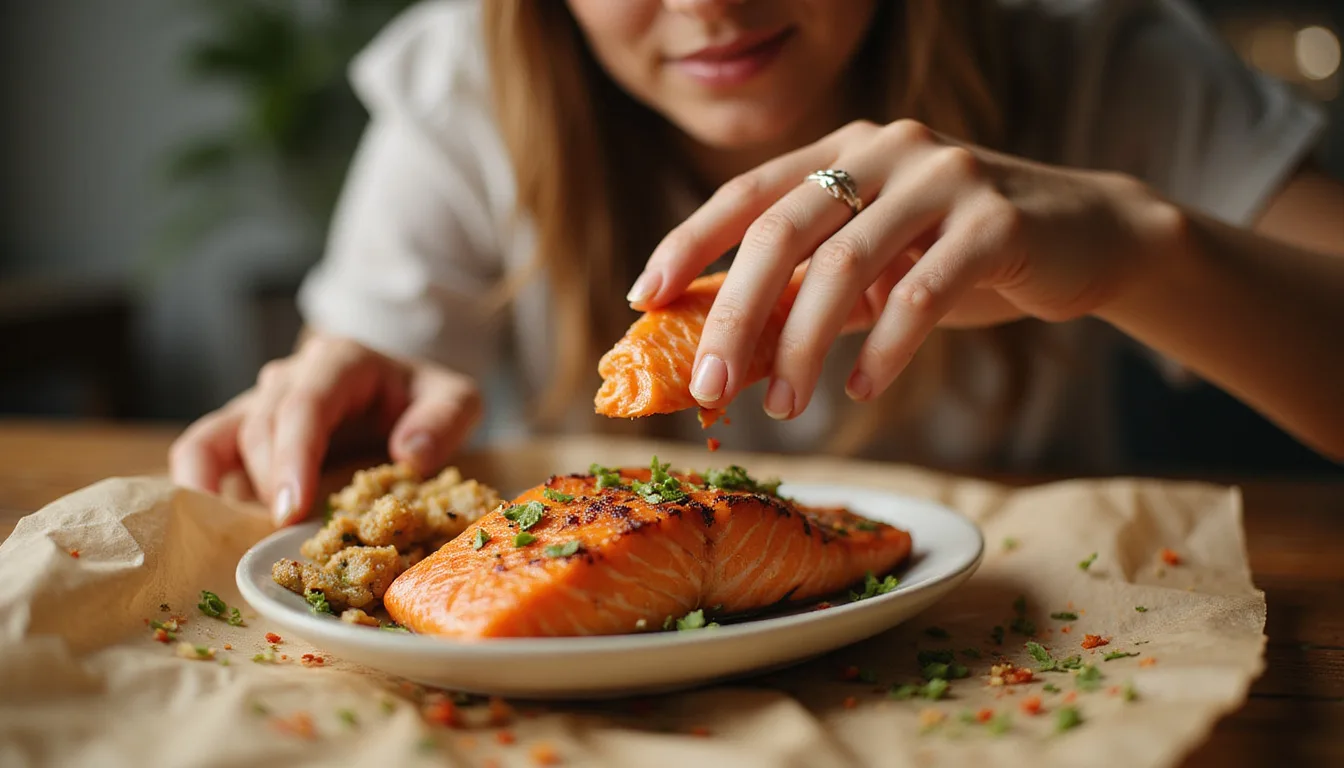
If you have wondered why some days you skip snacks with ease and other days you feel hungry no matter how much you eat, the idea of protein drive may fill the gap. This concept from nutrition science shows that your body pushes you to keep eating until it gets the protein it needs. In this process, extra calories, sugar, and fat can join the meal.
Understanding protein drive can change how you see hunger, cravings, and weight loss. You can work with your body instead of fighting it. This makes your diet more satisfying, sustainable, and effective.
What is protein drive?

Protein drive is a nutrition theory. It tells us that humans (and many animals) have a strong, built-in need to eat enough protein. If your diet has little protein, your body pushes you to eat more food until that need is met.
In practice:
- When you eat enough protein, you feel full with fewer calories.
- When your diet has little protein and many carbs and fats, you may:
- Feel hungry for a longer time
- Crave snacks and processed foods
- Eat extra calories without noticing
This idea does not support high-protein fad diets. It shows that your body values protein as a key building block for muscles, hormones, enzymes, and immune function. Your brain keeps a close record of your protein intake compared with carbs or fat.
The science behind protein drive
The Protein Drive Hypothesis was first made by nutrition scientists Stephen Simpson and David Raubenheimer. Animal and human studies show a clear pattern: as the protein percentage in the diet drops, total calories rise.
In one study, people ate more calories when their meals had less protein. They were not weak in self-control; their bodies tried to fix a protein gap.
Key points of the hypothesis:
- Your body has a set protein target each day.
- When your food has little protein but many calories, your body pushes you to keep eating.
- This can cause “passive overeating”—you reach your protein need but take in too many calories.
In our modern diets, many ultra-processed foods change this effect. Many snack foods have low protein, high refined carbs, and fats, and are made to taste very good. This mix can drive overeating.
How protein affects hunger and cravings
Protein works powerfully on fullness. Protein drive shapes your daily appetite in these ways:
1. Longer and stronger fullness
Protein makes your body release hormones like peptide YY (PYY) and GLP-1. These hormones tell your brain that you have enough. Meals with more protein:
- Keep you full for a longer time
- Cut down the urge to snack
- Slow down late-night cravings
This is why a protein-rich breakfast often makes you eat less during the day. Your brain sees that your protein need is met.
2. Reduced pleasure eating
When you eat little protein, you might seek very tasty, energy-rich foods like chips, pastries, sweets, or fast food. Your brain searches for extra calories in hopes of catching enough protein.
Once you near your protein need:
- The reward from food and noisy thoughts about eating drop
- Cravings for junk food become easier to ignore
- Constant snacking may slow down without extra willpower
3. Natural calorie control
Protein helps make you feel full. When you raise the percentage of protein in your calories, you usually:
- Snack less without planning
- Eat smaller portions without effort
- Lower your total calorie intake each day
Protein drive does not mean eating unlimited protein. It means getting just enough protein in the right share of your calories so your body does not overcompensate.
Protein drive and weight loss
Understanding protein drive can change how you approach weight loss. Instead of just eating less, you can focus on eating better by raising the protein share of your diet while keeping an eye on calories.
Higher protein share, not just more protein
You do not need a bodybuilder’s protein amount. What matters for protein drive is the percentage of calories that come from protein.
For many people, a good range is about:
- 20–30% of total calories from protein
If you currently get only 10–15% from protein (common in diets high in processed carbs and fats), moving into the 20–30% range can:
- Reduce hunger between meals
- Cut down on late-night snacking
- Make calorie control easier
Preserving muscle while losing fat
When you lose weight, enough protein helps to:
- Keep lean muscle mass
- Maintain strength
- Support a healthy metabolism
Without enough protein, your body may lose both fat and muscle. With a balanced protein intake, you lose mostly fat while keeping muscle.
Fewer cravings and more ease
Many diets do not last because they are hard to stick with. Protein drive helps make your plan feel easier:
- Meals feel more filling
- Cravings become less strong
- You feel more comfortable on fewer calories
This mix is what you need for lasting fat loss—a diet you live with and not just follow for a short time.
How much protein do you need?
Daily protein needs vary. Common guidelines are:
- 0.8 g per kg of body weight for a safe minimum
- 1.2–1.6 g per kg for weight management and feeling full
- Up to 2.0–2.2 g per kg for athletes or those in intense training
For example, if you weigh 70 kg (about 154 lbs):
- Minimum: ~56 g/day (0.8 × 70)
- Weight management range: ~85–110 g/day
For many focused on healthy weight loss, aiming for about 1.2–1.6 g/kg works well, unless a doctor advises otherwise.
Keep in mind:
- People with kidney issues or other conditions may need different advice.
- If you are unsure, talk with a registered dietitian or healthcare provider.
When protein drive does not work: modern food environments
The theory of protein drive is important when you look at today’s food choices. Ultra-processed foods tend to be:
- Low in protein
- High in refined carbs and added fats
- Made to be very appealing
Examples include:
- Chips and crackers
- Candy and pastries
- Sugary drinks
- Fast food meals
- Frozen convenience meals low in protein
When most of your calories come from these foods, the protein share drops. Your appetite then pushes you to eat more to reach your protein target.
Over time, this pattern can lead to:
- Weight gain without meaning to
- Ever-present cravings
- Strong food-related thoughts throughout the day
By learning about protein drive, you can plan meals so that, even in a tempting food scene, your body feels well fed and less drawn to junk food.
Practical steps to use protein drive for your benefit
You do not have to change your life overnight. Use protein drive in small, smart steps.
1. Begin your day with protein
Start with a high-protein breakfast to set your appetite right:
- An omelet with eggs and vegetables
- Greek yogurt with berries and a handful of nuts
- Cottage cheese with fruit
- A protein smoothie with whey or plant protein, spinach, and frozen berries
A breakfast rich in protein can cut mid-morning hunger and help you choose better at lunch.
2. Make protein the center of every meal
Plan each meal around a solid protein source, then add carbs and healthy fats:
- Lean meats: chicken, turkey, lean beef or pork
- Fish and seafood: salmon, tuna, shrimp, white fish
- Eggs or egg whites
- Dairy: Greek yogurt, cottage cheese, skyr, cheese (in moderation)
- Plant proteins: tofu, tempeh, edamame, lentils, beans, chickpeas, seitan
Build your plate as follows:
- Pick your protein core
- Add vegetables or salad
- Fill with whole-food carbs (potatoes, rice, quinoa, whole grains) and healthy fats (olive oil, avocado, nuts)
3. Change your snacks with protein in mind
Switch low-protein, high-sugar snacks for ones that support protein drive:
- Instead of chips → string cheese with an apple
- Instead of candy → Greek yogurt with strawberries
- Instead of pastries → boiled eggs with carrot sticks
- Instead of sugary cereal → high-protein yogurt or a small protein shake
If a snack leaves you hungry again in 30–60 minutes, it might have too little protein or fiber.
4. Beware of foods that cut down protein share
Some foods are fine in small amounts. They can, however, cut down the protein share if you eat them too often:
- Sugary drinks and juices
- Refined baked items (muffins, croissants, cookies)
- Large servings of white pasta or rice with little protein
- Very processed snacks and desserts
Save these for special times. Do not let them take over your daily intake.
5. Use a simple checklist every day
When you plan a meal, ask yourself:
- Does each meal have 20–40 g of protein?
- Do at least 20–30% of my calories come from protein?
- Do I feel full for 3–4 hours after eating?
- Are my cravings less strong compared with days when I eat less protein?
If you answer “no,” try to add more protein and cut back on extra carbs and fats.
Is more protein always better?
No. Protein drive is about getting enough protein to feel full and stay healthy—not about eating protein without limits.
Too much protein may bring some issues:
- It may push out vegetables, fruits, and fiber-rich foods
- You might rely too much on processed protein bars or shakes
- Some people may feel stomach discomfort
The aim is a balanced whole-food diet where protein has a main role but does not rule all meals. Most people gain from small rises in the protein share without any extremes.
Protein drive for different eating styles
You can use protein drive with almost every eating style.
High-protein omnivorous
- Focus on lean meats, fish, eggs, and dairy
- Use foods in their natural state when you can
- Add many vegetables and some whole-food carbs
Mediterranean-inspired
- Eat fish and seafood several times a week
- Use yogurt, cheese, and legumes as main protein sources
- Round out meals with olive oil, nuts, seeds, and vegetables
Vegetarian
- Focus on:
- Greek yogurt, cottage cheese, eggs (if you include them)
- Lentils, beans, chickpeas, peas
- Tofu, tempeh, edamame
- Mix plant proteins (for example, combine rice and beans) to meet protein needs
Vegan
- Use foods such as:
- Tofu, tempeh, edamame
- Lentils, beans, chickpeas
- High-protein plant yogurts, seitan
- Good-quality plant-based protein powders
No matter your eating style, the idea behind protein drive remains the same. Choose solid, protein-rich foods every time you eat and let them guide the rest of your meal.
Frequently asked questions about protein drive
1. How does the protein drive hypothesis help with cravings?
The Protein Drive Hypothesis shows that when you meet your body’s protein needs, your appetite calms. Fewer strong cravings for sweets and junk food follow because your body no longer forces you to eat extra for protein.
2. Can a protein-drive diet work if I am plant-based?
Yes. A protein-drive diet works with vegetarian or vegan plans if you choose your protein sources carefully. Emphasize lentils, beans, tofu, tempeh, edamame, and plant proteins. Aim for a level where 20–30% of your calories come from protein.
3. Is focusing on protein drive better than just counting calories?
They work well together. Using protein drive for weight loss makes it easier to control calories by cutting hunger and cravings. You may still want to know your calorie range, but putting protein first makes sticking to it easier.
Use protein drive to make your diet work for you
You do not need to live in a struggle with your willpower. Knowing protein drive shows you that hunger and cravings are signs from your body about what it needs.
By raising the protein share of your meals and cutting back on very processed, low-protein foods, you can:
- Feel full with fewer calories
- Cut down on constant snacking and cravings
- Protect your muscle and support a healthy metabolism
- Make weight loss feel more natural and steady
Begin with small, easy changes today. Add an extra egg to your breakfast, swap a sugary snack for Greek yogurt, or build your dinner around lean protein and vegetables. As your protein intake nears what your body asks for, your hunger will quiet and your diet will feel easier to maintain.
If you are ready to stop fighting cravings and start working with your body, try a week of protein-focused meals. Note how your hunger, energy, and mood change. If it helps, keep refining your plan. Your healthier future self will thank you for using the power of protein.
[center]Always consult with your doctor prior to making drastic diet changes.[/center]
[center]As an Amazon Affiliate, Savvy Keto makes a small commision (at no extra cost to you) on any purchases you make thru affiliated links you click on.[/center]