If you have tried many diets and still grab one more slice, portion control can be the link you need.
Portion control is not about strict rules or tiny plates. It is a way to eat the right size portions while still enjoying real food.
This article shows why portion control matters, explains simple tricks to curb overeating, and builds habits that support steady weight loss.
Why portion control matters more than counting calories alone
Many diets count calories only, but portion control affects the amount and type of food you eat.
Large portions fool your brain into eating more even when you feel full.
Over time, those extra bites add up—especially with calorie-dense foods like nuts, cheese, sauces, and restaurant meals.
Using portion control helps you cut extra calories without feeling like you are missing out.

Research points out that larger portions over recent years have played a role in weight gain for many people (source).
Managing portions makes it easier to reduce calorie intake while still enjoying meals.
Common reasons people eat too much
Knowing why you eat extra helps you use portion control.
These reasons include:
• Environmental cues: big plates, large servings at restaurants, and family-style meals push you to take more.
• Distracted eating: when you eat while watching TV or working, your body misses signals of fullness.
• Emotional triggers: stress, boredom, or loneliness can lead you to eat when you do not need food.
• Misjudging portions: packaged food, restaurant entrees, and “single-serve” items may hold more than one serving.
Simple portion control tricks you can use today
Below are clear, science-backed tips to stop overeating and make portion control part of your day.
-
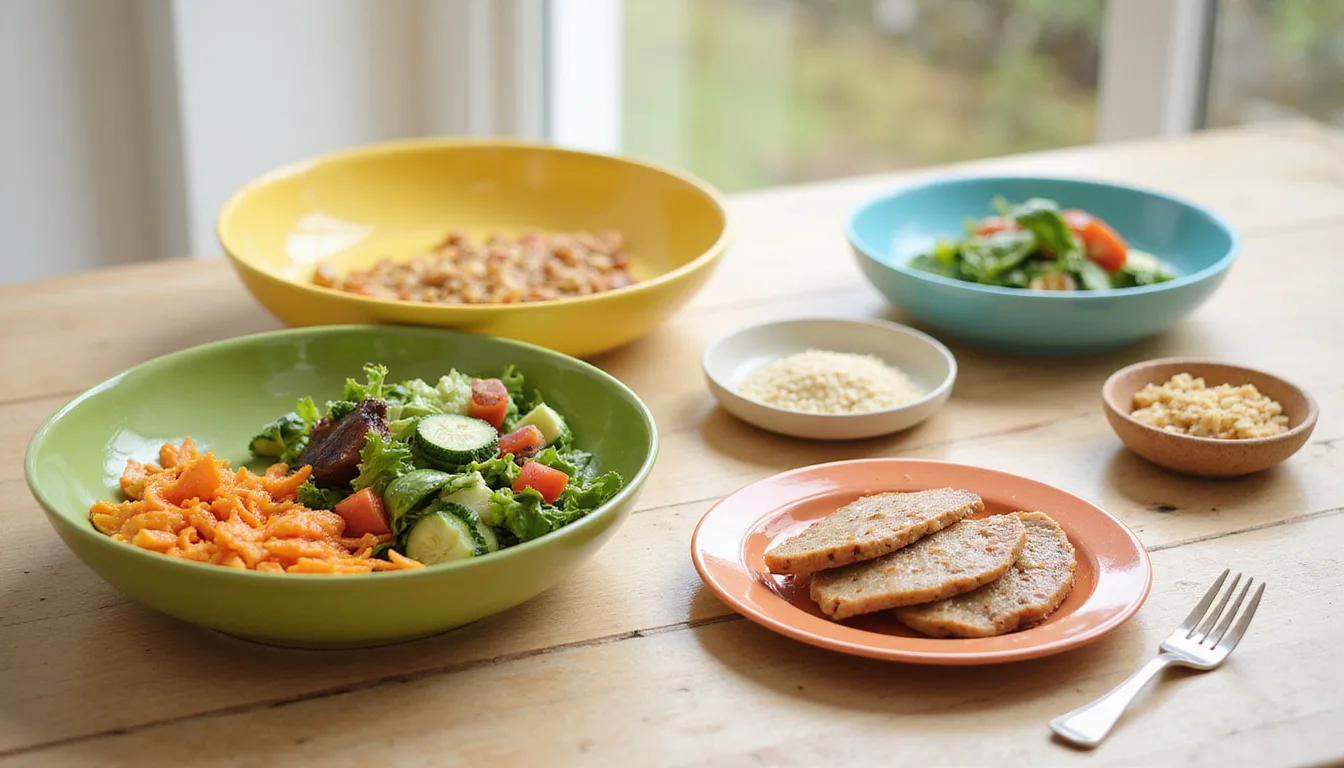
Use smaller plates and bowls
Replace a 12-inch dinner plate with a 9–10 inch plate.
A smaller plate makes the same food look enough and helps you serve less food without feeling hungry. -
Divide restaurant meals right away
Many restaurant entrees hide two or three portions.
When your meal comes, ask for a to-go box and set aside half before you begin, or share the dish with a friend. -
Pre-portion snacks
Do not eat directly from the bag.
Place servings into small containers or single-serve bags so you know exactly how much you eat. -
Fill half your plate with vegetables
Vegetables give volume and fiber with fewer calories.
By filling half your plate with non-starchy vegetables, you leave less space for foods that are high in calories. -
Measure once to learn
For one week, measure your portions using cups, ounces, or tablespoons.
Soon, you will begin to tell what a normal serving looks like without extra measuring. -
Use visual cues for portions
Learn simple clues: a palm-sized piece of protein, a cupped hand for carbs, a fist for vegetables, and a thumb for oils or nut butters. -
Slow down and chew
When you eat slowly, your body has time to feel full.
Put the fork down after bites and try to take 20–30 minutes per meal. -
Plan balanced plates
Mix protein, fiber-rich carbs, and healthy fats to help you feel full longer.
Meals with protein and fiber help curb extra snacking. -
Avoid the pressure to finish every bite
Listen to your hunger and stop when you feel satisfied.
Teach your family to do the same, instead of forcing empty plates. -
Watch out for high-calorie drinks
Drinks like smoothies, alcohol, and sugary sodas add calories fast.
Try having one glass instead of two or mix your drink with water, seltzer, or ice.
A simple numbered list:
- Begin your meal with a glass of water.
- Use a 9–10 inch plate for dinner.
- Pre-portion snacks into 100–200 calorie servings.
- Eat protein first to steady your hunger.
- Walk for 10 minutes after meals to help digestion and reduce snack urges.
Portion control tools that make life easier
You do not need only willpower—here are some tools that help:
• Measuring cups and a kitchen scale: use these tools until you feel comfortable estimating serving sizes.
• Portion-control plates and bowls: these items guide you with compartment sections.
• Reusable containers: use them to pack single-portion lunches and manage midday eating.
• Apps and photo food diaries: track what you serve visually to grow your awareness.
• A stamp or sticker system: mark containers for single servings to avoid second helpings.
How to use portion control at home and when eating out
At home: serve meals in your kitchen instead of family-style at the dining table to avoid second helpings.
Keep high-calorie foods hidden and place healthier options where you can easily grab them.
At social events: have a small, protein-rich snack before you go so you do not reach the buffet hungry.
Choose a few favorite items and skip the rest to focus on the conversation rather than the food spread.
When eating out: match the portion size to your hunger.
Order an appetizer as a main dish, share an entrée, or request a half portion.
Skip side upgrades or extra drinks if they do not add satisfaction.
Mindful eating: the mind side of portion control
Portion control also deals with behavior.
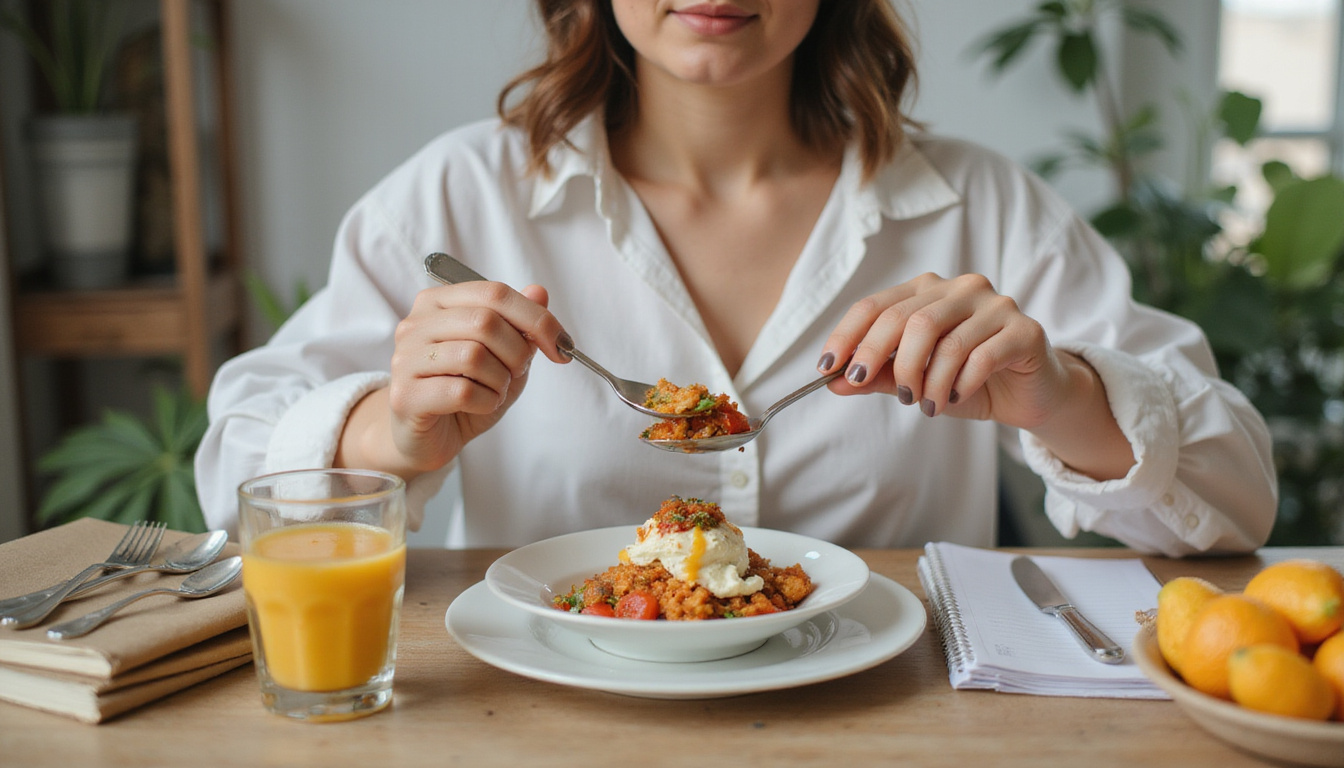
Mindful eating helps you notice when you are hungry or full and cuts down on eating out of habit:
• Pause before taking extra helpings. Ask if you are truly hungry or if another reason makes you eat.
• Name your feelings. When you feel stress, say it out loud and choose another activity that can help.
• Focus on your senses. Notice the taste, texture, and smell of your food—this can help you feel satisfied faster.
Meal planning and grocery ideas
The grocery store can help you control portions.
Make a list, do your shopping after a meal, and stay away from aisles that tempt you.
Buy more whole foods and fewer packaged snacks that make it easy to eat too much.
For high-calorie items, pack them into small containers instead of storing them in big packages.
How to handle setbacks without giving up
Everyone makes slip-ups.
Notice the event, learn what set it off, and move on.
Feelings of guilt can make you restrict food and then overeat again.
Instead, start fresh with the next meal.
Over time, using portion control regularly will reduce setbacks.
How portion control helps with long-term weight loss
Portion control makes a small, manageable calorie gap without the limits of many diets.
Minor changes—such as cutting one extra snack or halving your restaurant portion—add up over weeks and months.
Because portion control is flexible, it is easier to keep up, which matters most when losing weight over time.
When to ask for professional advice
If you often eat too much, show signs of emotional eating, or feel that there may be an eating disorder, talk to a registered dietitian or mental health expert.
They can give you personal tips for portion control while working through other challenges.
Authoritative guidance
For more on portion sizes and how they affect weight and health, view advice from trusted experts such as Harvard T.H. Chan School of Public Health. Their resources explain how serving sizes have changed and help you think about portions in a new light (source).
Short FAQ — quick answers you can use
Q: What are the best portion control tips for beginners?
A: Begin with plate size, fill half the plate with vegetables, pre-set your snacks, and measure a week of meals. These easy tips help build portion control habits without hard rules.
Q: How are portion control strategies different from dieting?
A: Portion control looks at the amount you eat while letting you enjoy normal food in smart sizes. Unlike strict diets, portion control is flexible and works best when done consistently.
Q: Do portion control plates help with weight loss?
A: Yes—plates designed for portion control show you proper serving sizes and help balance meals. This visual guide supports gradual weight loss when combined with mindful eating and regular exercise.
A 7-day portion control mini-plan
Try a simple one-week plan:
Day 1: Use a smaller dinner plate and serve your regular meal.
Day 2: Divide two snack items into separate bags.
Day 3: Measure your typical breakfast to learn how much a true serving is.
Day 4: Fill half your plate with vegetables at both lunch and dinner.
Day 5: When you dine out, box half your meal or split it with someone else.
Day 6: Practice mindful eating—no screens and chew slowly.
Day 7: Review your week. Note which tips worked and which were hard. Keep the ones that match your lifestyle.
Measuring success without the scale
Weight is one way to check progress.
Portion control can also improve your energy, aid digestion, boost sleep quality, and stabilize blood sugar.
Celebrate wins beyond the scale, like knowing your portions better, reduced cravings, and fewer unplanned snacks.
Common mistakes and ways to fix them
• Mistake: Believing that very small servings mean you are succeeding.
Fix: Choose satisfying amounts that mix protein and fiber.
• Mistake: Relying only on willpower.
Fix: Use tools like smaller plates and pre-set snacks.
• Mistake: Overlooking drink sizes.
Fix: Count calories from liquids and adjust other portions accordingly.
Final thoughts
Portion control is a strong tool for stopping overeating and reaching steady weight loss.
It adapts to any food style, does not need costly gadgets, and builds habits that keep food enjoyable.
Start small, stick with it, and use tips that work in your daily life.
Ready to make a change?
Try one portion control tip this week—use a smaller plate, pre-set your snacks, or box half of a restaurant meal.
See how this small step adds up to real progress.
If you need help making a plan that fits your life, talk with a registered dietitian who can suggest strategies just for you.
Take a step now: pick one tip and try it at your next meal.
Consistency wins in the long run.
[center]Always consult with your doctor prior to making drastic diet changes.[/center]
[center]As an Amazon Affiliate, Savvy Keto makes a small commision (at no extra cost to you) on any purchases you make thru affiliated links you click on.[/center]