
Low Carb Walking: Boost Fat Loss and Energy with Simple Steps
Low carb walking joins walking with a low carb way of eating. This method burns fat, keeps energy steady, and helps your overall health. You do not need a gym, a strict plan, or hard diets to see results. With low carb walking, each step works to burn fat and build a strong habit.
What Is Low Carb Walking?
Low carb walking is a clear plan. You eat fewer carbs and walk regularly. This change helps your body use stored fat for fuel during walks and all day.

Key points are:
• Cut down on sugars and refined carbs like bread, pasta, sweets, and soda.
• Eat more protein, healthy fats, and non‑starchy vegetables.
• Walk at a steady pace most days of the week.
You do not simply burn calories with cardio. You train your body to use fat as fuel. This change helps weight loss, improves blood sugar control, and brings steady energy.
How Low Carb Walking Supports Fat Loss
Understanding fuel use can show why low carb walking works well.
- Lower Carbs, Lower Insulin
Carbs, especially refined ones, push blood sugar up fast. The pancreas then sends insulin into the blood. Insulin helps move sugar into cells. High insulin stops the use of stored fat.
A low carb diet does this:
• Stops sudden rises in blood sugar.
• Cuts insulin levels over time.
• Opens the door for burning stored fat.
When insulin stays low, your body frees fat to burn.
- Walking Focuses on Fat Burning
Walks at a gentle pace mostly use fat for energy. Unlike fast runs or heavy workouts that use stored carbs, steady walking burns more fat—especially with lower carb intake.
Mixing low carb eating and walking:
• Helps burn fat during each walk.
• Keeps the body in a fat-burning state between walks.
• Supports slow and steady fat loss without a big hunger kick.
- Calorie Burn Without a Big Hunger
Hard workouts can sometimes make you very hungry. Walking, on the other hand:
• Lets you recover fast.
• Does not spike your appetite a lot.
• Works daily without big fatigue.
This way, low carb walking makes it easy to burn calories and feel full.
Low Carb Walking and Energy: Why You May Feel More Stable
Many people find fewer energy dips when they start low carb walking. This happens for a few reasons.
Better Blood Sugar Balance
Fewer fast-digesting carbs mean blood sugar stays more even. A steady blood sugar level can give you:
• Even energy during the day.
• Clearer thoughts and fewer foggy moments.
• Fewer cravings for sweets or extra caffeine.
When you walk daily, you improve how your body uses insulin. This mix gives you steady energy.
Working Cell Engines
Walking often helps the cell engines that make energy. Eating low carb, which helps your body burn fat, also makes these cell engines work better. This brings:
• More endurance during walks.
• Less everyday fatigue.
• A more alert feeling throughout the day.
How to Start a Low Carb Walking Routine
Starting is simple. A clear plan helps you stick with the routine.
Step 1: Pick Your Carbs
"Low carb" covers a range. Choose the amount that fits your life.
Common ranges are:
• Moderate low carb: 75–130 grams of carbs daily.
• Low carb: 50–75 grams daily.
• Very low carb or keto: 20–50 grams daily.
A safe start is 50–100 grams per day. Focus on cutting:
• Sugary drinks and desserts.
• White bread, pasta, and rice.
• Big servings of starchy sides like potatoes.
Step 2: Set a Walking Base
If you do not walk now, start small. Regular walks beat long, tiring ones.
Aim for:
• 20–30 minutes per day, 5–6 days each week.
• A pace that lets you talk but not sing, often called “brisk walking.”
• About 6,000–8,000 steps per day if you count them.
If you already walk, try:
• 40–60 minutes per day, or
• 8,000–10,000+ steps, based on your time and fitness.
Step 3: Time Meals and Walks
Plan the timing of meals and walks to boost fat burn.
Possible options are:
• Walk in the morning before breakfast. Many find this helps with fat loss and clear thoughts. Go slow at first and drink water.
• Walk after meals. A short walk after lunch or dinner helps control blood sugar and aids digestion.
• Walk in two short sessions per day. Two walks of 20 minutes each can give you more boosts during the day.
What to Eat for Low Carb Walking
Keep your diet simple. Stick with whole, natural foods that fill you up.
Build your plate with this easy plan:
-
Protein (1–2 palm-sized portions)
• Meat, poultry, fish, or eggs.
• Greek yogurt or cottage cheese.
• Tofu or tempeh. -
Healthy fats (1–2 thumb-sized portions or about 1–2 tablespoons)
• Olive oil, avocado oil, butter, or ghee.
• Nuts and seeds.
• Avocado or olives. -
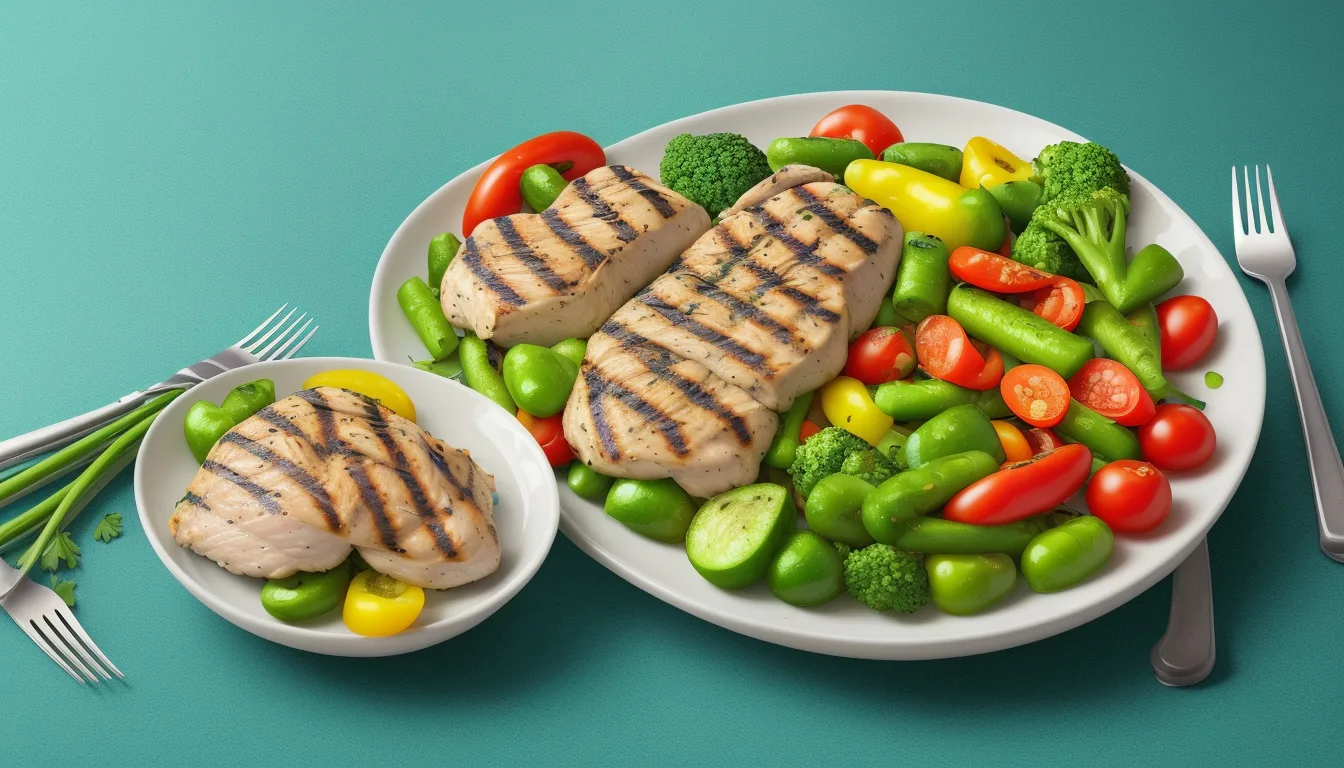
Non‑starchy vegetables (half your plate)
• Greens, broccoli, or cauliflower.
• Zucchini, peppers, mushrooms, or green beans. -
Smart carbs in small amounts if needed
• Berries or a small piece of fruit.
• A small portion of sweet potato, quinoa, or oats based on your carb target.
Sample One-Day Meal Plan
Breakfast (or first meal)
• An omelet with spinach, mushrooms, and cheese cooked in olive oil.
• A small side of avocado.
• Black coffee or tea if you like.
Pre‑ or Post‑Walk Snack (if needed)
• A handful of almonds and a stick of cheese, or
• Greek yogurt with a few berries.
Lunch
• A salad with grilled chicken, mixed greens, cucumbers, and tomatoes, dressed with olive oil and vinegar.
• A sprinkle of feta or goat cheese.
• Sparkling water.
Afternoon
• A 10–20 minute walk after lunch.
• Water or herbal tea.
Dinner
• Baked salmon or tofu.
• Roasted broccoli and cauliflower with a bit of olive oil.
• A side salad with leafy greens and seeds.
Adjust food sizes and carbs to fit your body and goals.
Best Types of Walking for a Low Carb Lifestyle
Walking in any form is good for you. Some ways work best with a low carb plan.

Steady Brisk Walking
This walk is your core habit. It is at a pace you can hold for 20–60 minutes.
Gains include:
• Good fat burn with a steady pace.
• Low impact with fast recovery.
• A calm mind and lower stress.
Incline or Hill Walking
Adding hills or a slight incline boosts your walk. This is done by going outside or on a treadmill with a tilt.
Gains include:
• More calories burned in the same time.
• Stronger leg muscles.
• Better heart health.
Occasional Intervals (Optional)
Short bursts of faster steps can help if you feel ready for more.
Example:
• Walk briskly for 2 minutes.
• Then walk even faster for 30 seconds.
• Repeat 8–10 times.
This pattern:
• Improves fitness levels.
• Burns extra calories.
• Keeps the workout fun.
When on very low carb plans, start intervals with care since some may feel less strong as they adjust.
Common Challenges with Low Carb Walking—and How to Fix Them
- Feeling Tired or “Flat” at First
When you cut carbs, your body takes time to use fat well. This phase can last 1–3 weeks.
What to do:
• Do not cut carbs too fast; lower them slowly over a week.
• Get enough salt and minerals from broth, lightly salted food, or tablets.
• Sleep well and take short, easy walks at first.
- Leg Cramps or Lightheadedness
These signs often come from shifts in fluids and salts with a low carb diet.
Try these steps:
• Drink more water.
• Add minerals such as sodium, potassium, and magnesium.
• Eat greens, nuts, seeds, and avocado.
If these signs continue or worsen, please see a doctor.
- Hunger and Cravings
If you feel hungry all the time, you might need more protein or fat. You may also lower carbs too much.
Fix this by:
• Adding more protein at meals (about 20–40 grams per meal works for most adults).
• Including a bit more healthy fat to keep you full.
• Choosing more filling, low carb vegetables to add volume to meals.
Safety Considerations for Low Carb Walking
Low carb walking is safe for many healthy adults. Yet, you must take care if you:
• Use diabetes medicines or insulin.
• Use high blood pressure drugs.
• Have kidney, heart, or liver issues.
• Are pregnant, breastfeeding, or have a history of eating troubles.
When approved by a doctor:
• Increase your walking time and pace slowly.
• Listen to your body. Stop if you feel dizzy, chest pain, or shortness of breath.
• Keep a small low carb snack handy if blood sugar drops.
Measuring Progress Beyond the Scale
The scale shows one part of your progress. It may move slowly if you gain muscle or hold water from more activity.
Watch for also:
• Waist and hip sizes measured monthly.
• Photos in the same clothes and light every month.
• Resting heart rate and how hard walks feel.
• Daily energy and mood changes.
• How your clothes fit.
Many people notice better sleep, smoother digestion, and less joint pain even before the scale changes much.
Practical Tips to Make Low Carb Walking Stick
Plan your routine so it fits with your daily life.
Try these tips:
• Set your walks as fixed appointments.
• Lay out your clothes and shoes the night before.
• Attach your walk to a regular daily activity, like after breakfast or dinner.
• Track your steps or time but watch trends rather than perfection.
• Plan simple meals that repeat so you do not have to think too much.
• Keep a handful of low carb snacks (like nuts, jerky, cheese, boiled eggs, or washed veggies) for busy times.
FAQ: Low Carb Walking Questions Answered
- Does walking on a low carb diet burn more fat than a higher carb diet?
Walking burns fat in nearly every diet. On a low carb plan, your body uses more fat because there is less sugar available. Over time, this helps your body tap into stored fat. Overall fat loss still depends on the total calories you use and your habit of being active.
- How long should I walk on a low carb plan to see changes?
Most people see better energy, mood, and small weight changes within 2–4 weeks of regular low carb walking. Try to walk at least 150 minutes per week (like 30 minutes a day for 5 days). If progress slows, you may increase to 200–300 minutes if you can.
- Is a low carb walking plan safe for people with diabetes or prediabetes?
Low carb walking is helpful for blood sugar control. If you take insulin or other diabetes drugs, you should work with your doctor. Both fewer carbs and more walking can lower blood sugar. Your medication may need a check to avoid very low sugar.
Turn Your Steps into a Sustainable Fat-Burning Habit
Low carb walking is not a short-term plan. It is a steady change that puts walking and low carb eating together. By cutting refined carbs, choosing protein and fat, and adding brisk walks to your day, you can slowly free more fat, keep energy steady, and build a stronger metabolism.
You do not have to change everything at once. You can start with a 20‑minute walk after dinner, stop sugary drinks, or make one low carb meal you like. Then add more changes over time. Begin with your chosen carb level, set up your first week of walks, and take that first step today. Your future self, filled with more energy and balance, will thank you.
[center]Always consult with your doctor prior to making drastic diet changes.[/center]
[center]As an Amazon Affiliate, Savvy Keto makes a small commision (at no extra cost to you) on any purchases you make thru affiliated links you click on.[/center]