
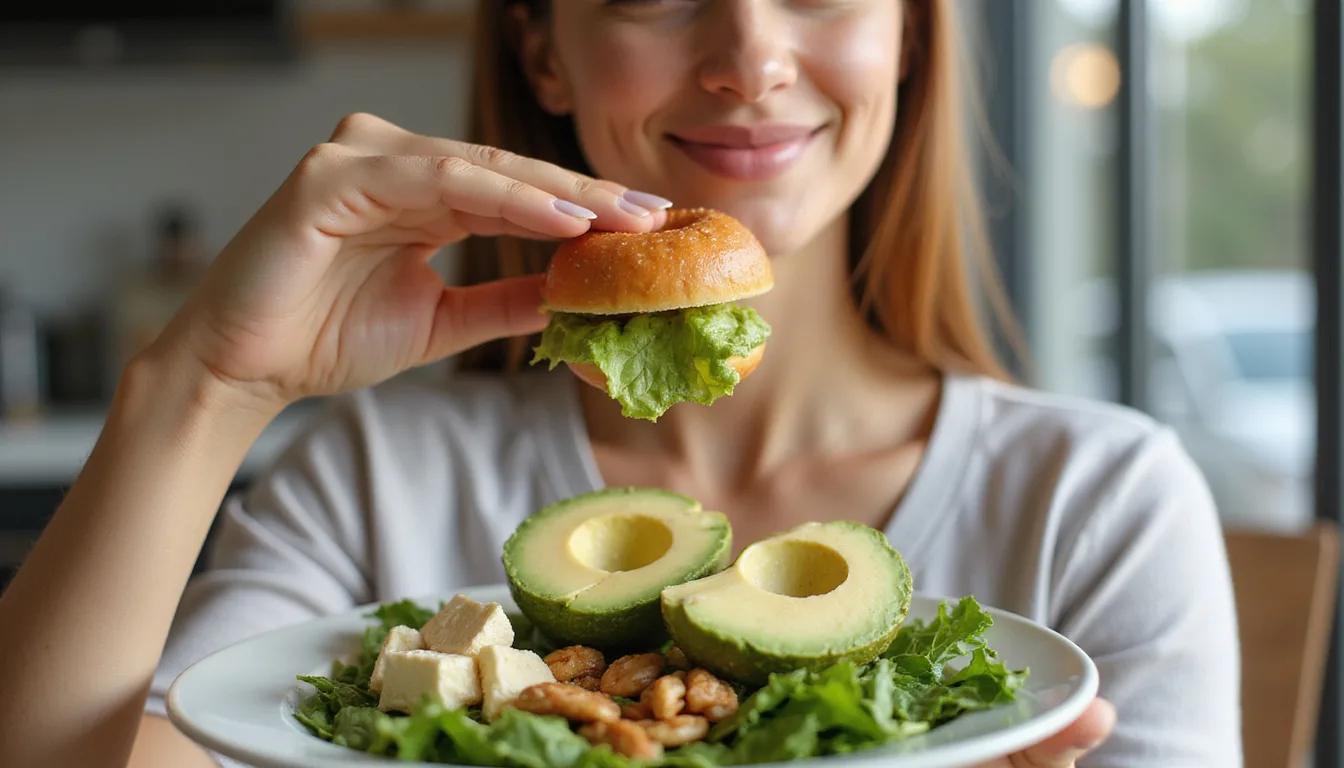
Low Carb Transition: 10 Simple Strategies to Beat Sugar Cravings
Making a low carb change can feel fun at the start—until sugar cravings come in. That strong pull on sweets or refined carbs is one of the main reasons people give up their low carb aims. The good news is that cravings do not mean you are weak; they are a normal reaction as you change. With some smart steps, you can work with them, stay steady, and soon enjoy your new way to eat.
This guide shows 10 simple, clear steps to beat sugar cravings in your low carb transition and ends with a short FAQ.
Why Sugar Cravings Rise in a Low Carb Transition

When you cut down on carbs—especially refined ones and sugar—you change how your body gets its energy. For years your brain and body have tied energy to quick sugar bursts. Removing those sugars can make your body react with:
- Blood sugar changes as your system finds its new pace
- Shifts in hormones like insulin, ghrelin (which stokes hunger), and leptin (which signals fullness)
- Less dopamine, as sugar helps light up the brain’s reward areas similar to addictive substances (source: Harvard Health)
This change brings cravings that hit you in your body, mind, and emotions.
See your low carb change as a time for retraining. You teach your body to work with more fat and fewer sugars for fuel, and that takes a bit of time and effort.
Strategy 1: Don’t Go Too Low, Too Fast
Many people try to change all at once—from a diet high in sweets and starches to one that is very low in carbs. Such a shock makes the urge for sugar too strong.
Step by step is the way to go:
- Week 1: Cut clear sugars such as soda, candy, pastries, and sweet coffee drinks.
- Week 2: Ease down on refined starches like white bread, pasta, cookies, and crackers.
- Week 3 and later: Lower carbs more if you feel strong, by limiting fruit juices and large portions of grains.
A slower step helps your body and brain get used to the change. If you feel too strained, you may have cut too much too soon—try adding a little whole-food carb (like berries or a small sweet potato) and adjust.
Strategy 2: Eat Enough Protein and Healthy Fat
A big trigger for sugar cravings is not having enough food in you—especially not enough protein and fat. When you cut only carbs and do not boost other nutrients, you stay hungry and might give in to sweets.
Aim for:
- Protein in each meal: eggs, poultry, fish, tofu, Greek yogurt, cottage cheese, lean beef, or tempeh.
- Healthy fats that help you feel full: avocado, nuts, seeds, olive oil, olives, fatty fish, or nut butter.
A balanced low carb meal might be:
- An omelet with spinach, cheese, and avocado
- Grilled salmon with roasted broccoli tossed in olive oil
- A chicken stir-fry with low carb veggies, cooked in avocado oil
When your protein and fat levels are high, your blood sugar stays steadier and cravings drop soon after the first one or two weeks.
Strategy 3: Don’t Let Yourself Get Over-Hungry
When you reach deep hunger, sugar cravings can grow fierce. That "I need something now" feeling tends to drive you toward fast, sweet fixes.
During your low carb change, eat on a regular plan instead of waiting until you are very hungry:
- Plan for 3 meals each day and add 1–2 low carb snacks if you need them.
- Do not wait many hours to eat, especially in the first 2 weeks.
- Keep low carb snacks with you: cheese sticks, nuts, hard-boiled eggs, low sugar beef jerky, or veggie sticks with hummus.
In time, you may not need the snacks. But in the early stage, steady eating calms the urge for sugar.
Strategy 4: Drink Water, as Thirst Can Look Like Cravings
When you lower your carbs, you may lose water and sodium. This change can make you feel tired, give you headaches, and even mimic hunger.
To help with this:
- Drink water throughout your day.
- Add a pinch of salt to your water or meals if you feel light-headed (if you have no limits on salt).
- Try sugar-free drinks that add extra salts, but check they don’t hide carbs or sweeteners.
Often, a glass of water and a short wait will ease a craving that seemed so pressing.
Strategy 5: Use Low Carb Alternatives Instead of All-or-Nothing
Choosing to ban sweets completely may push you toward a binge later. It is better to use low carb alternatives that still comfort your sweet tooth without undoing your goals.
Try one of these ideas:
- Fruit in small amounts: some berries with a dollop of cream, or a few slices of apple with peanut butter
- A yogurt treat: plain Greek yogurt mixed with a few berries, a pinch of cinnamon, and some nuts
- Small portions of dark chocolate: a square or two of 70–85% cocoa
- Low carb desserts: chia pudding made with unsweetened almond milk or a sugar-free gelatin topped with whipped cream
Use these swaps during your change, not as a constant treat. The aim is to slowly lessen your need for strong sweetness while still feeling content.
Strategy 6: Start Your Day with a Balanced Breakfast
The food you have in the morning affects your choices later. A breakfast full of sugars or high carbs (such as cereal, juice, pastries, or sweetened coffee) can lead to a rise and fall of blood sugar that pushes you toward sugar later.
Try a protein-first breakfast:
- Eggs scrambled with cheese and veggies
- Greek yogurt mixed with nuts and seeds
- Tofu scramble with avocado
- Cottage cheese served with cucumber and cherry tomatoes
Getting a steady start at breakfast helps keep your energy even and cuts down on later cravings.
Strategy 7: Know Your Craving Moments and Foods
Sugar cravings do not appear at random. They often come in clear patterns:
- In the mid-afternoon during work
- After dinner when you are relaxing
- Late at night when tired or stressed
- While watching TV or scrolling through your phone
Try this:
- Observe your day: When do cravings come? What are you doing then?
- Name these moments: maybe boredom, stress, or a certain place like a bakery.
- Plan new moves: a cup of herbal tea, a short walk, a low carb snack, or a quick hobby break.
For instance, if you always get a craving after dinner, try a new routine like a cup of mint tea or a brief walk. Linking that time to a new habit can help fade old ones.
Strategy 8: Take Care of Stress, Sleep, and Feelings
High stress and poor sleep can boost sugar cravings during your low carb change.
Stress raises cortisol which can:
- Spur you to eat foods that provide quick comfort
- Make it harder to hold off temptations
Take a few minutes each day to relax with deep breaths, a short walk, writing your thoughts, or some light stretching.
Not getting enough sleep also can disturb your hunger hormones and make you want sugar the next day.
Aim for:
- 7–9 hours of sleep each night
- A steady routine for going to bed and waking up
- Turning off screens 30–60 minutes before sleep
Better rest and a calm mind can work wonders in reducing the urge for sugar.
Strategy 9: Tweak Your Food Space
In your home, the way food sits can work with you or against you during your low carb change. If your kitchen is full of cookies, chips, and ice cream, each glance makes the test of will stronger.
Get ready by:
- Clearing away or putting out of sight sweets and refined carbs.
- Placing healthy food where you can see it: cut veggies, nuts, cheese, or eggs in a bowl.
- Keeping tempting items hard to reach if you share your space with others—store them on high shelves or in a locked cupboard.
With a cleaner space, you are less likely to fall into old eating habits.
Strategy 10: Have a Quick Routine for When Cravings Hit
A craving usually peaks and then fades within 10 to 20 minutes if you let it be. Instead of acting on a craving, try a brief routine:
- Stop and say to yourself, "This is just a craving, not an emergency."
- Drink water or a warm tea as you wait.
- Check if you are truly hungry:
- If you are, eat a small, balanced low carb snack or meal.
- If you feel stressed or tired, try a non-food fix like a walk or a call with a friend.
- Wait 15 minutes before making a choice.
- After 15 minutes, if you still want something, pick a good low carb option (like berries with yogurt instead of a candy bar).
This routine helps you work with your cravings, not against them, making it easier to move forward.
Sample Day of Low Carb Eating That Keeps Cravings at Bay
See this sample day to know how it works in real life:
-
Breakfast:
- 2–3 eggs scrambled with spinach, mushrooms, and cheese
- ½ avocado
- Black coffee or tea
-
Snack (if needed):
- A handful of almonds or walnuts
-
Lunch:
- Grilled chicken thigh
- A large salad with mixed greens, cucumbers, cherry tomatoes, olives, drizzled with olive oil and vinegar
- Sparkling water
-
Snack (if needed):
- Unsweetened Greek yogurt with a few raspberries and a sprinkle of cinnamon
-
Dinner:
- Baked salmon or tofu
- Roasted Brussels sprouts and cauliflower tossed in olive oil
- A side of sautéed zucchini
-
Evening “treat” option:
- A warm cup of herbal tea
- 1–2 squares of dark chocolate (70–85% cocoa) if you wish
This plan keeps protein and fat high, controls carbs well, and still makes your meal tasty—that way your low carb change lasts.
Quick Checklist: Beating Sugar Cravings on a Low Carb Transition
Use this simple list as a guide:
- [ ] Cut down on carbs gradually instead of all at once
- [ ] Put protein and healthy fat in each meal
- [ ] Do not let hunger build too high—plan your meals and snacks
- [ ] Drink water often and support your electrolytes
- [ ] Pick low carb swaps rather than going all or none
- [ ] Start your day with a protein-packed, low sugar breakfast
- [ ] Notice your craving times and set up new habits for them
- [ ] Look after stress and sleep well
- [ ] Tidy up your food space
- [ ] Follow a short routine when a craving comes (pause, drink, wait, choose)
The more you stick with these simple steps, the easier your low carb change will feel.
FAQ: Low Carb Transition and Sugar Cravings
1. How long do sugar cravings last during a low carb change?
For many, the strongest cravings come for about 1–2 weeks when carb cuts are steep. Soon after 3–4 weeks, these cravings usually turn less strong and less often. If cravings stay high for months, check if you are eating enough calories, protein, and fat, and review your sleep and stress routines.
2. What can I eat to satisfy a sweet tooth on a low carb change?
Good choices for a sweet feeling include:
- A few berries with a bit of whipped cream or Greek yogurt
- A small piece of dark chocolate
- Chia seed pudding made with unsweetened almond milk
- Cottage cheese with a dash of cinnamon and some berries
These let you keep carbs low while still tasting a bit of sweetness.
3. Why do I feel worse before I feel better when cutting carbs?
When you first cut back on carbs, you might feel what some call “low carb flu”—tiredness, headaches, irritability, and stronger cravings. This happens as your body shifts from using sugar to more fat for energy and adjusts fluids and salts. Drinking water, adding extra salt, and eating enough protein and fat can soften these symptoms and ease your change.
Take Control of Your Low Carb Transition—Starting Today
Sugar cravings do not have to rule your low carb change. With small, steady shifts, balanced meals, planned snacks, smart swaps, and a clear plan for stress and trigger times, you can move through the early days with fewer cravings, more energy, and better control over your food.
Pick two of these clear steps and try them today. Once they feel natural, add another step. Bit by bit, you build a low carb life that relies on sound habits, making sugar cravings just a soft background hum instead of a loud, constant battle.
[center]Always consult with your doctor prior to making drastic diet changes.[/center]
[center]As an Amazon Affiliate, Savvy Keto makes a small commision (at no extra cost to you) on any purchases you make thru affiliated links you click on.[/center]