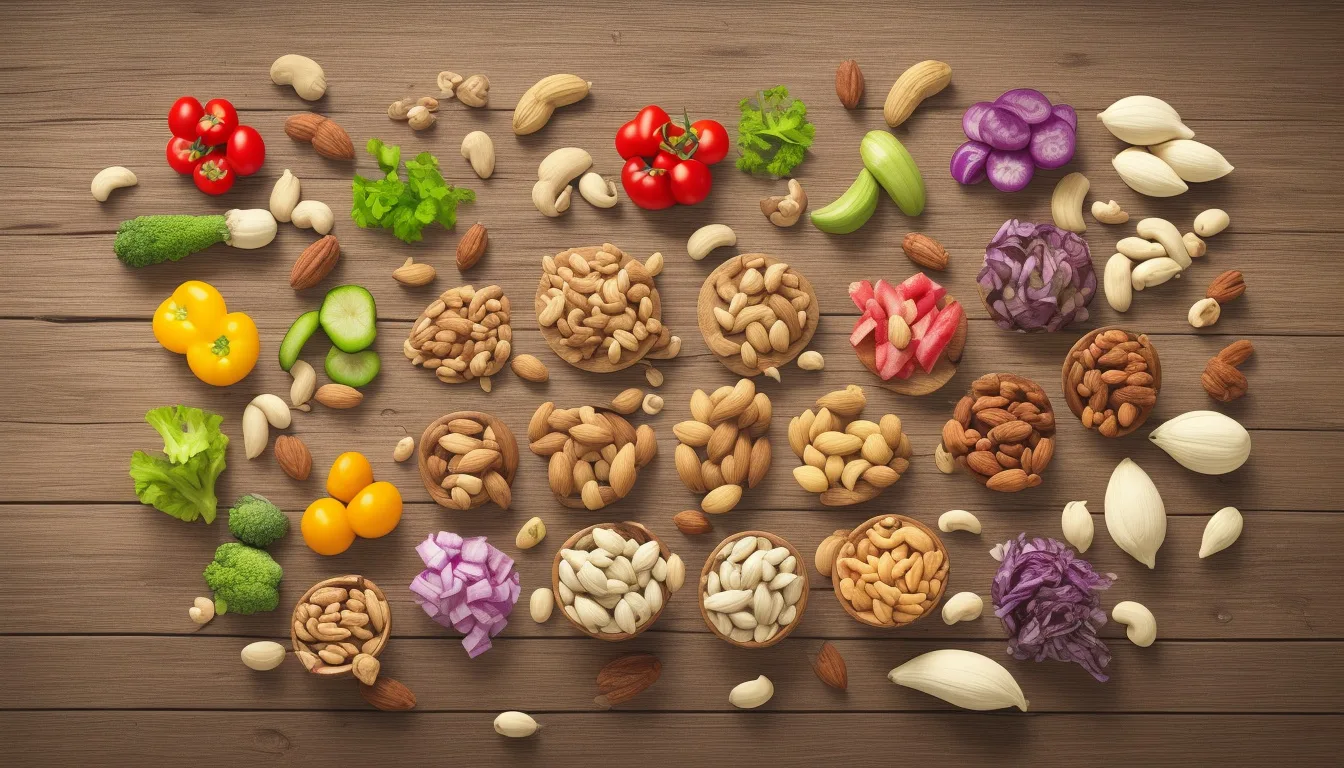

Low Carb Success Stories: Real Transformations, Meal Plans, and Tips
Low carb success stories show people who change their health by making daily food choices. Many reverse prediabetes, shed over 50 pounds, gain energy, and learn to calm cravings. Behind every before-and-after image lies a real plan built on small, everyday decisions. This guide links clear transformation ideas, simple low-carb meal choices, and smart tips to help you create your own long-lasting change.
Why Low Carb Works for So Many People
Before you read some low carb success stories, it is useful to see why this eating style can boost weight loss, steady blood sugar, and improve energy.
The Basics of a Low Carb Approach

No one plan fits all, but most low carb paths cut back on daily carbohydrates and focus on these foods:
- Non-starchy vegetables
- Moderate protein like meat, fish, eggs, dairy, tofu, or tempeh
- Healthy fats such as olive oil, avocado, nuts, and seeds
- A small amount of sugar, bread, pasta, rice, and sweets
Typical ranges are:
- Moderate low carb: 75–130 g carbs/day
- Low carb: 30–75 g carbs/day
- Very low carb / keto: under 30 g carbs/day
People choose a level that fits their goals, taste, and body signals.
How Low Carb Can Support Weight Loss and Health
Many sharing their low carb journey note these points:
-
Better appetite control
Protein and fat help you feel full. This stops sharp rises and falls in blood sugar that trigger hunger. -
Improved blood sugar and insulin levels
Fewer carbs mean lower glucose spikes after meals and better insulin work. This helps people with prediabetes or type 2 diabetes (source: American Diabetes Association). -
Less processed food intake
Low carb meals often use fewer processed foods and less sugar. They focus more on whole, nutrient-rich food. -
Steady energy
Once the body adjusts, many find fewer mid-day crashes and more even energy.
Realistic Low Carb Success Stories (and What They Did Differently)
Though each journey is unique, lasting low carb success usually has these parts in common:
1. The Gradual Starter: Small Changes, Big Outcomes
- Profile: A busy parent with long work hours and little time for fancy cooking.
- Challenge: Gained 30–40 pounds over the years, ate frequent snacks, and ordered takeout.
What changed:
- Cut out sugary drinks; now drinks water and sparkling water.
- Switched breakfast cereal for eggs with vegetables or Greek yogurt with nuts.
- Exchanged nightly pasta for roasted vegetables with a protein.
- Chose daily walks over long, intense workouts.
Outcome after 9–12 months:
- Lost 20–30 pounds
- Reduced food cravings
- Improved sleep and steadier energy
Key lesson: You do not need to be perfect from the first day. Small swaps connect to a strong plan.
2. The Health-Rebuilder: Reversing Prediabetes
- Profile: In the mid-40s, with a desk job and a family history of diabetes.
- Challenge: Recently diagnosed with prediabetes along with high triglycerides.
What changed:
- Cut carbs to about 50–80 g/day with a doctor’s help.
- Made salads with protein the main lunch dish instead of sandwiches.
- Replaced evening snacks like crackers or candy with cheese, nuts or berries.
- Limited alcohol to weekends or special events.
Outcome after 6–12 months:
- A1C moved from prediabetic to normal ranges
- Lost 15–25 pounds
- Lower triglycerides and a rise in good cholesterol
Key lesson: For better metabolic health, a low carb path works when you watch your labs and get regular check-ups.
3. The Carb-Lover Turned Planner: Using Structure to Succeed
- Profile: Enjoys bread, pasta, and sweets; tends to eat when upset; and has tried many diets before.
- Challenge: Faces cycles of losing and then regaining 20–30 pounds repeatedly.
What changed:
- Picked a moderate low carb plan (around 75–100 g/day) instead of a very strict one.
- Planned meals and snacks for the week, including low carb versions of comfort food.
- Kept a simple food journal to see which foods trigger emotions and cravings.
- Learned to aim for consistency instead of perfect eating.
Outcome after 1–2 years:
- Lost and kept off 30–40 pounds
- Felt less guilt and stopped the “all-or-nothing” cycle
- Enjoyed occasional higher-carb treats without stress
Key lesson: A clear plan helps a carb lover stay on track when the idea of perfect eating is replaced by a flexible routine.
Building a Sustainable Low Carb Meal Plan
You do not need to follow a strict plan to join low carb success stories. A basic, repeatable plan can work better than a complex program.
Step 1: Decide Your Carb Range
Keep in mind:
- Your goals: weight loss, blood sugar balance, or overall health
- Your lifestyle: dining out, cooking at home, travel, and physical activity
- Your feelings: Does a very low carb plan seem too hard to keep?
Many start with about 50–100 g carbs per day. They may change this number as they see results and feel changes.
Step 2: Prioritize Protein at Each Meal
Protein helps keep hunger away and the muscles strong when you lose weight. Try to include:
- Eggs
- Chicken, beef, pork, or lamb
- Fish and seafood
- Greek yogurt or cottage cheese
- Tofu, tempeh, or seitan (if it suits you)
Most people find 20–35 g protein per meal to be a good goal.
Step 3: Fill Your Plate with Low Carb Vegetables
Non-starchy vegetables add fiber, vitamins, and bulk to your meal. Examples:
- Greens: spinach, romaine, kale
- Brassicas: broccoli, cauliflower, Brussels sprouts, cabbage
- Others: zucchini, asparagus, bell peppers, mushrooms, cucumbers
These vegetables add volume without many net carbs.
Step 4: Add Healthy Fats for Satisfaction
Healthy fats complete a low carb meal:
- Olive, avocado, or coconut oil
- Avocados
- Nuts and seeds
- Olives
- Fatty fish like salmon, mackerel, or sardines
Use fats wisely. They bring flavor and help you feel full, but keep portions in mind if weight loss is your goal.
Sample 7-Day Low Carb Meal Plan
Below is a simple and flexible plan. Change portions as needed and pick different foods in each category.
Day 1
- Breakfast: Scrambled eggs with spinach and feta; a side of cherry tomatoes
- Lunch: A grilled chicken salad with mixed greens, cucumber, olives, and olive oil dressing
- Snack: A small handful of almonds
- Dinner: Baked salmon with roasted broccoli and cauliflower
Day 2
- Breakfast: Unsweetened Greek yogurt mixed with a few berries and chia seeds
- Lunch: Burger wrapped in lettuce with cheese, pickles, and a side salad
- Snack: Celery sticks spread with almond butter
- Dinner: Stir-fried beef with bell peppers and zucchini (use a small amount of sauce)
Day 3
- Breakfast: An omelet with mushrooms, onions, and cheddar
- Lunch: Tuna salad (made with mayo or Greek yogurt) over mixed greens
- Snack: String cheese or a serving of cottage cheese
- Dinner: Roasted chicken thighs with green beans and a side salad
Day 4
- Breakfast: Chia pudding made with unsweetened almond milk and topped with a few nuts
- Lunch: Turkey wrapped in lettuce with avocado, tomato, and cheese
- Snack: Sliced cucumber served with guacamole
- Dinner: Pork chops with sautéed cabbage and a small serving of carrots
Day 5
- Breakfast: A smoothie with protein powder, spinach, unsweetened almond milk, and half a small banana (if it fits your carb limit)
- Lunch: Shrimp Caesar salad (made with a low-sugar dressing and no croutons)
- Snack: Hard-boiled eggs
- Dinner: Zucchini noodle pasta with meat sauce and parmesan
Day 6
- Breakfast: Cottage cheese with a few slices of berry and walnuts
- Lunch: Chicken curry served over cauliflower rice
- Snack: A small mix of nuts
- Dinner: Grilled steak with asparagus and a side salad
Day 7
- Breakfast: Fried or poached eggs served with sliced avocado
- Lunch: Leftover steak placed on a large salad with olive oil and vinegar
- Snack: Sliced bell peppers paired with cream cheese
- Dinner: Baked white fish with lemon, roasted Brussels sprouts, and a side of sautéed mushrooms
Use this plan as a guide. Many who succeed with low carb start with a basic plan and adjust it over time.
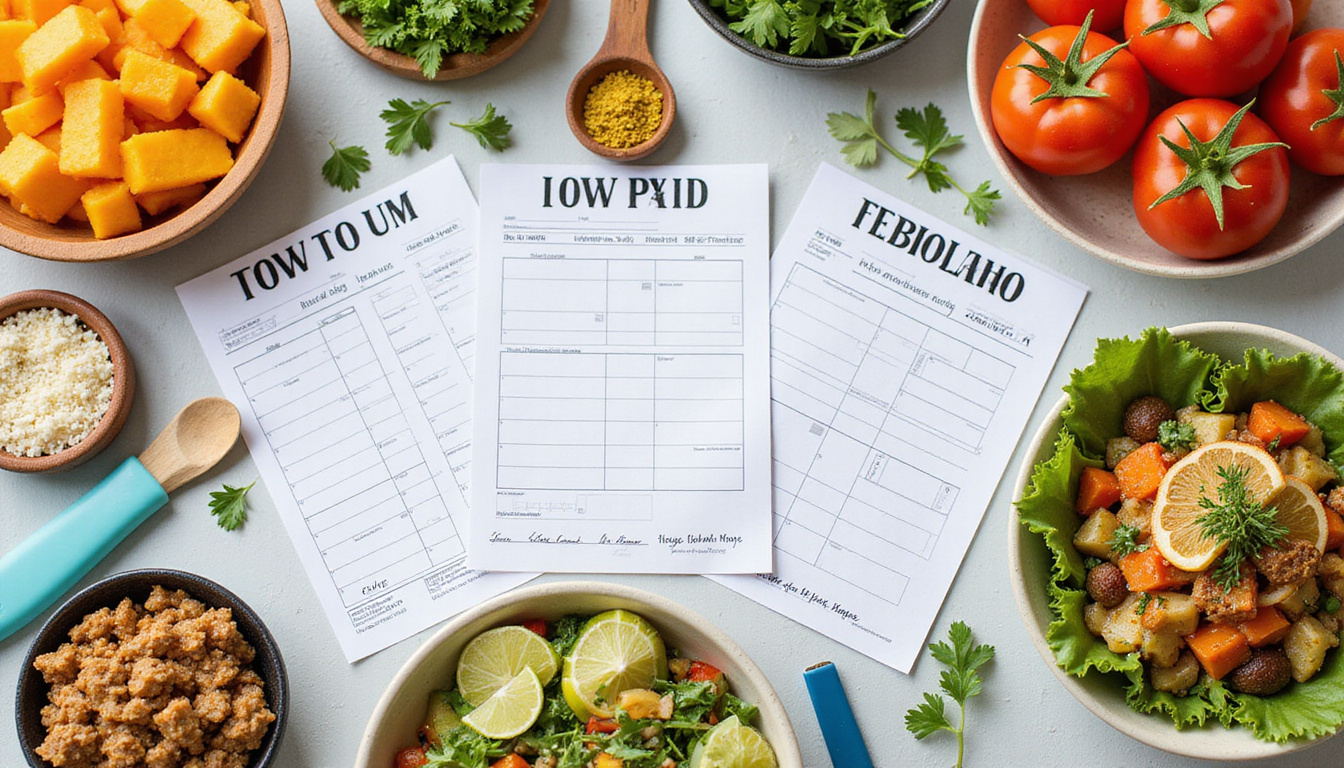
Smart Snacks and Swaps to Keep You on Track
Many find that cravings come when they need a quick food fix. Planning ahead may help you stay on track.
Easy Low Carb Snacks
- Hard-boiled eggs
- Nuts (such as almonds, walnuts, pecans)
- Seeds (like pumpkin or sunflower)
- Cheese slices or cheese sticks
- Veggie slices (cucumber, bell pepper, celery) with a dip
- Olives or pickles (mind the salt)
- Unsweetened Greek yogurt
Common High-Carb Foods and Lower-Carb Alternatives
- Bread: Try lettuce wraps, low carb tortillas, or cloud bread
- Pasta: Use zucchini noodles, spaghetti squash, or shirataki noodles
- Rice: Swap with cauliflower rice or finely chopped cabbage
- Chips: Consider pork rinds, cheese crisps, or veggie slices with dip
- Sugary drinks: Choose water, sparkling water, unsweetened tea, or black coffee
These swaps often work well for people who stay on low carb paths. They let you enjoy foods that remind you of old favorites without a high carb count.
7 Practical Tips Behind Real Low Carb Success Stories
Below are habits seen in many successful low carb eaters over the long term:
-
Track your food for a short time
Write down or use an app to log your meals for a few weeks. This helps you see how many carbs you eat and find hidden sugars. -
Plan your common meals
Set up 2–3 simple meals for breakfast, lunch, and dinner. This cuts down on last-minute choices and the urge to order out. -
Keep up with fluids and salt
When you cut carbohydrates, your body may hold less water and salt. Drink plenty of water and look for food sources of salt, potassium, and magnesium. -
Enjoy dining out by making small changes
Ask for salads in place of fries, hold the bun, choose grilled meat over fried, and get dressings on the side. -
Create a network of support
This may be family, friends, or an online group. Such support helps you keep on track during slowdowns. -
Accept that progress will slow sometimes
Weight loss does not go in a straight line. When it slows, look at your portions, snacks, drinks, and exercise. -
Work with your healthcare provider
If you have conditions like diabetes or high blood pressure, check with your doctor. Low carb diets can change how your medications work.
One-Week Low Carb Challenge: A Simple Starting Blueprint
If you are set to start your own journey, try this one-week challenge:
- Pick your daily carb limit (for example, 75 g/day).
- Stop drinking sugary drinks for seven days.
- Include protein at every meal, even at breakfast.
- Fill half of your plate with non-starchy vegetables at lunch and dinner.
- Plan your snacks in advance so you do not have to choose quickly when you are hungry.
- Walk for 20–30 minutes each day at a steady pace.
- At the end of the week, review how you feel in energy, mood, and hunger, and note any weight changes if you keep track.
Many low carb success journeys begin with an experiment like this. It shows that change is possible and helps you feel better with each day.
Frequently Asked Questions About Low Carb Success
1. Can you really lose weight and keep it off with a low carb diet?
Yes. Many who stick with low carb for a long time lose weight and keep it off. The key is to make the plan fit your life:
- Choose a carb level you can live with
- Do not push to extremes that lead to overeating
- Combine low carb eating with regular movement, good sleep, and stress care
Some people add back a few carbs later on while still sticking to whole foods and maintain their progress.
2. What does a realistic low carb weight loss timeline look like?
Timelines differ based on where you start, age, and health. Common results are:
- Losing 2–6 pounds in the first week (often water loss plus some fat)
- Then about 0.5–2 pounds per week in the following months
- Occasional slow periods of 2–4 weeks, followed by more progress
The best low carb stories come from those who keep going through slow periods and adjust when needed. They measure success by changes in energy, how clothes fit, and lab tests.
3. How low should my carb intake be for a health change, not just weight loss?
Many health improvements, such as better A1C, triglycerides, or blood pressure, come from carb intakes under 100 g/day. Some do well with 30–80 g/day.
Some may see benefits with a moderate cut in carbs when they also choose whole foods.
Since health needs differ, talk with your doctor about your target if you have conditions like diabetes or heart or kidney issues.
Write Your Own Low Carb Success Story
The best low carb stories do not focus on perfection or willpower. They focus on:
- Learning what works best for your body
- Building simple meal routines
- Making small, smart food swaps instead of fighting hunger
- Sticking with your plan long enough to see real change
You do not need to change everything at once. Start with one or two small changes—a new breakfast, a week without sugary drinks, or a simple meal plan—and build slowly from there.
If you are ready to improve your health, energy, and self-confidence, mark a start date in the next week. Set a realistic carb goal and commit to one week of mindful low carb eating. Take photos, check in on how you feel, and notice each small win. In a month you might look back and see the first steps of your low carb journey—and your story can keep growing.
[center]Always consult with your doctor prior to making drastic diet changes.[/center]
[center]As an Amazon Affiliate, Savvy Keto makes a small commision (at no extra cost to you) on any purchases you make thru affiliated links you click on.[/center]