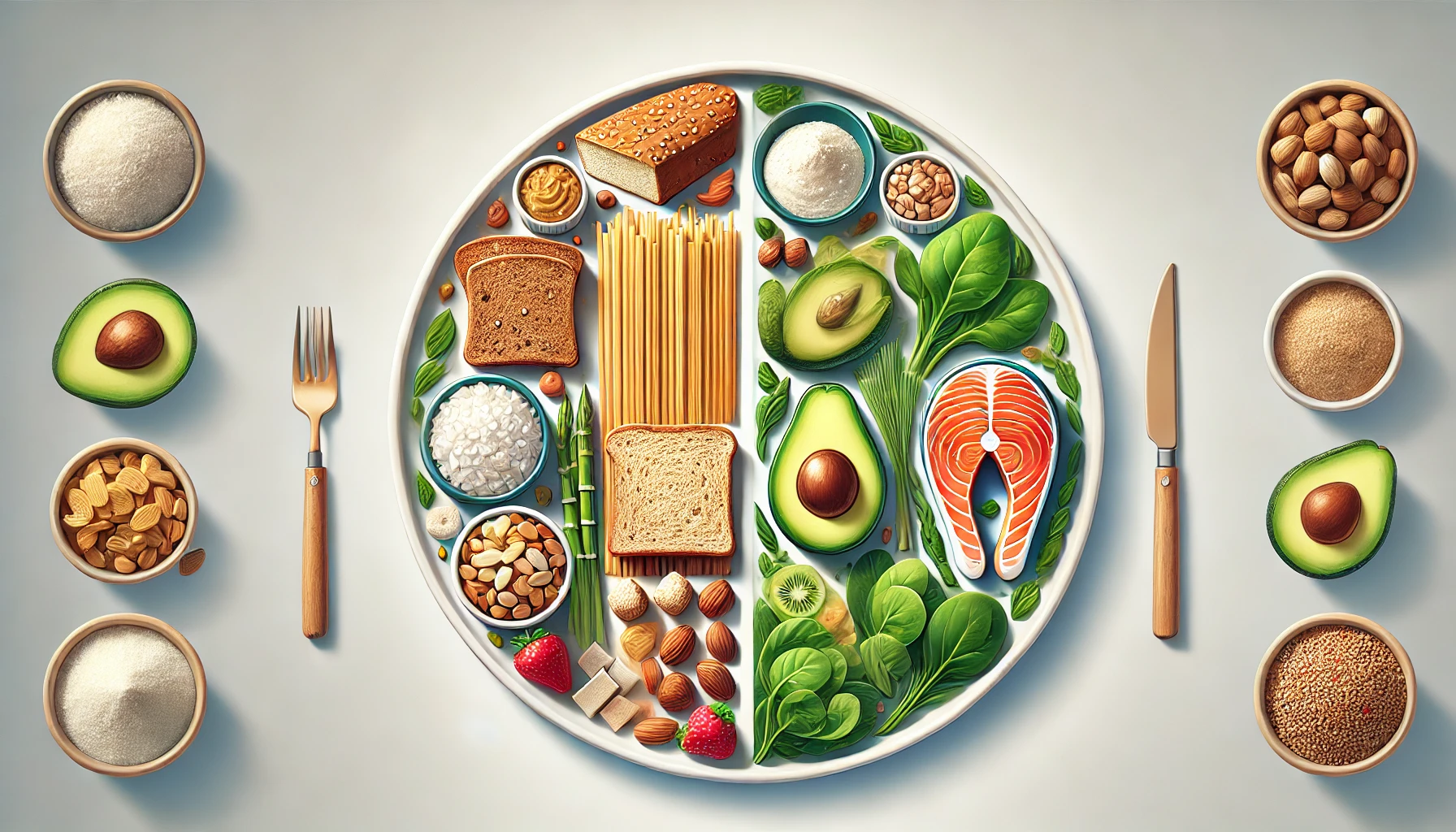

If you’ve ever thought, “Is cutting carbs truly worth it?” you may find that low carb results come fast and clear. Your belly may feel flatter in days. Your health markers may shift in weeks. Low carb eating does more than change the number on the scale; it changes how you look, feel, and work.
This guide shows what happens to your body on a low carb diet. It explains the timeline of changes, the common trips on the road, and some simple fixes that keep the lifestyle bearable.
What actually counts as “low carb”?

Before we talk about low carb results, let’s be clear on what “low carb” means. There is no single rule, but many plans run on these ranges (per day):
- Moderate carb: 100–150 g
- Low carb: 50–100 g
- Very low carb / keto: 20–50 g (or less than 10% of calories from carbs)
Your exact number may depend on your size, activity, and goals. The closer you get to the keto end, the stronger your changes and side effects may be.
Week 1: The “whoa” phase – water weight, bloat, and quick wins
In week 1, many sharp body changes show up.
Rapid water weight loss
Carbs become glycogen in the body. Each gram of glycogen ties up water. When you drop carbs:
• Glycogen falls.
• Water tied to glycogen frees up.
• The excess water leaves your body.
This reason makes it common to see 2–7 pounds drop in a week. The scale shifts fast. Your face and fingers lose puff. Your stomach feels less stretched.
Flatter belly and less bloating
Many see a flatter belly in just a few days. This step comes from:
• Less water held in.
• Fewer high-FODMAP carbs that spur gas.
• Fewer sugars and processed carbs that prompt bloat.
Your clothes may fit better around your waist even if your fat loss is small.
The downside: “keto flu” and low energy
Some feel low in energy during these early wins:
• Headaches bid you greet the day.
• A fog makes your mind heavy.
• Cravings for bread, sweets, and carbs pull you aside.
• Irritability or lightheadedness may join in.
This phase is called the “keto flu” by many. It is a sign that your body shifts from relying on sugar to burning more fat.
Simple tips for Week 1:
• Drink more water and mix in a pinch of salt.
• Try an electrolyte supplement with sodium, magnesium, and potassium.
• Add extra low carb vegetables and fiber for steady digestion.
• Do not cut calories too fast while you lower carbs.
Weeks 2–4: Fat loss, craving control, and steady energy
After week 1, water loss slows. True fat loss and deeper changes begin.
Visible body changes: Fat loss and shape shift
Most people who keep the plan see:
• Weight loss at a rate of 0.5–2 pounds per week, based on your numbers.
• A slimmer waist and less belly spill.
• Less fat on back and face; your cheekbones and jaw may show more.
These low carb results feel different from a typical calorie cut. You are lighter and may look more firm instead of puffy.
Appetite and craving drop
Lower carbs can help control hunger. Many say:
• They feel full with fewer calories.
• There are fewer moments shouting “I need sugar now.”
• They snatch less between meals.
Studies tell us that low carb plans can lower hunger hormones and ease blood sugar swings. That drop helps control cravings and excess eating.
More steady energy and fewer crashes
Without big sugar swings, many see:
• Fewer dips in the afternoon.
• Less anger if a meal is late.
• A steadier focus day by day.
The body now uses more fat for fuel. It works with ketones if you keep to a very low carb plan.
Months 2–3: Metabolic shifts and health improvements
With time, low carb results go far beyond weight loss.
Better blood sugar and insulin reaction
Many with prediabetes or type 2 diabetes see:
• Lower fasting blood sugar.
• Reduced insulin levels.
• Better three‐month blood sugar readings.
Some, under doctor care, even lower or stop some diabetes medicines when they eat fewer carbs. Always check with your healthcare provider if you take blood sugar drugs.
Blood pressure and triglycerides
After a few months, many observe:
• Lower levels of fats in the blood.
• Higher “good” cholesterol in many cases.
• Better blood pressure thanks to less water and weight shifts.
If you use blood pressure drugs, talk with your doctor as you change your diet.
Mental clarity and mood
People often tell us:
• Their thinking is sharp with less fog.
• Their mood stays steadier without sugar drops.
• They feel less sleepy in the middle of the day and work more soundly.
While not everyone sees these changes, many find steady low carb eating helps.
6+ months: Long-term low carb results—and what’s real
After six months or more, shifts mainly come in how you live day to day and how your body holds itself.
Weight balance or slow loss
If you keep a small calorie gap with low carb, you may lose fat slowly or hold steady. Many:
• Find a weight that feels natural.
• Notice it is simpler to keep that weight than on a high carb plan.
• See a drop in the usual weight-up and weight-down loops because hunger stays in check.
Remember, low carb is not magic. If you take in more calories than you burn—even from fat or protein—you can stop losing or even gain. The gain is that many eat less by instinct.
Shape and muscle upkeep
With enough protein and weight work, low carb diets can help:
• Keep or build lean muscle.
• Lower body fat percentage.
• Change your look even if the scale reads the same.
Two people with the same weight can look very different. Less fat and more muscle change your form more than a number on a scale.

Working with your lifestyle
Long-term low carb results depend on a plan that fits your life:
• Can you eat this way in restaurants or at events?
• Can you find low carb swaps for your favorite treats?
• Can you handle vacations, holidays, and stress without giving up the plan?
Success here comes from habits, systems, and knowing what to expect.
Common low carb mistakes that hurt results
Many start strong but then hit a stop. The good news is many issues come from a few usual mistakes.
Mistake 1: Cutting carbs but not calories
At first, you lose water. Later, a high calorie count can stop progress. Traps include:
• Enjoying treats that remain strong in calories.
• Using too much heavy cream, cheese, or oil.
• Snacking on too many nuts.
What you can do:
• For one week, check your portions to know your intake.
• Use leaner proteins and more veggies. Use fats with care.
Mistake 2: Too much limit, not enough food variety
Some eat:
• Mostly meat, cheese, or processed low carb snacks.
• Very few vegetables or whole foods.
This way may lead to constipation, few vitamins, or feeling awful.
What you can do:
• Add many low carb vegetables: leafy greens, broccoli, peppers, zucchini, and others.
• Use whole food fats like avocado, olives, nuts, seeds, and trusted oils.
• Pick proteins that are less processed.
Mistake 3: Too little protein
Some fear that too much protein will push you from ketosis and then eat too little protein. This can lead to:
• Muscle loss.
• Less fullness and more hunger.
• A slower metabolism in time.
What you can do:
Aim for near 0.7–1.0 grams of protein per pound of your goal body weight (or about 1.6–2.2 g per kg) unless your doctor says otherwise.
Mistake 4: Not matching carbs to your day
If you are:
• Very active, or
• Doing strong strength work or lots of endurance exercise,
You may feel flat, weak, or low on energy with super low carbs.
What you can do:
• Think about a moderate low carb plan (around 75–120 g) instead of a strict one.
• Plan for a small burst of extra carbs near workouts (say 20–40 g before or after).
Simple low carb fixes that make life easier
You do not need fancy recipes or to live on plain burgers. Small changes can bring low carb results without the diet feeling harsh.
1. Swap the carb base, not the whole dish
Keep the tastes you love and only change the carb base:
• Rice becomes riced cauliflower or stir-fried cabbage.
• Pasta becomes zucchini noodles, spaghetti squash, or noodles made from hearts of palm.
• Tortillas become lettuce wraps or low carb tortillas (in small amounts).
• Bread becomes cloud bread, chaffles (egg with cheese), or bread high in fiber and low in carbs.
This way you can still enjoy tacos, stir-fries, and pasta-like dishes with fewer carbs.
2. Build a simple low carb meal plan
Stick to a base that is easy to remember:
• Protein: chicken, turkey, fish, eggs, lean beef, or tofu/tempeh.
• Low carb vegetables: 1–3 cups (raw, steamed, or stir-fried).
• Healthy fat: olive oil, avocado, a few nuts, seeds, or a full-fat dressing in small amounts.
Mix these parts and you get many low carb meals with ease.
3. Keep emergency low carb foods
Having quick low carb items stops you from grabbing high-carb foods when you feel tired or stressed.
Some ideas:
• Hard-boiled eggs.
• Pre-cooked grilled or rotisserie chicken (remove skin as you like).
• Canned tuna or salmon.
• Salads that come bagged, or pre-cut veggies.
• Cheese sticks or slices.
• Single-serve guacamole or hummus (check the carbs).
• Frozen veggie mixes that warm up in minutes.
4. Plan for a treat instead of a no-go rule
It is more real to plan how to deal with carbs than to swear off them completely.
• Choose a higher-carb meal once a week. Keep it with protein and controlled portions.
• Pick a small dessert now and then instead of daily treats.
• Decide on a special treat (like birthday cake) and skip the less important ones.
Expected low carb results: A realistic timeline
Everyone is unique. Many people see these patterns:
-
Days 1–7
- Quick drop of water weight (2–7 lbs).
- Less bloat and a flatter stomach.
- Possible headaches, low energy, and carb pull.
-
Weeks 2–4
- Steady fat loss (0.5–2 lbs a week).
- Fewer cravings and less snacking.
- More steady energy.
-
Months 2–3
- A clear change in body shape (smaller clothes, more definition).
- Better blood sugar and lower fats in the blood, if needed.
- Improved focus and mood.
-
6+ Months
- A more stable weight that feels natural.
- A way of eating you can keep or tiny changes in carb intake.
- A clear sense of which carb level fits you best.
Who should be cautious with low carb diets?
Many benefit, but some need a careful look with a doctor:
• People with type 1 diabetes.
• Those taking blood sugar–lowering drugs or insulin.
• People with a history of kidney issues.
• Pregnant or nursing individuals.
• Anyone with past struggles with food and strict eating rules.
Always talk with a healthcare provider if you find yourself in these groups before you change your diet.
Frequently asked questions about low carb results
1. How soon can I see low carbohydrate diet changes?
Many see low carb results fast. You may notice less bloat and a smaller waist in the first week due to water loss and easier digestion. True fat loss appears after about 3–4 weeks. Major body changes can occur after 2–3 months of steady effort.
2. Can I see great low carb weight loss results without going fully keto?
Yes. Good low carb weight loss results come from a moderate plan (50–120 g of carbs each day). The keto plan might show fast changes at first, but you can lose fat, balance blood sugar, and improve energy without it. The best plan is what you can stick with.
3. What do realistic low carb before and after changes look like?
Real changes often show:
• A smaller waist and less belly fat.
• Reduced face puffiness and more defined features.
• A slow weight loss of 0.5–2 lbs per week, not huge drops each time.
The best changes may not show in photos only. Think of better sleep, steadier energy, and improved lab markers like blood sugar and blood fats.
Turn low carb results into your new normal
Seeing the scale drop fast in week one is exciting. The strongest low carb results happen when you turn this plan into a long-lasting habit. Here is a sound approach:
• Match your carb level to your body and daily moves, not to someone else’s plan.
• Eat more whole foods, enough protein, and many low carb vegetables.
• Use easy meal plans and switches to make low carb fit your life.
If you are ready for a flatter belly, steadier energy, and better control over cravings—without a life of bland chicken—start by cutting carbs at your next meal, not “next Monday.” Pick one or two easy swaps from this guide. Try for two weeks and note how your body feels.
Today may mark the start of your best low carb success story.
[center]Always consult with your doctor prior to making drastic diet changes.[/center]
[center]As an Amazon Affiliate, Savvy Keto makes a small commision (at no extra cost to you) on any purchases you make thru affiliated links you click on.[/center]