
Low Carb Myths Exposed: Surprising Truths Every Dieter Should Know
If you search weight loss, you meet many claims about low carb. Many texts mix facts with wrong ideas. It is best to cut through the clutter and find a style that fits your body, routine, and goals.
This guide lists common low carb myths, explains what science shows, and gives tips to choose a diet that works without fear, guilt, or doubt.
What Does “Low Carb” Really Mean?

Before we break down low carb myths, let us be clear on what low carb is and is not.
“Low carb” is not one fixed plan. It is a range of choices:
- Very low carb or ketogenic: usually less than 20–50 g net carbs each day
- Low carb: near 50–100 g net carbs every day
- Moderate carb: between 100–200 g net carbs, based on energy needs
People differ by body size, activity, and needs. What matters is the total energy you take in, the quality of your food, and what you can do consistently.
Myth #1: “Carbs Automatically Make You Gain Weight”
Many say that carbs, by themselves, add fat. They act as if one gram of carb works very different from one gram of protein or fat in calories.
Simple fact: It is the calorie count and the food context that matter, not the carb count alone.
• If you eat more calories than you burn, you store the extra as fat—no matter if those calories come from carbs, fat, or protein.
• If you take in fewer calories than you burn, you usually lose weight.
Carbs can change how hungry you feel. Foods high in sugar or that are heavily processed can lead you to eat more. Yet, this does not mean that all carbs make fat grow.
Grains, beans, fruits, and sweet potatoes can all join a weight loss plan.
Bottom line: Carbs do not cause fat gain by themselves; eating too much does.
Myth #2: “Low Carb Diets Are the Only Way to Lose Weight”
Some believe low carb diets work for many; this can seem to suggest they are the one solution for weight loss. But working for some does not mean they are the only choice.
The fact is, many diets can bring results. Low carb is only one useful way to change your eating habits.
Studies show that when calories and protein match, weight loss is similar between low carb and other diets over the long term. Low carb diets may show faster early weight loss because of water loss with glycogen. Over a year or more, differences get smaller.
Harvard’s School of Public Health tells us that low carb, Mediterranean, plant-based, and low fat plans work when they keep calories in check.
Some people like low carb because:
• Hunger and cravings drop
• They enjoy meats, eggs, cheeses, and non-starchy vegetables
• Energy stays more steady with fewer sugar drops
Others do better on balanced or higher carb plans.
Bottom line: Low carb is a tool that may suit you. The best plan is one you follow day after day.
Myth #3: “Low Carb Diets Are Always High in Protein and Bacon”
Many think low carb means eating only bacon, steak, and cheese, with few vegetables.
But low carb only means fewer carbs. It does not force you to eat endless meat or fats. A low carb diet can include:
• Non-starchy vegetables like broccoli, spinach, zucchini, cauliflower, and peppers
• Healthy fats from olive oil, avocado, nuts, or seeds
• Proteins from poultry, fish, eggs, tofu, tempeh, or Greek yogurt
• Some lower carb fruits such as berries or kiwi
Such a plan can supply plenty of fiber, enough protein (without excess), and many vitamins and minerals.
Bottom line: You can follow a low carb diet that is rich in plants and full of nutrients.
Myth #4: “You Can’t Exercise or Build Muscle on Low Carb”
A common claim is that low carb kills exercise power and stops muscle growth.
Carbs fuel high-intensity work. Cut them suddenly, and your workout may seem harder, and you may feel less strength at first. Yet, many people adjust with time.
To work well on low carb, try these steps:
- Eat enough total calories and protein. Aim for about 0.7–1.0 g of protein per pound of body weight.
- Time your carbs around your workout. A moderate amount before or after exercise may help you train and recover.
- Give your body time to learn to use fats. This change may take 2–4 weeks or more.
Some athletes choose special approaches where they add more carbs on hard training days.
Bottom line: You can exercise and build muscle on low carb if you plan your meals and protein well.
Myth #5: “All Carbs Are the Same (and Equally Bad)”
Some say that a banana and a soda are the same because both hold carbs.
Carbs come with different extra bits.
• Refined carbs like white bread, pastries, candy, and sugary drinks often lack fiber or vitamins. They can make blood sugar spike.
• Whole-food carbs like fruits, legumes, whole grains, and starchy vegetables have fiber, vitamins, and good plant compounds. They digest slower and fill you up.
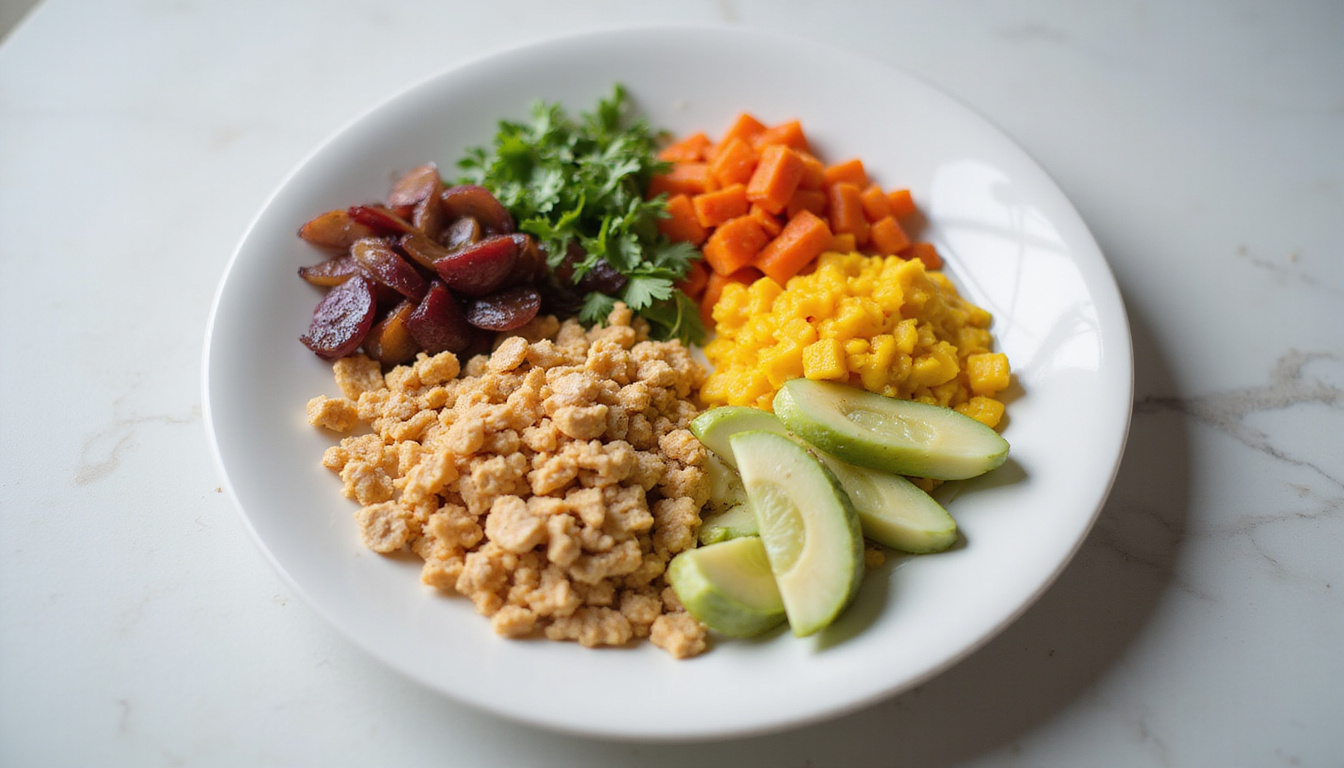
Even on a low carb plan, choose high-quality carbs. Twenty grams from berries and Greek yogurt differ from 20 grams from sugary cereal.
Bottom line: The quality of carbs matters. Do not put all carbs in one group.
Myth #6: “Low Carb Will Ruin Your Cholesterol and Heart Health”
Some worry that low carb diets, which sometimes boost meat and cheese, harm your heart by affecting cholesterol.
Studies show mixed signs. Often, triglycerides drop and HDL (good cholesterol) rises on low carb diets. LDL (bad cholesterol) may change in different ways and the size of its particles may shift too.
Key parts that matter here are:
• The type of fat you eat. Fats from olive oil, nuts, avocado, and fatty fish tend to help the heart, while processed meats or butter can hurt some people.
• The overall quality of your diet, with more vegetables and less processed food, tends to support heart health.
• Your genetics may cause a sharp rise in LDL with a lot of saturated fat in some people.
Bottom line: A low carb plan that includes many plants can improve heart markers. Check with your doctor and look at your labs instead of assuming all low carb plans are harmful or safe.
Myth #7: “Low Carb Is Dangerous for Everyone Long-Term”
Some warn that eating very few carbs for a long time will ruin your metabolism or hurt your organs.
Long-term safety depends on how few carbs you eat and your personal health.
• A very strict plan (less than 20–30 g/day) for many years still needs more study for some groups.
• A moderate low carb plan (50–130 g/day) works well for many people around the world.
Extra care may be needed if you have kidney problems, a genetic lipid issue, or a history of eating troubles.
For many with obesity, insulin issues, or type 2 diabetes, fewer carbs can improve blood sugar, insulin sensitivity, triglycerides, and hunger.
Bottom line: Low carb is not always dangerous or always safe. Your own health and food choices matter most.
Myth #8: “Low Carb Means You Can Eat Unlimited Fat and Never Gain Weight”
A common idea is that, if you cut carbs, you can eat as much fat as you want and lose weight easily.
But fat has many calories. One gram of fat packs 9 calories, while one gram of protein or carb has 4 calories. Foods like nuts, cheese, oils, and fatty meats can add up quickly even on a low carb plan.
Low carb diets may help you feel less hungry, which can lead you to eat less. Still, using low carb as a reason to eat without care might block weight loss.
Bottom line: Keep an eye on portions and total calories, even if you eat low carb.
Myth #9: “Low Carb Is Misery: Constant Cravings, No Energy, and Social Isolation”
Some low carb claims tell of constant cravings, low energy, and the loss of social life. These signs may happen at first but are not permanent for everyone.
In the first week or two, you may see:
• Headaches
• Tiredness
• Brain fog
• Irritability
• Cravings for bread, sugar, or snacks
These issues often lessen as your body adjusts. Drinking enough water, eating enough salt, potassium, and magnesium helps. Also, make sure you eat enough calories and protein and get good sleep.
When you go out, plan for a low carb meal. For example, order a bunless burger, a salad with protein, or grilled meat with veggies. Some even plan a meal with a bit more carbs if that helps them follow the diet better.
Bottom line: Early discomfort may occur but it usually fades. With planning, low carb does not have to take away your energy or social life.
Practical Tips for a Healthy, Sustainable Low Carb Approach
If you have read this far, you learn that low carb myths skip many details. Use these simple tips if you choose a lower carb way:
-
Prioritize protein.
Aim for 20–40 g at each meal, according to your size. This supports your muscles and keeps you full. -
Fill half your plate with low-carb vegetables.
Think of broccoli, leafy greens, cabbage, zucchini, mushrooms, peppers, asparagus, or green beans. -
Choose mostly healthy fats.
Use olive oil, avocado, nuts, seeds, or fatty fish like salmon. -
Include some carbs, especially when you work out.
Berries, Greek yogurt, legumes, or a small starchy vegetable can help you during exercise. -
Watch drinks and low carb snacks.
Items like keto bars or processed low carb treats can add extra calories. -
Check how you feel and your health markers.
Notice your energy, mood, digestion, and gym performance. Also, look at your blood work with your doctor. -
Adjust your plan if needed.
If very few carbs make you feel unwell, try a bit more and see what feels best.
Quick Reference: Common Mistakes to Avoid on Low Carb
• Dropping carbs and calories too fast
• Forgetting salt and potassium needs
• Eating many processed meats and cheeses while skipping vegetables
• Believing that low carb means endless fat
• Refusing to change when your body shows signs it needs help
FAQ: Low Carb Myths and Misconceptions
Q1: Are low carb diets just a trend, or do they really work?
Low carb diets are not just a trend. They help with weight loss, blood sugar control, and lowering hunger. Many myths start with extreme versions or poor planning. Studies show low carb can work well for many people.
Q2: Do I need to go full keto for benefits, or will lowering carbs help?
You do not have to go full ketogenic. Many people see benefits like weight loss, better blood sugar, and more energy by cutting out refined carbs and sugars. A moderate low carb plan of about 75–150 g per day may be enough.
Q3: Will eating low carb hurt my metabolism forever?
There is no strong proof that a planned low carb diet harms your metabolism. A slow metabolism usually comes from very low calories over a long time. The key is to avoid crash diets and keep enough protein and exercise.
Move Beyond Myths and Choose What Works for You
You now see the facts behind many low carb myths. Carbs do not make you fat, low carb is only one way to lose weight, and a well-planned low carb diet can be both healthy and steady. At the same time, low carb is not magic, and it may not suit everyone.
What matters most is that you pick a way of eating that you can keep up. Make sure it supports your health, fits your taste, and works with your life.
If you want to try a low carb plan:
• Start with better food—more whole items and fewer processed carbs.
• Lower your carb count slowly instead of making sudden drastic cuts.
• Watch how you feel and how your body responds. Change your plan when needed.
Ready for a small change? Try swapping a sugary drink for some water, or make your next meal mostly protein and vegetables for one week. Then, see what works for you, drop the myths, and build a way of eating that fits your world.
[center]Always consult with your doctor prior to making drastic diet changes.[/center]
[center]As an Amazon Affiliate, Savvy Keto makes a small commision (at no extra cost to you) on any purchases you make thru affiliated links you click on.[/center]