Thriving on a low-carb or keto diet means more than cutting carbs and watching your weight.
You need to know low carb micronutrients.
Vitamins, minerals, and small compounds keep your metabolism, hormones, nerves, and immune system strong.
This guide helps you see the main micronutrient tasks and fixes for keto.
It shows you how to spot gaps and keep your diet rich in nutrients day after day.
Why micronutrients matter even more on low carb and keto

Macronutrients (carbs, protein, fat) set your calorie count and fuel your body.
Micronutrients (vitamins, minerals, trace elements) decide how well your body puts these to work.
On a low-carb or keto plan, micronutrients grow in importance because:
- Your body loses more water and salts as insulin falls.
- You cut out many fortified foods like cereal, bread, or juice.
- Your food choices narrow, which may shrink diversity.
- Your body now runs on ketones instead of sugars.
Most so-called "keto side effects" (keto flu, fatigue, cramps, constipation, brain fog) come from imbalances in vitamins and salts—not from carbs alone.
Focus on low carb micronutrients from the start, and you usually fix these issues fast.
The key low carb micronutrients you must prioritize
Below we break out the most important micronutrients on a low-carb or keto plan.
We look at why they matter and how to get them from low-carb food.
1. Sodium: the misunderstood electrolyte
On a higher-carb plan, insulin helps your kidneys hold on to sodium.
Cut carbs and insulin drops, then:
- Your kidneys let out more sodium.
- You lose extra water and salts.
This drop makes you feel dizzy, weak, or give you headaches in the first week on keto.
These are clear signs of low sodium.
• Why sodium matters on low carb
– Keeps blood pressure and blood volume steady
– Supports nerves and muscle work
– Helps stop the start of keto flu signs like fatigue, brain fog, and irritability
• Low-carb sodium sources
– Salt that is rich in minerals (sea salt, Himalayan salt)
– Bone broth or bouillon you can make at home
– Brine from olives or pickles (watch for extra chemicals)
– Salted nuts like almonds, macadamias, or pecans
– Sprinkle salt over natural foods (meat, eggs, veggies)
People on a strict low-carb plan do best with about 3,000–5,000 mg of sodium each day.
Check with your doctor if you have heart or kidney issues.
2. Potassium: important for muscles and heart rhythm
Potassium is an essential salt that many miss on a low-carb diet.
It works hand in hand with sodium to keep body fluids and nerve signals balanced.
• Why potassium matters on keto
– Helps keep blood pressure steady
– Stops muscle cramps and heart skips
– Aids carbohydrate and protein processing
– Affects insulin release and its effect
• Low carb foods rich in potassium
– Avocado
– Leafy greens like spinach, Swiss chard, or beet greens
– Fish such as salmon and cod
– Mushrooms
– Brussels sprouts and broccoli
– Pumpkin seeds
Many fruits high in potassium (bananas, oranges) carry extra carbs.
Non-starchy vegetables and avocados can still cover your potassium if you eat them every day.
3. Magnesium: the anti-stress mineral
Magnesium works in over 300 body processes.
It is one of the most often missing minerals in our diets.
On low carb plans, you may eat less overall, so magnesium gaps can appear.
• Why magnesium matters
– Regulates muscles when they contract and relax
– Helps you sleep well and handle stress
– Stops muscle cramps and leg twitches
– Aids in energy production and insulin work
– Keeps your heart rhythm and blood pressure steady
• Low carb magnesium sources
– Pumpkin and sunflower seeds
– Almonds, cashews, and Brazil nuts
– Dark leafy greens, such as spinach, kale, or collards
– Dark chocolate (85% or more cacao; eat in small amounts)
– Fatty fish like mackerel
– Avocado
Some people may need extra magnesium (many choose forms like magnesium glycinate or citrate) if they face constant cramps, digestive slowdowns, or sleeping troubles.
Talk with your doctor about adding more.
4. Calcium: beyond dairy
Calcium builds strong bones.
It also helps muscles contract, nerves send signals, and blood clot normally.
Low-carb plans do not lower calcium on purpose.
Yet, if you ditch dairy, you might reduce how much you get.
• Why calcium matters on low carb
– Maintains strong bones, which is key if you lose weight fast
– Helps muscles work and keeps a steady heart rhythm
– Joins with vitamin D and K2 to keep calcium in bones, not in blood vessels
• Low carb calcium sources
– Hard cheeses and full-fat Greek yogurt, if you can digest dairy
– Canned fish that keep bones, like sardines or salmon
– Leafy greens such as collards, kale, or bok choy
– Sesame seeds and tahini
– Almonds
For those who do not eat dairy on keto, try to eat leafy greens and fish with bones every day, and be sure to get enough vitamin D and K2. —
5. B vitamins: your energy and brain nutrient family
When you cut carbs, you often drop grain products that many get B vitamins from.
The B family includes B1 (thiamin), B2 (riboflavin), B3 (niacin), B6, folate, and B12.
Together they help change food into energy, form red blood cells, and care for the brain and nerves.
• Why B vitamins matter on keto
– Help change food (including fats) into energy
– Support clear thinking, mood, and memory
– Assist heart health by keeping blood factors steady
– Lack of them may cause tiredness, mood dips, or nerve damage
• Low carb B vitamin sources
– Meat and poultry (B3, B6, B12)
– Organ meats like liver (B12, folate, and B2)
– Eggs (B2, B5, and biotin)
– Nutritional yeast (often has added B12; mind the carbs)
– Leafy greens (folate)
– Salmon and shellfish (B12 and B3)
A well-planned low-carb plan with animal protein and leafy greens can give you these vitamins.
Try to add liver or other organ meats every so often.
6. Vitamin D: the hormone-like vitamin
It is hard to get enough vitamin D from food alone on any plan.
Many lack this vitamin.
Low levels of vitamin D link to weak immunity, low mood, and bone loss.
• Why vitamin D matters on low carb
– Helps your body use calcium for strong bones
– Tames the body’s immune and inflammation reactions
– Affects mood and clear thinking
– May tune how insulin works
• Low carb vitamin D sources
– Fatty fish like salmon, mackerel, and sardines
– Egg yolks
– Cod liver oil
– Dairy that is low in carbs (check the labels)
Sunlight is still the best source of vitamin D.
Many on low carb choose a vitamin D3 supplement, often with vitamin K2 and magnesium, under guidance from a doctor.
7. Vitamin K2: directing calcium where it belongs
Vitamin K comes in two forms: K1 from leafy greens and K2 from animal and fermented foods.
K2 is the less known but a key part of bone and heart health.
• Why vitamin K2 matters
– Helps send calcium to bones and teeth
– Stops extra calcium from building up in arteries
– Works with vitamin D and vitamin A
• Low carb vitamin K2 sources
– Butter or ghee from grass-fed cows
– Egg yolks from hens that roam outdoors
– Liver and similar organ meats
– Aged cheeses such as Gouda or Jarlsberg
– Natto, a low-carb fermented soybean dish (its taste is strong)
If your low-carb plan has good animal fats and some fermented foods, you can get enough vitamin K2 when you add these foods on purpose.
8. Vitamin C and antioxidants: not just from fruit
Many think vitamin C and antioxidants come only from fruit like oranges and berries.
Cutting carbs means you might lower fruit intake, but vegetables can fill that need.
• Why vitamin C matters on keto
– Helps form collagen for skin, joints, and blood vessels
– Acts as a strong antioxidant to lower stress from free radicals
– Supports the body’s defenders
– Aids the absorption of iron
• Low carb vitamin C sources
– Bell peppers (red and yellow work best)
– Broccoli and Brussels sprouts
– Kale and other leafy greens
– Cauliflower
– Strawberries and raspberries (enjoy in small amounts)
– Lemon or lime juice to add flavor
Eating a mix of non-starchy vegetables with bright colors each day will add vitamin C and many other helpful plant compounds.
9. Zinc, selenium, and iodine: the metabolic micro-minerals
These trace minerals come in small amounts but work hard to keep your thyroid, immune system, and defense against stress strong.
• Zinc
– Helps your body fight germs, heal wounds, and senses taste and smell
– Found in red meat, shellfish like oysters, poultry, pumpkin seeds, and cheese
• Selenium
– Supports thyroid hormone work and antioxidant enzymes
– Found in Brazil nuts (one or two daily is ample), seafood, eggs, and meat
• Iodine
– Needed for thyroid hormone building
– Found in iodized salt, seaweed (nori or kelp), seafood, and dairy
Many on low carb eat fewer processed items and bakery foods.
This may lower how much iodized salt you use.
A bit of iodized salt with other salts and seafood in your diet can help keep iodine levels steady.
How low carb affects micronutrient balance: the mechanisms
Knowing how keto changes your body helps you plan for vitamins and salts.
-
Lower insulin and glycogen mean you lose more water and salts.
Glycogen holds water.
When you use up glycogen, water and salts (sodium, potassium, magnesium) leave your body.
This drop explains the fast water loss and why you must boost salts. -
You cut out many processed and fortified foods.
Skeletons of breakfast cereal, bread, and juice carry added vitamins and minerals.
Without whole, nutrient-rich foods, gaps can form. -
You may eat less food overall.
Keto diets seem to fill you up.
This helps with weight loss but can also lower vitamin and mineral intake if your food is not varied. -
Your body now burns fat.
Changing to fat-burning needs vitamins and minerals that help energy work in your cells.
Focus on B vitamins, magnesium, and nutrients from meat.
Building a micronutrient-dense keto plate
You do not need perfect counting to get low carb micronutrients right.
Focus on patterns and variety.
A simple plan:
-
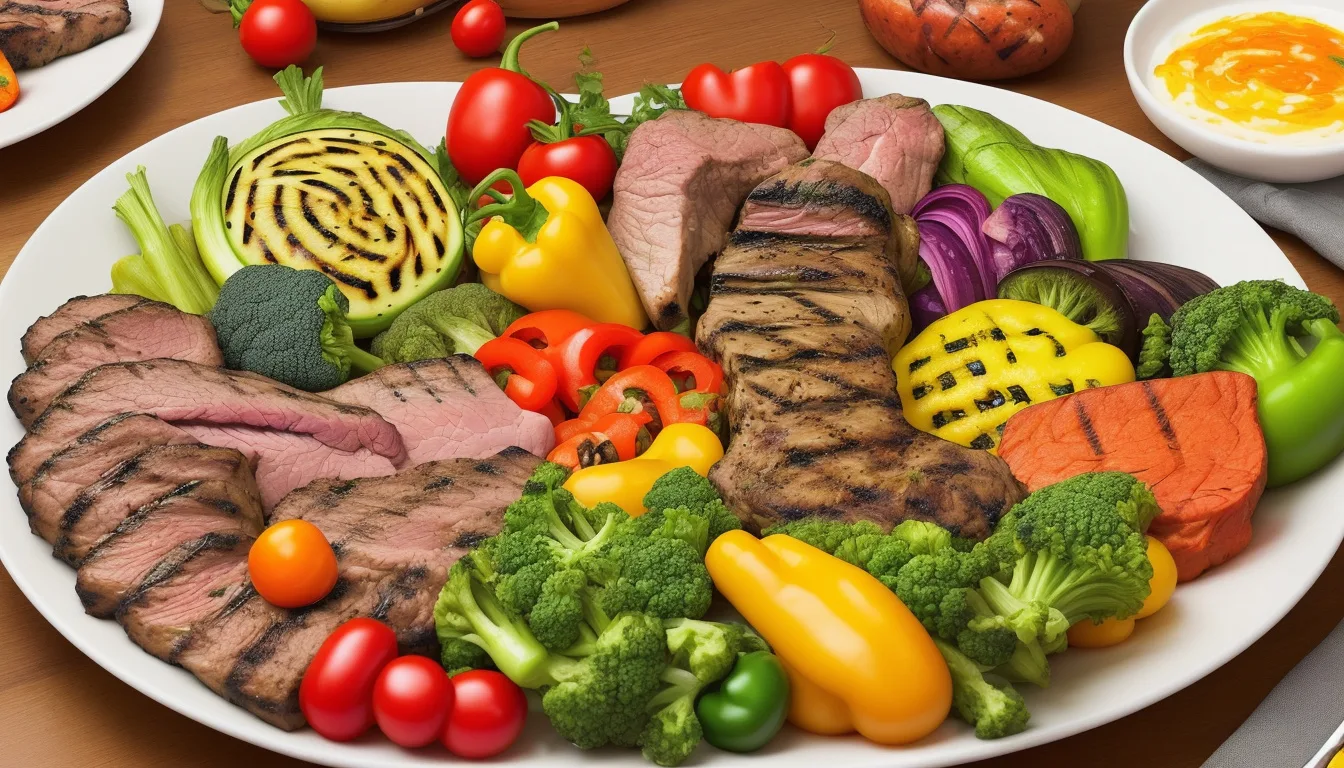
Base: Fill your plate with non-starchy vegetables.
Aim for 2–4 cups of greens like leafy types, broccoli, cauliflower, peppers, zucchini, or asparagus daily. -
Protein: Choose quality sources.
Have 1–2 palm-sized portions of beef, lamb, pork, poultry, eggs, fish, or shellfish per meal.
Add organ meats once a week if you can. -
Fats: Pick sources rich in nutrients.
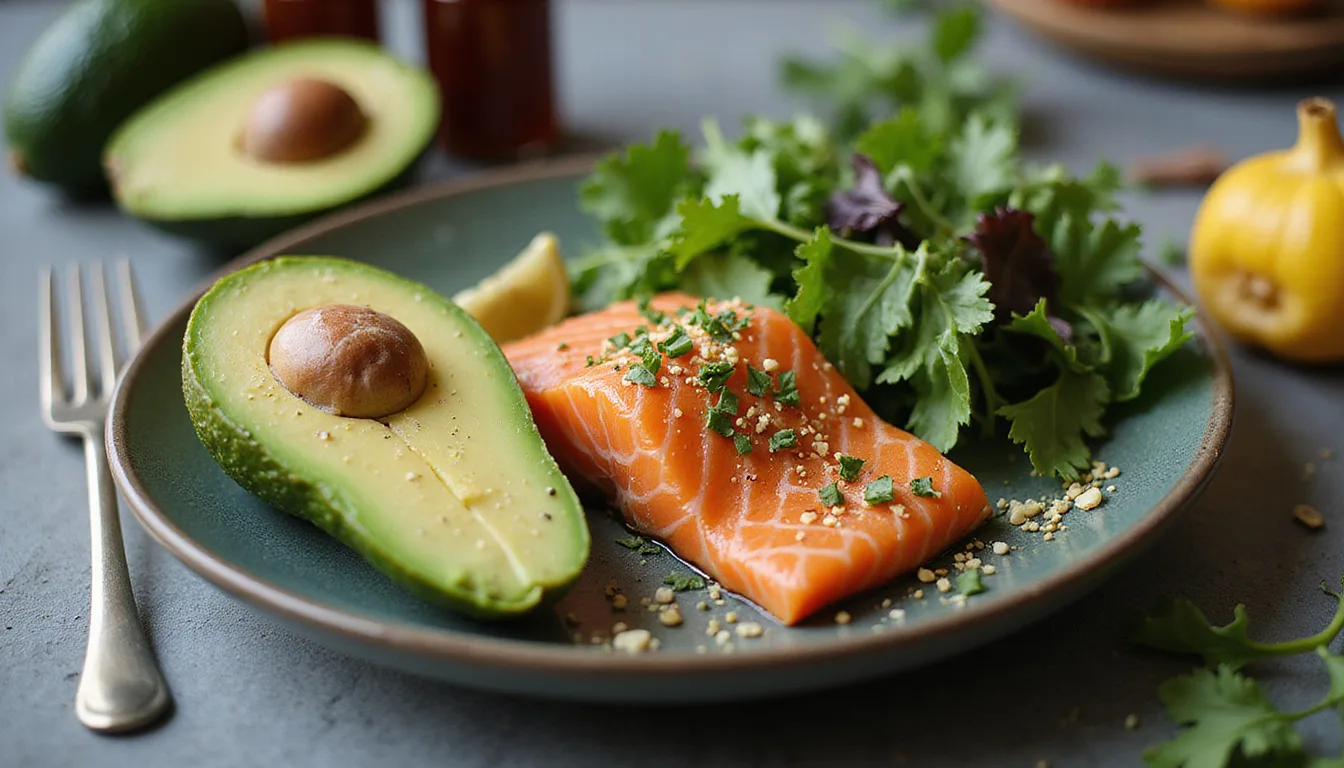
Use olive oil, avocado, butter or ghee, tallow, lard, and fatty fish instead of processed seed oils. -
Extras for micronutrient strength
– Use herbs and spices like parsley, cilantro, turmeric, garlic, or ginger
– Add fermented foods such as sauerkraut, kimchi, or unsweetened yogurt
– Include nuts, seeds, and a bit of low-sugar berry when you like
A sample “micronutrient-optimized” keto day
Below is one example of a day built to supply low carb micronutrients.

Breakfast
• Omelet made with 2–3 eggs, spinach, mushrooms, and cheese
• Half an avocado
• Sea salt and black pepper, cooked in butter or olive oil
Lunch
• A big salad of mixed greens, arugula, red bell pepper, cucumber, and olives
• Grilled salmon or chicken thigh
• Olive oil and lemon juice dressing with a sprinkle of pumpkin seeds
Snack (if needed)
• A handful of almonds or macadamia nuts
• Sparkling water with a pinch of mineral salt and lime
Dinner
• A grass-fed beef burger patty or lamb chop
• Sautéed kale or Swiss chard with garlic in ghee
• Roasted Brussels sprouts with olive oil and sea salt
Throughout the day
• 2–3 cups of bone broth or salted water
• If you have cramps or trouble sleeping, a magnesium supplement may work; check with your doctor
Common signs you might be low in key micronutrients
While lab tests are best, listen to your body.
On a low-carb or keto plan, watch for these signals:
• Electrolyte issues
– Dizziness, lightheadedness, or headaches (often low sodium)
– Muscle cramps or twitching (low magnesium or potassium)
– Fast heartbeat or unexpected palpitations (check your salt and water)
• Energy and mood changes
– Constant tiredness even with enough food (possible gaps in B vitamins, iron, or magnesium)
– Irritability, brain fog, or trouble focusing (might point to electrolyte or B vitamin issues)
• Body aches
– Bone or joint pain (may come from low vitamin D, K2, or calcium)
– Restless legs at night (often tied to low magnesium)
• Immune and skin shifts
– More colds or slow healing (possibly linked to low zinc or vitamin C)
– Dry skin or hair loss (may show low zinc or protein)
If these signs continue, it is wise to see a healthcare provider who can check nutrient levels and thyroid function.
When supplements make sense on low carb
Food is the first step; supplements come next.
Some vitamins and minerals are hard to get from food alone, based on your needs.
Supplements often used include:
• Magnesium – many take 200–400 mg daily in forms like glycinate, malate, or citrate
• Vitamin D3 – important when sun exposure is low; use blood tests to guide the dose
• Salt blends – a mix of sodium, potassium, and magnesium in a no-sugar form
• Omega-3s from fish oil – if your fatty fish intake is low
• Vitamin B12 and folate – for those with limited animal foods or absorption challenges
Always remember to:
- Talk with your healthcare provider before starting any supplements, especially if you use prescriptions.
- Avoid very high doses unless a test shows you need them.
- Choose brands that are checked for purity and strength.
Practical checklist: Are your low carb micronutrients covered?
Use this quick list to check your plan:
- Do you salt your food well or drink broth each day?
- Do you eat at least 2 cups of non-starchy vegetables on most days?
- Do you include a potassium-rich food (avocado, leafy greens, or mushrooms) every day?
- Do you regularly have nuts, seeds, or dark leafy greens for magnesium?
- Do you eat quality protein (meat, eggs, or fish) in 1–2 meals per day?
- Do you include fatty fish 1–3 times per week or take an omega-3 source?
- Do you get some dairy, fish with bones, or leafy greens for calcium?
- Have you had your vitamin D levels checked and adjusted your intake as needed?
- Do you use some iodized salt or eat seafood/seaweed on a regular basis?
- Have you thought about nutrient tests if you face constant tiredness, cramps, or mood swings?
If you answer “yes” to most, your low carb micronutrient plan is on track.
FAQ: low carb micronutrients and keto nutrition
-
What are the most important electrolytes for keto beginners?
Sodium, potassium, and magnesium are the top electrolytes.
Low insulin makes the kidneys dump these salts, which is why you need to boost them with salted foods, leafy greens, avocado, nuts, or an electrolyte drink to sidestep keto flu. -
Can you get all needed vitamins and minerals from a low carb plan without supplements?
A well-planned diet with vegetables, high-quality meats, seafood, eggs, nuts, and seeds can fill most needs.
Sometimes vitamin D, magnesium, iodine, or B12 may be low, depending on your sun exposure and food choices.
Lab tests and personal adjustments help cover any gaps. -
What are good low carb foods for micronutrients if I do not enjoy cooking?
For a simple, nutrient-packed keto plan, choose easily available items:
• Canned sardines or salmon (with bones)
• Pre-washed salad greens
• Rotisserie chicken
• Boiled eggs
• Avocados
• Olives
• Nuts and seeds
• Cheese
• Frozen mixed vegetables quickly warmed in butter or olive oil
Also add a pinch of mineral salt in drinks to cover most needs.
Take control of your low carb micronutrients and truly thrive
Weight loss, better sugar levels, and clear thinking show the power of low carb.
They are only the start.
When you master low carb micronutrients, you shift from simply doing keto to living well on it:
• You get steadier energy and mood.
• You see fewer cravings and energy dips.
• You sleep better and face fewer cramps.
• Your immunity and long-term health get a strong boost.
You do not need to change everything at once.
Start by fixing one meal.
Add an extra serving of vegetables, or simply salt your food and sip broth.
Then add more nutrient-rich foods and, when needed, targeted supplements.
If you are ready to enjoy full benefits beyond the scale, review your meals, spot a micronutrient gap, and plan a fix this week.
Your future energy, focus, and strength come from these small but important changes.
[center]Always consult with your doctor prior to making drastic diet changes.[/center]
[center]As an Amazon Affiliate, Savvy Keto makes a small commision (at no extra cost to you) on any purchases you make thru affiliated links you click on.[/center]